




Decorative Metal Head
These pieces of decorative metal head sculpture and architectural salvage bring striking sculptural presence to an interior through substantial bronze, brass, lead, and spelter forms.
Decorative Metal Head
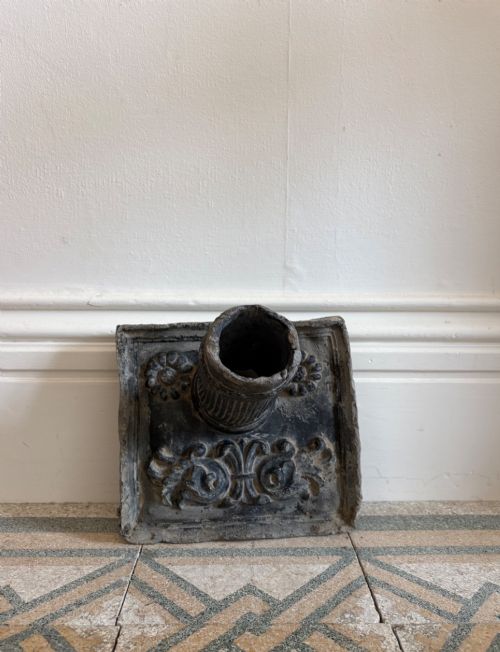
A decorative metal head covers a diverse assortment of sculptural objects, architectural fountain elements, mask crests, and portrait busts spanning multiple centuries and global traditions. When looking for a decorative metal head, buyers encounter everything from 18th century lead fountain components and Georgian water pump hoppers to 19th century bronze busts and 20th century tribal art.
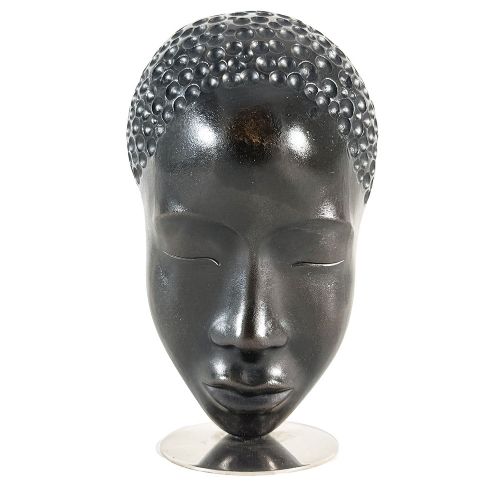
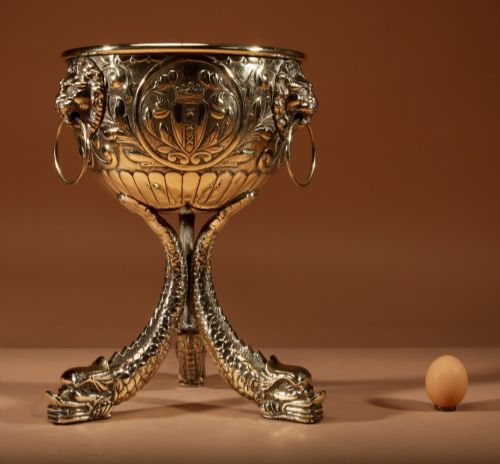
The selection here frequently includes bronze and brass examples taking the form of animal masks, mythological figures, and human portraits on marble bases or integrated into functional vessels. These items function as focal points in a room, drawing the eye through solid weight and intricate cast or chased detail.
Materials and methods
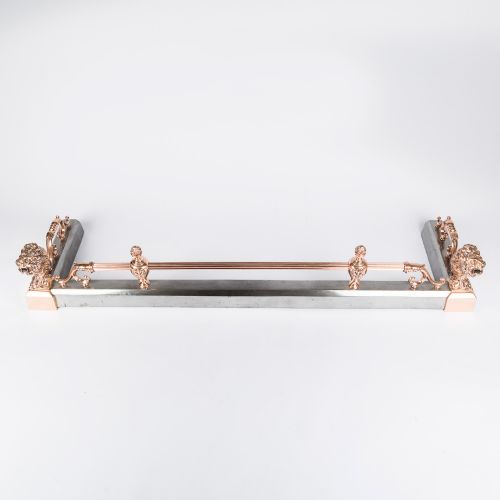
Metalworking techniques recorded across these listings rely heavily on casting in bronze, brass, lead, and spelter, often combined with hand-embossing and patination. Founders utilised lost-wax casting for detailed figural works like African tribal busts and classical portraits, whilst utilitarian items like architectural lead work and copper fenders show heavy plate construction and riveting.
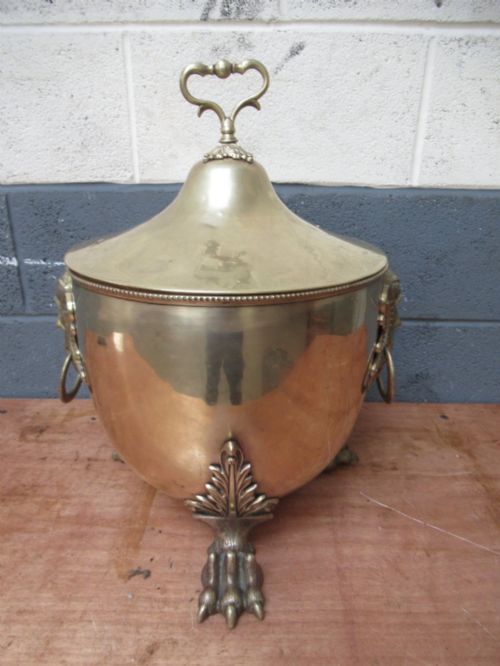
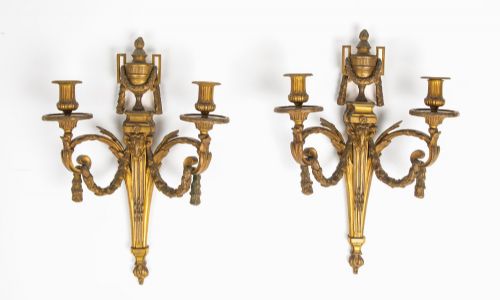
Surface treatments range from fire gilding on French ormolu wall lights to dark patinated finishes on bronze masks and polished surfaces on brass jardiniere planters. Marble bases frequently support heavier spelter and bronze sculptures, adding stability and contrasting texture to the metal.
Decorative Metal Head Retail Price Guide 2026
Typical asking prices for decorative metal head among the pieces listed under this phrase on Sellingantiques today, from the lower quarter to the upper quarter. They describe what is for sale here now, not the wider market.
The listings span from the eighteenth century through to the mid-twentieth century, featuring materials including lead, bronze, brass, and marble.
Judging quality in metal sculpture
The integrity of the material dictates longevity, with solid bronze and heavy-gauge brass demonstrating superior durability compared to lighter spelter pieces. Mounts, fixings, and secondary materials like integrated marble bases must fit precisely and show equal period integrity.
Hagenauer
The Decorative Metal Head Glossary
- Spelter
- A zinc alloy commonly used as a less expensive substitute for bronze in nineteenth-century decorative figures and urns. It is softer than bronze and typically carries a bronzed or painted surface finish.
- Dinanderie
- A traditional term for European brass and copper objects, particularly decorative vessels and containers produced in towns along the Meuse valley. The craft encompasses embossed and cast techniques applied to domestic metalware.
- Ormolu
- Gilded bronze produced by applying a mercury and gold amalgam to a bronze object and heating it to vaporise the mercury. This technique creates a durable golden finish seen frequently on French decorative wall lights and mounts.
- Patination
- The surface coloration and sheen acquired by metal through age, handling, or intentional chemical treatment. A stable patina enhances sculptural depth and provides evidence of a piece's age.
- Trefoil
- A three-lobed decorative shape often found on the rims of antique wine jugs and metal vessels. The form derives from Gothic tracery and classical architecture.
Decorative Metal Head: Frequently Asked Questions
What are decorative metal heads made from?
These pieces utilise materials such as bronze, brass, lead, copper, and spelter. Many incorporate secondary elements like marble bases or wooden backplates.
Surface finishes vary from natural patinated bronze and polished brass to gilt surfaces and painted details.
How do I care for antique bronze and brass?
Dust the metal gently with a soft, dry cloth to prevent the buildup of grime. Avoid abrasive cleaners or metal polishes that can strip away historic patination.
Keep pieces away from excessive moisture and direct heat sources to protect any underlying marble or wooden mounts.
Where were these metal objects produced?
The listings encompass items originating from Britain, France, China, Japan, and various regions of Africa. Each region employed distinct casting and finishing traditions appropriate to the period.
European works often reflect classical or neoclassical revivals, whilst African and Asian pieces showcase indigenous artistic canons.
How can I tell a 19th-century bronze from a 20th-century piece?
Nineteenth-century works frequently display heavier casting methods, classical subject matter, and deeper, natural wear patterns in the patina. Twentieth-century examples often shift toward distinct modernist styles like Art Deco or specific regional tribal traditions.
Examination of the base fixings, tooling marks, and material composition helps confirm the period of manufacture.