



Patinated Metal Head
These patinated metal head pieces range from portrait busts to architectural hardware, shaped by centuries of foundry work.
Patinated Metal Head
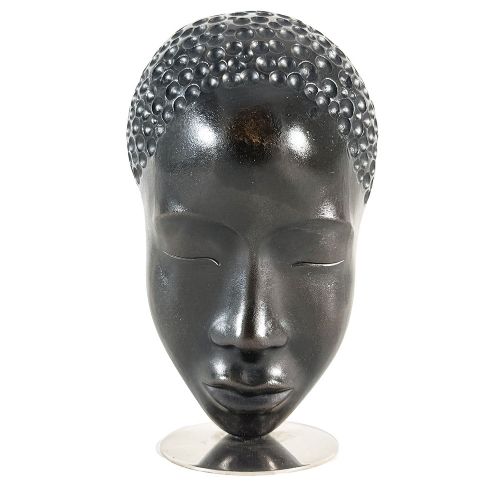
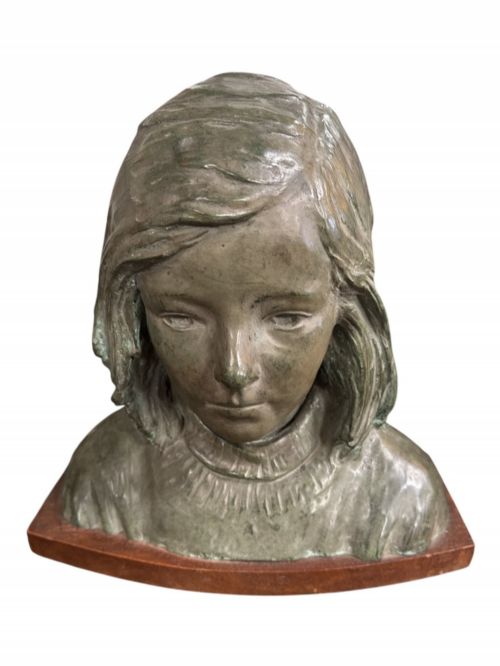
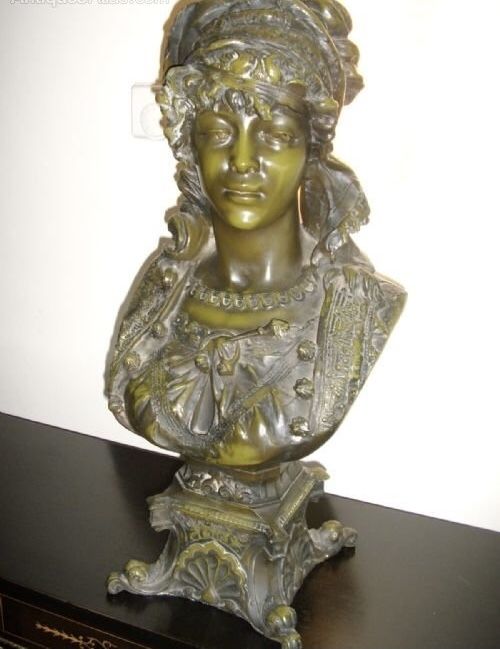
When you search for patinated metal head, you encounter sculptural works, door hardware, and decorative vessels cast in bronze, brass, and copper. These pieces capture human portraits, mythical beasts, and animal forms across diverse global traditions.
The selections available here lean heavily toward portrait busts and figural sculptures from the nineteenth and early twentieth centuries. European makers predominate in these portraiture formats, while earlier Asian bronzes introduce ritual vessels and scholar items.
Forms stretch from miniature scholar censers to large architectural elements like door plates and knockers. Each object utilises metal casting to preserve fine details of expression and adornment.
Materials and technique
Chemical and natural treatments create the distinctive patinated surfaces seen across the pieces. These finishes range from dark brown tones on European portrait plaques to polished or weathered surfaces on older Asian and African bronzes.
Patinated Metal Head Retail Price Guide 2026
Typical asking prices for patinated metal head among the pieces listed under this phrase on Sellingantiques today, from the lower quarter to the upper quarter. They describe what is for sale here now, not the wider market.
Elephants and foo lions double as functional censers and door plates.
Assessing quality
The artistry of the finisher dictates the tactile appeal of the surface. Skilled founders layer patinas to produce rich colour variations that elevate a simple metal casting into a compelling portrait.
Hagenauer·Eugene Canneel·Adolphe Jean Lavergne·A Foster And Pullen
The Patinated Metal Head Glossary
- Patination
- The chemical or natural process that alters the surface colour of metal over time. This treatment protects the material and adds visual depth to sculpted details.
- Bust
- A sculptural representation of a person's upper chest, shoulders, and head. These works often serve as individual portraits or commemorative pieces.
- Censer
- A vessel designed for burning incense during ritual or domestic practices. Miniature examples often take animal forms, such as an elephant head.
- Foundry
- The workshop where metal is melted and poured into moulds to create sculptures and hardware. Foundry marks often help identify the origin and period of a cast.
Patinated Metal Head: Frequently Asked Questions
What is patinated metal?
Patinated metal refers to bronze, copper, or brass that has developed a coloured surface layer through chemical treatment or natural oxidation. This process alters the raw metal tone to create deeper browns, greens, or blacks.
Founders apply these treatments to highlight sculptural details and protect the underlying metal from corrosion.
How were these metal heads used?
Many metal heads functioned as portrait busts to commemorate historical figures, artists, or private individuals. Others served practical roles as door knockers, architectural hardware, or ritual incense burners.
Domestic interiors often displayed smaller bronze busts on mantelpieces or desks as decorative art.
How do I care for bronze?
Bronze requires minimal intervention beyond dusting with a soft cloth to prevent grime accumulation. Avoid harsh chemical cleaners that can strip away the original patinated surface.
A light application of microcrystalline wax can help protect the metal finish in dry indoor environments.
How are periods distinguished?
Periods are identified through stylistic cues, casting techniques, and specific signatures or foundry marks. Nineteenth-century European works often display naturalistic portraiture, while earlier Asian pieces follow strict ritual conventions.
Examining the underside, mounting hardware, and metal composition also aids in dating an object accurately.