

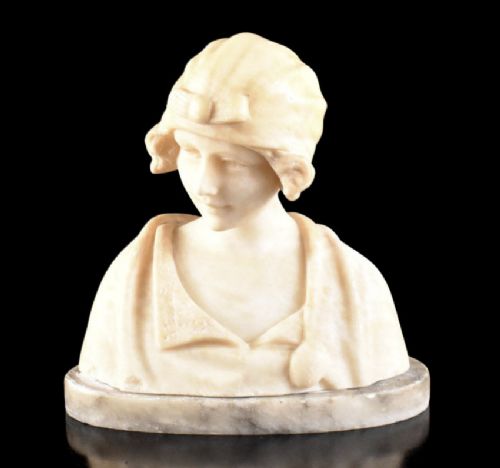
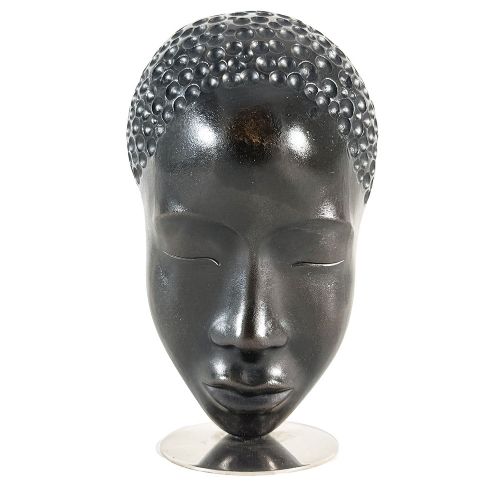

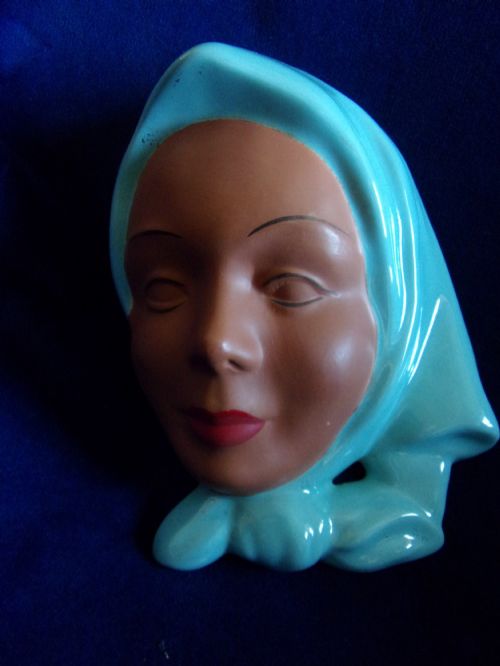


Art Deco Female Head
These art deco female head pieces capture a definitive modernist aesthetic, offering collectors striking sculptural representations that anchor any room with period elegance.
Art Deco Female Head
An art deco female head brings a distinct modernist glamour to interior spaces through sculptural forms spanning the Edwardian period up to 1930. The pieces you encounter most frequently on this page are figural busts and wall masks created in the interwar decades.
Makers shaped these subjects into diverse functional objects, ranging from shop display mannequins and counter top display busts to freestanding decorative sculptures. Stylistic variations draw upon European traditions alongside Balinese art deco influences seen in Indonesian dancer depictions.
The selection encompasses both intimate domestic portraiture and commercial retail display items produced in workshops across Austria, England, France, and Bohemia. Each piece reflects the evolving aesthetic priorities of female representation during the early twentieth century.
Materials and construction methods
Sculptors utilised direct carving techniques in wood and marble to achieve crisp linear definitions characteristic of the period style. Moulded terracotta and plaster allowed workshops to produce detailed wall masques and shop display pieces with consistent proportions.
Glazes applied to ceramic pieces added lustrous surface sheen while protecting the porous clay bodies underneath. Metal works combined foundry casting with patination processes to create tonal depth across the hair and drapery.
Art Deco Female Head Retail Price Guide 2026
Typical asking prices for art deco female head among the pieces listed under this phrase on Sellingantiques today, from the lower quarter to the upper quarter. They describe what is for sale here now, not the wider market.
Materials documented across the available pieces include wood, paint, terracotta, plaster, metal, patinated bronze, ceramic, and glaze.
Distinctions in craftsmanship and execution
Superior examples demonstrate meticulous attention to facial expression, bone structure, and surface finish by identified sculptors and known potteries. Finer works achieve greater emotional resonance and dynamic line through confident handling of the chosen medium.
Mass-produced commercial items, such as retail shop display mannequins, prioritize durability and bold silhouette over the subtle anatomical precision found in studio art pieces. The integrity of the original surface patina or painted decoration heavily influences the visual cohesion of the object.
Hagenauer·Gilbert Privat·Bohumil Rezl
The Art Deco Female Head Glossary
- Wall masque
- A sculptural relief intended for hanging on a vertical surface, depicting a face or head. These pieces often served purely decorative functions in domestic interiors.
- Patinated bronze
- A metal alloy treated with chemical solutions to produce a specific surface colour and texture. This finish protects the metal while enhancing sculptural contours.
- Terracotta
- Fired unglazed or glazed clay possessing a characteristic porous brownish-red body. Sculptors favoured this material for its responsiveness during modelling.
- Mannequin
- A three-dimensional form used to display millinery, garments, or accessories in retail settings. Period examples from the early twentieth century double as striking decorative sculptures.
- Balinese art deco
- A regional stylistic fusion incorporating traditional Southeast Asian dance motifs into modern European design formats. This aesthetic appears in carved dancer depictions from the interwar era.
Art Deco Female Head: Frequently Asked Questions
Where were these busts displayed originally?
Sculptural pieces adorned domestic mantelpieces, sideboards, and architectural niches in middle and upper-class homes. Commercial variants populated high-end retail shop windows and interior counters.
Shop display mannequins served a functional retail purpose before transitioning into the collector market as sculptural art objects.
How do I distinguish Edwardian pieces from 1930s works?
Edwardian examples from around 1918 retain softer, more naturalistic Victorian portrait conventions in their facial modelling and attire. By 1930, works embrace the geometric stylisation, clean lines, and stylised hair of the art deco movement.
Materials and surface treatments also shift, moving from traditional plaster and marble towards patinated metals and stylised ceramic glazes.
What maintenance do these materials require?
Most pieces require only gentle dusting with a dry, soft cloth to prevent particulate buildup on delicate painted or patinated surfaces. Avoid using liquid cleaners or chemical polishes, which can strip original finishes from terracotta, plaster, or bronze.
Stable indoor humidity and protection from direct sunlight preserve the original pigments on painted wooden and plaster sculptures.
Are shop display pieces considered fine art?
Period shop display mannequins and counter top busts were manufactured primarily for commercial utility rather than gallery exhibition. Over time, their scarcity and bold modernist styling elevated them into recognised decorative art objects.
Their sculptural presence shares identical design DNA with studio pieces produced by contemporary European sculptors.