



Decorative Metal Doorstop
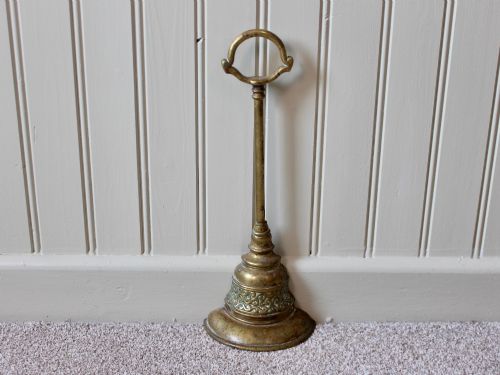
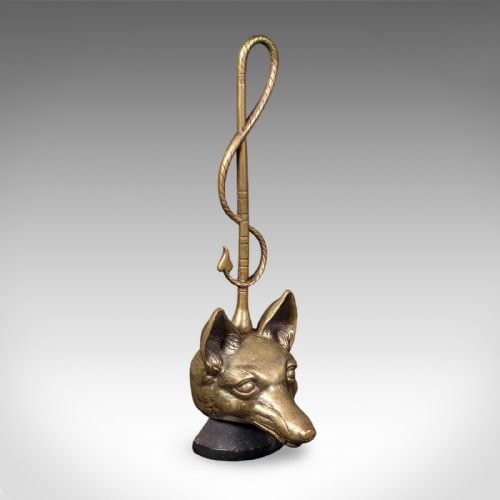
These decorative metal doorstop examples hold doors open with heavy cast metal, bringing period character to any room.
Decorative Metal Doorstop
A decorative metal doorstop serves the practical purpose of holding a heavy interior door open while providing sculptural interest to a room. When searching for a decorative metal doorstop, buyers encounter sturdy pieces designed to sit on the floor and manage airflow through a house.
The selections span various eras, with Victorian pieces appearing frequently alongside Regency and Edwardian examples. These items take diverse forms, ranging from animal figures and mythological creatures to human characters like Mr Punch.
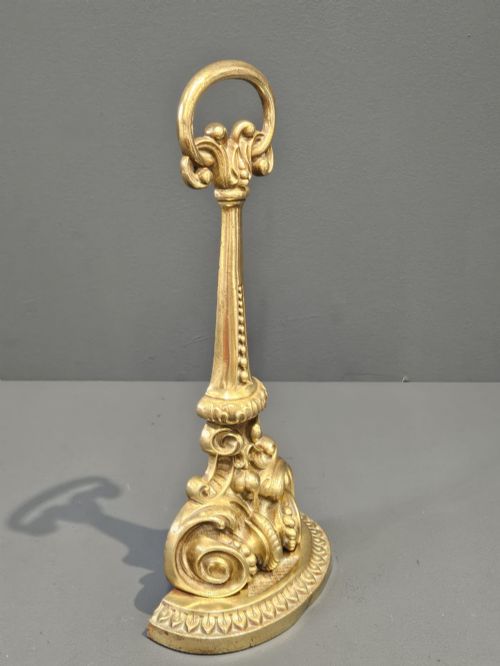
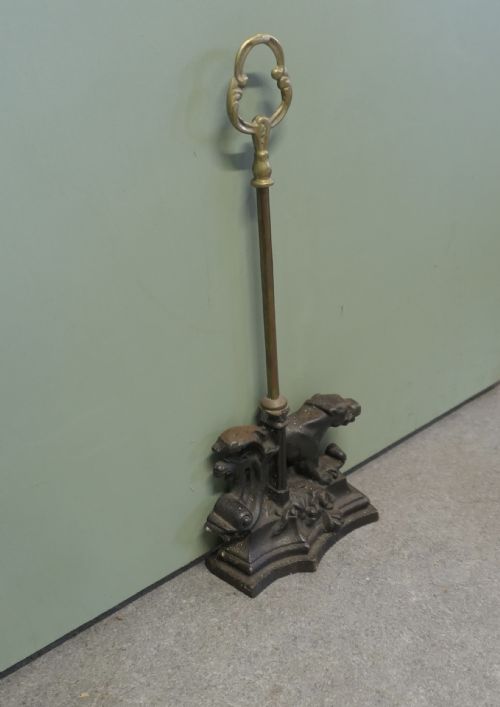
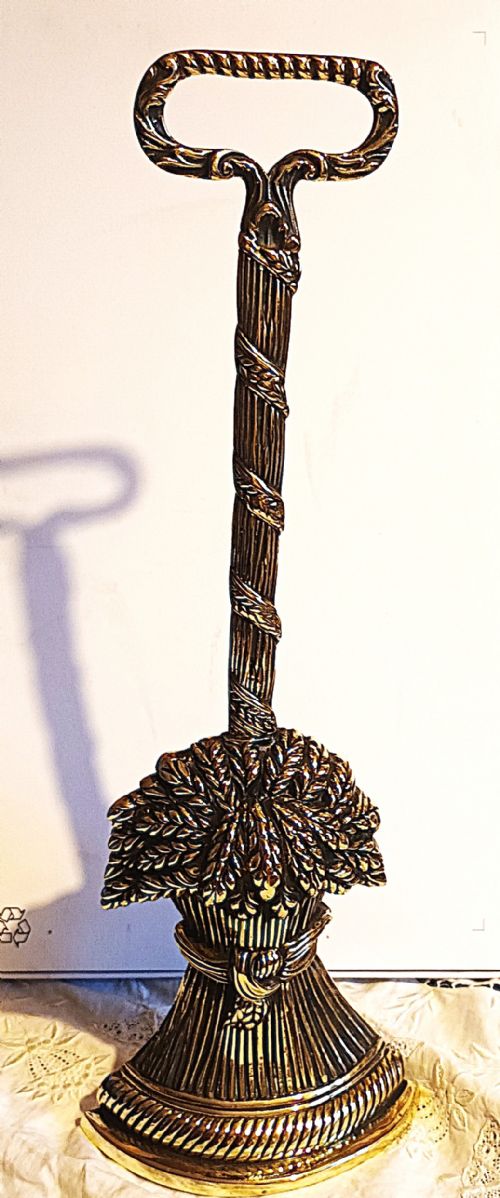
Most items function as door porters or sentries, often cast in solid brass, bronze, or iron. Their weight allows them to resist heavy oak or pine doors without sliding across wooden floorboards.
How manufacturers cast these pieces
Foundries produced these objects primarily through sand casting, pouring molten metal into moulds formed from patterns pressed into damp sand. This technique allowed makers to create intricate details such as fur, feathers, and facial expressions in the final metal.
Makers utilised metals like brass, cast iron, and bronze, selecting each material for its weight and ability to hold fine surface detail. Some examples received surface treatments including paint or gilding to enhance their visual appeal.
The object forms recorded include standard doorstops, door porters, and door sentries in various animal and figurative designs.
What separates standard pieces from finer examples
The choice of material and the heft of the piece also distinguish better examples from simpler utilitarian versions. Heavier metals and more elaborate sculptural subjects generally indicate higher workshop standards during production.
Tonks
The Decorative Metal Doorstop Glossary
- Cast Iron
- An iron-carbon alloy poured into moulds to create heavy, rigid objects. It forms the foundation of many robust utilitarian pieces found in this category.
- Bronze
- An alloy consisting primarily of copper, traditionally combined with tin. This material allows for fine sculptural detail and develops a warm surface appearance over time.
- Brass
- A copper and zinc alloy valued for its bright golden appearance and resistance to corrosion. It frequently appears in polished forms across domestic hardware from the nineteenth century.
- Door Porter
- An alternative term for a heavy doorstop designed to be lifted and moved easily by a handle or upper loop. These items anchor doors while remaining portable.
- Gilt Bronze
- Bronze metal treated with a thin layer of gold or gold-coloured alloy. This finish adds a luminous quality to decorative items.
Decorative Metal Doorstop: Frequently Asked Questions
What metals were used for decorative metal doorstop pieces?
Foundries predominantly utilised cast iron, brass, and bronze to manufacture these heavy items. Each metal provided the necessary mass to hold doors securely in place.
Some examples also incorporated painted finishes or gilt highlights to accentuate the underlying metalwork.
How heavy is a typical decorative metal doorstop?
These items possess substantial weight to prevent doors from moving under typical household draughts. Solid brass and cast iron constructions ensure they remain anchored against the floor.
Their heft depends on the specific metal used and the overall size of the sculptural subject.
Where were decorative metal doorstop items placed?
Households positioned them directly on the floor near interior doorways to keep doors open between rooms. Their dual function allowed them to act as ornaments when not actively holding back a door.
Country houses and urban residences alike utilised them in hallways and principal reception rooms.
How do I identify a Victorian decorative metal doorstop?
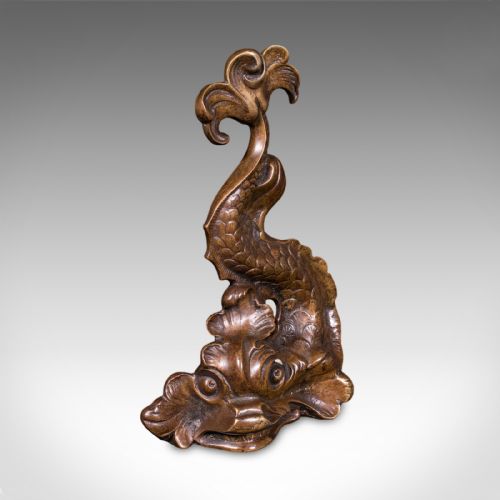
Victorian examples often feature characteristic subjects such as mythical dolphins, heraldic lions, or popular theatrical figures like Mr Punch. Makers during this era embraced elaborate ornamentation and robust casting techniques.
Examining the casting quality and the style of the base helps determine the period of origin.