



English Cast Iron Doorstop
These english cast iron doorstop pieces are heavy domestic weights designed to hold heavy doors, bringing distinct character and utility to an entryway.
English Cast Iron Doorstop
An english cast iron doorstop serves the practical purpose of keeping heavy interior doors open while doubling as a decorative sculptural object for the hallway. Most examples met on this page date from the Victorian period, though earlier Georgian and Regency pieces alongside Edwardian variations also appear.
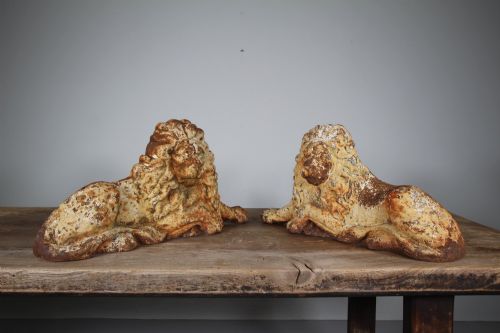
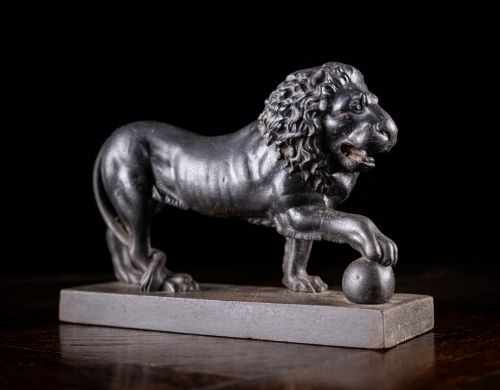
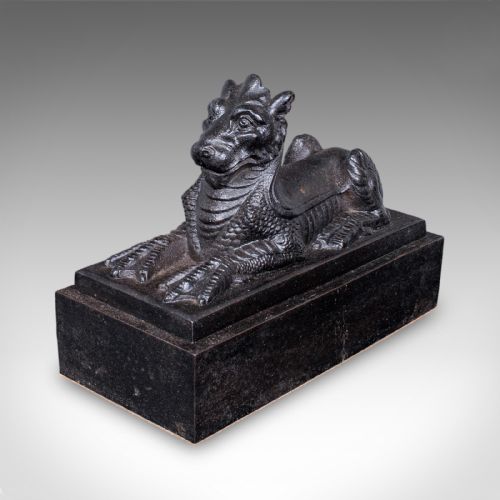
The forms range widely from heraldic animals such as lions and sphinxes to domestic animals like border collies, retrievers, and sheep. Other notable shapes include architectural knights, ploughmen, and specialised fireplace ornaments or boot scrapers.
How they were made
These items are produced primarily through the traditional method of sand casting iron, which results in solid, weighty objects capable of withstanding daily use. Molten metal is poured into moulds, capturing intricate details of figures such as the Egyptian Revival sphinx or the muscular form of a guardian lion.
English Cast Iron Doorstop Retail Price Guide 2026
Typical asking prices for english cast iron doorstop among the pieces listed under this phrase on Sellingantiques today, from the lower quarter to the upper quarter. They describe what is for sale here now, not the wider market.
Keep an eye out for the occasional grumpy-looking border collie ready to guard your hallway from closing doors.
What varies in quality
The sculptural definition of the casting dictates the visual success of the piece, separating crisp, high-relief modelling from softer, worn impressions. Sharper details in the animal fur, facial expressions, and architectural armour indicate superior workmanship in the original foundry.
The preservation of original painted decoration heavily influences the character of a doorstop. Examples that retain their early polychrome surfaces show a depth and authenticity lacking in later or entirely stripped pieces.
The English Cast Iron Doorstop Glossary
- Cast iron
- A strong, heavy alloy of iron and carbon poured into moulds to create solid forms. This material provides the necessary weight to hold heavy doors securely in place.
- Door porter
- A traditional alternative term for a doorstop, often featuring a convenient handle at the top for carrying. These items were essential in large townhouses to manage heavy interior doors.
- Egyptian Revival
- A stylistic movement drawing inspiration from ancient Egyptian motifs, frequently seen in sphinx forms. This aesthetic gained popularity during the Regency period.
- Boot scraper
- A heavy iron fixture placed near an entrance to remove mud from footwear before entering the house. These share materials and foundry techniques with standard doorstops.
English Cast Iron Doorstop: Frequently Asked Questions
What is an english cast iron doorstop?
An english cast iron doorstop is a heavy metal weight designed to keep doors open within a home. These objects combine practical utility with sculptural forms ranging from animals to architectural figures.
Most surviving examples date from the nineteenth century and reflect the tastes of Georgian, Regency, and Victorian households. They remain functional items that also serve as decorative focal points in hallways and entryways.
How heavy are these doorstops?
These items possess substantial weight due to their solid iron construction, which allows them to hold open heavy timber doors without sliding. The mass depends on the physical size and sculptural form of the specific piece.
Larger figures like lions, knights, and sphinxes offer the greatest heft, ensuring stability in busy corridors. Smaller dog door stops provide enough weight for lighter interior doors.
Where should I place a doorstop?
These objects are typically positioned on the floor immediately adjacent to an interior door to prevent it from slamming or closing unintentionally. Their decorative qualities make them suitable for prominent display in hallways, reception rooms, and studies.
Care should be taken to place them where they will not be tripped over in dimly lit passages. They function equally well holding doors open against draughts or simply displaying sculptural forms.
How do I care for cast iron?
Cast iron requires minimal maintenance beyond occasional dusting with a dry cloth to prevent the accumulation of dirt within recessed details. Keeping the metal in a dry environment protects any surviving historic paint finishes from moisture damage.
Avoid using harsh chemical cleaners or abrasive pads that might strip original polychrome surfaces. Gentle care preserves both the structural integrity and the aesthetic character of the piece.
How do I identify a Victorian piece?
Victorian examples often display robust animal subjects like border collies, lions, and sheep, alongside architectural figures such as knights. The modelling tends to be bold and straightforward to suit domestic interiors of the era.
Comparing the style and casting characteristics with documented nineteenth-century forms helps confirm the period. The weight and texture of the iron further indicate traditional foundry methods of the time.