



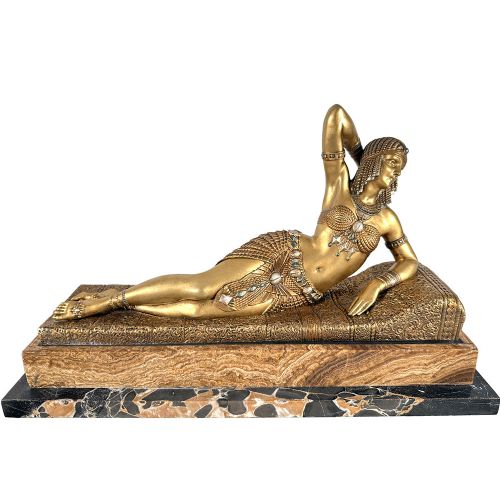


Decorative Marble Statue
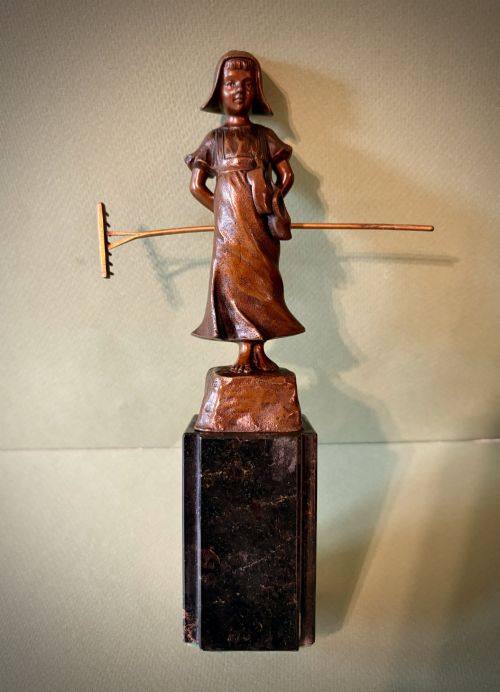
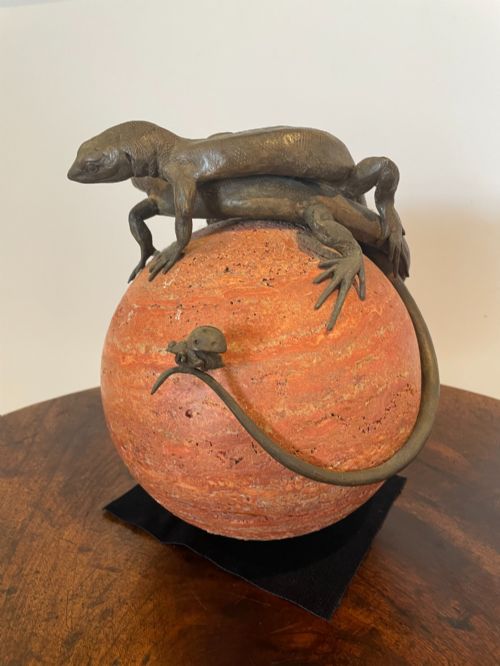
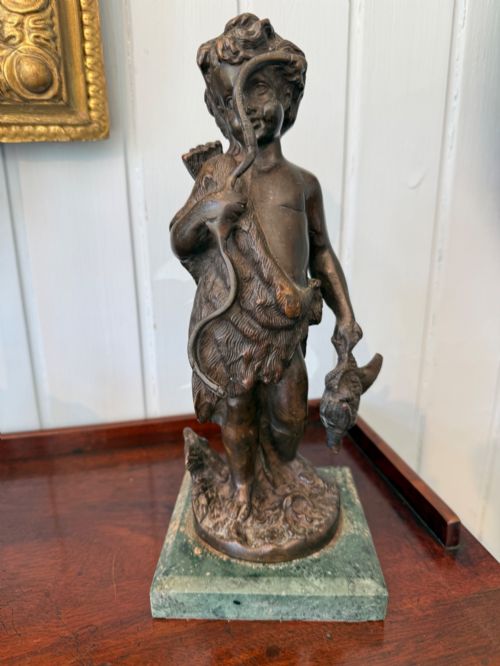
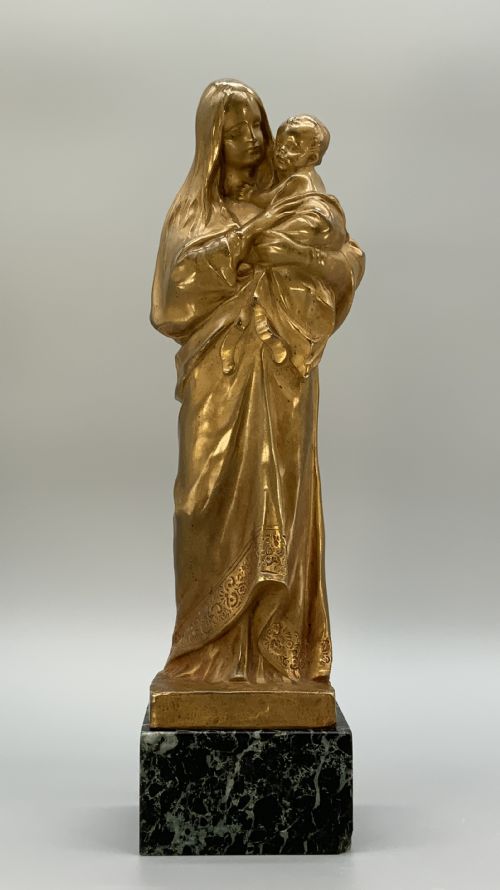
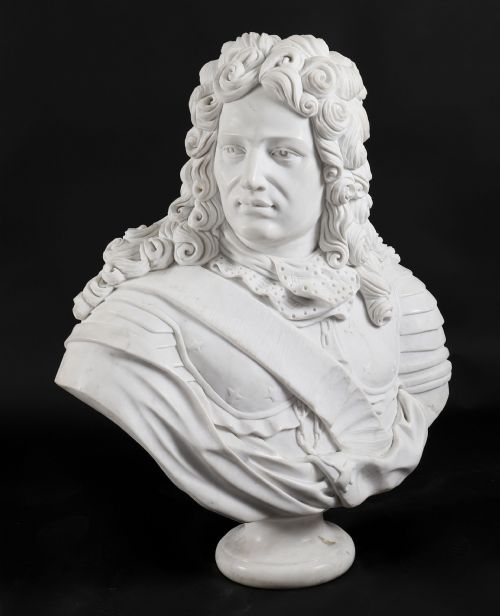
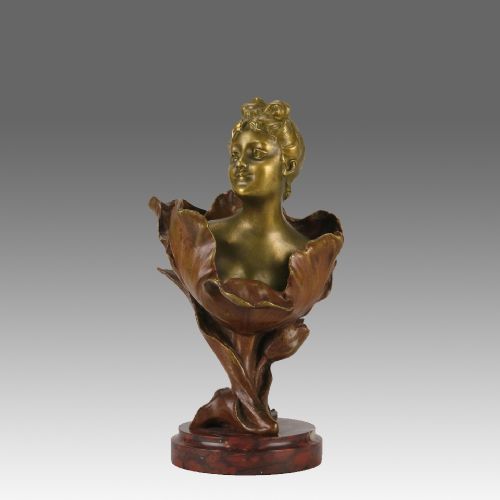
These decorative marble statue pieces combine carved stone with bronze, alabaster and gilt work across Victorian, Neoclassical and Art Deco designs.
Decorative Marble Statue
A decorative marble statue brings substantial carved stone into an interior, frequently paired with mixed media elements like bronze or alabaster. When people search for a decorative marble statue, they encounter forms ranging from full figural sculptures and portrait busts to functional objects such as bookends, table lamps, and architectural obelisks.
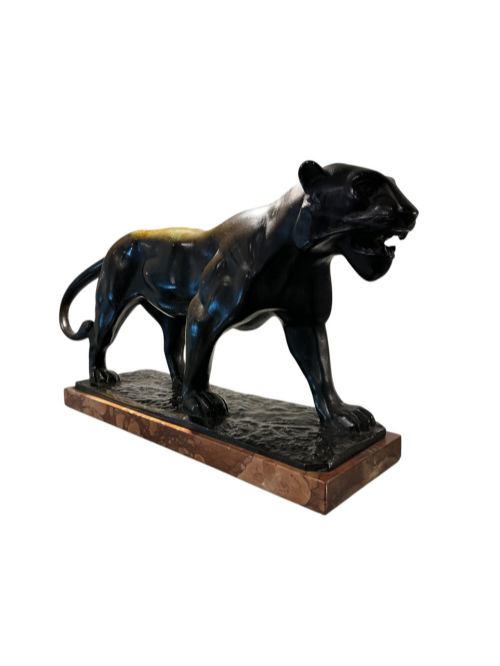
The pieces span multiple design movements, with the Victorian era and the 1920s to 1940s Art Deco period heavily represented. Figures include classical subjects, dancers, animals, and historical personages carved or cast by European makers.
Origin points lean towards French, Italian, and Austrian workshops, utilising stone alongside patinated metals, spelter, and gilt bronze. Buyers find everything from large mid-nineteenth-century statues to compact twentieth-century bookends and figural lamps.
How they were made
Makers shaped the stone bases and sculptural elements using natural materials including marble, alabaster, onyx, and plaster. Alabaster and softer stones allowed for translucent portrait busts, while denser marbles provided stable plinths and pedestals for heavier metal casts.
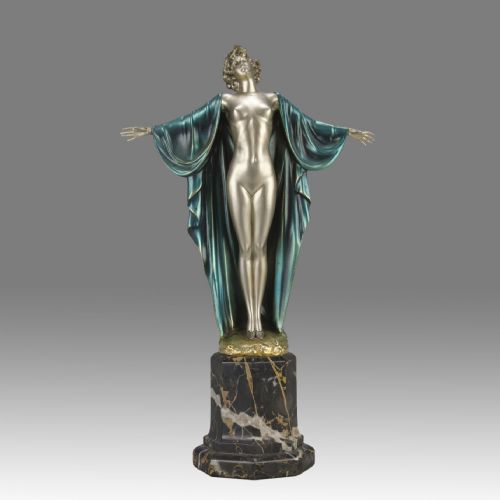
Foundries produced the accompanying figures in bronze, gilt bronze, silvered bronze, and spelter, often employing cold painting or patination for surface detail. Metal figures were then secured directly onto carved marble or onyx mounts to create stable display pieces.
Listings incorporate items spanning the Victorian era through the 1950s, utilising marble, bronze, alabaster, and onyx across sculptural and functional forms.
What varies in quality
The integration between the sculptural subject and its stone or marble base marks the distinction between standard production and top-tier workshop output. Heavier composite pieces balance the weight of bronze or alabaster components against fitted stone plinths to ensure stability.
Ferdinand Preiss·Hans Müller·Henri Godet·Demetre Chiparus·John Wenlock Rollins·Alexandre Kelety·Pierre le Faguays·Auguste Moreau
The Decorative Marble Statue Glossary
- Alabaster
- A fine-grained mineral, often white or lightly tinted, used for translucent portrait busts and sculptural carvings. It offers a softer surface than marble and requires careful handling.
- Cold painted
- A method where bronze or metal figures receive paint applications without subsequent kiln firing. This technique appears frequently on nineteenth and twentieth-century cabinet bronzes.
- Spelter
- A zinc alloy utilised as a cost-effective alternative to bronze in figural sculptures and decorative items. It often carries a patinated or metallic finish mimicking genuine bronze.
- Specimen marble
- Multi-coloured decorative stonework composed of various mineral samples arranged in geometric or pictorial studies. It demonstrates specialised Italian stonemasonry skills.
- Obelisk
- A tall, four-sided, narrow tapering monument that ends in a pyramid-like shape at the top. These decorative stone versions were popular in Italian and European interior design.
Decorative Marble Statue: Frequently Asked Questions
What materials make up a decorative marble statue?
These pieces combine natural stones like marble, alabaster, and onyx with metals including bronze, gilt bronze, spelter, and silvered metal.
Foundries and studios often mounted metal figures onto heavy stone bases, pedestals, or bookends to anchor the overall composition.
How do I identify Art Deco pieces?
Art Deco examples typically date from the 1920s to 1940s and feature streamlined figures of dancers, animals, or modern subjects.
They frequently combine patinated or silvered bronze with contrasting geometric marble bases.
Where were these statues made?
The listings show European origins, with particular concentrations of works from French, Italian, and Austrian foundries and studios.
Italian makers specialised in marble carving and specimen stone studies, while French and Austrian artists produced the figural bronzes.