
Decorative Mantel Vase Pair
These decorative mantel vase pairs span the nineteenth and early twentieth centuries, bringing symmetrical balance and varied materials from porcelain to bronze to interior display.
Decorative Mantel Vase Pair
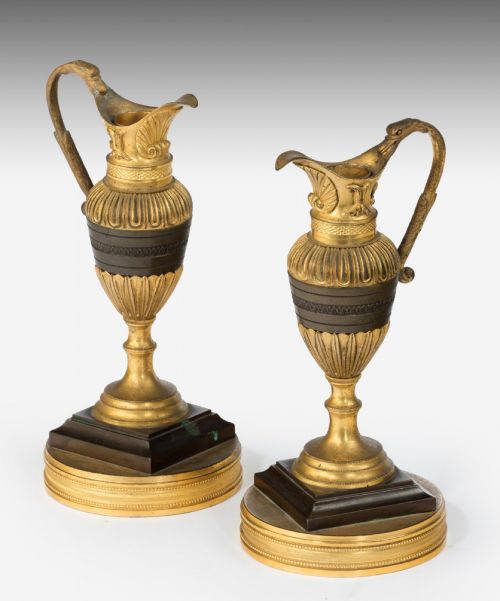
A decorative mantel vase pair provides symmetrical ornamentation for a fireplace or sideboard, taking the form of matching vessels designed to be viewed together. The items gathered here include urns, ewers, and cassolettes alongside traditional vase shapes.
Most examples originate from the nineteenth and early twentieth centuries, drawing on Victorian, Edwardian, and continental European workshops. Makers shaped these matched pairs in styles ranging from rigorous neoclassical designs to flowing art nouveau curves.
How They Were Made
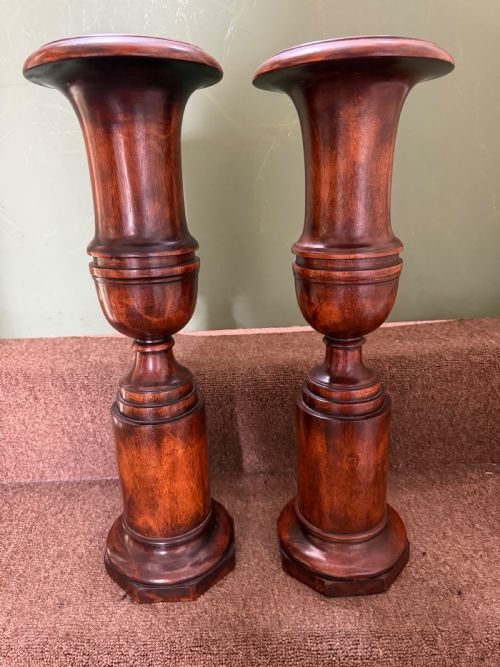
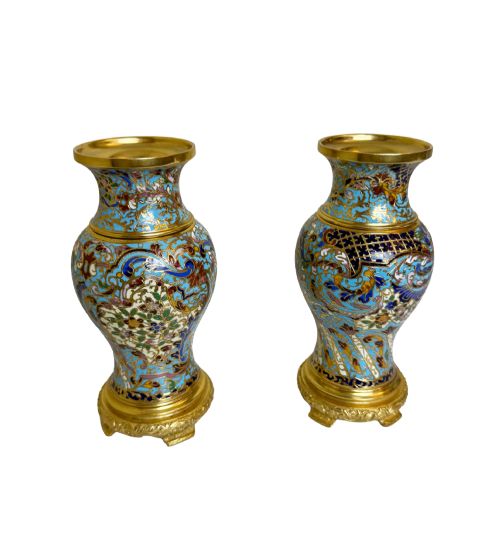
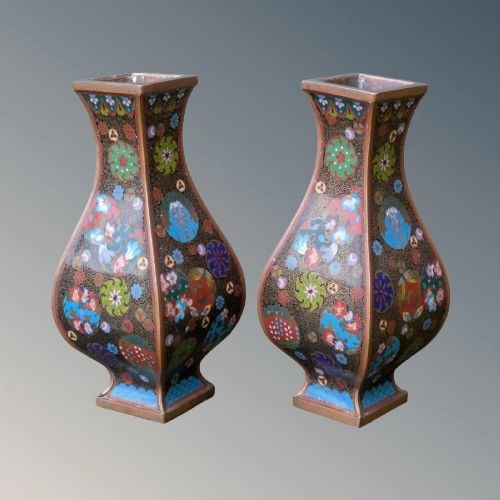
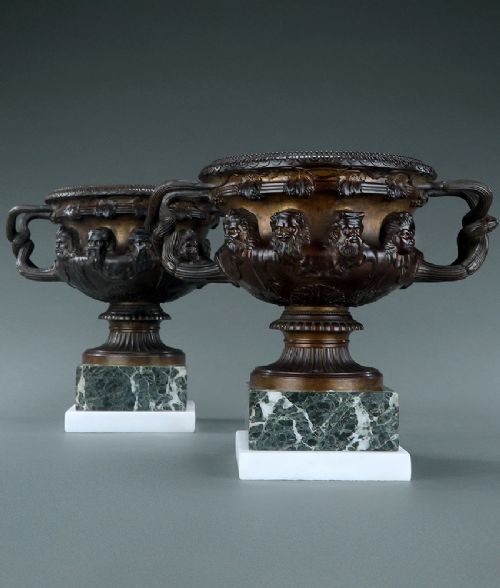
Metalworking techniques produced durable bronze, spelter, and brass bodies, frequently enhanced with ormolu mounts, gilt bronze details, or champleve enamel. Artisans also turned walnut, carved white onyx and marble, or cast iron and copper into substantial matching vessels.
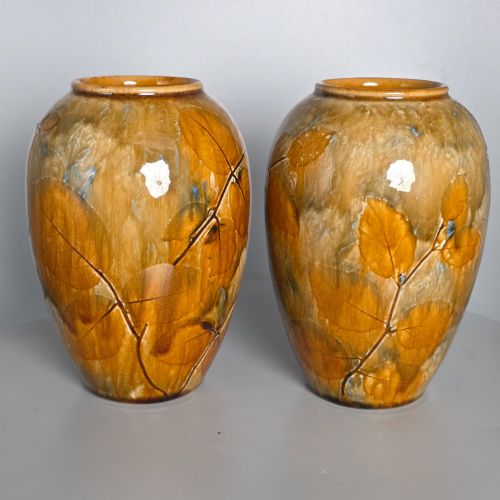
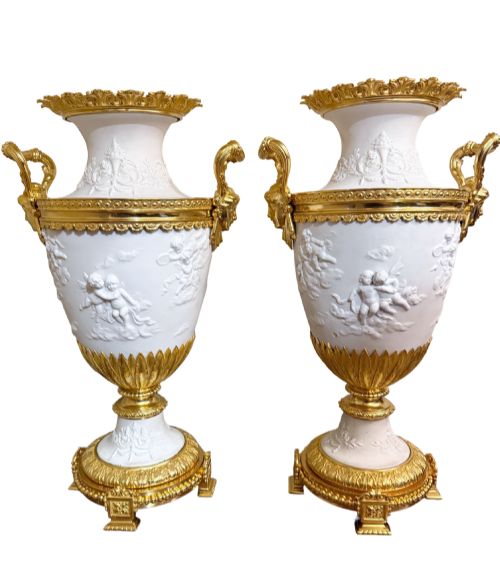
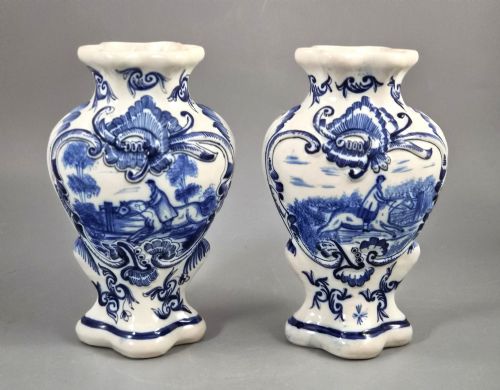
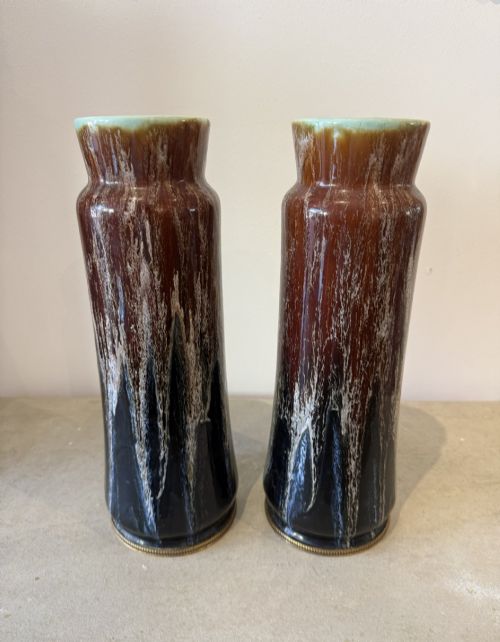
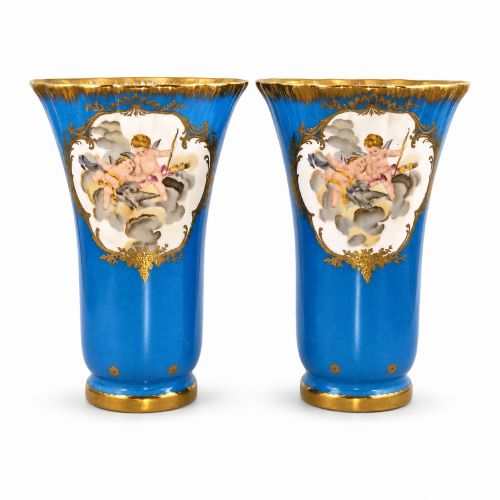
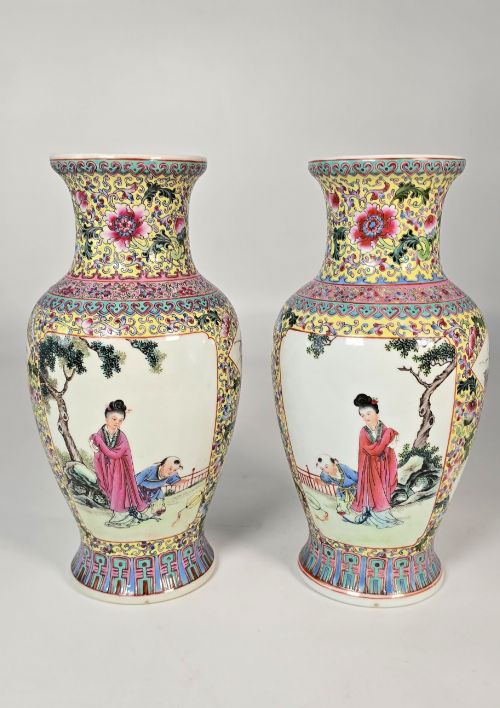
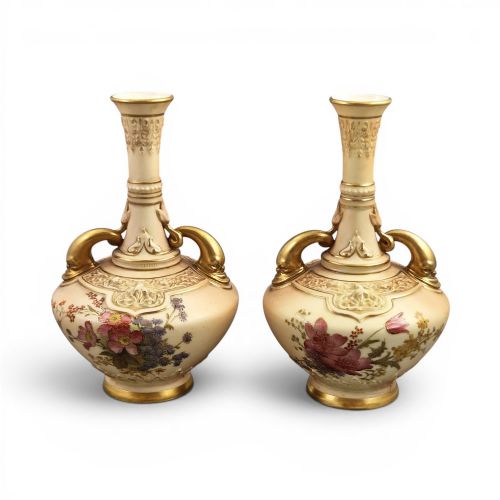
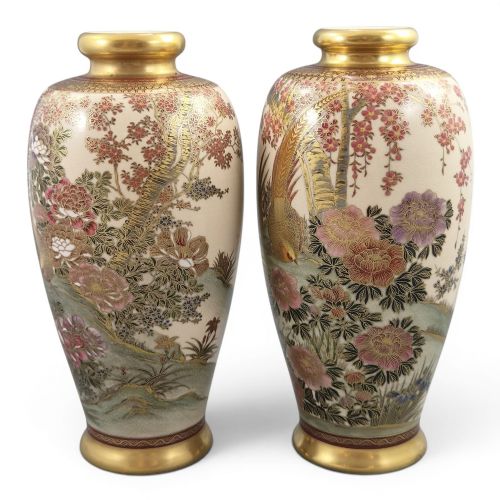
Ceramic examples rely on porcelain, earthenware, and faience bodies finished with hand-painted glazes, transfer printing, or enamel work. Manufacturers combined these fired clays with metal handles, marble plinths, and applied decorative masks.
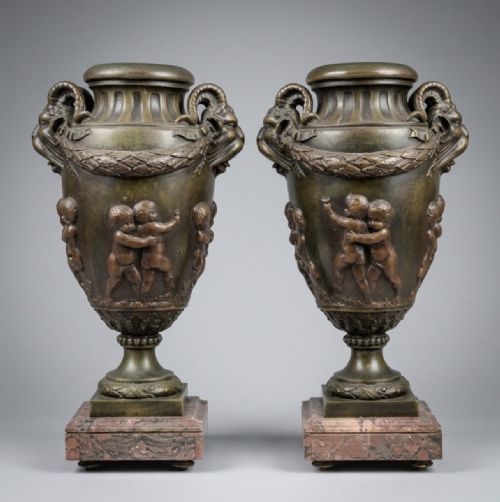
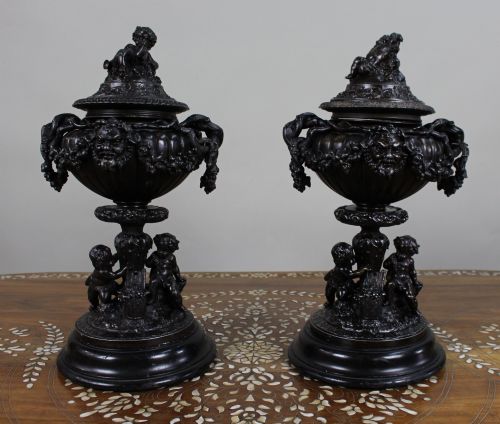
Some nineteenth-century bronze urns wear cheerful Bacchic masks and putti.
What Varies In Quality
The precision of the casting and the crispness of chased surface details separate standard production items from finer studio output. Hand-painted enamels and intricate ormolu mounts require greater technical skill than plain glazed ceramics or cast spelter.
The integrity of the matching pair matters significantly, as matched components must share identical proportions, patination, and wear. Original mounts, undamaged marble bases, and intact gilding elevate the status of the piece.
Royal Doulton·Fourmaintraux Courquin·Boch Freres·Royal Worcester·Hododa·Baccarat
The Decorative Mantel Vase Pair Glossary
- Ormolu
- Gilt bronze mounted on decorative objects, created by applying a mercury and gold amalgam to cast bronze. This technique imparts a rich golden sheen to metal mounts on nineteenth-century urns.
- Champleve
- An enamelling technique where troughs are dug into a metal surface and filled with vitreous enamel powder before firing. The resulting coloured patterns sit flush with the surrounding metal.
- Spelter
- A zinc alloy used as a cheaper alternative to bronze for casting decorative figures and urns. It is commonly painted with a bronze-effect finish to mimic heavier metals.
- Cassolette
- A decorative vase or urn featuring a pierced cover that allows the diffusion of perfumes. Nineteenth-century examples often double as ornamental mantel garnitures.
- Campana
- A bell-shaped urn or vase derived from ancient Roman pottery forms. This classical silhouette appears frequently on nineteenth-century French and Italian metal mantel pieces.
Decorative Mantel Vase Pair: Frequently Asked Questions
What is a decorative mantel vase pair?
A decorative mantel vase pair consists of two matching vessels created to display together on a fireplace mantel or shelf. They provide visual balance and symmetry to an interior space.
These pairs incorporate various materials such as porcelain, bronze, and marble, reflecting periods from the nineteenth century onward.
How were mantel vase pairs used?
Mantel vase pairs served primarily as ornamental garnitures on fireplace mantelpieces, often accompanied by matching clocks or side urns. They established a formal, balanced focal point in nineteenth-century drawing rooms.
Some ceramic examples functioned practically to hold dried or fresh floral arrangements, while others remained purely decorative objects.
How do I care for bronze and porcelain vases?
Bronze and brass surfaces benefit from gentle dusting with a soft cloth to prevent the accumulation of grime. Avoid chemical polishes that can strip historical patination from gilt or bronzed metal.
Porcelain and earthenware vessels require careful handling and should be washed only with lukewarm water when necessary. Keep delicate enamels and hand-painted gilt surfaces away from direct sunlight.
How can I tell nineteenth-century pieces apart?
Nineteenth-century styles shift from strict neoclassical and empire forms toward ornate rococo revival and fluid art nouveau designs. Examining the casting quality, base materials, and manufacturing marks helps determine the period.
Earlier nineteenth-century items often display hand-chased metal mounts and classical motifs, while later examples embrace regional pottery traditions and experimental glazes.