



Decorative Lockable Box
A decorative lockable box brings secure storage and fine craftsmanship to any room, offering a tactile piece of history designed to keep valuables safe.
Decorative Lockable Box
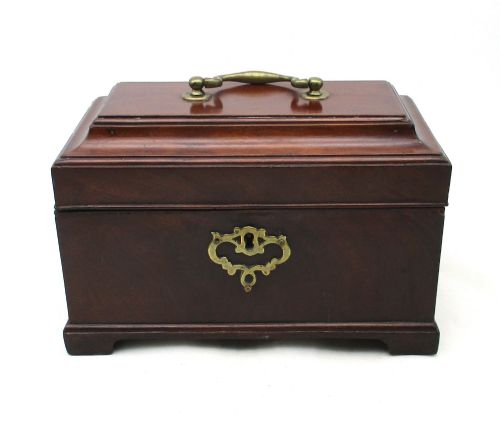
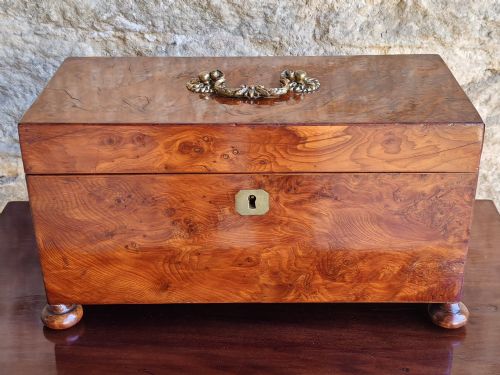
A decorative lockable box is designed to safeguard prized possessions while doubling as an ornamental object for the home. When searching for a decorative lockable box, you will primarily encounter tea caddies, jewellery boxes, trinket boxes, and strong boxes originating from the eighteenth and nineteenth centuries.
The pieces available span distinct eras including the Georgian, Regency, and Victorian periods, reflecting shifting tastes in interior display. Forms range from classical sarcophagus shapes to elegant table boxes fitted with functional locks and working keys.
Materials and construction
Cabinetmakers utilised dense hardwoods such as mahogany, rosewood, and walnut as the primary structural foundations for these boxes. Exotic woods including gonçalo Alves, amboyna, and burr maple provided striking surfaces.
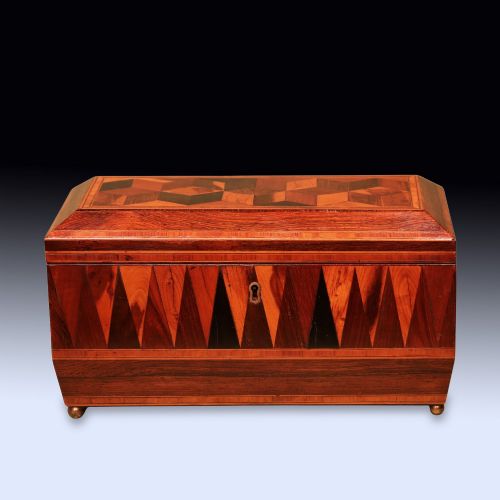
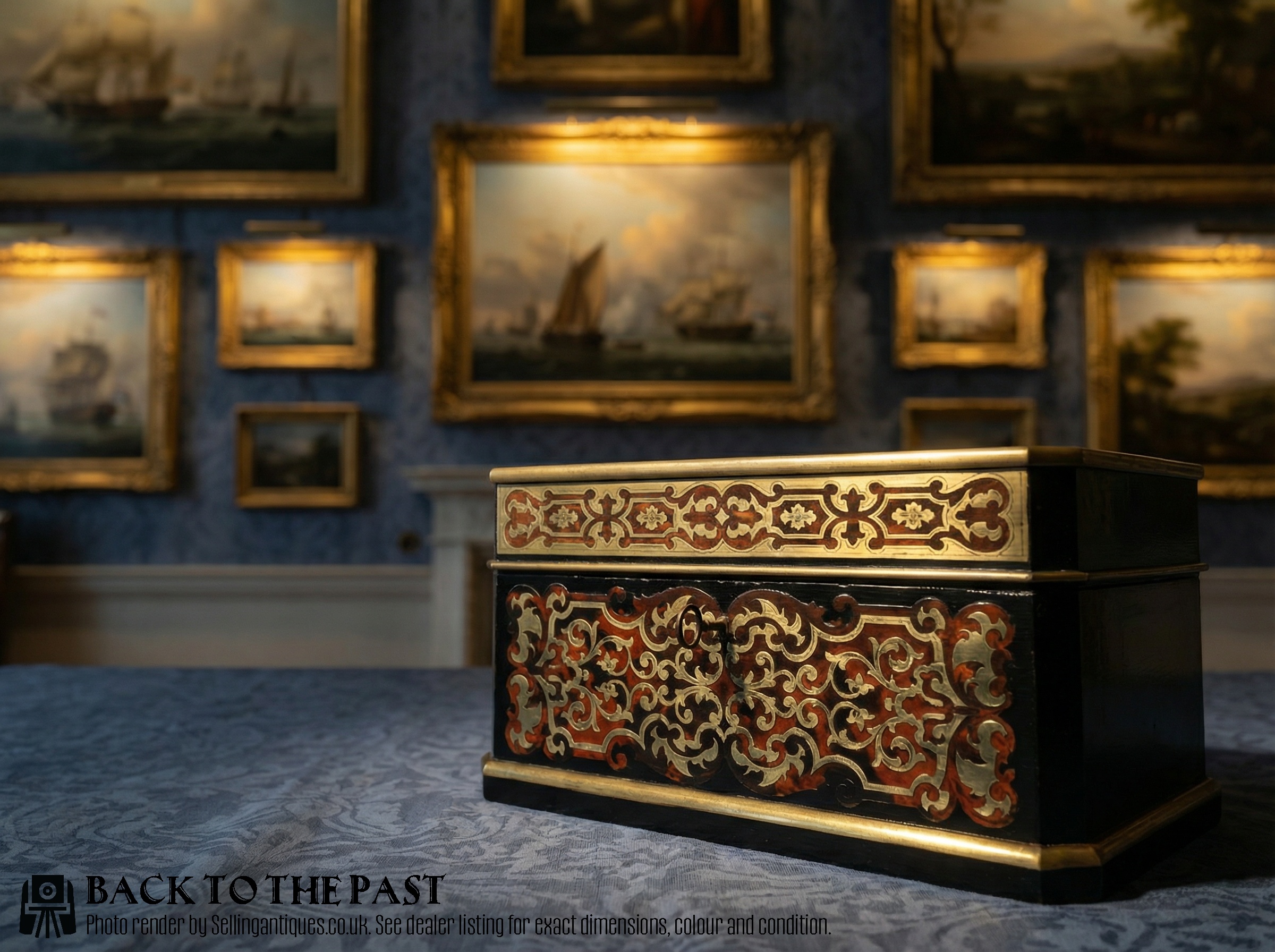
Advanced decorative techniques such as parquetry, marquetry, and Boulle work added intricate surface patterns using tortoiseshell, brass, and boxwood inlay. Metal fittings like brass mounts and bronze hinges reinforced the structure and secured the locking mechanisms.
Decorative Lockable Box Retail Price Guide 2026
Typical asking prices for decorative lockable box among the pieces listed under this phrase on Sellingantiques today, from the lower quarter to the upper quarter. They describe what is for sale here now, not the wider market.
Current listings feature diverse timber species including mahogany, rosewood, yew, and burr maple alongside tortoiseshell inlay.
Judging quality and execution
Superior examples distinguish themselves through the choice of timber veneers and the precision of their marquetry or parquetry patterns. The integration of complex elements such as secret letter compartments, inner canisters, and intact working locks elevates a piece.
Finer boxes display harmonious proportions and seamless joints where contrasting woods meet. Lesser pieces rely on simpler surface treatments with minimal decorative embellishment or replacement hardware.
The Decorative Lockable Box Glossary
- Tea caddy
- A box originally manufactured to store dry tea leaves securely under lock and key. These containers often featured internal compartments or canisters.
- Marquetry
- An ornamental technique of applying decorative veneer pieces in wood, brass, or tortoiseshell to form geometric or pictorial designs. This method requires considerable skill from the cabinetmaker.
- Sarcophagus
- A box style featuring a stepped, domed lid reminiscent of classical stone tombs. This form was particularly popular during the Regency period.
- Boulle work
- A method of inlaying brass and tortoiseshell developed in France and frequently seen on nineteenth-century pieces. It creates a rich, contrasting surface texture.
Decorative Lockable Box: Frequently Asked Questions
What were decorative lockable boxes used for?
These boxes served practical domestic functions, primarily storing precious commodities like tea leaves, jewellery, and confidential letters. Because tea was an expensive commodity, locking the container prevented household staff or guests from accessing the contents.
Over time, many of these vessels transitioned from utilitarian storage into decorative tabletop objects designed to display wealth and refined taste in reception rooms.
How do I secure a working lock?
Many period boxes retain their original operational locks and accompanying keys, though centuries of use can cause internal mechanisms to stick. A professional restorer can often adjust the delicate levers inside without damaging the surrounding wood.
If a key is missing, a specialist locksmith can sometimes cut a replacement to fit the existing wards, preserving the historical integrity of the piece.
How do I date a wooden box?
Dating relies on identifying the primary wood species, the construction methods used for the interior compartments, and the external stylistic markers. Georgian pieces often feature simpler mahogany or walnut carcasses, while Regency and Victorian examples frequently incorporate exotic veneers and brass mounts.
Examining the hinges, screws, and lining materials provides further clues to narrow down the decade of manufacture.
How should I care for antique wood?
Keep wooden boxes away from direct sunlight and sudden temperature shifts to prevent the delicate veneers from warping or cracking. Maintaining a stable indoor humidity protects both the timber and any brass or tortoiseshell inlay.
Apply a gentle application of appropriate wax polish periodically to nourish the grain, avoiding modern silicone-based sprays.