



Decorative Iron Panels
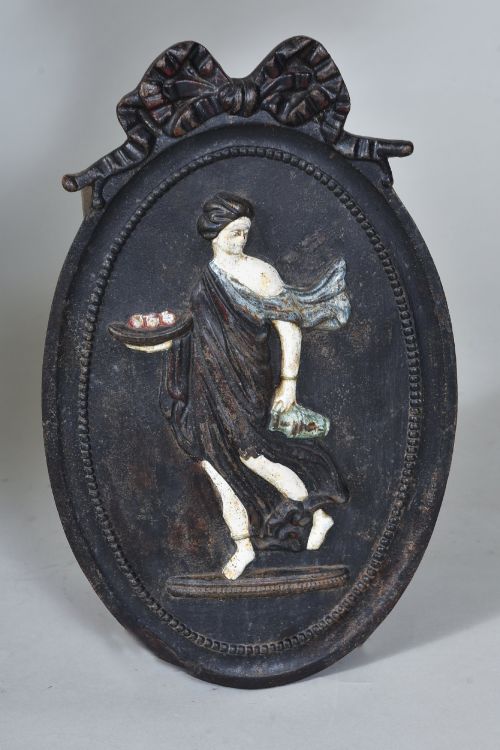
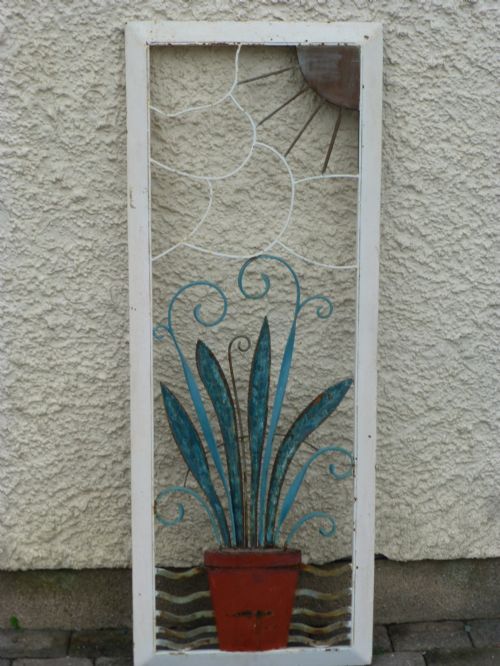
These decorative iron panels bring heavy architectural weight and striking metalwork into a room, offering genuine historical substance for modern interiors.
Decorative Iron Panels
Decorative iron panels encompass architectural salvage, gates, fireplace screens, and balustrades drawn from the nineteenth and early twentieth centuries. These pieces reflect diverse design movements including Victorian, Arts and Crafts, Art Deco, and Gothic Revival. A buyer searching for decorative iron panels will most frequently encounter nineteenth-century architectural elements and early twentieth-century firescreens.
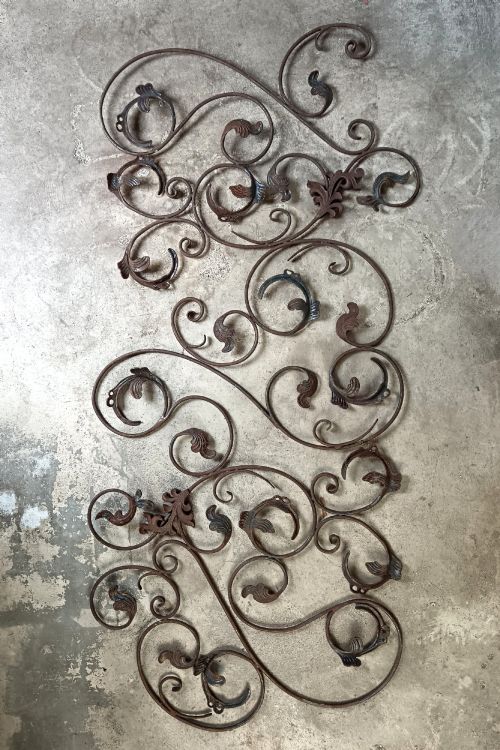
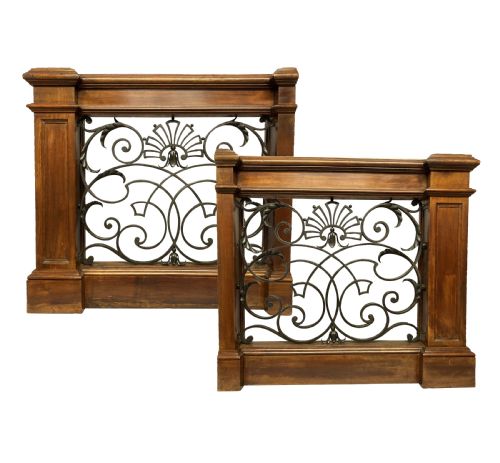
The selection ranges from weathered wrought iron scrollwork to heavy cast iron balustrade sections and tall folding fireguards. Originating from domestic and architectural contexts, these items serve as wall art, garden dividers, or focal points in living spaces. Each piece carries the distinct patina of its age and material origin.
Materials and construction
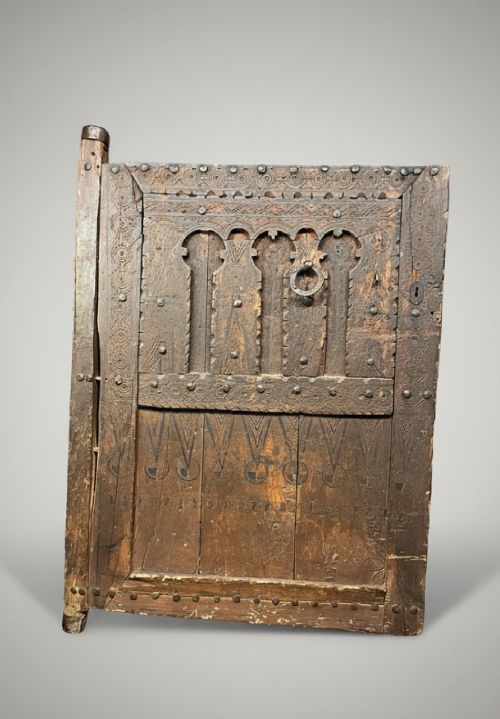
Makers utilised wrought iron, cast iron, and steel to achieve varying structural requirements and decorative profiles. Wrought iron allows for hand-forged scrolls and slender architectural lines, whilst cast iron provides heavy, repeatable ornamentation for balustrades and panels. Bronze and copper components occasionally supplement the iron framework on screens and doors.
Techniques combine traditional smithing, casting, and joinery appropriate to the period of origin. Scrollwork relies on hot-working and bending metal bars, whereas cast elements emerge from poured moulds that produce crisp surface details. Integration with secondary materials like timber, enamel, and porcelain appears on specific firescreens and architectural fittings.
Decorative Iron Panels Retail Price Guide 2026
Typical asking prices for decorative iron panels among the pieces listed under this phrase on Sellingantiques today, from the lower quarter to the upper quarter. They describe what is for sale here now, not the wider market.
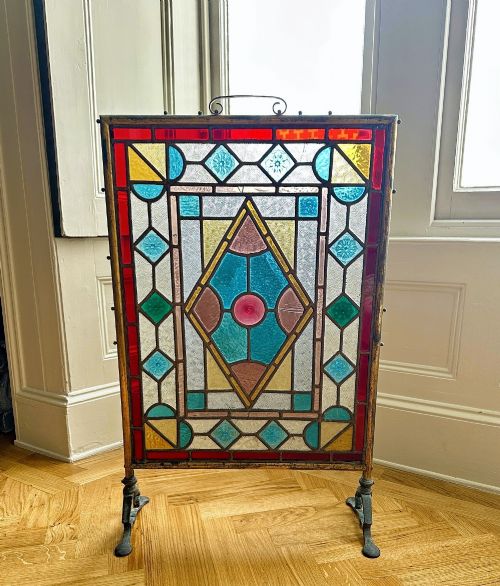
One fireguard arrives ready to fold away whenever the flames get too warm for comfort.
Assessing quality
Quality in these panels depends upon the crispness of the casting, the precision of the hand-forged joinery, and the integrity of the material. Superior examples display balanced proportions, clean scrollwork, and purposeful integration of decorative elements rather than mass-produced uniformity. The distinction lies in the skill of the blacksmith or foundry worker who shaped the metal.
Surface condition and original patination further differentiate the pieces. Wear that reveals the genuine age of the metal enhances character, provided the structural stability remains uncompromised. Maker attribution or distinct regional design movements elevate specific items above standard utility salvage.
Raymond Subes
The Decorative Iron Panels Glossary
- Wrought iron
- A tough, malleable form of iron containing slag inclusions, traditionally hand-forged by a blacksmith into decorative scrolls and architectural bars.
- Cast iron
- Iron melted and poured into a mould to create rigid architectural panels, balustrades, and fire screens with defined surface ornamentation.
- Architectural salvage
- Building components and decorative elements rescued from structures slated for demolition or alteration, repurposed for interior and garden display.
- Firescreen
- A decorative screen placed before a fireplace opening when not in use, often constructed from iron frames combined with mesh, glass, or metal panels.
Decorative Iron Panels: Frequently Asked Questions
How do I hang a heavy iron panel?
Heavy iron panels require secure masonry fixings or direct attachment to timber wall studs to support their substantial weight safely.
Consulting a professional installer ensures the mounting hardware matches the specific wall construction and the load of the metalwork.
Can these panels be used outdoors?
Many wrought and cast iron panels suit outdoor placement, particularly architectural salvage and garden gates designed for exterior exposure.
Weathered surfaces will continue to oxidize naturally outdoors, so applying a suitable protective sealant helps control ongoing corrosion.
What is the difference between wrought and cast iron?
Wrought iron is hand-worked whilst hot, resulting in fibrous, bendable metal ideal for scrolls and custom gates.
Cast iron is poured into moulds, producing rigid, heavier panels with sharp decorative relief that can fracture under sudden impact.
How do I clean antique ironwork?
Gentle brushing removes loose dust and surface debris without disturbing the stable patination accumulated over decades of age.
Avoid harsh chemical cleaners or abrasive scouring pads that strip away historical surface finishes and protective oxidation.