



Vintage Wrought Iron Rail
These vintage wrought iron rail pieces bring structural weight and decorative line to a room.
Vintage Wrought Iron Rail
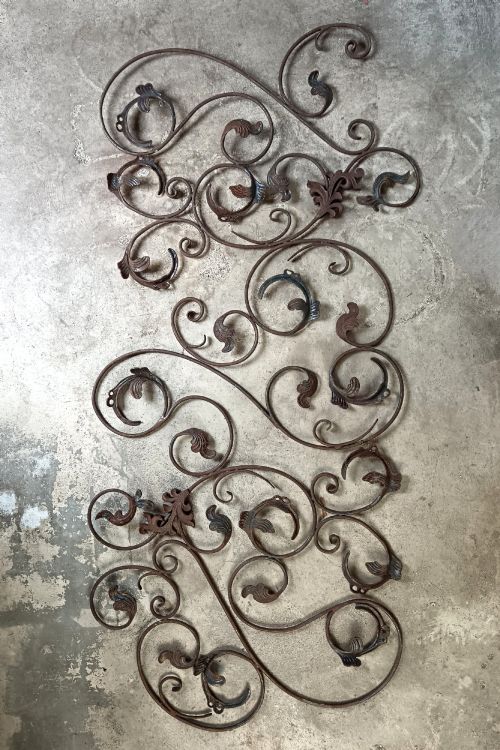
When you search for vintage wrought iron rail, you encounter architectural elements and domestic fittings that range from structural salvage to furniture frames. These pieces span centuries, taking the form of scroll panels, balcony fragments, and wall-mounted hooks.
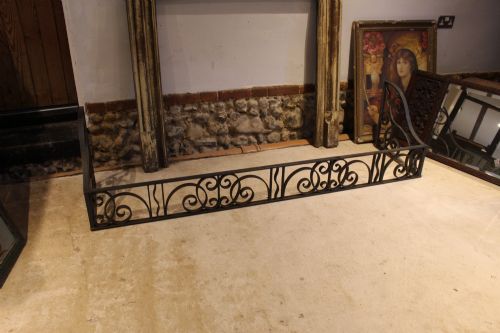
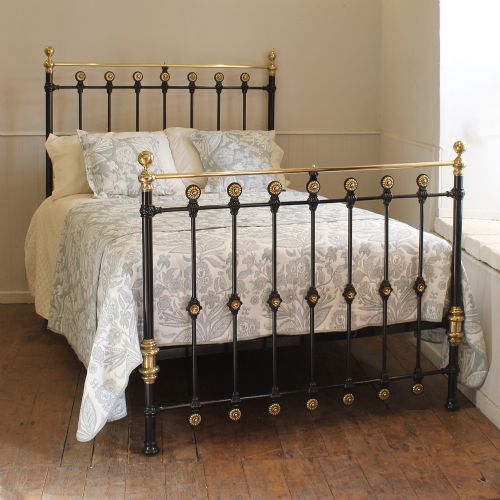
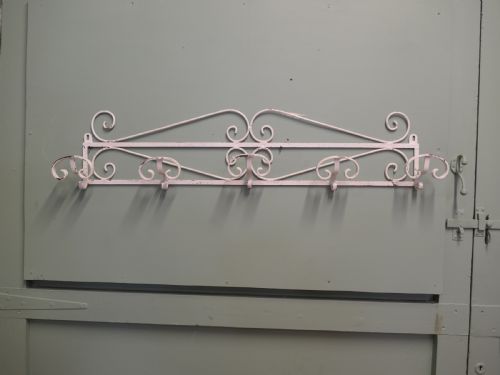
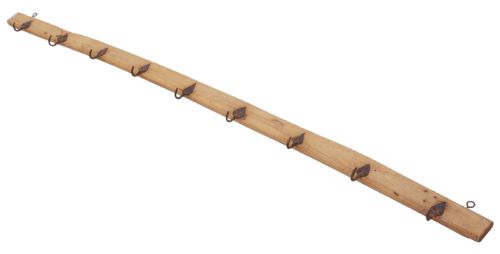
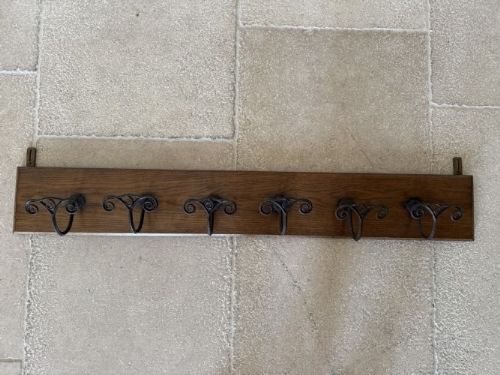
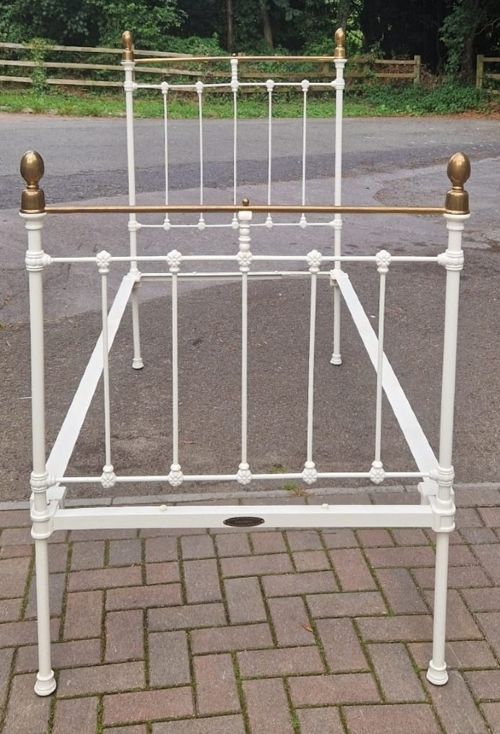
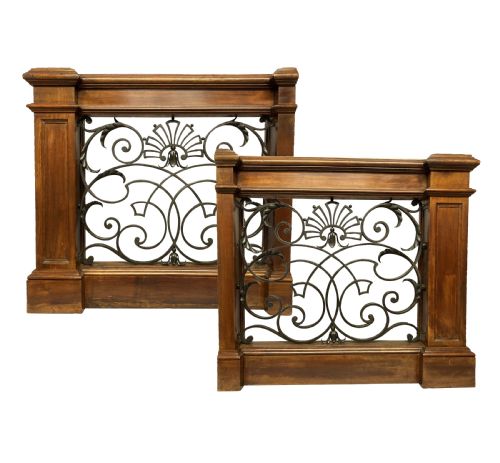
The selections on this page lean heavily toward nineteenth-century architectural panels, Victorian bed frames combining iron and brass, and Art Deco coat racks. Buyers frequently discover utilitarian items like nursery fenders and game hook racks alongside purely decorative balustrade panels.
Origins vary across English and French country traditions, with rustic styles appearing alongside formal Victorian iterations. Each object carries the marks of its original architectural or domestic context, whether salvaged from a building or adapted for interior use.
How they were made
Construction relies primarily on hand-hammered wrought iron and cast iron elements, shaped by blacksmiths and foundries. Many pieces incorporate brass components, oak backplates, or leather upholstery to soften the stark metal frames.
Techniques range from traditional forge work with scrollwork and riveted joints to cast iron framing used in decorative balustrades and bed steads. Weathered surfaces and patinated finishes reveal decades of exposure or interior use.
Vintage Wrought Iron Rail Retail Price Guide 2026
Typical asking prices for vintage wrought iron rail among the pieces listed under this phrase on Sellingantiques today, from the lower quarter to the upper quarter. They describe what is for sale here now, not the wider market.
Game hook racks once held freshly hunted pheasants in country house larders before finding new life hanging hats in modern hallways.
What varies in quality
Quality rests in the precision of the forging and the complexity of the scrollwork. Pieces featuring hand-hammered details and balanced proportions demonstrate superior craftsmanship compared to mass-produced foundry work.
The integrity of the original material defines the upper tier of pieces, where weathering has created a stable, attractive surface without compromising the structural iron. Secondary materials like seasoned oak backplates or original brass fittings elevate the overall integrity of the piece.
In the manner of Brandt
The Vintage Wrought Iron Rail Glossary
- Wrought iron
- A tough, malleable form of iron that can be heated and hammered into decorative scrolls and structural rails. This material develops a rich patina over time.
- Architectural salvage
- Building components rescued from demolition or renovation for decorative reuse. These items often include gates, panels, and balconies.
- Balustrade
- A row of vertical supports topped by a rail, frequently found in stone or iron on staircases and balconies. Antique panels are often repurposed as wall art.
- Club fender
- A low, padded seat surrounding a fireplace, traditionally constructed with a metal frame. Versions often incorporate leather seats and sturdy rails.
- Scroll panel
- An architectural metal element featuring curved, S-shaped or C-shaped iron motifs. These panels served as decorative grilles or balcony inserts.
Vintage Wrought Iron Rail: Frequently Asked Questions
What is a vintage wrought iron rail used for?
These items serve various functions depending on their original form, acting as architectural wall panels, coat racks, or structural components for beds and fenders.
Buyers often mount decorative scroll panels on walls or utilise antique rails in hallway settings for hanging coats and garments.
How do I date a wrought iron rail?
Dating relies on stylistic clues, construction methods, and material combinations such as the pairing of iron with brass or oak.
Victorian and Art Deco examples display distinct decorative motifs, whereas eighteenth-century pieces often feature simpler hand-forged joinery.
Are these rails suitable for outdoor use?
Many architectural pieces originated outdoors as balustrades or gates, though indoor items like bed frames and club fenders require protection from moisture.
Evaluating the existing weathering and iron treatment helps determine whether a piece can withstand exterior placement.
How do I mount a heavy iron rail?
Securing these heavy metal pieces requires fixing directly into solid masonry or locating the structural studs behind plaster walls.
Using appropriate fixings ensures the substantial weight of the iron and any hanging items is safely supported.