

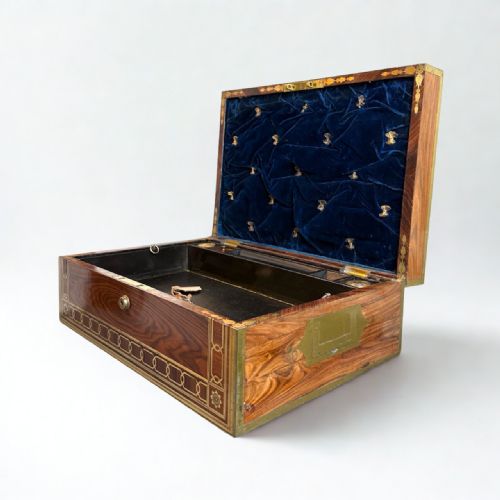


Decorative Inlaid Desk
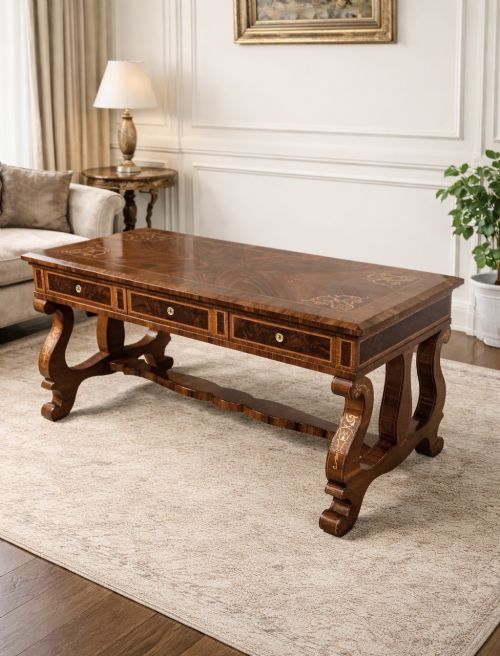
A decorative inlaid desk brings surface artistry into daily correspondence, combining fine cabinet work with meticulous contrasting wood and metal details.
Decorative Inlaid Desk
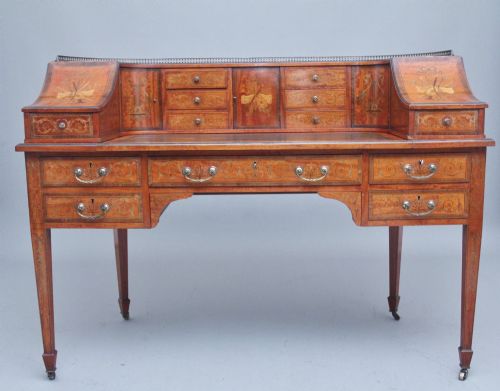
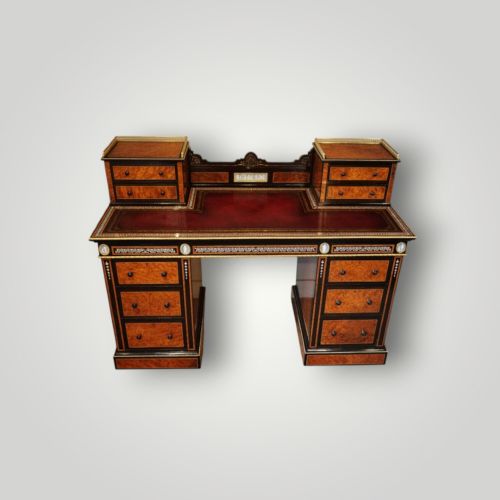
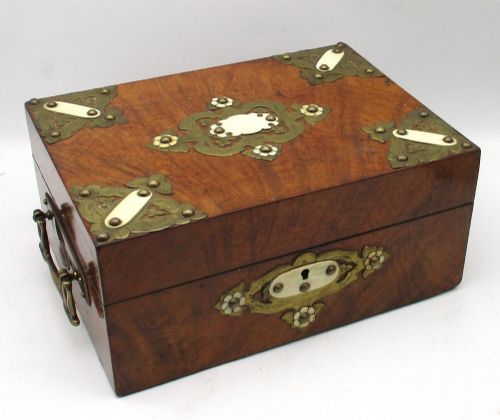
A decorative inlaid desk spans compact writing slopes, pedestal forms, and refined bonheur du jour examples across the Victorian and Edwardian eras. Buyers encounter pieces utilising rich timbers like walnut and mahogany paired with intricate contrasting work.
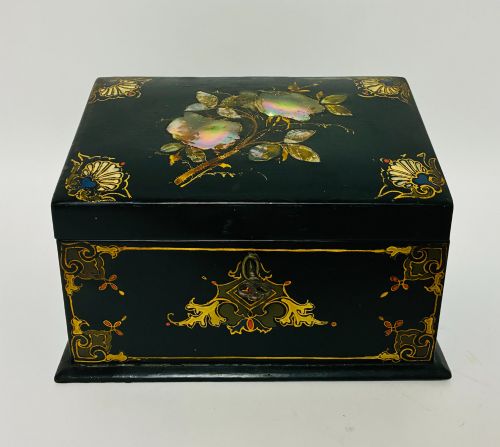
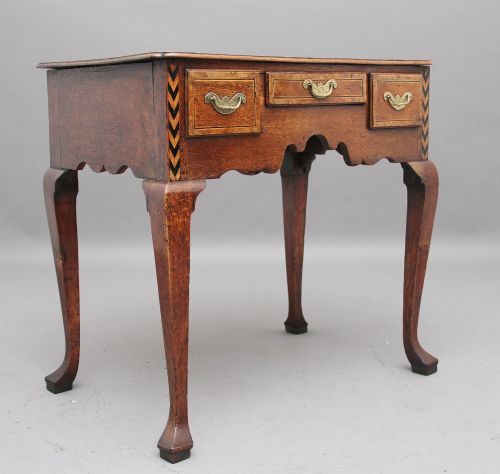
The selection extends from 18th century forms to early 20th century Continental iterations, reflecting diverse regional cabinet-making traditions. Writing desks and library tables form the core of the available pieces, often accompanied by related stationery boxes and writing boxes.
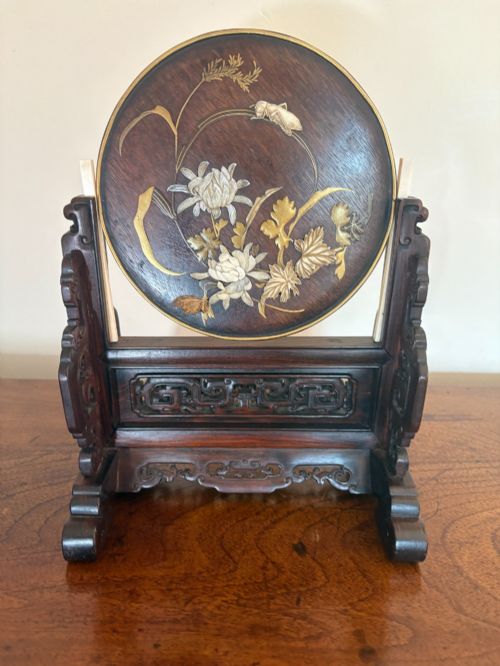
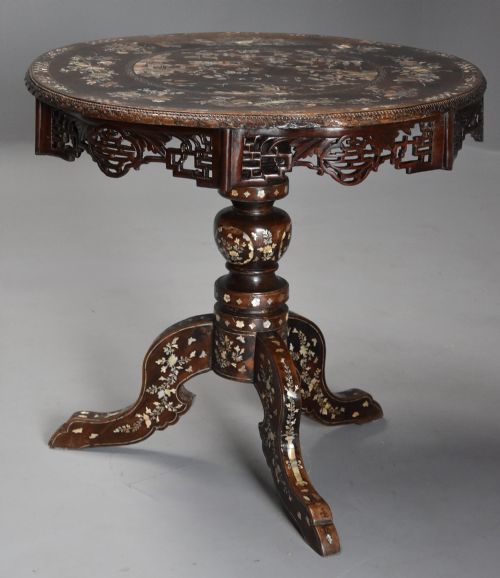
Craftsmanship adapts across periods, moving from geometric Georgian satinwood patterns to elaborate Victorian marquetry and East Asian decorative elements. Each configuration serves the traditional workspace while functioning as a distinct visual centrepiece.
Materials and Technique
Cabinet makers constructed carcass frames from substantial hardwoods like mahogany, walnut, and rosewood, applying choice veneers to primary surfaces. These foundational woods provided stable canvases for intricate surface decoration.
Inlay techniques incorporate contrasting boxwood, brass, mother-of-pearl, and bone, meticulously inserted into routed channels within the timber. Artisans secured these decorative elements using traditional animal glues and smoothed the finished planes by hand.
Marquetry compositions assemble fine pictorial veneers using varied grain directions to create naturalistic shading and perspective. Individual pieces of tinted wood, shell, or metal fit together precisely before application to the desk top.
Listings feature 19th Century, Victorian, and Edwardian pieces, incorporating materials such as brass, walnut, mahogany, mother-of-pearl, and bone.
Standards of Execution
Quality rests upon the precision of the inlay work and the harmonious integration of contrasting materials into the host timber. Sharp intersections between wood, brass, or shell indicate superior hand skill rather than mechanical production.
The choice of primary timber and veneer selection dictates the base refinement of the piece, with dense burr walnuts and figured mahoagany representing higher tiers. Secondary woods used in drawer linings and internal divisions reveal the underlying integrity of the workshop.
Sustained condition of the delicate surface plane determines the lasting success of the object. Minimal timber shrinkage and intact flush inlays separate expertly preserved examples from those requiring extensive restoration.
Jackson and Graham·C.G. Hope Hastings
The Decorative Inlaid Desk Glossary
- Marquetry
- The art of applying fitted pieces of veneer to a structural structure to form decorative patterns or pictorial scenes. This technique differs from simpler inlay by covering the entire surface with a mosaic of wood slices.
- Bonheur du jour
- A small, light lady writing desk featuring a tiered superstructure with drawers or pigeonholes above the main writing surface. The form originated in France during the eighteenth century.
- Tunbridge ware
- A specific type of woodwork characterised by tiny mosaic tiles formed from naturally coloured woods arranged to create geometric or pictorial designs. It appears frequently on Victorian boxes and slopes.
- Satinwood
- A durable tropical timber possessing a lustrous golden yellow appearance and fine grain, utilised extensively during the Georgian and Regency periods for high-status cabinet work.
- Boulle
- A style of ornate marquetry utilising brass and tortoiseshell or horn, named after the cabinet maker to Louis XIV. The technique creates rich contrasting patterns across fine furniture.
Decorative Inlaid Desk: Frequently Asked Questions
How do I clean an inlaid desk surface?
Maintain the wood and inlay using traditional microcrystalline wax applied sparingly with a soft cloth. Avoid liquid polishes and modern sprays that can seep beneath lifted brass or wood elements.
Keep the desk away from direct sunlight and steady heat sources to prevent timber shrinkage and subsequent loosening of delicate mother-of-pearl or bone inserts.
What is the difference between a writing slope and a desk?
A writing slope is a portable portable box with a hinged sloping lid that opens to reveal a writing surface and internal storage compartments for paper and ink. They were designed to sit upon ordinary tables.
A desk provides an integrated standing or sitting structure with fixed legs, drawers, and an expansive work surface built as a single unified piece of furniture.
How do I date an inlaid desk?
Examine the secondary woods used inside drawers, such as oak or pine, alongside the construction methods of the carcass and joints. Hand-cut dovetails and specific fastener types provide reliable chronological markers.
Cross-reference the prevailing decorative style, whether Regency brass stringing or Victorian walnut marquetry, with the characteristic materials recorded in the specific period.
Can I use a vintage inlaid desk daily?
These pieces accommodate regular writing and laptop use provided you protect the delicate veneered and inlaid surface. Utilising a suitable desk blotter prevents accidental scratches to the polished timber top.
Ensure that interior compartments and writing flaps are operated with care to preserve historic hinges and original wooden stops against undue strain.