



Decorative Glass Urn
A decorative glass urn brings weight and colour to a room, offering a sculptural silhouette rooted in classical form.
Decorative Glass Urn
A decorative glass urn combines sculptural vessel forms with glassmaking techniques spanning the Victorian era through the Art Nouveau and Art Deco periods. These pieces serve primarily as ornamental focal points rather than functional containers, often featuring classical proportions derived from ancient pottery.
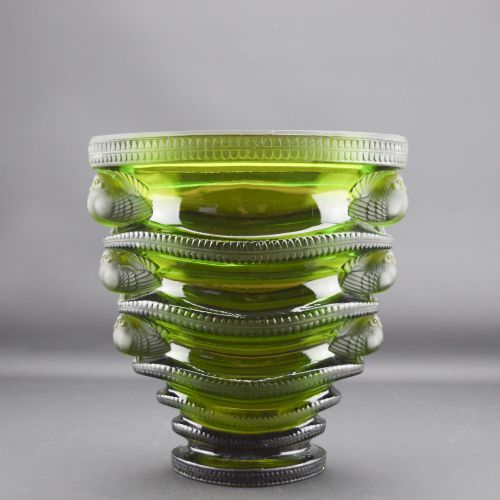
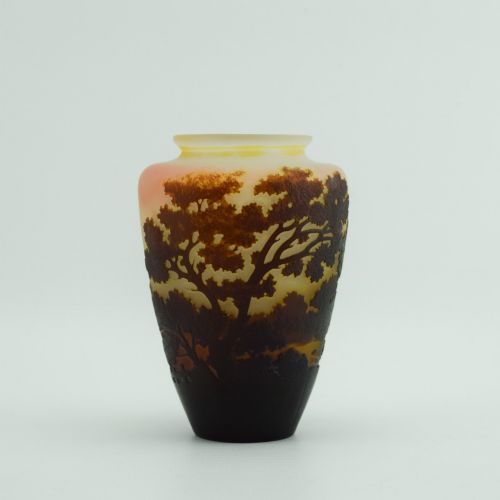
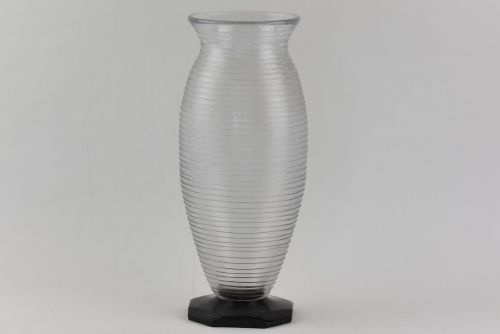
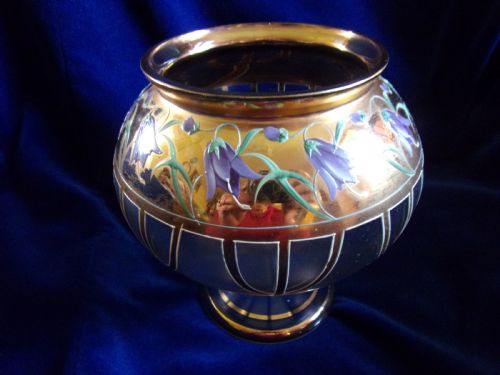
Buyers encountering this search phrase find diverse manifestations, ranging from moulded glass vessels to cameo glass and enameled creations. Forms shift from classical campana silhouettes to organic tapered vases, reflecting the changing tastes of nineteenth and twentieth-century makers.
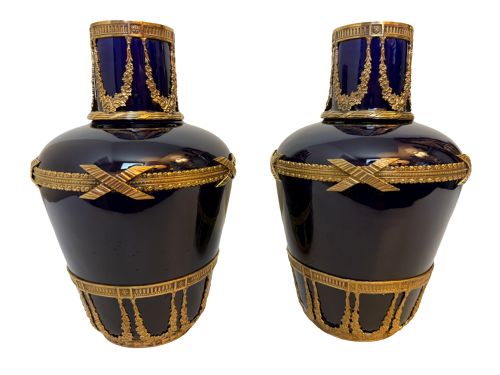
The selection includes pieces associated with specific stylistic movements like French Empire, Neoclassical Revival, and Traditional Classical alongside organic Art Nouveau designs. Production origins stretch across European workshops, incorporating British, French, Bohemian, and Italian artistry.
Materials and construction methods
Makers utilised various glass types including frosted glass, cobalt glass, opaline glass, and cameo glass, often combining them with metal mounts such as ormolu, pewter, silver, or giltwood. Techniques involved free-blowing, mould-blowing, and cameo layering where multiple glass strata were carved away to reveal contrasting colours.
Surface ornamentation required specialised skills, encompassing enamel painting, gilding, acid etching, and cameo carving. Workshops also applied pewter overlays or mounted glass bodies onto alabaster and gilt bases to complete the composition.
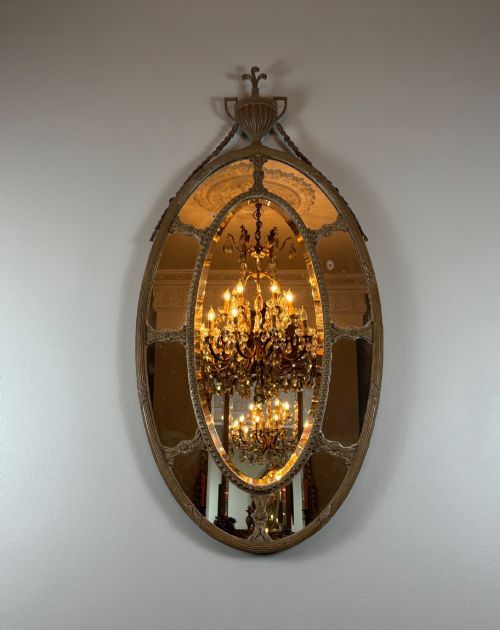
Gypsy mirrors and fruit lamps sneak into the glass listings, proving nineteenth-century homes welcomed any excuse for colourful reflection.
Assessing craftsmanship and execution
Quality rests in the precision of the glass cutting, the depth and clarity of cameo relief carving, and the sophistication of enamel application. Superior examples demonstrate crisp definition in moulded motifs and harmonious integration of metal mounts with the glass body.
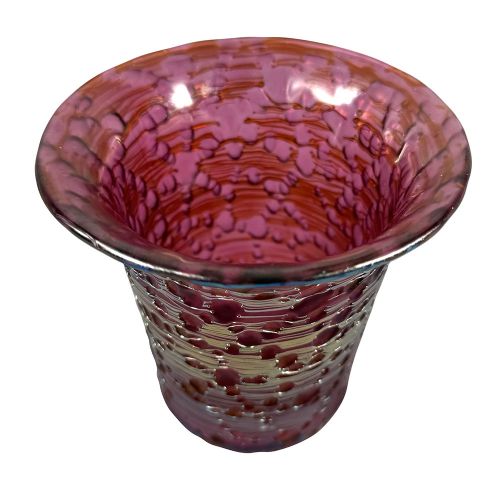
The reputation of the atelier or maker heavily influences standing, with documented works by prominent glasshouses commanding greater attention for their artistic innovation. Execution in handling difficult mediums like iridescentFavrile or multi-layered cameo glass marks the upper tier of production.
Rene Lalique·Pallme Konig·Galle·Daum·Thomas Webb and Sons·Loetz·LCT Tiffany
The Decorative Glass Urn Glossary
- Cameo glass
- A vessel formed of two or more fused layers of contrasting colours, where portions of the outer layer are carved away to create raised designs. This demanding technique requires immense precision from the glass artisan.
- Campana urn
- A bell-shaped vessel with a footed base, derived from ancient Roman pottery forms. This classic silhouette appears frequently in nineteenth-century decorative pieces.
- Opaline glass
- An opaque or translucent glass developed in France, typically appearing in pale pastel shades. It gained popularity during the Victorian era for decorative vases and mantel accessories.
- Iridescent glass
- Glass treated with metallic salts while hot to produce a shimmering, rainbow-like surface effect. This finish became a defining characteristic of Art Nouveau design.
- Ormolu
- Gilded bronze used for mounts, feet, and decorative trims on nineteenth-century glass objects. It adds structural support and contrasting metallic brilliance to the glass body.
Decorative Glass Urn: Frequently Asked Questions
How do I identify Art Nouveau pieces?
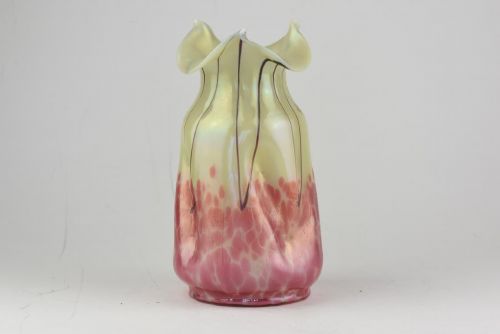
Art Nouveau examples typically feature organic motifs such as flowers, vines, and flowing natural lines. Look for iridescent finishes, undulating forms, and surface treatments like pewter overlays or cameo carving.
Many pieces from this period reflect the influence of major glasshouses and experimental techniques designed to mimic natural phenomena.
Were these urns used for flowers?
While some larger vessels functioned as vases for arrangements, many decorative urns were created strictly as ornamental objects. Their elaborate metal mounts, delicate cameo glass, or narrow mouths often precluded practical horticultural use.
Instead, they were intended to showcase the technical skill of the glassmaker and enhance interior decor as standalone sculptures.
How should I display my urn?
Display these pieces on sturdy surfaces where adequate lighting can highlight the qualities of the glass, such as iridescence, cameo relief, or internal colour depth. Placing them away from direct foot traffic protects delicate elements like metal mounts or fragile rims.
Pairing a glass urn with complementary antiques or placing it against a neutral background allows the form and colour to remain the primary focus.