


Decorative Gilt Bronze
Decorative gilt bronze objects bring warmth and nineteenth-century French architectural splendour to interiors through finely cast metalwork and rich gilding.
Decorative Gilt Bronze
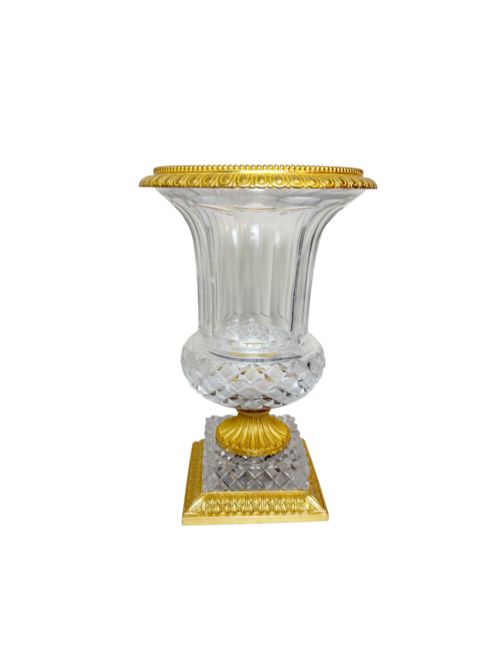
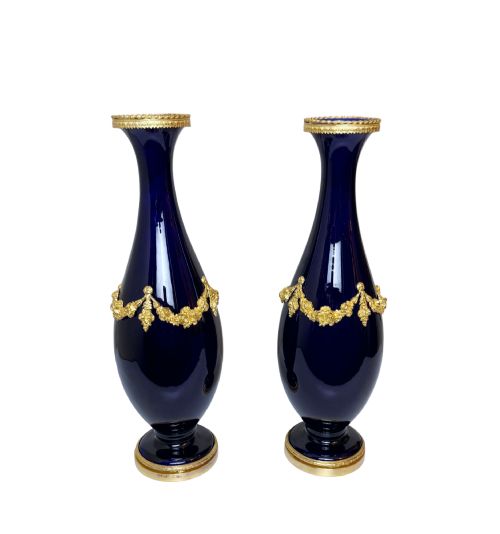
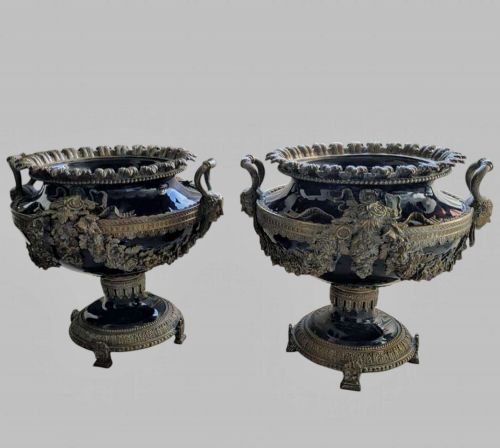
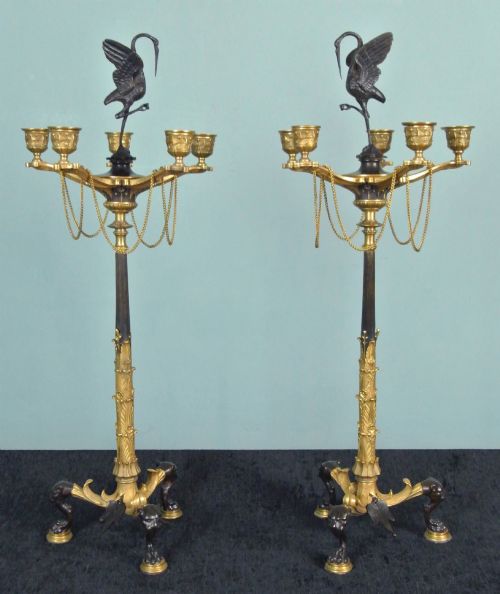
Decorative gilt bronze items encompass ornamental accessories such as mantel clocks, candelabra, centrepieces, wall lights and vases created primarily during the nineteenth century. These objects frequently combine cast metal with porcelain, enamel, marble or glass to produce decorative fittings for grand interiors.
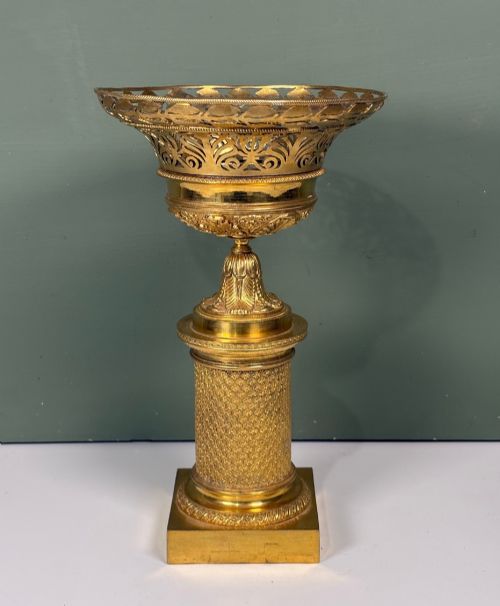
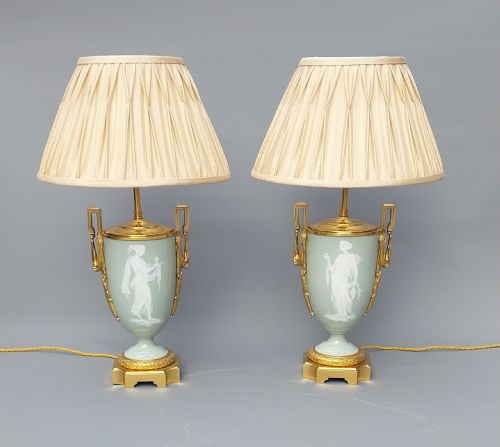
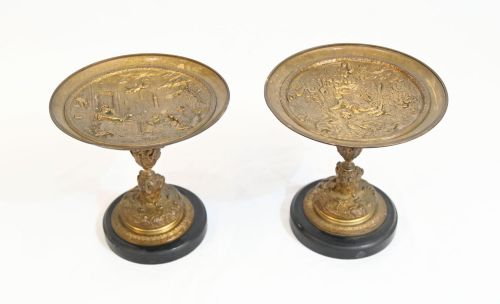
French workshops dominate the selection, producing works in styles ranging from Rococo Revival and Neoclassical to Empire. Buyers encounter functional ornamental items, including wall lights and table lamps, alongside purely decorative sculptures and tazzas.
How they were made
Maker's workshops cast bronze using traditional techniques before applying mercury gilding or ormolu to achieve a bright, durable golden surface finish. This metalwork is frequently combined with glass, champlevé enamel or imported porcelain panels.
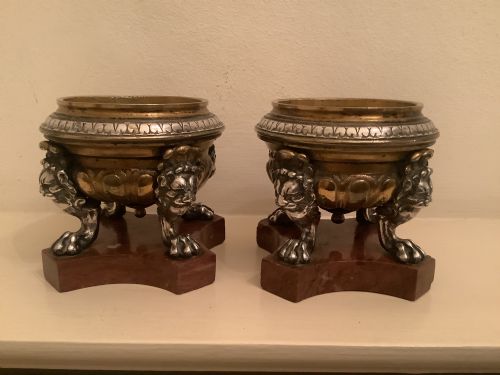
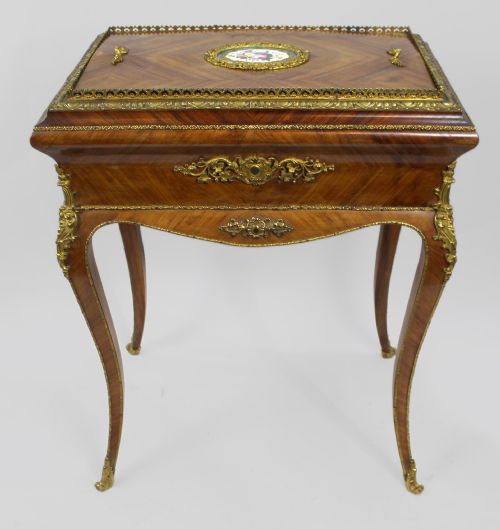
Craftsmen mounted these bronze elements onto marble bases or incorporated them as structural mounts on wood furniture and ceramic bodies. The resulting pieces demonstrate a high degree of collaboration between metalworkers, founders and ceramic decorators.
Decorative Gilt Bronze Retail Price Guide 2026
Typical asking prices for decorative gilt bronze among the pieces listed under this phrase on Sellingantiques today, from the lower quarter to the upper quarter. They describe what is for sale here now, not the wider market.
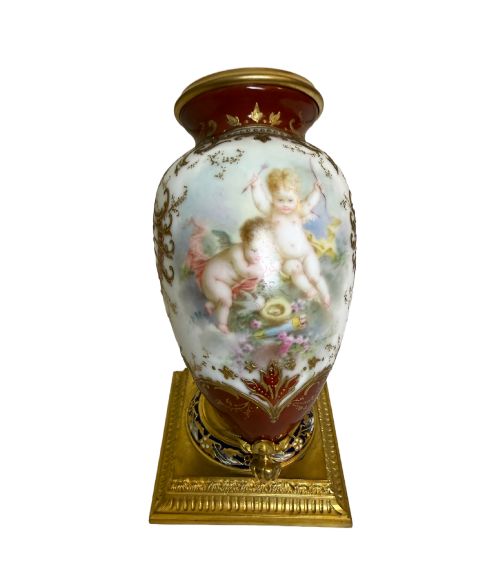
Several items combine classical gilt bronze mounts with unexpected motifs, including flamingos and musical triangles played by tiny cherubs.
What varies in quality
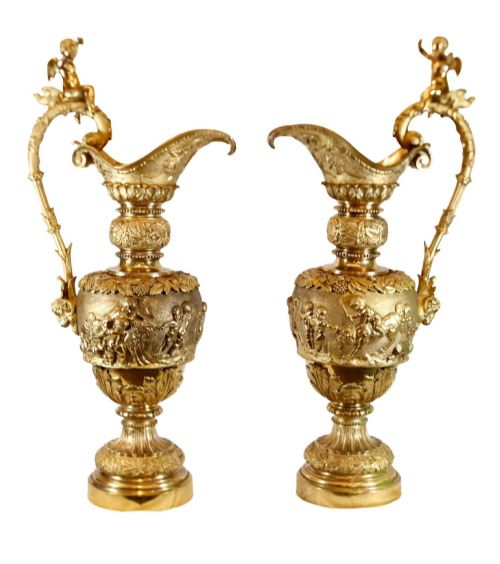
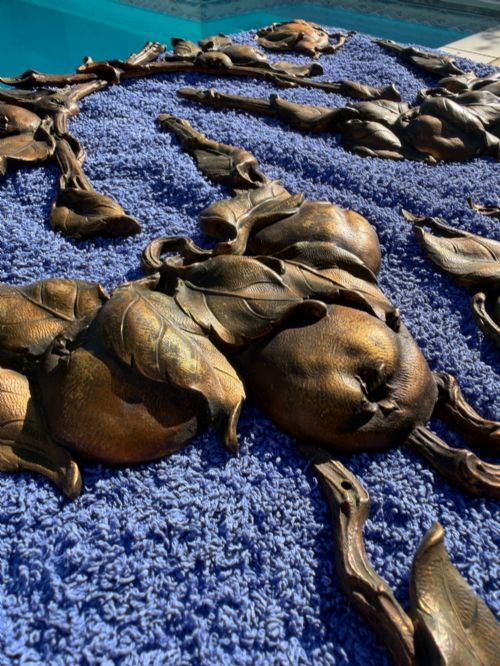
Quality in these pieces rests upon the crispness of the bronze chasing, where sharper, deeper tool work defines the facial expressions of figures and the intricate foliage of floral motifs. Castings that retain their original depth without softening during cleaning display superior craftsmanship.
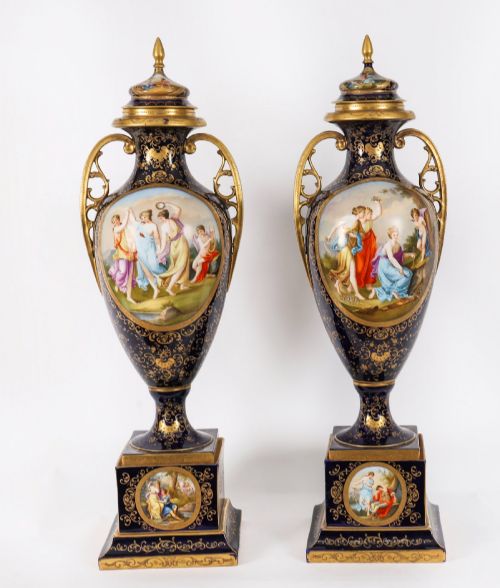
The integration of secondary materials also dictates standard, with high-tier examples uniting gilt bronze mounts to quality Sevres porcelain, champlevé enamel or carved marble bases without misalignment. Heavier gauge bronze components indicate more substantial material use by the original workshop.
Poix Blin·Barbedienne·Henry Marc·Siffel and Cartier·Hans Müller·Pierre Philippe Thomire·Henri Godet
The Decorative Gilt Bronze Glossary
- Ormolu
- A gilded bronze finish achieved through the application of a mercury and gold amalgam, or modern electroplating, onto a cast bronze base. This technique produces the characteristic golden sheen seen on nineteenth-century French mounts.
- Champlevé
- An enamelling technique where troughs are dug into the surface of the bronze and filled with coloured glass powder before firing. The resulting patterns sit flush with the metal framework.
- Candelabra
- Branched lighting fixtures designed to hold multiple candles, frequently cast in gilt bronze and standing upon decorative pedestals. They often feature classical motifs derived from French Empire and Rococo styles.
- Jardinière
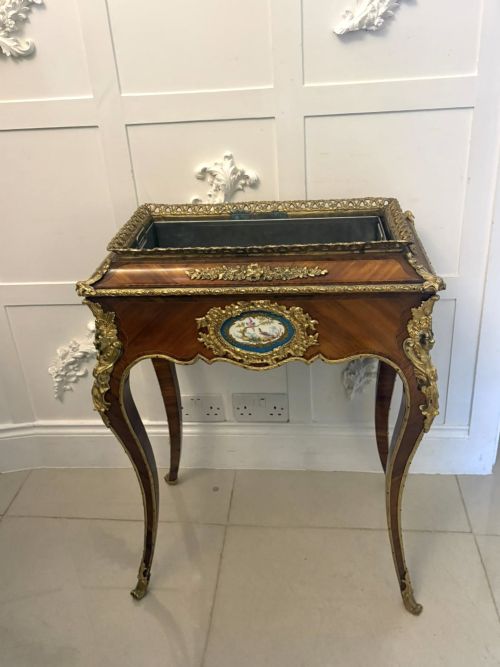
- A decorative container or stand designed to hold indoor plants or floral arrangements, often incorporating porcelain plaques and gilt bronze mounts. They were popular accessories in Victorian and nineteenth-century drawing rooms.
Decorative Gilt Bronze: Frequently Asked Questions
What is decorative gilt bronze?
Decorative gilt bronze refers to cast bronze objects coated in a gold finish, which were produced extensively throughout the nineteenth century.
These items include mantel clocks, wall lights, vases and architectural mounts designed to adorn formal rooms.
How do I clean gilt bronze?
Gilt bronze requires gentle dusting with a soft brush to protect the delicate golden surface layer from abrasion.
Harsh chemical polishes must be avoided entirely because they strip away the historic mercury gilding or ormolu finish.
How can I date these pieces?
Dating relies on identifying stylistic markers such as Rococo Revival curves or Empire classical symmetry recorded in nineteenth-century design vocabulary.
Maker signatures, stamp marks on the bronze, and the integration of materials like champlevé enamel also help narrow the period.
Were these items functional?
Many gilt bronze pieces served a practical purpose in period interiors as lighting devices, clocks, mirrors and serving dishes.
Other examples, such as sculptures, tazzas and decorative vases, existed solely to display wealth and artistic taste.