
Decorative French Gilt Mirror
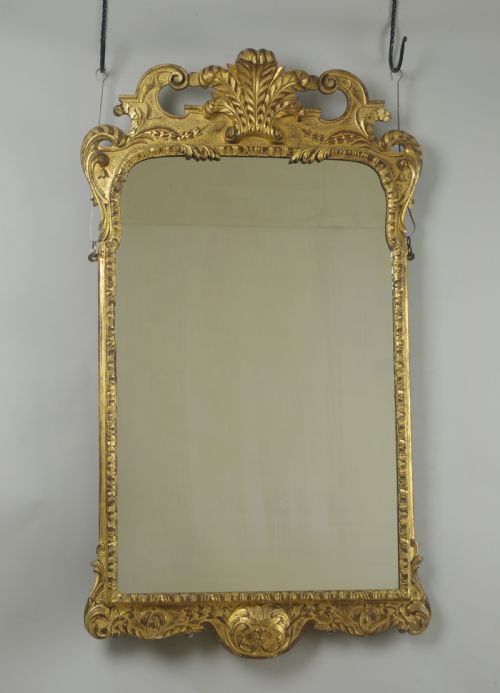
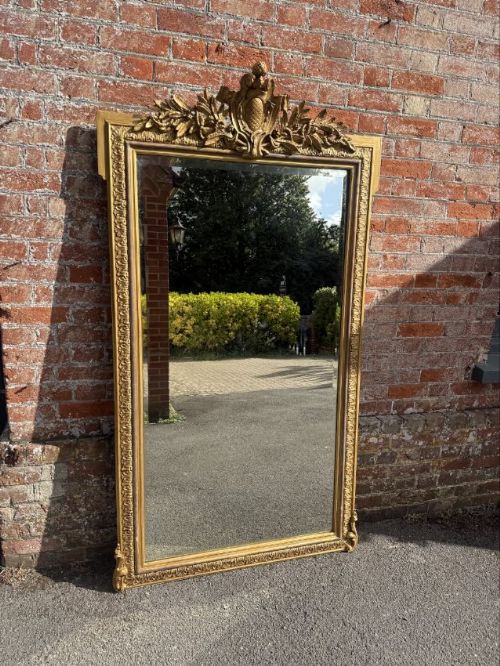
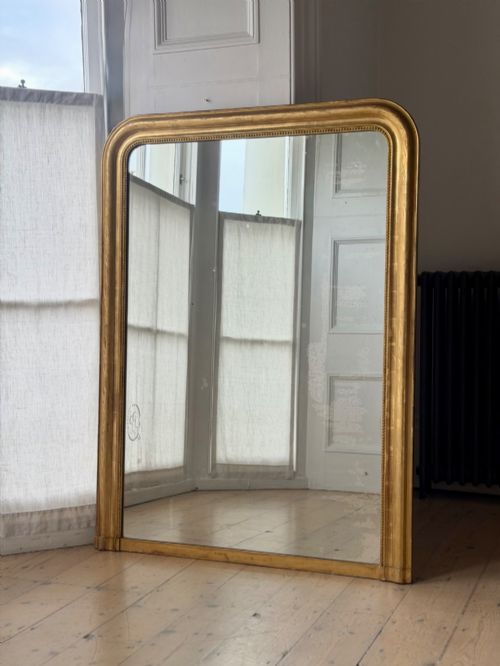
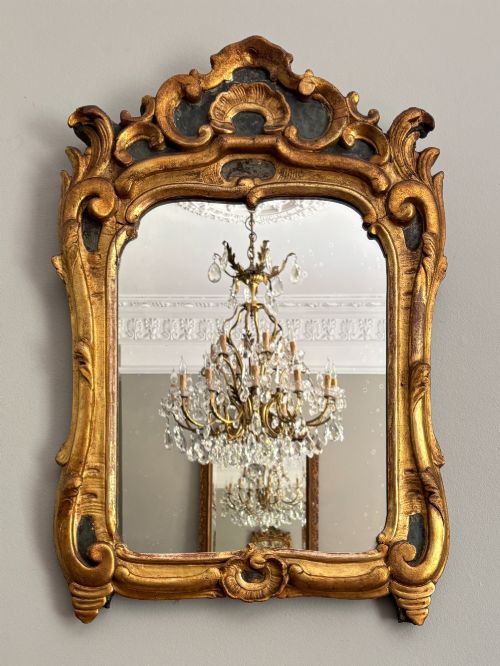
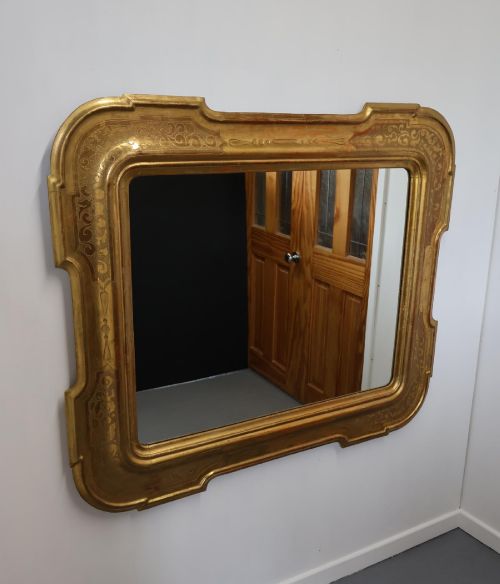
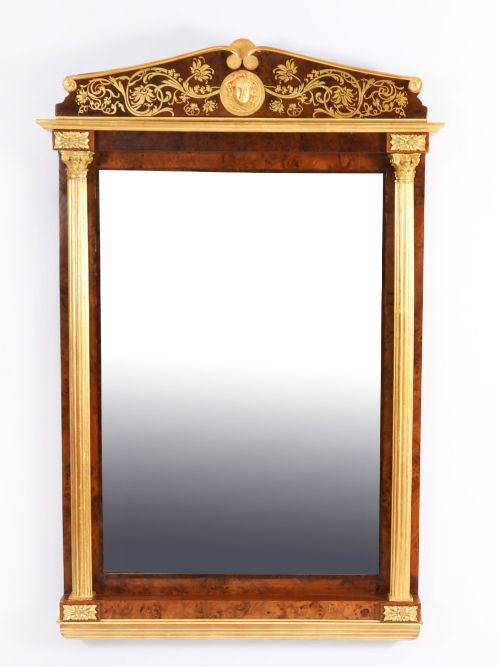
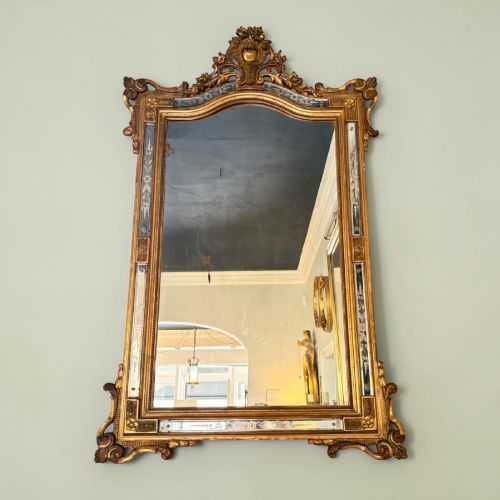
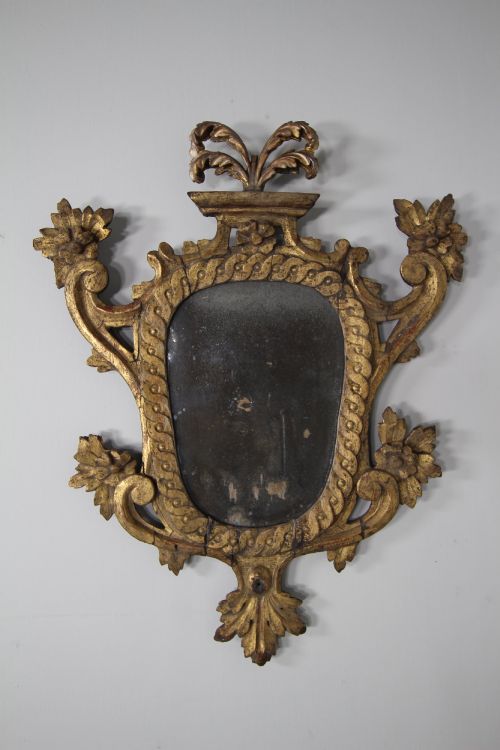
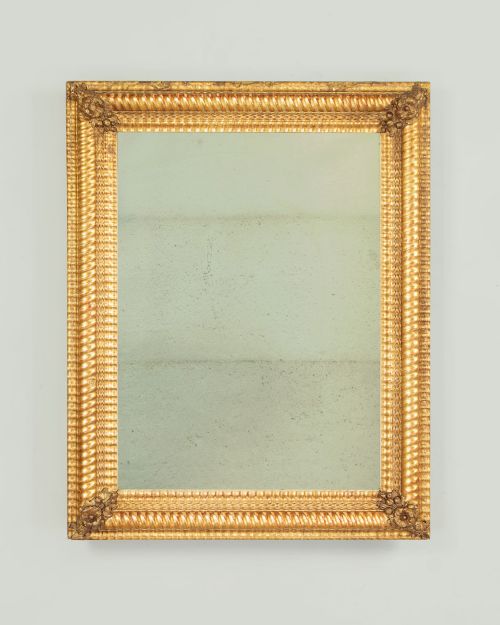
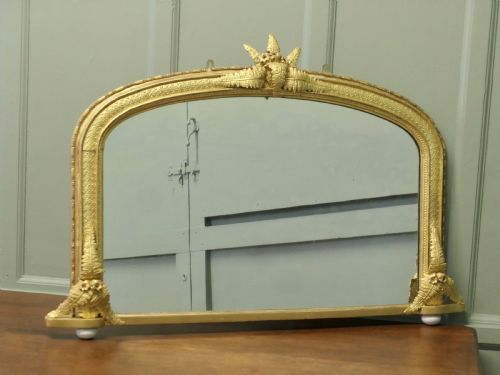
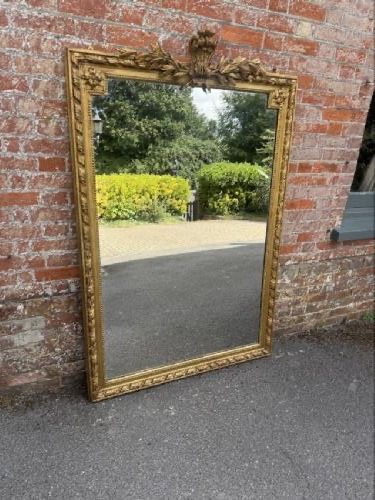
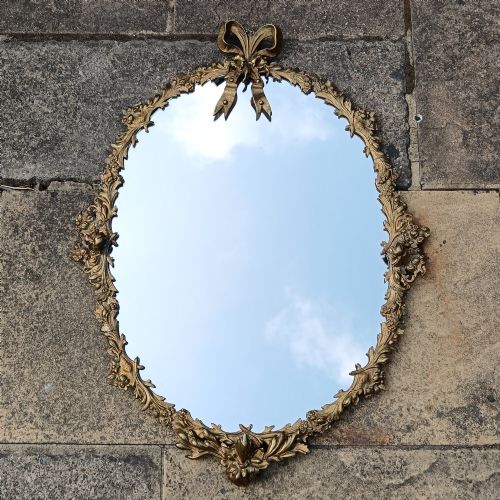
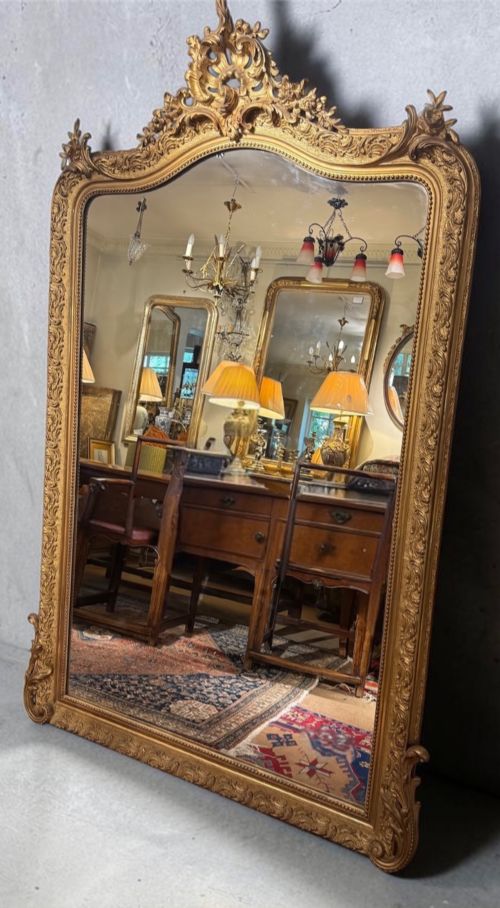
When choosing a decorative french gilt mirror, you select from nineteenth-century wall, overmantel, and trumeau forms shaped by rococo and neoclassical revivals.
Decorative French Gilt Mirror
A decorative french gilt mirror brings nineteenth-century salon grandeur into domestic spaces through elaborate carved frames and expansive glass plates. These objects span monumental overmantels designed for nineteenth-century mantelpieces, tall pier mirrors, and intimate wall-hanging forms.
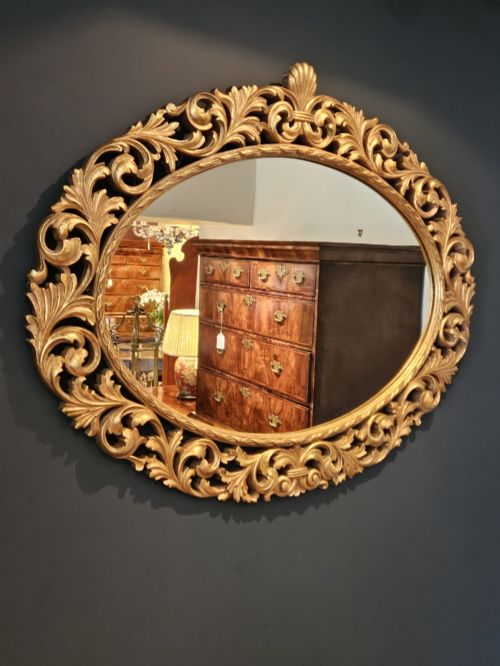
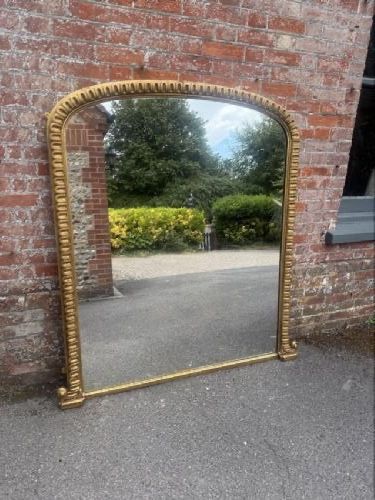
The selection here draws heavily on nineteenth-century French production, encompassing Louis XVI style revivals and exuberant French rococo designs. Buyers frequently encounter shaped crests, arched tops, and cushion frames alongside painted accents that soften the heavy metallic finish.
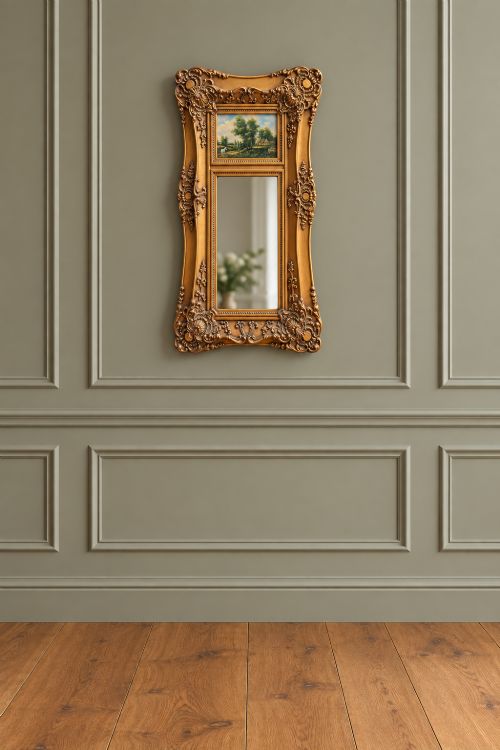
Beyond standard wall mirrors, the category includes specialised marriage mirrors and trumeau panels fitted with painted woodwork. These diverse formats share a common reliance on gilded surfaces to capture and multiply ambient light within a room.
How they were made
Traditional workshops constructed these frames using timber bases overlaid with gesso, a plaster mixture applied to create smooth surfaces for carving and gilding. Artisans modelled intricate scrolls, floral garlands, and cresting directly into the pliable gesso layer before finishing.
Gilding was achieved by applying thin sheets of gold leaf or silver leaf to the prepared ground, often burnished to high shine or distressed for subtle texture. Many examples incorporate painted elements, combining cream, black, or burnt red pigments with parcel-gilt detailing.
Some frames incorporate hidden vine leaves that peek out from behind gilded scrolls, rewarding close inspection with unexpected botanical detail.
What varies in quality
Quality rests primarily in the crispness and depth of the carved woodwork and gesso enrichment, where hand-modelled foliage and scrolls outshine flat, cast ornament. Superior examples maintain original gold leaf surfaces that age with a warm, uneven patina rather than sterile modern metallic paint.
The integrity of the structural joinery and the presence of original glass plates also separate exceptional items from routine stock. Frames retaining their original carved crests and undisturbed backboards command greater attention from discerning collectors.
The Decorative French Gilt Mirror Glossary
- Gesso
- A prepared mixture of plaster of Paris and glue used as a base for moulding decorative relief details on wooden frames. This material takes crisp carved lines before gilding.
- Giltwood
- Timber that has been coated with gold leaf or metal leaf. It provides the signature metallic brilliance seen across nineteenth-century decorative frames.
- Trumeau mirror
- A decorative wall mirror combined with a painted panel or oil painting above the glass plate. These architectural elements originated in eighteenth-century French interior design.
- Overmantel mirror
- A wide mirror specifically proportioned to hang above a fireplace mantel. They frequently feature arched tops or elaborate cresting designed to fill tall wall spaces.
- Parcel-gilt
- A decorative treatment where only specific raised portions of a frame are gilded while the rest is painted or ebonised. This technique highlights carved details through contrast.
Decorative French Gilt Mirror: Frequently Asked Questions
How do I hang a heavy overmantel mirror?
Heavy overmantel mirrors require secure wall fixings anchored directly into masonry or substantial timber studs to support their considerable weight safely. Professional mirror brackets distribute the load evenly across the frame structure.
Because nineteenth-century frames incorporate dense wood and plaster gesso, checking the integrity of the original hanging loops before installation is essential.
How do I identify a Louis XVI style mirror?
Louis XVI style mirrors display neoclassical restraint, featuring straight lines, symmetrical proportions, architectural mouldings, and classical motifs like bead-and-reel or ribbon twists. This aesthetic contrasts sharply with the asymmetrical curves of earlier rococo designs.
Craftsmen often combined gilt finishes with painted white or cream surfaces to emphasise these geometric frameworks.
Should I replace original mirror glass?
Original mirror glass often exhibits foxing, dark spots, and distortion that reflect centuries of age and authenticity. Many collectors prefer retaining these minor imperfections as proof of historical integrity.
Replacement glass is usually reserved for plates that are severely cracked or where reflection is completely obscured by silver loss.