
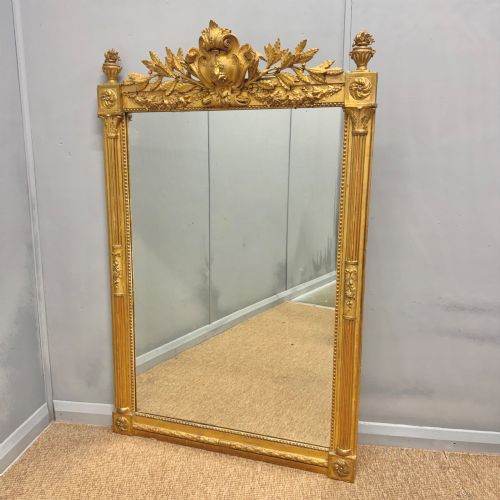
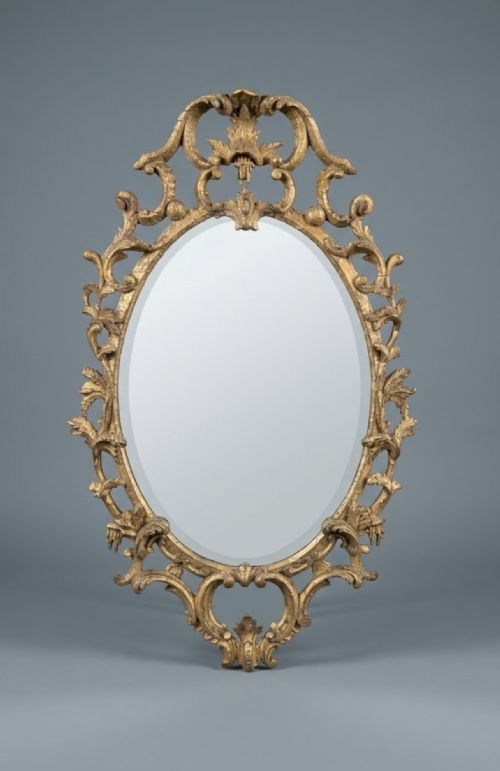
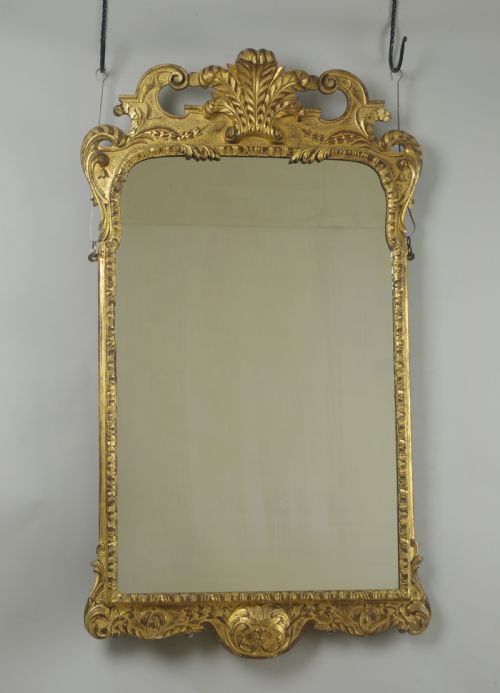
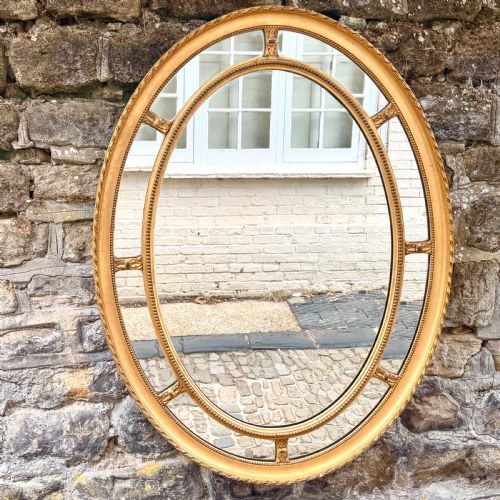
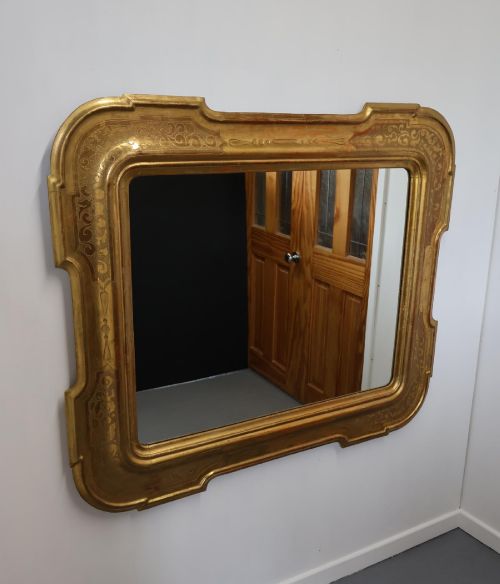
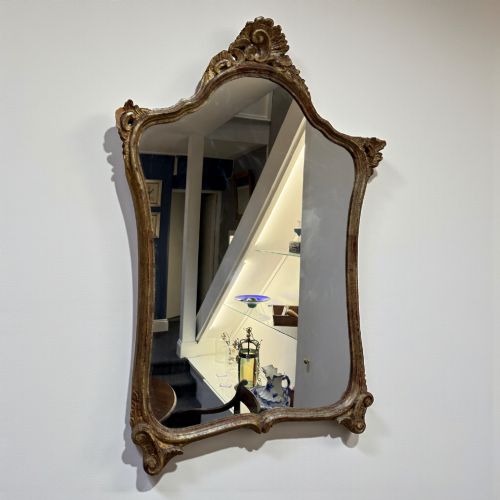
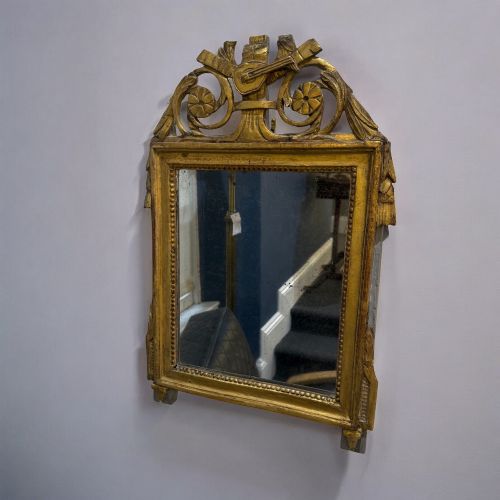
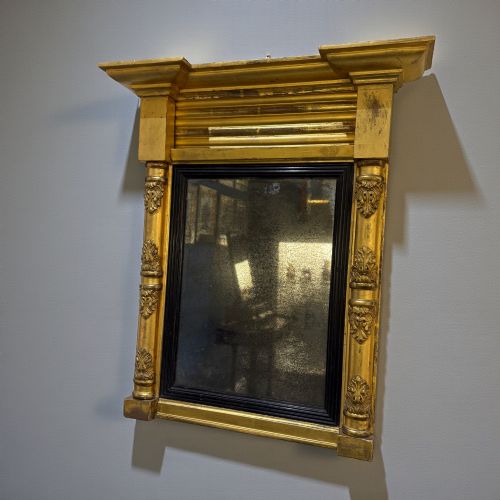
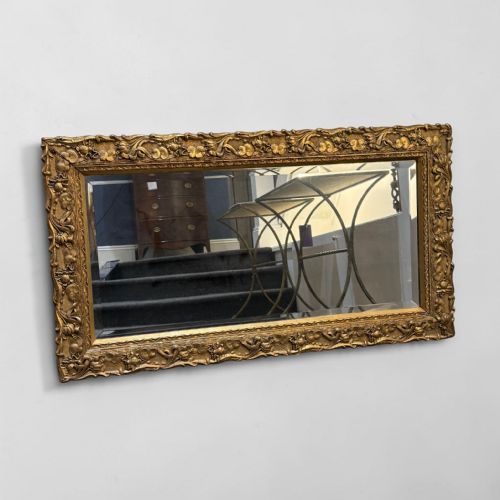
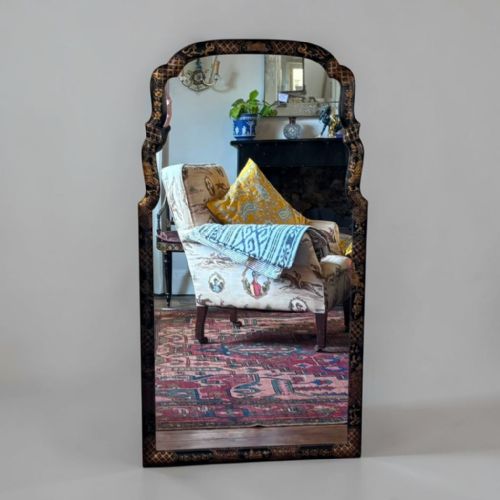
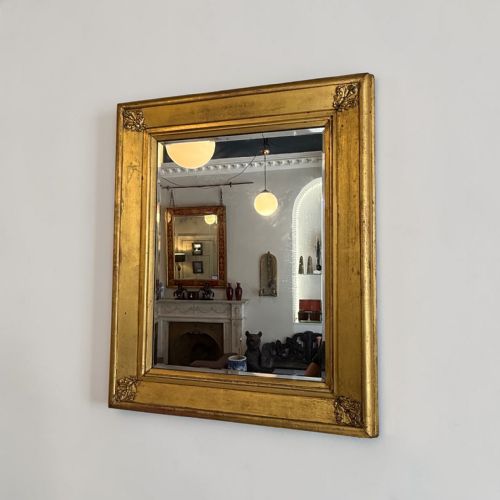
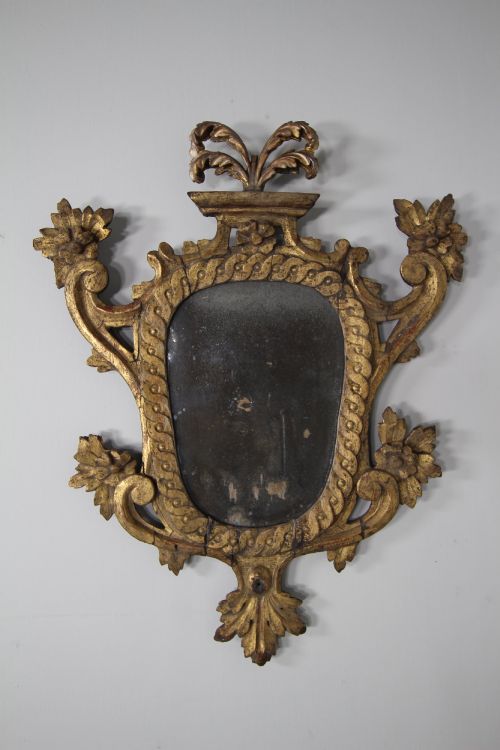
Gold Wall Hanging Mirror
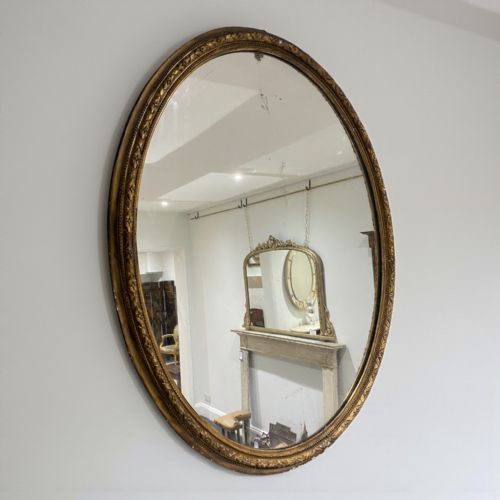
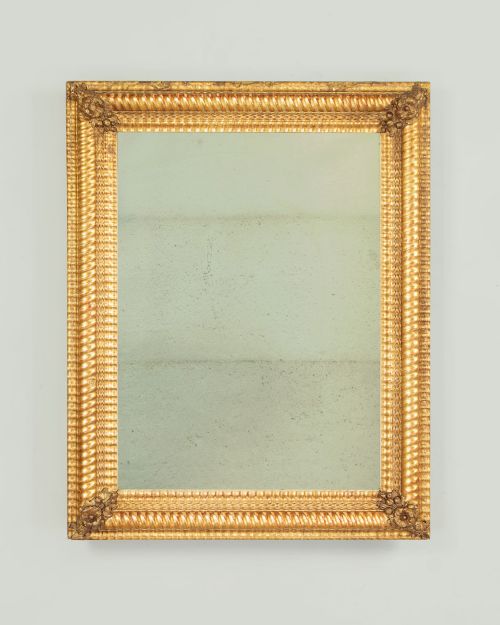
A gold wall hanging mirror brings warmth and reflective depth to a room, drawing the eye with carved gilt frames and antique glass plates.
Gold Wall Hanging Mirror
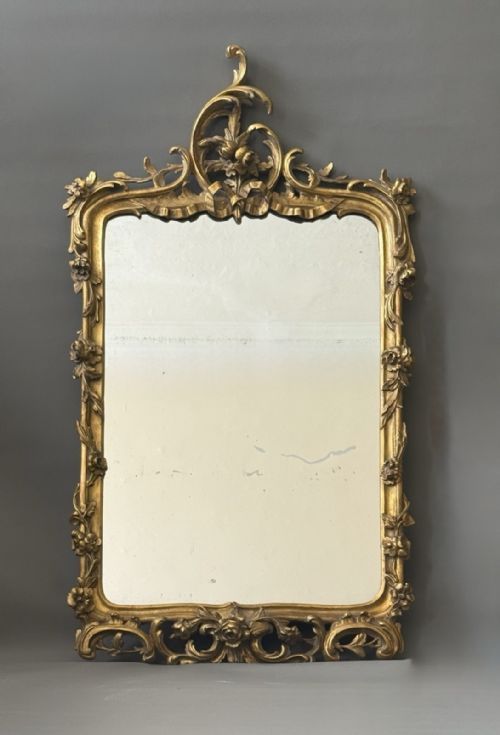
When you search for a gold wall hanging mirror, you encounter centuries of decorative design, ranging from restrained Georgian walnut pieces to ornate Victorian gesso frames. The selection on this page leans heavily toward nineteenth-century French and Italian examples, alongside eighteenth-century rococo survivals.
These pieces primarily take the form of wall mirrors and overmantles, though occasional wall shelves and console tables appear. You will find rectangular, oval, and trapezoidal formats designed to command a hallway or sit above a fireplace.
Materials and construction
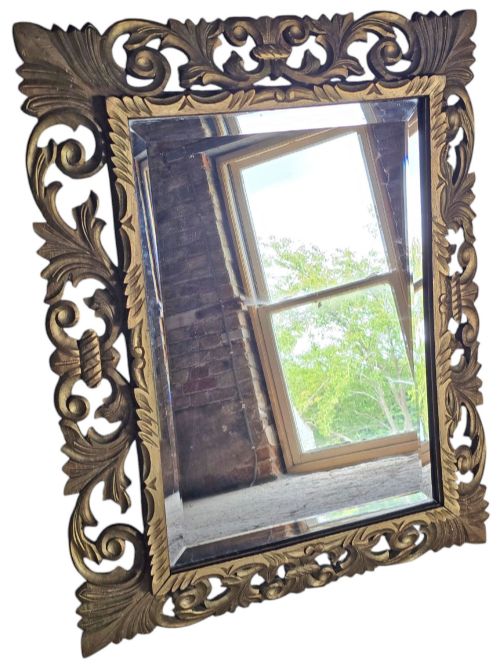
Carved timber and gesso provide the foundation for most frames, allowing artisans to shape intricate floral vines, mythological carvings, and scrollwork. Composition material is also utilised alongside wood for moulded decorative elements.
Gilding is applied using gold leaf or silver-gilt, adhered to the prepared frame to create a luminous metallic surface. The reflective elements utilise antique glass plates, sometimes bevelled or engraved.
Among the historical frames sits a curious Freemasons Masonic mirror, proving that even reflection has its secret societies.
Assessing quality
The depth and clarity of the hand-carving dictate the distinction between standard production and masterwork frames, particularly in rococo revival and Florentine pieces. Crisp undercut foliage and sharply defined motifs demonstrate superior artisan skill compared to soft, cast composition details.
The preservation of the original gilt surface and the character of the mirror plate itself determine the visual weight of the piece. Authentic age shows in the foxing and subtle oxidation of the glass rather than uniform modern reflection.
The Gold Wall Hanging Mirror Glossary
- Giltwood
- Timber that has been coated with gold leaf or powder. This technique provides a durable and rich metallic finish that ages with a warm patina.
- Gesso
- A plaster-like mixture applied to wood frames as a base for gilding. It allows craftsmen to carve and mould intricate relief decorations before applying gold leaf.
- Overmantle
- A large mirror designed to hang specifically above a fireplace mantelpiece. These pieces often span horizontal proportions to reflect the width of the hearth.
- Rococo
- An exuberant eighteenth-century design style characterised by asymmetrical scrollwork, C-scrolls, and naturalistic shell motifs. It heavily influences many nineteenth-century revival frames.
- Antique plate
- The original glass mirror sheet retained within an older frame. It often displays characteristic distortions, silvering losses, and age spots.
Gold Wall Hanging Mirror: Frequently Asked Questions
How do I hang a heavy giltwood mirror safely?
Heavy frames require secure wall fixings anchored directly into masonry or substantial timber studs. Professional mirror hangers utilise heavy-duty brackets that distribute the weight evenly.
Avoid relying on simple picture wire for substantial overmantle frames. Using a mirrored cleat system ensures the piece sits flush and secure against the wall.
What is the difference between gesso and carved wood?
Carved wood involves shaping the actual timber foundation using chisels and gouges to create the frame structure and motifs. Gesso is a plaster mixture applied over wood or composition bases to build up smooth surfaces for detailed moulding.
Many antique frames combine both techniques, using carved timber for the main structure and applied gesso for intricate surface ornament.
How should I clean an antique gold mirror?
Dust the gilt frame gently with a soft, dry brush to prevent damage to the delicate gold leaf layer. Moisture can lift old gesso and gilding, so avoid wet cleaning products on the frame entirely.
Clean the glass plate sparingly using a cloth slightly dampened with distilled water or a mild glass cleaner. Ensure no liquid drips down onto the wooden or gesso edges.
How do I date a gold wall mirror?
Examine the construction methods visible on the reverse of the frame, including joinery, timber type, and backing boards. Tool marks and nail types offer strong clues to the period of manufacture.
Stylistic cues such as the asymmetry of rococo revival or the neoclassical symmetry of Adam revival provide further chronological context. The characteristics of the glass plate also assist in confirming age.