


Decorative Folk Art
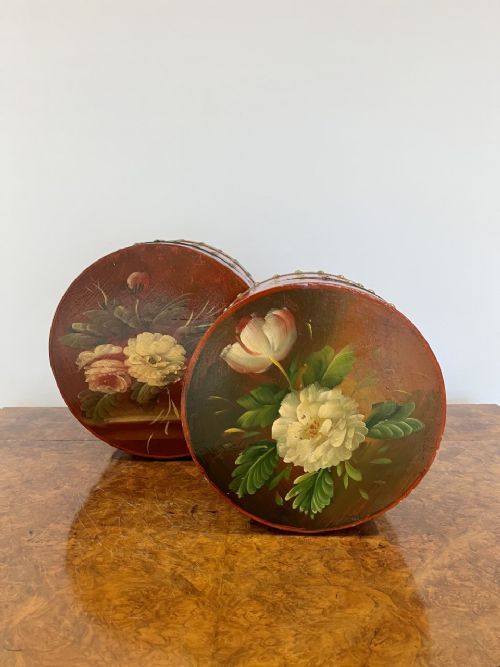
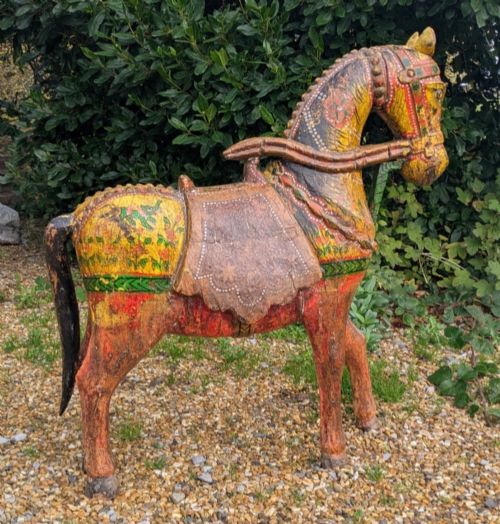
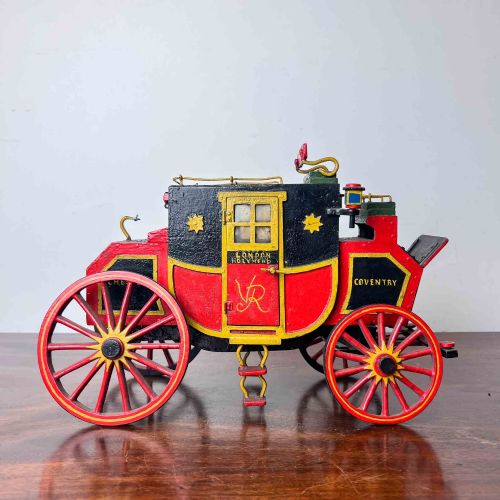
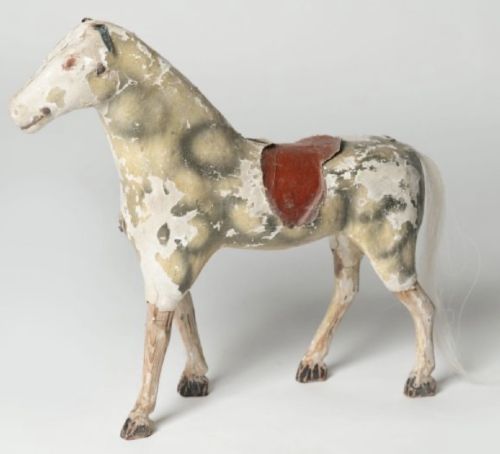
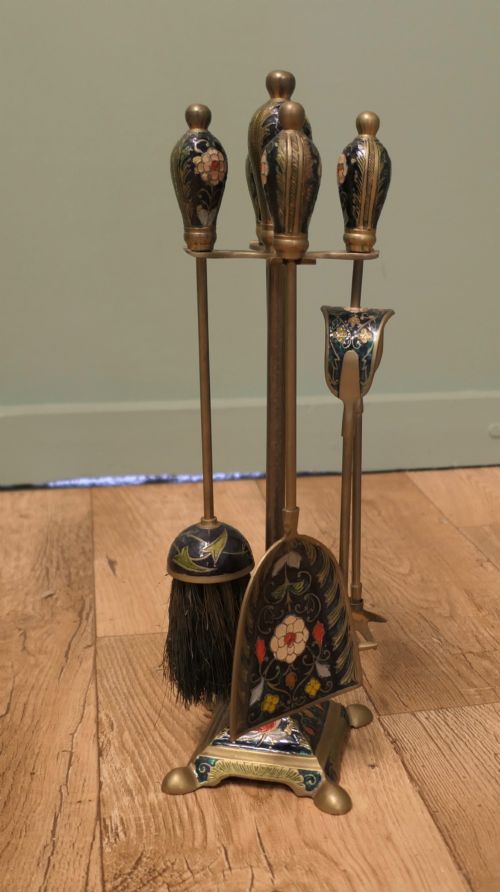
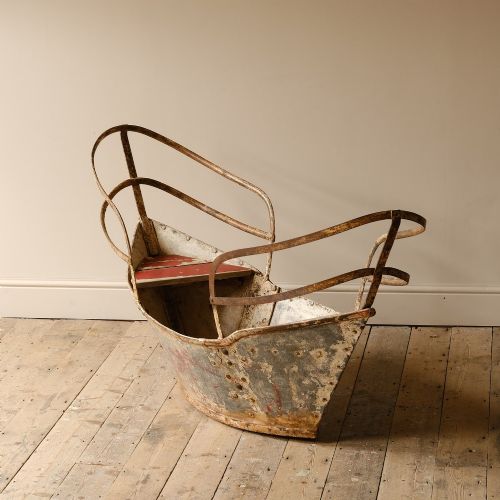
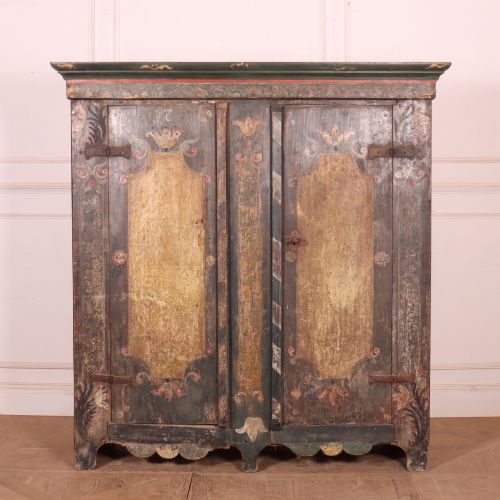
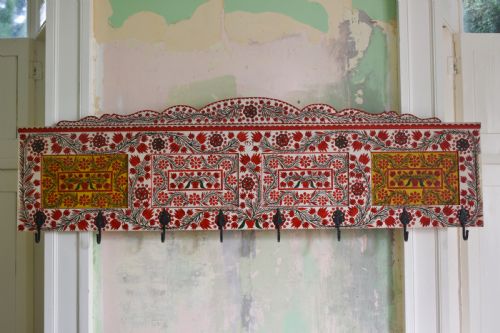
These decorative folk art pieces bring individual character and vernacular style into a room.
Decorative Folk Art
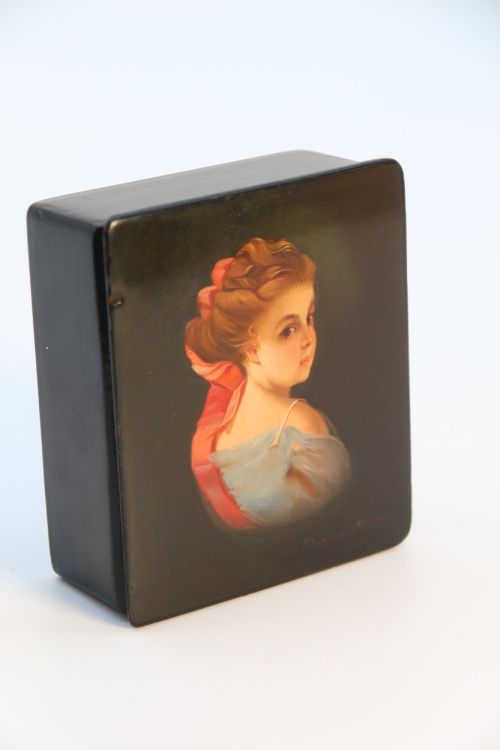
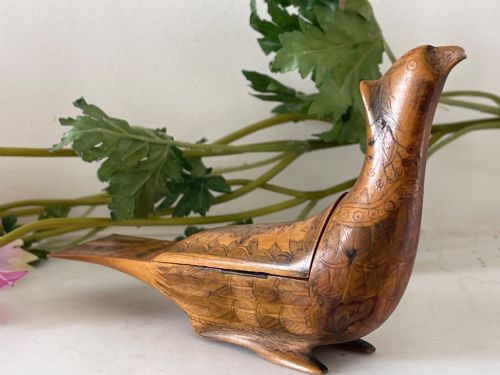
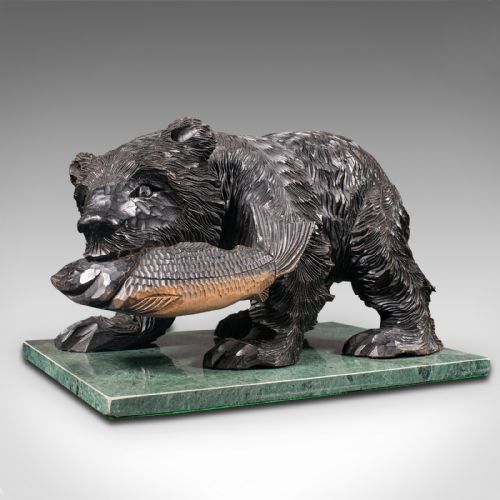
Decorative folk art encompasses objects made by makers outside formal academic traditions, ranging from utilitarian items to purely ornamental figures. When buyers search for decorative folk art, they encounter items such as carved wooden animals, painted boxes, and domestic treen.
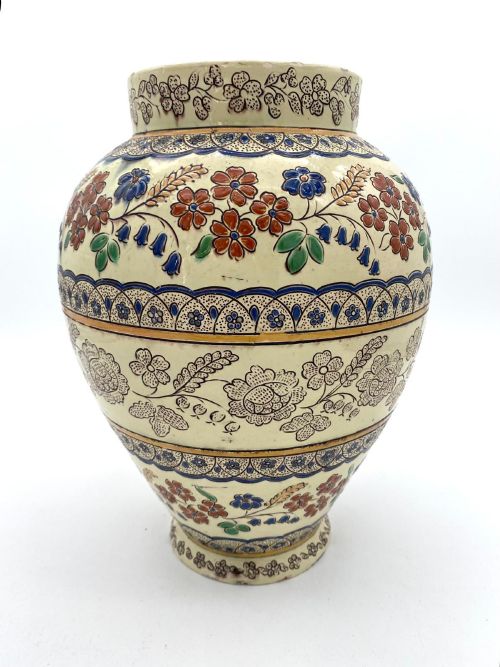
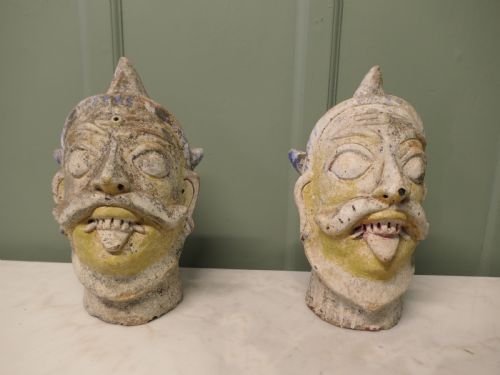
The pieces appearing here span the eighteenth, nineteenth, and early twentieth centuries, originating from diverse regions including Britain, France, Switzerland, India, and Japan. Common forms include lovespoons, wall art, ceramics, and sculptural figures.
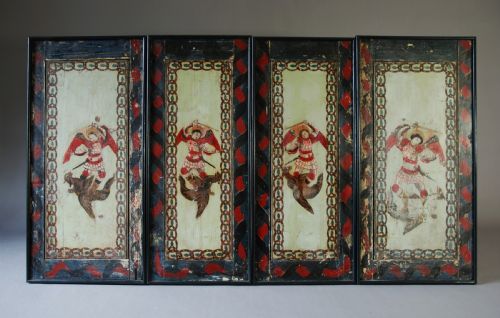
Wooden and painted objects dominate the selection, reflecting the everyday materials accessible to regional makers. Domestic items share space with theatrical boards, fairground panels, and architectural fragments.
How they were made
Makers utilised locally available timber such as pine, fruitwood, and cedar, shaping objects with basic hand tools like knives, gouges, and saws. Carving often shows tool marks that reveal the hand of the individual maker.
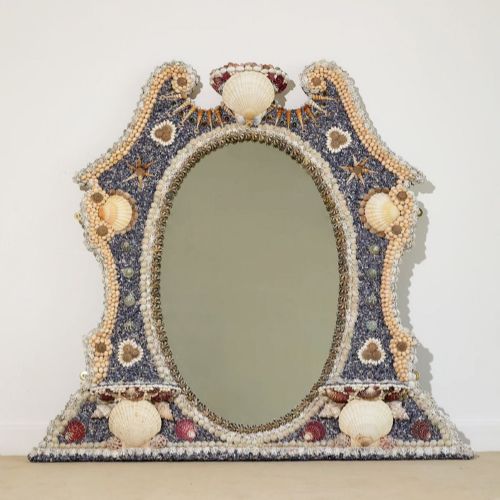
Pigments and oil paints were applied directly to wood, terracotta, and canvas, frequently resulting in layered surfaces over decades of use. Shellwork, bone, and iron appear across containers, frames, and decorative sculptures.
Decorative Folk Art Retail Price Guide 2026
Typical asking prices for decorative folk art among the pieces listed under this phrase on Sellingantiques today, from the lower quarter to the upper quarter. They describe what is for sale here now, not the wider market.
Listings feature wood, paint, pine, iron, brass, glass, carved wood, and pigment across numerous nineteenth and early twentieth-century forms.
What varies in quality
The strength of the original design and the confidence of the carving dictate the visual impact of each piece. Direct, unpretentious execution by a skilled hand carries more presence than laboured attempts at academic realism.
Surface preservation plays a major role, with original undisturbed paint finishes holding more integrity than later overpainting or heavy restoration. The crispness of carved details in wood, bone, or stone separates standard domestic items from exceptional regional works.
The Decorative Folk Art Glossary
- Treen
- Small handmade wooden objects for the home. These items include kitchenware, knitting sheaths, and small carved containers.
- Lovespoon
- A carved wooden spoon given as a token of affection. Welsh and Swiss examples often incorporate intricate cut-out patterns and motifs like vine leaves.
- Decoy
- A carved or painted wooden bird used originally to attract waterfowl. French and English examples are collected for their sculptural form and weathered surfaces.
- Dummy board
- A painted figure cut from wood to resemble a person or animal. Also known as a silent companion, these items stood in rooms to surprise visitors.
Decorative Folk Art: Frequently Asked Questions
What is decorative folk art?
Decorative folk art comprises utilitarian and ornamental items made within regional communities rather than professional urban workshops. These pieces reflect local traditions, materials, and domestic customs.
Items range from painted pine panels and carved wooden animals to shell-decorated vases and household treen.
How were these objects used?
Many objects served practical daily functions before becoming purely decorative pieces. Items like knitting sheaths, boxes, and bowls were made for active use in domestic settings.
Other pieces such as fairground panels, theatrical boards, and shop figures fulfilled public or commercial roles.
How do I date a piece?
Dating relies on material analysis, tool marks, construction methods, and the style of the paint or decoration. Georgian, Victorian, and early twentieth-century pieces often show distinct regional characteristics.
Wear patterns and the ageing of pine, fruitwood, and iron provide further clues to a piece's age.
How do I live with folk art?
Folk art works well placed individually as focal points or grouped by material and tone. Wooden carvings and painted boxes mix easily with both traditional and modern interiors.
Keeping pieces away from direct sunlight and extreme humidity protects fragile paint layers and organic materials.