







Decorative Enamel Vessels
Decorative enamel vessels bring together vibrant colour and metalwork, offering centuries of artistry from French glass to Asian cloisonné for the discerning home.
Decorative Enamel Vessels
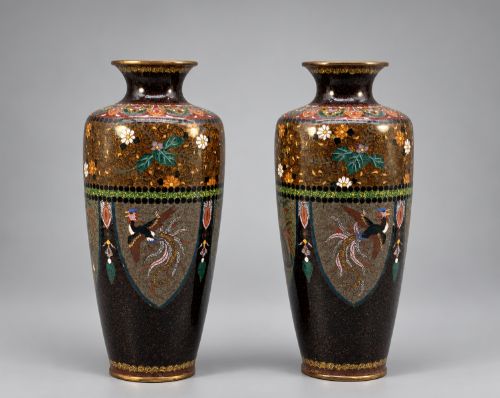
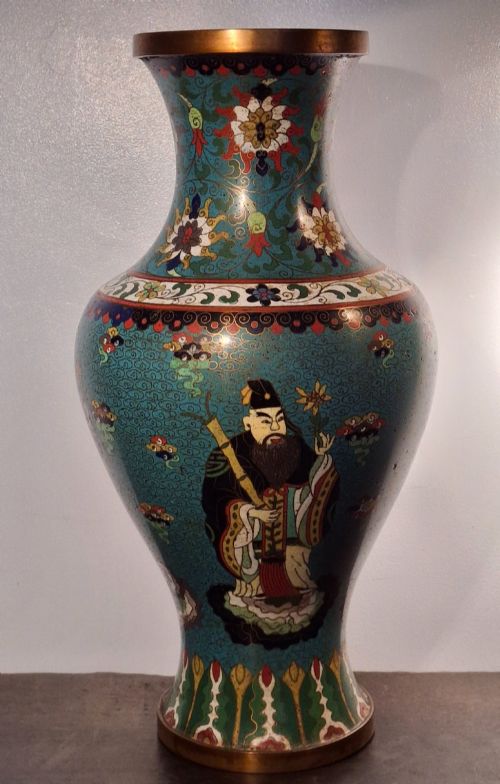
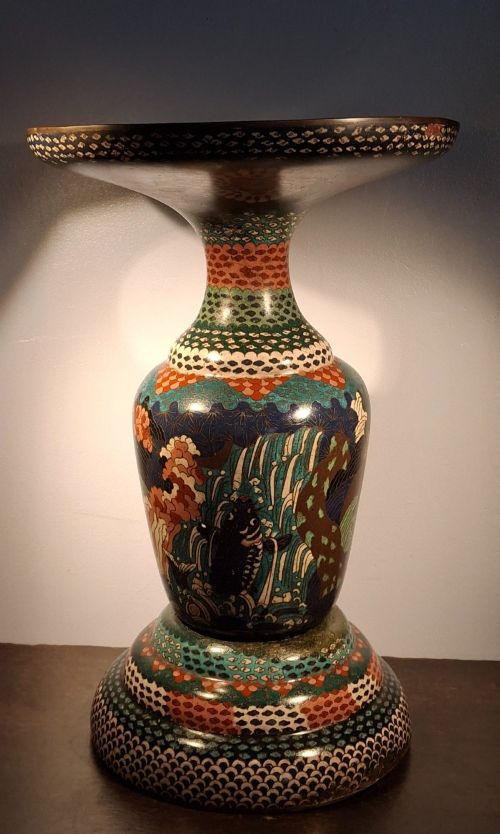
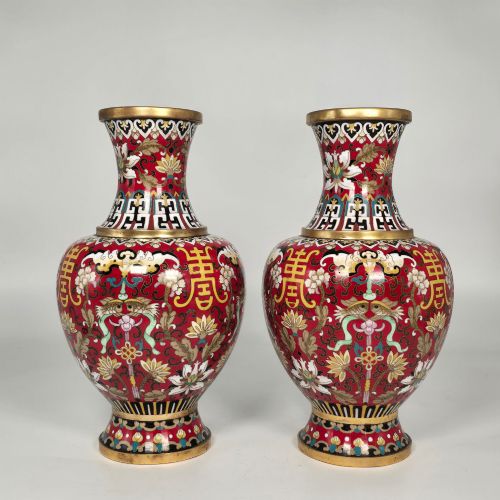
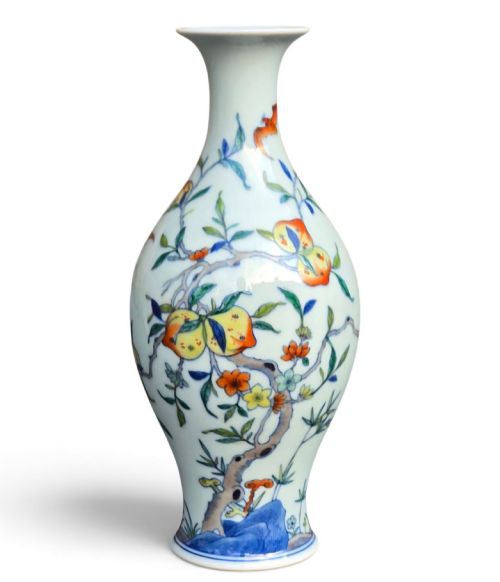
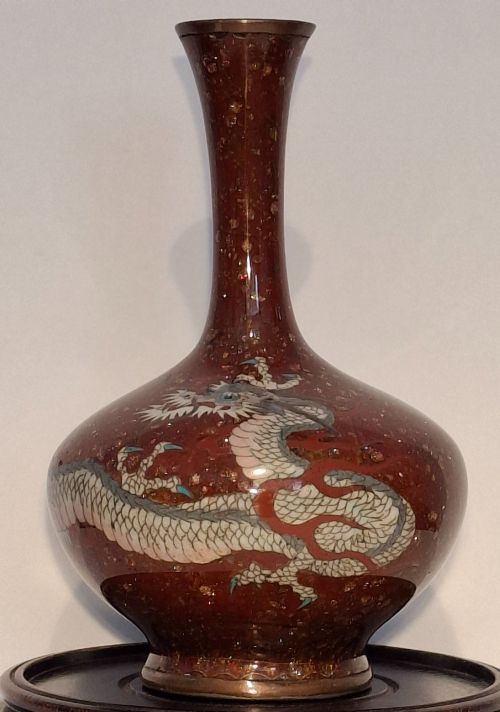
When you search for decorative enamel vessels, you encounter an array of items spanning multiple centuries, from 16th-century Persian metalwork to 20th-century European glass and pottery. The selections on this page are heavily weighted towards Chinese cloisonné and Japanese Meiji period pieces, alongside French glass and English art pottery.
European makers contribute distinct regional styles, including Art Nouveau and Art Deco glass vases decorated with gold enamel or geometric patterns. Buyers meet everything from utilitarian apothecary vessels transformed by colour to purely ornamental pedestal bowls set with cabochons.
Materials and construction techniques
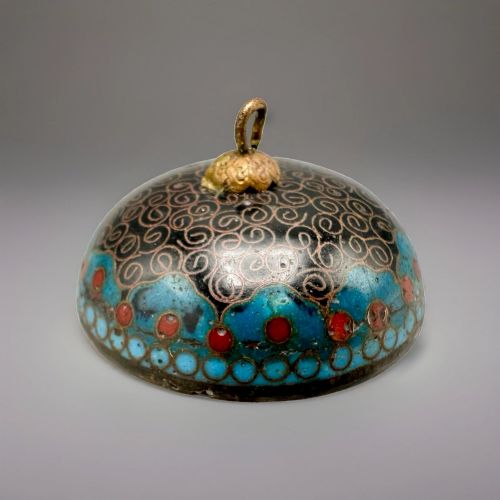
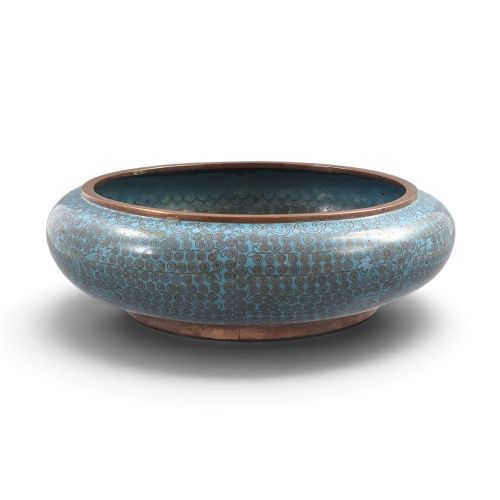
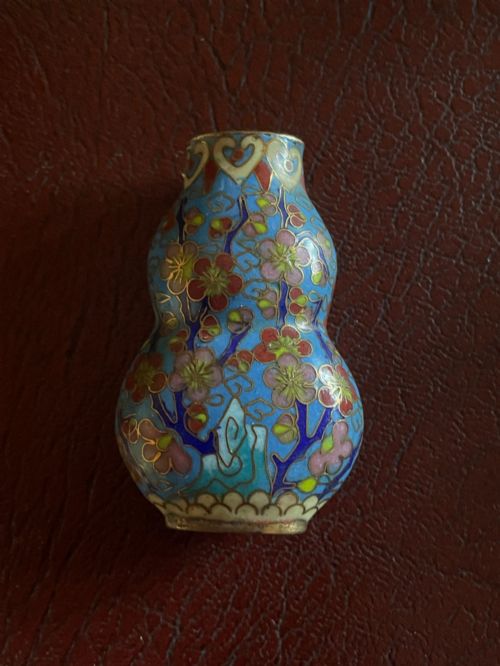
The fabrication of these objects relies heavily on metal bases such as copper, brass, and bronze, onto which vitreous enamels are fused. Cloisonné work uses fine wire soldered to the metal body to create cells that hold the coloured paste before firing.
Champlevé technique involves carving troughs directly into the bronze or copper foundation to receive the enamel powder. Glass and porcelain vessels utilise surface painting, cameo carving, and heavy gilding, often combining gold leaf with hand-enamelled motifs.
Decorative Enamel Vessels Retail Price Guide 2026
Typical asking prices for decorative enamel vessels among the pieces listed under this phrase on Sellingantiques today, from the lower quarter to the upper quarter. They describe what is for sale here now, not the wider market.
Listings feature vessels spanning the 16th to the 20th century, utilising copper, brass, bronze, glass, porcelain, and cloisonné enamel.
Evaluating craftsmanship and detail
Quality rests in the precision of the metalwork and the control of the vitreous paste during firing. Finer pieces display crisp wirework in cloisonné without pitting or cloudiness in the coloured enamel fields.
Painted enamel and glass pieces separate themselves through the subtlety of the brushwork and the depth of the cameo or etched layers. Greater artistic ambition shows in complex figural scenes, scholars, and detailed landscape panels rather than repetitive floral repeats.
Daum Freres·Karl Palda·Makuzu Kozan II·Tsukamoto Hikokichi
The Decorative Enamel Vessels Glossary
- Cloisonne Enamel
- An ancient technique where flat metal wires are soldered to a metal body to form compartments, or cloisons, which are then filled with enamel paste and fired. This method creates a distinct cellular pattern across the surface of vases and jars.
- Champleve
- A method of decorative enamelling where troughs or cells are scooped or carved out of a thick metal base, such as bronze or copper, leaving metal lines between the coloured glass paste.
- Meiji Period
- The era in Japanese history spanning from 1868 to 1912, noted for a massive surge in the export of highly refined metalwork, ceramics, and cloisonné wares to the West.
- Jardiniere
- A large decorative pot or ornamental receptacle, typically ceramic or metal, designed to hold a live plant or floral arrangement.
- Canton Enamel
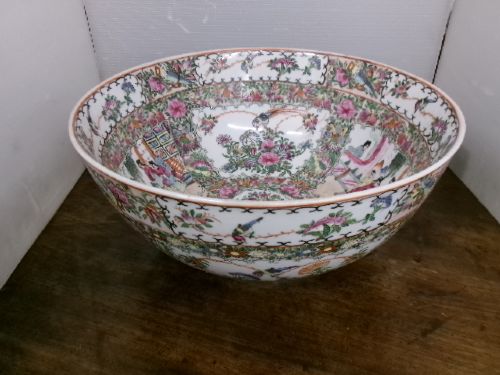
- Painted enamelware produced in the Chinese city of Canton, typically featuring vibrant palettes on copper bodies for export during the Qing dynasty.
Decorative Enamel Vessels: Frequently Asked Questions
What is cloisonne enamel?
Cloisonné is a metalworking technique where thin wires are attached to form patterns on a vessel's surface. The resulting compartments are filled with powdered glass paste and fired at high temperatures.
This creates durable, richly coloured decorative patterns that define many traditional Asian vases and jars.
How do I care for antique enamel vessels?
These items require gentle handling and should be kept away from direct sunlight and damp environments. Dust them softly with a dry microfiber cloth rather than using chemical cleaners.
Moisture can seep into old hairline cracks or damage exposed copper and brass elements over time.
What is the difference between cloisonne and champleve?
Cloisonné builds up designs using soldered wires applied to the outside of a metal base. Champlevé involves digging or carving the design directly into the solid metal foundation.
Both methods fill the resulting recesses with vitreous enamel before firing and polishing.
Where were Canton enamels made?
Canton enamels were produced in southern China specifically for export markets during the Qing dynasty. They typically feature painted enamel decoration applied directly to copper bodies.
These pieces often display bright palettes and intricate floral or figural compositions.