








Decorative Delftware
Decorative delftware encompasses tin-glazed earthenware plates, chargers, and vessels painted in cobalt blue, manganese, and polychrome pigments.
Decorative Delftware
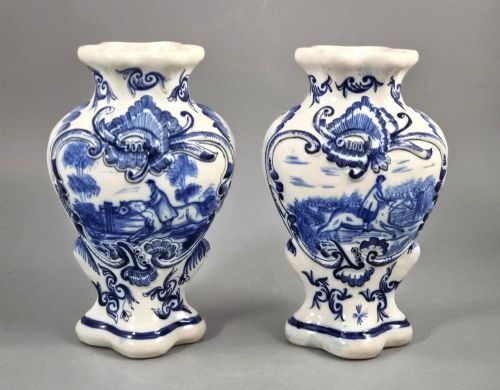
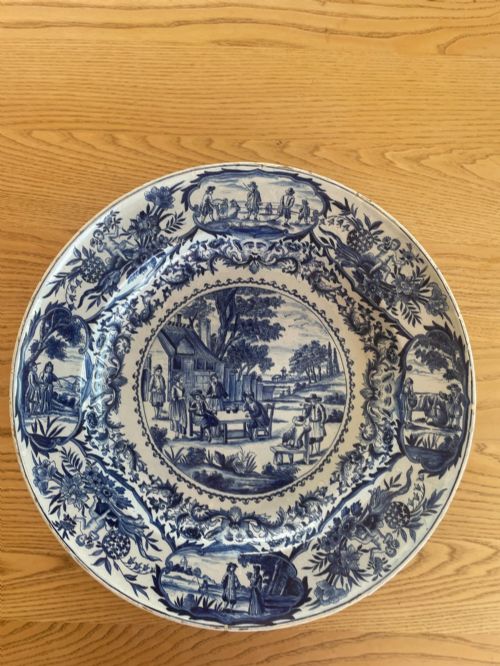
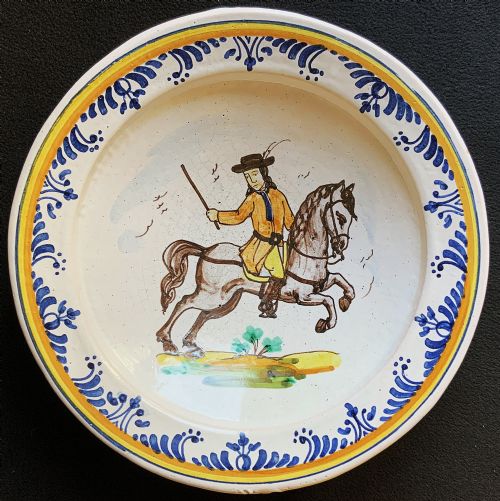
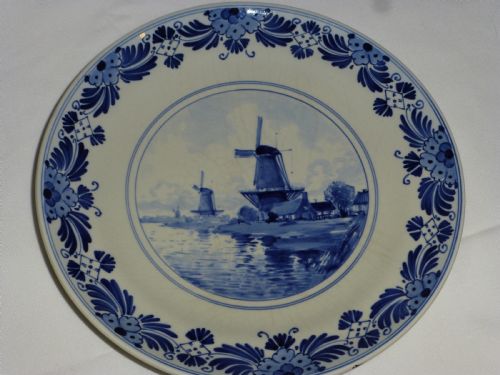
Decorative delftware comprises tin-glazed earthenware objects created across European production centres from the seventeenth century onwards. When exploring decorative delftware, buyers encounter chargers, plates, vases, jugs, and plaques originating from English, Dutch, French, and Spanish potteries.
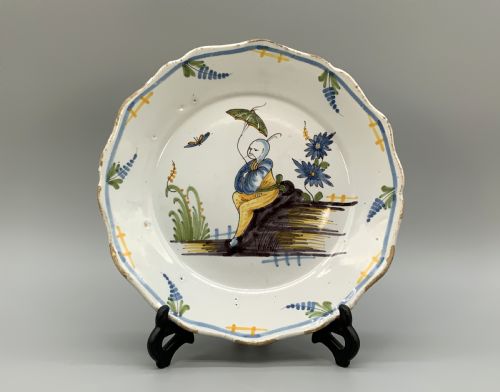
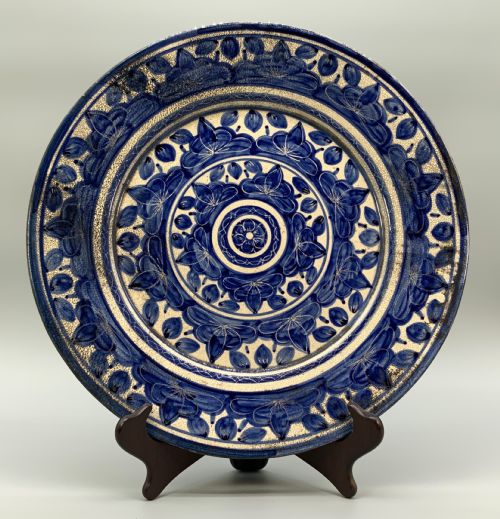
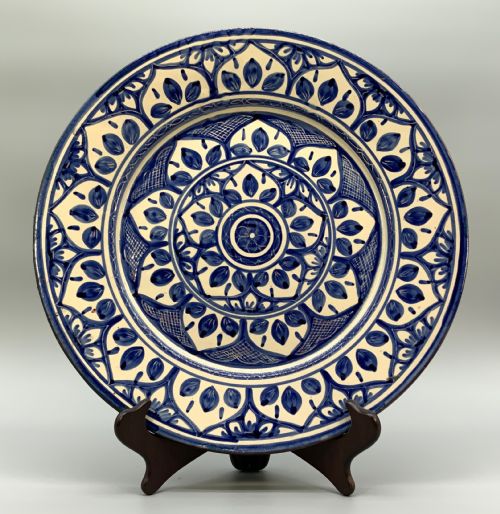
The objects span multiple centuries, ranging from seventeenth and eighteenth-century examples to nineteenth-century interpretations and mid-twentieth-century Continental pieces. Large wall chargers dominate the selection, frequently displaying blue and white motifs, Chinoiserie scenes, or polychrome palettes.
Vessels on this page include Toby jugs and storage jars alongside flatware such as chargers and decorative plates. Stylistic influences incorporate Dutch Baroque, French Rococo Revival, and Moorish Revival designs.
Evaluating quality in ceramics
Quality rests upon the crispness of the painted design and the control demonstrated during the kiln firing process. Superior pieces display fluid brushwork, balanced compositions, and minimal glaze disruption or kiln distortion.
The depth and richness of the tin-glaze surface separate exceptional examples from standard production wares. Intricate polychrome schemes and detailed Chinoiserie or manganese painting indicate skilled workshop output.
Decorative Delftware Retail Price Guide 2026
Typical asking prices for decorative delftware among the pieces listed under this phrase on Sellingantiques today, from the lower quarter to the upper quarter. They describe what is for sale here now, not the wider market.
Potters occasionally adopted pseudo-factory marks to imitate successful rivals, leaving modern collectors guessing.
Fourmaintraux Courquin
The Decorative Delftware Glossary
- Tin-Glaze
- Earthenware coated in an opaque white glaze containing tin oxide. This coating creates a smooth canvas for ceramic painting.
- Charger
- A large ornamental plate designed for wall display rather than dining use. These large circular dishes form a major part of tin-glazed inventories.
- Polychrome
- Decoration employing multiple colours rather than a single pigment. Cobalt blue, manganese purple, and yellow often appear together in these schemes.
- Grand Feu
- A high-temperature single firing technique used for ceramics. This method fuses the glaze and pigments simultaneously.
Decorative Delftware: Frequently Asked Questions
What is decorative delftware?
Decorative delftware refers to tin-glazed earthenware objects produced in European potteries, principally taking the form of wall chargers, plates, and vases.
These ceramic items feature painted decoration utilising cobalt blue, manganese, and polychrome pigments applied over a white glaze.
How were delft chargers used?
Large chargers served primarily as decorative wall plates or table centerpieces in domestic interiors rather than utilitarian tableware.
Their substantial size and pictorial painted scenes made them status items for display in seventeenth and eighteenth-century homes.
How do I identify eighteenth-century pieces?
Eighteenth-century examples are identified through characteristic potting weights, glaze thickness, and period-specific painting styles like Chinoiserie.
Examination of the earthenware body and pigment interaction helps distinguish eighteenth-century production from later nineteenth-century revivals.
How do I care for tin-glazed earthenware?
Tin-glazed earthenware requires gentle handling because the ceramic body and surface glaze remain susceptible to chipping and moisture penetration.
Keep pieces away from damp environments and clean them using a dry or barely damp cloth without abrasive detergents.