
Decorative China Cabinet
When you search for a decorative china cabinet, you are looking at fine porcelain plates, display furniture, and dishes made to showcase craftsmanship.
Decorative China Cabinet
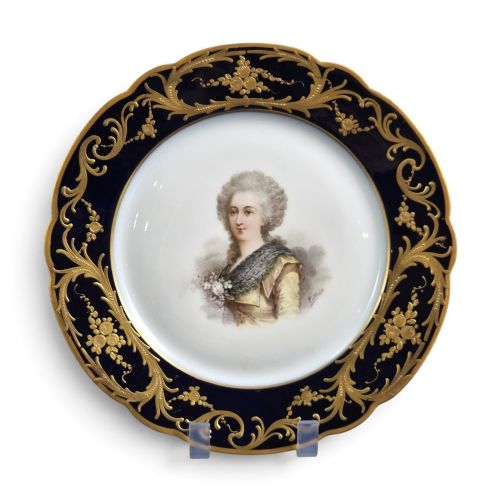
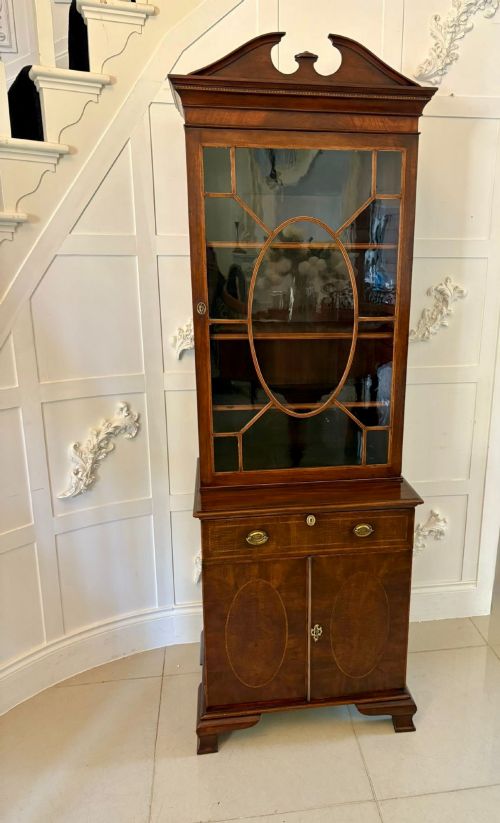
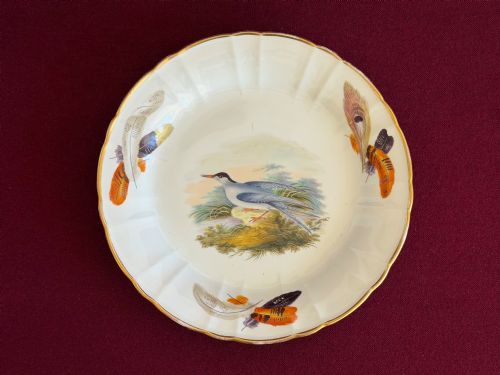
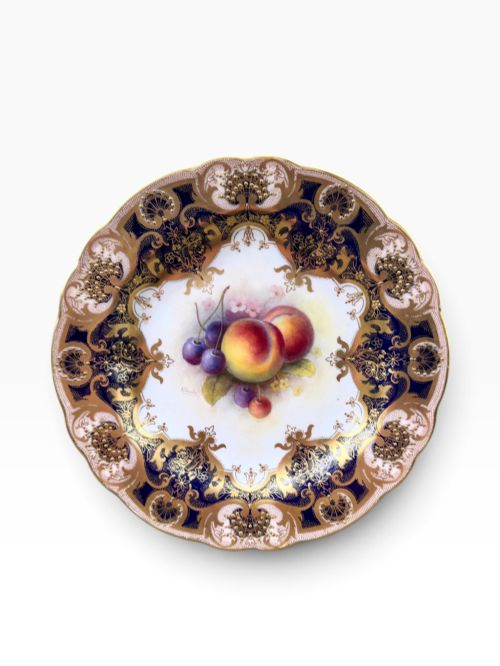
A decorative china cabinet search brings together porcelain plates, display cabinets, and dessert services created across the nineteenth and twentieth centuries. The listings span nineteenth-century display furniture in mahogany alongside cabinet plates from factories such as Royal Worcester, Spode, and Minton.
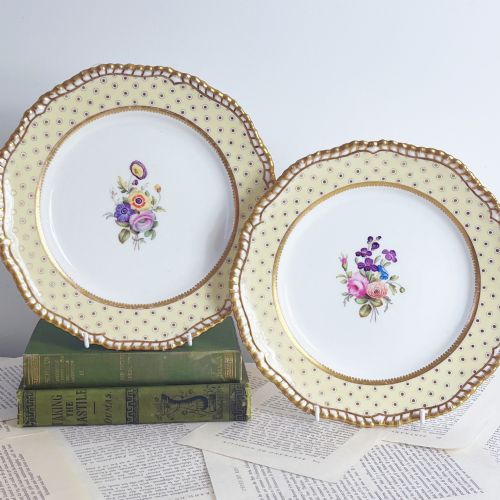
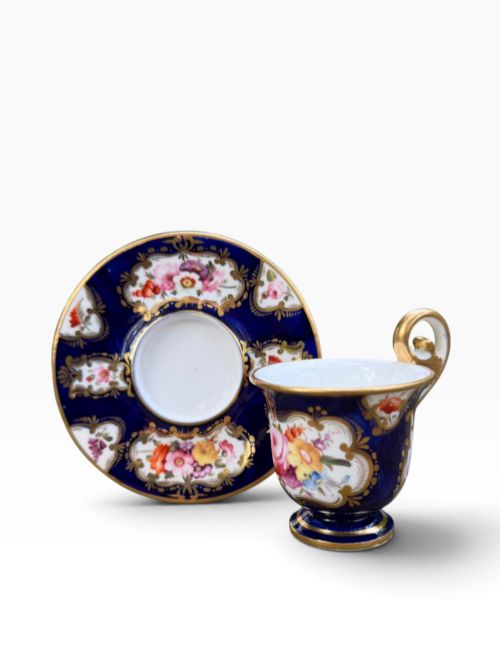
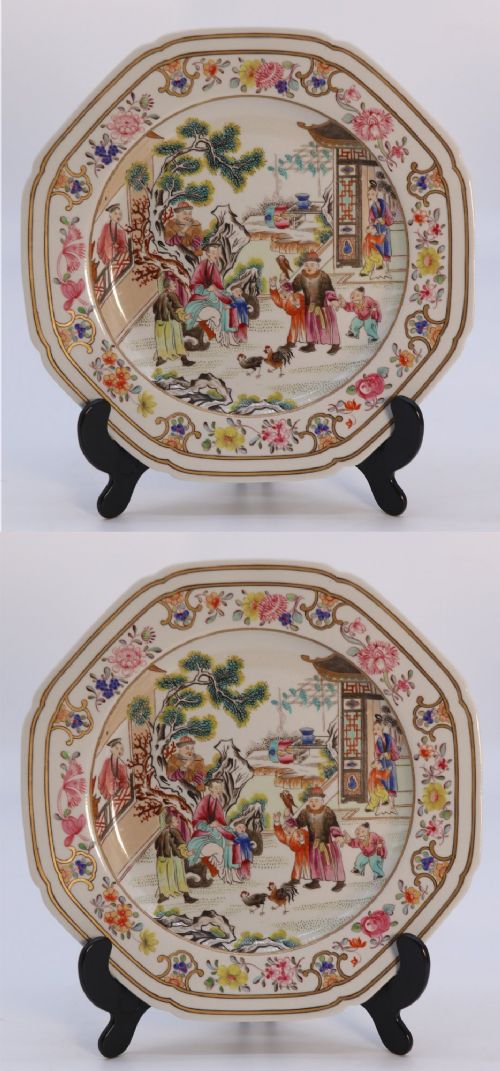
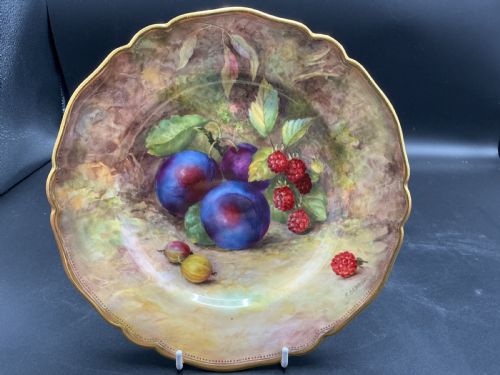
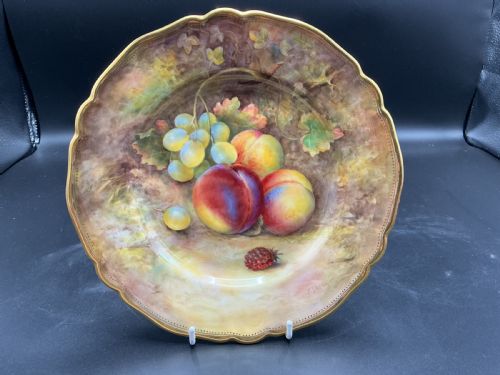
Buyers meet a strong representation of hand-painted fruit plates, topographical dessert wares, and porcelain dishes carrying nineteenth and twentieth-century dates. Vitrines and mahogany bookcases sit alongside porcelain cabinet cups, saucers, and octagonal cabinet plates.
The selection ranges from Regency porcelain pieces through Victorian and Edwardian examples to mid-century works. Factory-decorated items share space with hand-signed artist works from periods spanning the 1800s to the 1950s.
Materials and techniques
Makers utilised bone china, porcelain, stone china, and ironstone as the foundation bodies for plates and dishes, decorated with enamel colours, gilding, and gold leaf. Cabinet furniture employs mahogany and rosewood timbers paired with glass panels for display vitrines.
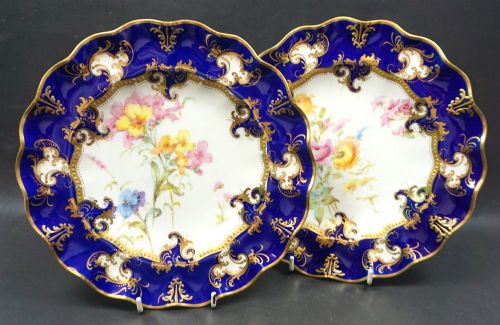
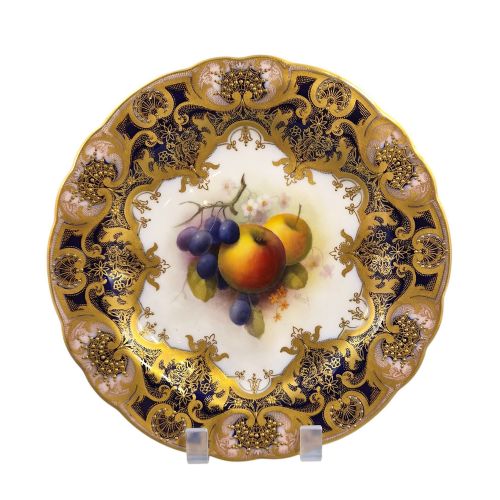
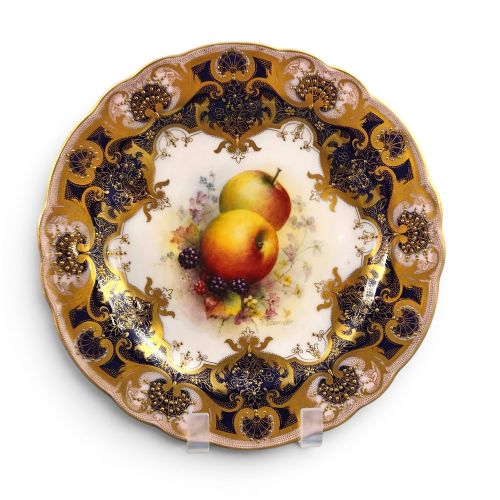
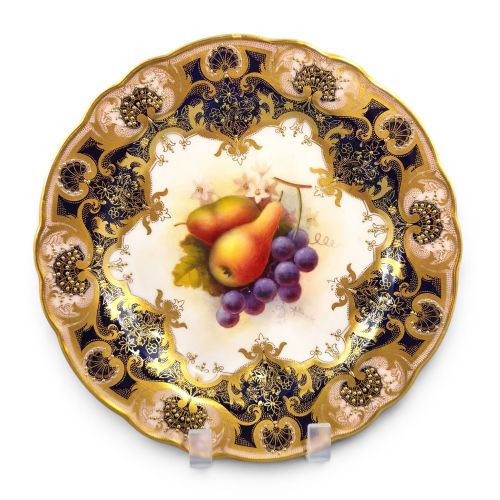
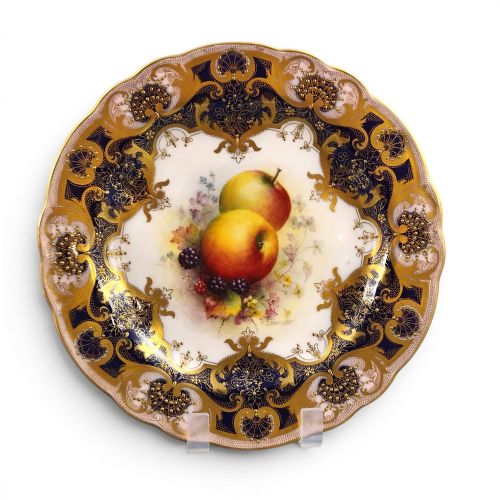
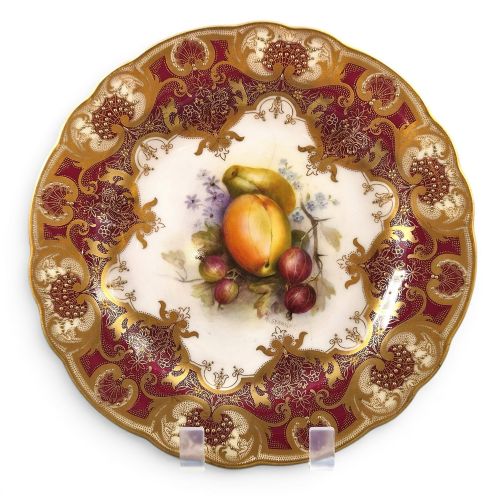
Ceramic decoration relies on hand-painted botanical, ornithological, and fruit scenes executed by named artists, alongside cobalt blue grounds and transfer-printed topographical views. Porcelain forms incorporate basketweave moulding and shaped borders finished with gilt sun motifs.
Listings feature porcelain, bone china, mahogany, and rosewood across periods from the 1800s to the 1950s.
Distinctions in quality
Quality rests upon the skill of the hand-painting, particularly in detailed fruit, floral, and portrait subjects executed by recorded ceramic artists. Pieces featuring documented factory marks, armorial crests, or specific named views command attention for their historical provenance.
Material refinement and finishing also set standards, seen in the crispness of porcelain moulding, the depth of cobalt glazes, and the precise application of gilding. Cabinet furniture quality depends upon timber selection, inlay work, and the construction of glazed display doors.
Royal Worcester·Royal Crown Derby·Spode·Minton·Coalport·Royal Doulton·François Linke·John Davenport
The Decorative China Cabinet Glossary
- Cabinet plate
- A decorative ceramic plate intended for display in a cabinet rather than for table use. These pieces typically feature elaborate hand-painted scenes or rich gilding.
- Vitrine
- A glass-fronted display cabinet designed to exhibit porcelain and objects of vertu. These pieces are constructed from timbers such as mahogany and rosewood.
- Bone china
- A type of soft-paste porcelain incorporating bone ash. It produces a strong, bright white body suited to detailed painted decoration.
- Imari
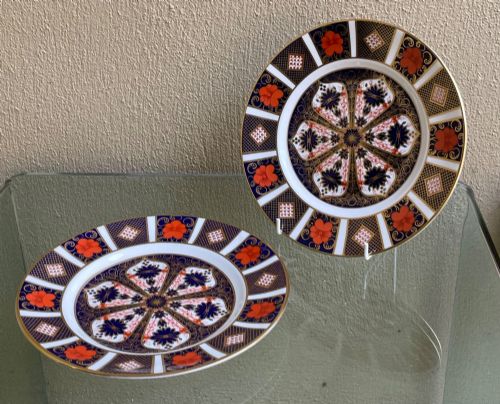
- A decorative style inspired by Japanese export porcelain, characteristically utilising a palette of underglaze blue, iron red, and gilt. British factories adopted this pattern widely in the nineteenth century.
- Armorial
- A ceramic design featuring a family crest, coat of arms, or heraldic badge. These bespoke services were commissioned by landed families.
Decorative China Cabinet: Frequently Asked Questions
What is a cabinet plate?
A cabinet plate is a decorative ceramic piece made primarily for display in a cabinet or on a wall rather than for dining use.
These plates often feature elaborate hand-painted subjects, such as fruit or topographical views, combined with heavy gilding.
How do I identify a Victorian display cabinet?
Victorian display cabinets and vitrines typically utilise dense timbers like mahogany, frequently featuring inlaid details and glazed doors.
They reflect the nineteenth-century desire to showcase imported ceramics and decorative objects within the home.
Who painted Royal Worcester fruit plates?
Royal Worcester employed specialist artists such as Albert Shuck, Richard Sebright, and David Dewsberry to paint detailed natural subjects.
Their work on porcelain plates and cabinet dishes became a defining feature of late nineteenth and early twentieth-century production.
What is stone china?
Stone china is a durable ceramic body developed in the nineteenth century to rival imported Chinese porcelain.
Factories like Spode utilised this dense material for robust cabinet plates and octagonal dishes decorated in Imari and floral patterns.