



Decorative Ceramic Water Jug
A decorative ceramic water jug brings substantial presence and historic form to a room, offering both sculptural weight and utility.
Decorative Ceramic Water Jug
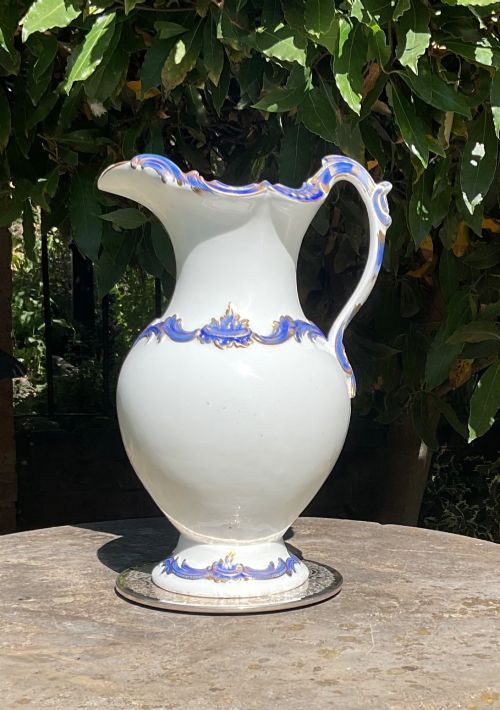
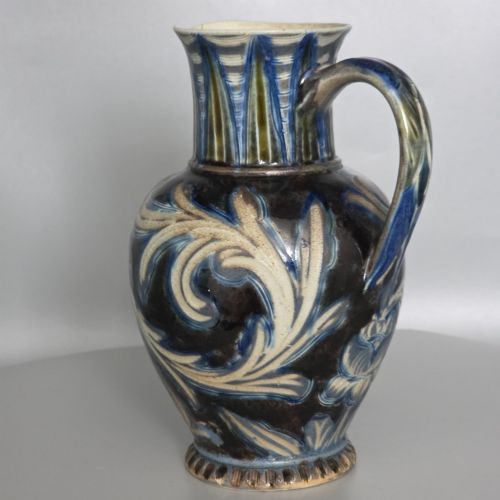
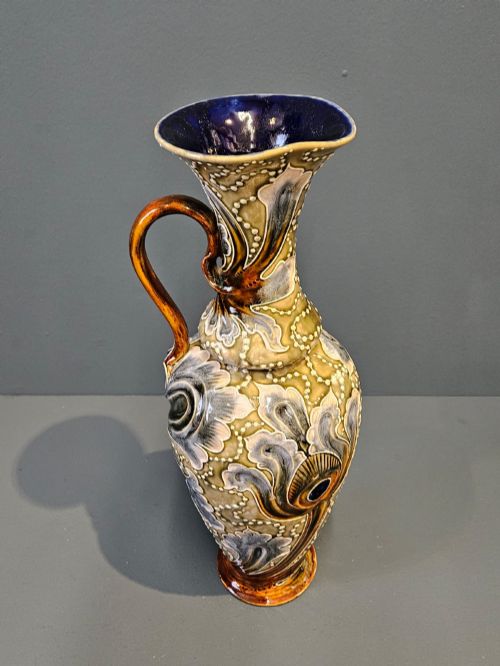
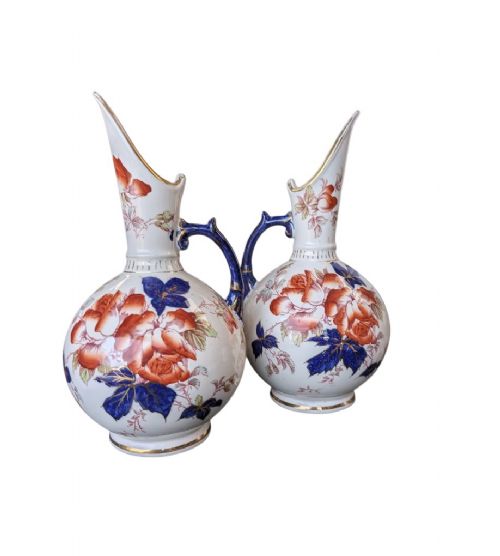
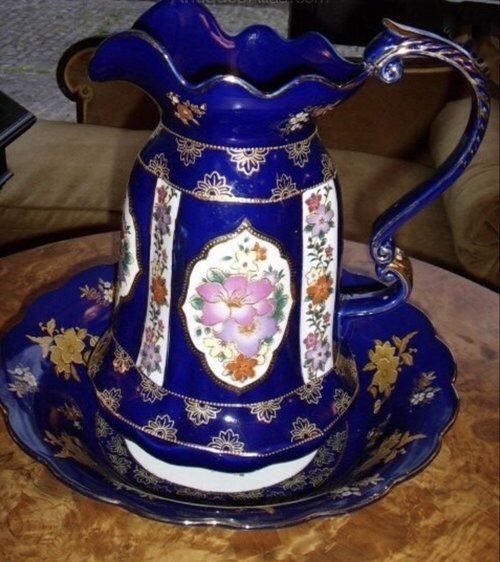
A decorative ceramic water jug appears across various periods from the early nineteenth century through the 1930s, encompassing earthenware, porcelain, and heavy stoneware bodies. These pieces frequently emerge as grand Victorian ewers, washstand sets, or cabinet pitchers bearing detailed patterns.
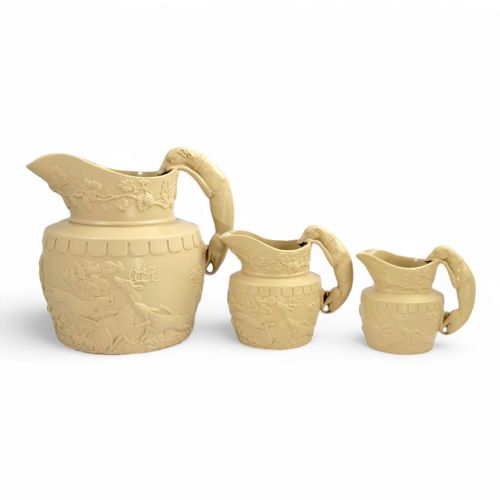
The selection ranges from Regency yellow ware and Georgian ironstone to later Edwardian majolica and art pottery. Buyers encounter robust stoneware vessels alongside delicate porcelain ewers intended purely for display.
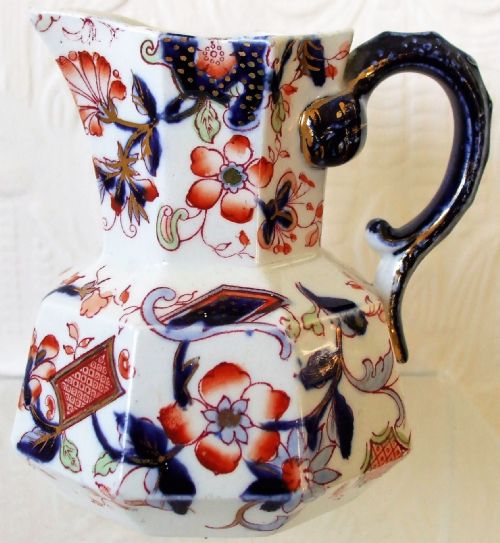
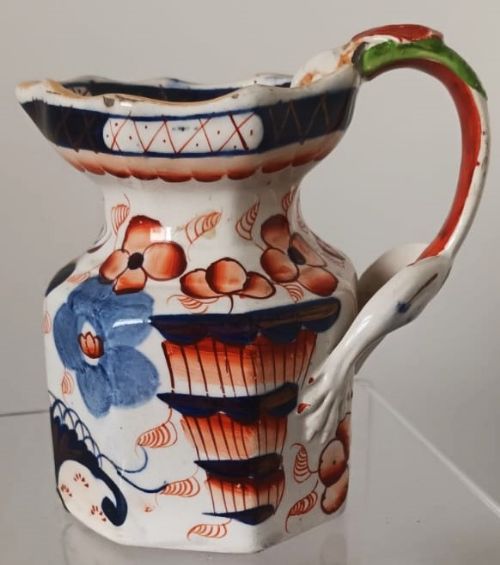
Formations include tall handles, bulbous bodies, and specialised shapes such as the Hydra design. Many pieces arrive alongside matching bowls or function independently as striking decorative items.
Judging quality and finish
Quality rests upon the crispness of the moulded relief and the depth of the glaze application. Superior examples demonstrate confident painting, clean transfer printing, and well-defined factory stamps.
The weight and balance of the vessel, alongside the precise execution of applied handles and decorative borders, distinguish standard production wares from exceptional studio and factory output.
Listings feature ceramic water jugs spanning from the early 1800s through the 1930s, showcasing stoneware, porcelain, and earthenware bodies.
Doulton Lambeth·Royal Worcester·Keeling and Co·Mason's Ironstone·Charlotte Rhead·Phillips and Bagster·Royal Dux·Coalport·Spode
The Decorative Ceramic Water Jug Glossary
- Ewer
- A large decorative jug with a wide spout and looped handle, traditionally used for holding water. These vessels often feature classical profiles and elaborate ornamental handles.
- Majolica
- A type of earthenware coated with an opaque tin glaze and painted with bright lead glazes. It gained immense popularity during the Victorian era for dimensional botanical designs.
- Stoneware
- A heavy, dense ceramic fired at high temperatures until vitrified and completely non-porous. It frequently carries salt glazes or incised aesthetic ornament.
- Hydra jug
- A classic ceramic jug design featuring a distinctive moulded serpent handle and flared rim. This form was produced by various English potteries across the nineteenth century.
- Ironstone
- A durable type of earthenware patented in the early nineteenth century to imitate porcelain. It provides a sturdy body well-suited for large domestic and decorative vessels.
Decorative Ceramic Water Jug: Frequently Asked Questions
What were decorative water jugs used for?
These vessels originally served practical functions within washstand sets, carrying water for personal grooming in bedrooms before modern plumbing. Large pitchers also managed liquid service during dining.
Over time, many transitioned into purely ornamental objects, displayed on sideboards or mantelpieces for their sculptural forms and painted patterns.
How do I identify a Victorian ewer?
Victorian ewers typically exhibit substantial body weight, classical revival or aesthetic movement ornamentation, and specific handle formations like serpents or foliage. They often feature registry marks or factory stamps on the base.
Examining the glaze consistency and the style of transfer printing or hand painting helps pinpoint the nineteenth-century production period.
Can I use these antique jugs for water?
While historic jugs were designed for liquid use, older ceramics can develop hairline fractures or degradation in antique glazes over time. Using them for display remains the safest approach.
Hand washing is essential if occasional utility is required, as thermal shock or harsh detergents can damage delicate nineteenth-century surfaces.
How should I display a ceramic water jug?
These pieces command attention when placed on sturdy sideboards, wooden tables, or within deep cabinet shelves where their height and profile stand out. Adequate lighting highlights surface glazes and gilt details.
Pairing a jug with its matching bowl creates a traditional arrangement, while solo pieces anchor floral displays or stand alone as focal points.