



Decorative Ceramic Sculptures
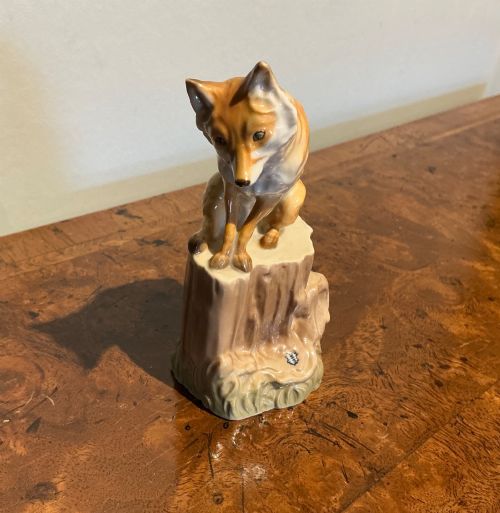
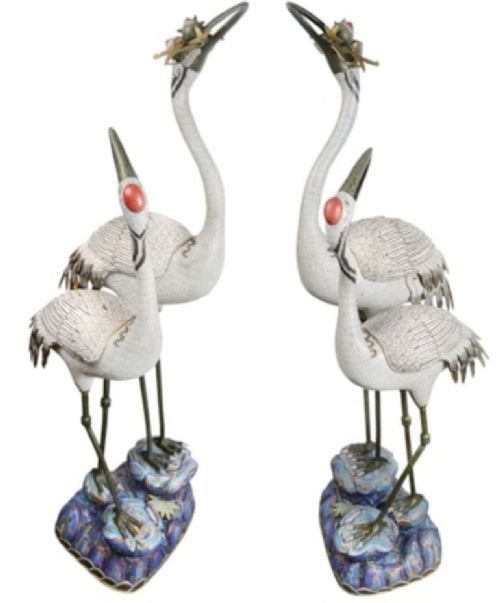
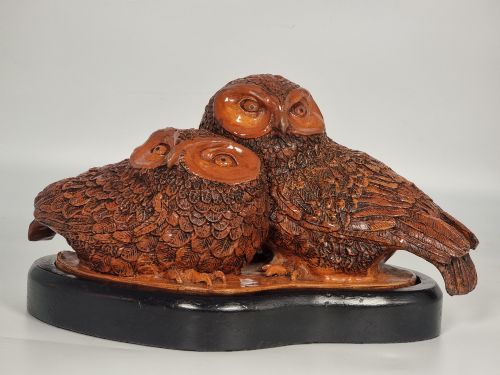
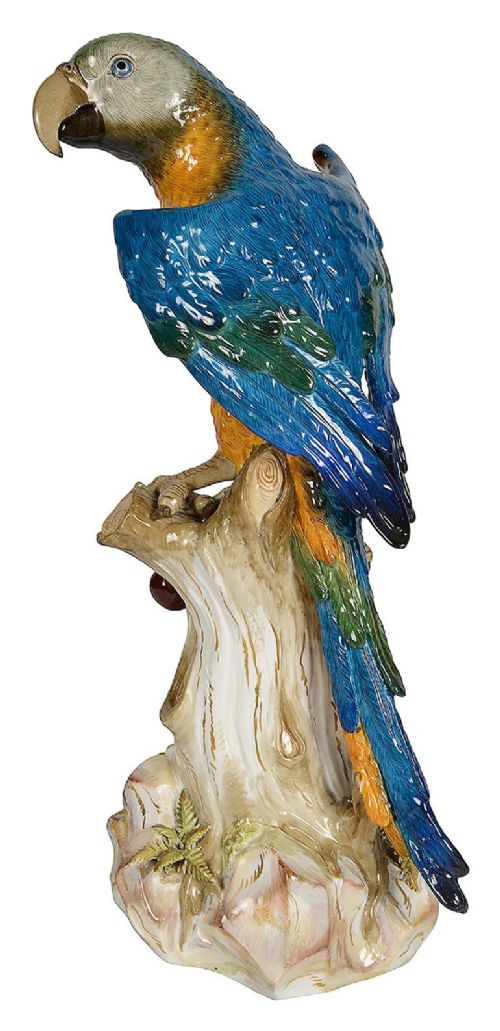
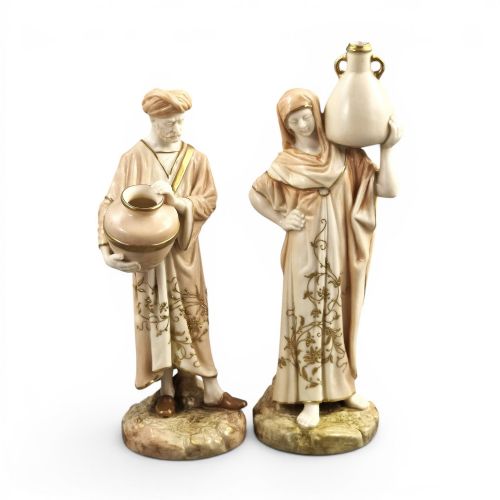
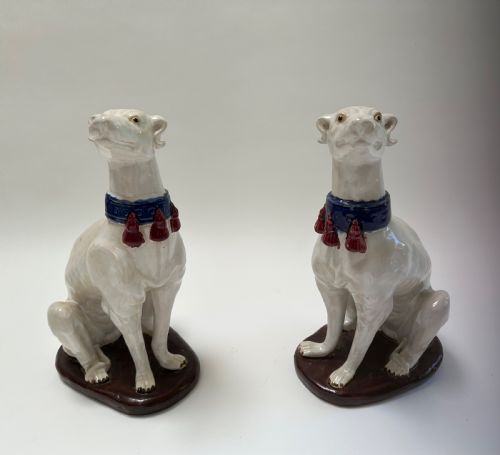
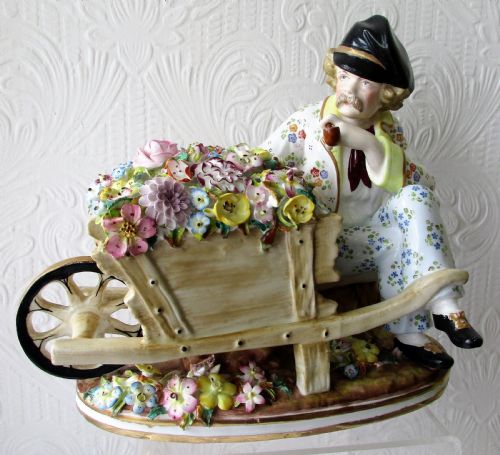
Decorative ceramic sculptures capture the human, animal and allegorical form in porcelain, earthenware and terracotta across the nineteenth and twentieth centuries.
Decorative Ceramic Sculptures
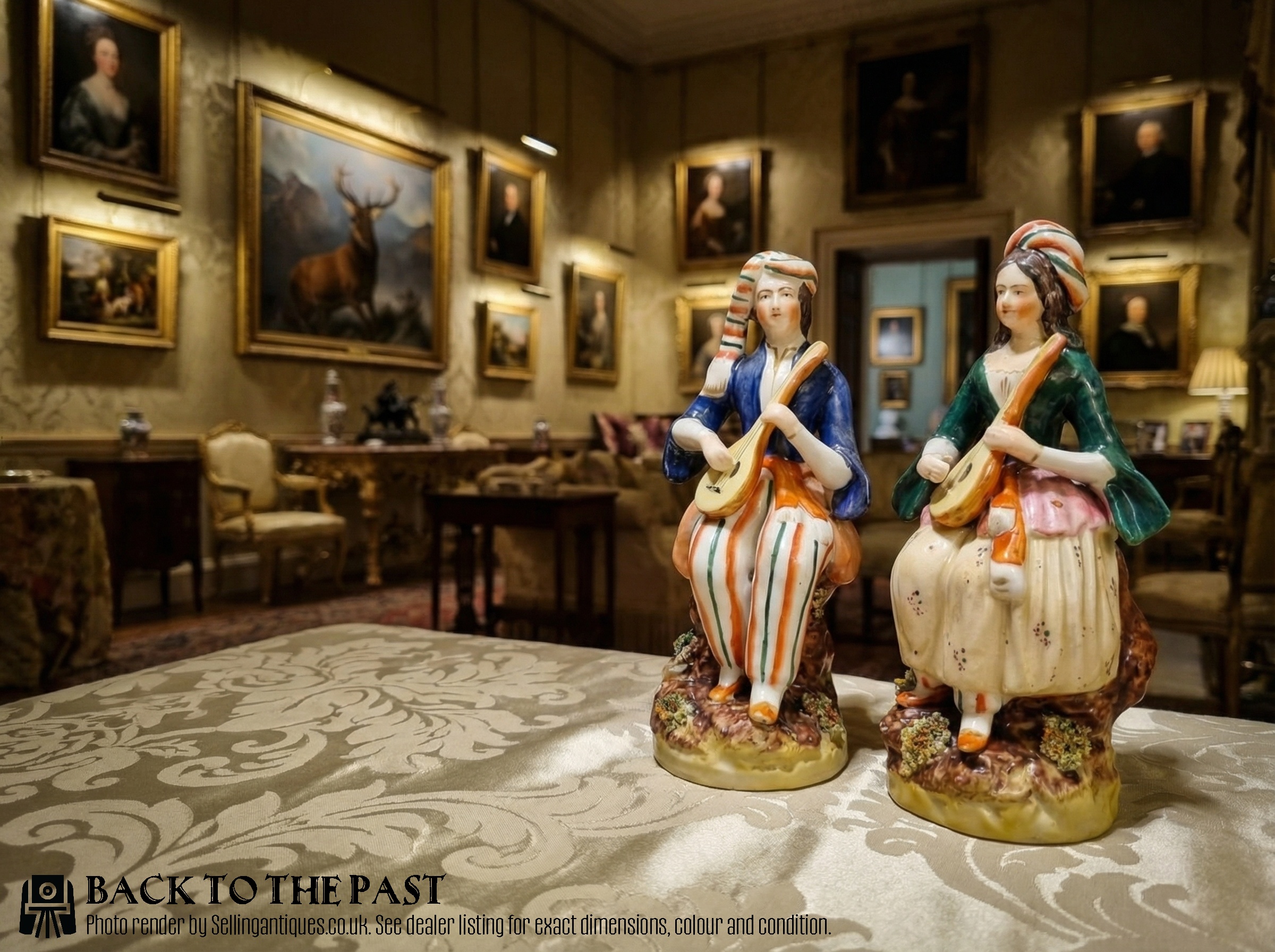
Decorative ceramic sculptures encompass figures, groups, busts and figural centrepieces shaped from clay and finished with glaze, enamel or gold leaf. The examples on this page span the Victorian, Edwardian, Art Nouveau and Art Deco periods, drawing on European manufactories and Asian traditions alike.
Figurines and larger sculptural groups depict animals, mythological subjects, human labourers and historical or allegorical characters. Makers ranged from major European porcelain works to studio potters and folk artists producing individual busts and planters.
How they were made
Works are formed in porcelain, earthenware or terracotta, often shaped in moulds or hand-sculpted before firing in a kiln. Artisans then applied coloured glazes, enamel pigments, metallic highlights or gold leaf to define the surface detail.
Hard-paste and soft-paste porcelain compositions allowed for crisp modelling and translucent finishes, while terracotta and earthenware offered heavier, opaque grounds suited to expressive busts and garden figures.
Several animals here wear their dignity with surprising seriousness, from pompous porcelain ducks to stern earthenware cockerels.
What varies in quality
Quality depends upon the sharpness of the modelling and the precision of the hand-painting, particularly in facial expressions, drapery and fine surface patterns. Pieces from established manufactories often display crisper definition in the cast and more nuanced enamel or glaze work.
The complexity of the form and the ambition of the composition set finer figures apart, especially in multi-figure groups or large-scale animal sculptures requiring advanced kiln control.
Nymphenburg·Meissen·Royal Worcester·Goldscheider·Royal Dux
The Decorative Ceramic Sculptures Glossary
- Bisque
- Unglazed fired porcelain or ceramic that presents a matte, marble-like surface texture. It is frequently utilised for portrait busts and classical figures.
- Glaze
- A glassy coating fused to the ceramic body by firing, which renders the piece waterproof and introduces colour or shine. Enamel paints are sometimes applied over the glaze.
- Terracotta
- A porous, brownish-red fired earthenware clay used extensively for sculptural busts, figures and architectural ornaments. It is often left unglazed to highlight the natural earth tones.
- Hard-paste porcelain
- A durable ceramic composition fired at very high temperatures using kaolin and petuntse. It produces a dense, white body that resists scratching.
- Okimono
- A Japanese decorative carving or figurine traditionally displayed in a household setting. These pieces display intricate attention to surface detail and cultural motifs.
Decorative Ceramic Sculptures: Frequently Asked Questions
What periods do these sculptures cover?
The selections span the nineteenth and twentieth centuries, including Victorian, Edwardian, Art Nouveau and Art Deco eras.
Production methods and stylistic influences shift across these decades, moving from ornate classical revival models toward stylised modern forms.
How do porcelain and terracotta differ?
Porcelain uses refined clays fired at high temperatures to create a hard, often glazed body capable of fine, delicate detail. Terracotta utilises coarser earthenware clay left matte and porous, suited to robust busts and figures.
Each material dictates the scale and surface texture of the finished sculpture.
Where were these ceramic figures made?
Origins include major European porcelain factories in Germany, Italy, England and Spain, alongside Asian traditions from China and Japan.
Regional techniques and local clay bodies heavily influence the appearance and weight of each piece.
How should I display ceramic sculptures?
These sculptures require stable placement away from high-traffic edges, as protruding ceramic elements and delicate glazes are vulnerable to knocks. Stable shelving or dedicated cabinet space protects the surfaces from dust and accidental impact.
Lighting should remain indirect to preserve enamel colours over time.