






Decorative Ceramic Pottery
Decorative ceramic pottery brings colour and historical weight into a room, offering vessels and figures from diverse global traditions.
Decorative Ceramic Pottery
Decorative ceramic pottery encompasses vessels and display objects created across multiple centuries, ranging from utilitarian forms turned ornamental to purely sculptural display items. Buyers seeking decorative ceramic pottery encounter diverse domestic and international styles spanning earthenware, porcelain, and stoneware.
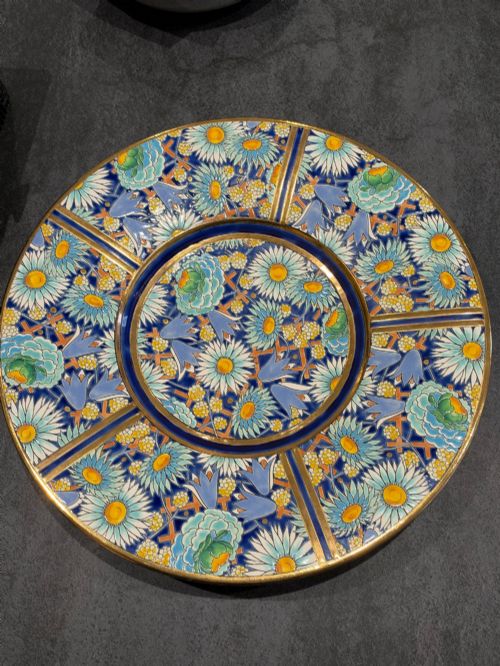
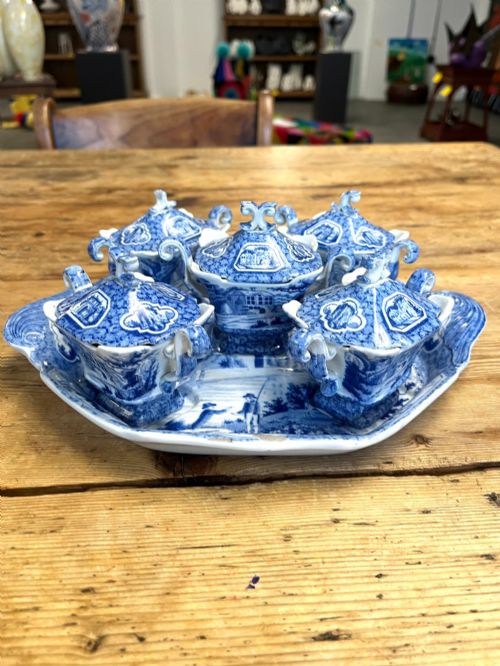
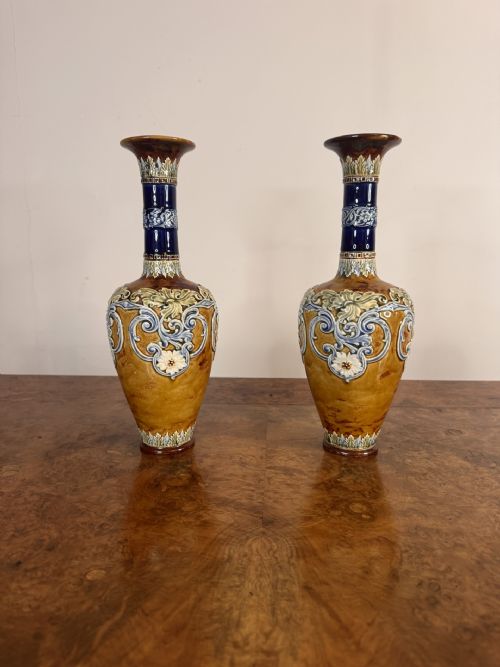
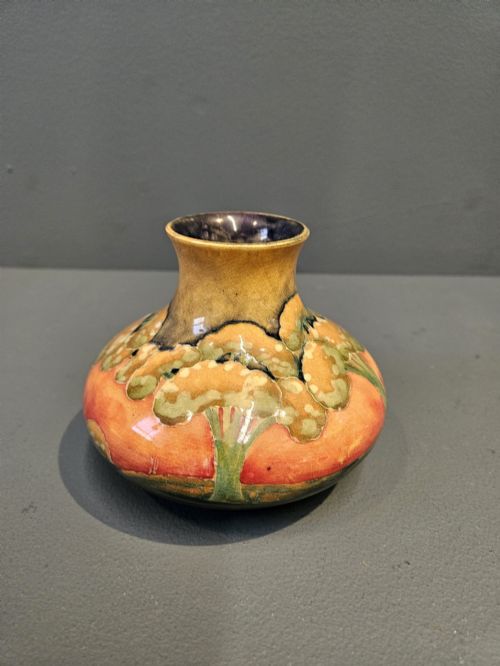
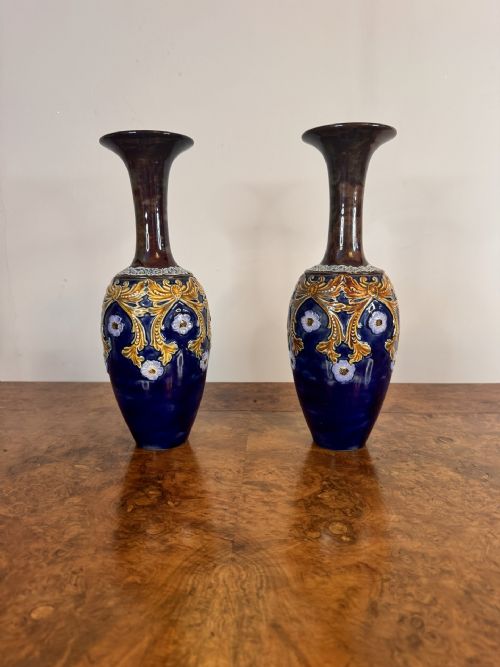
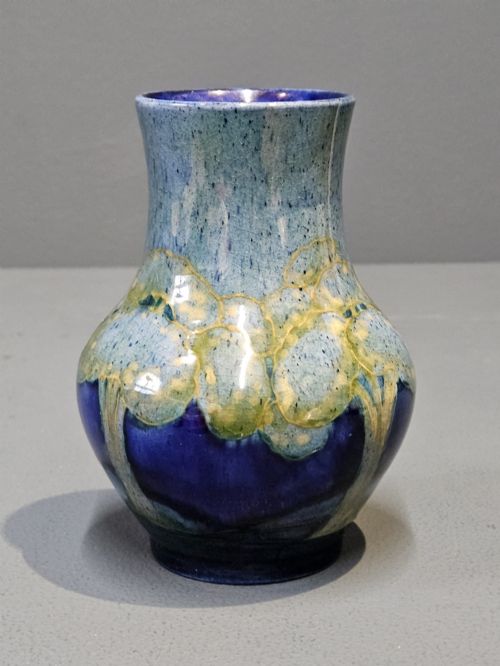
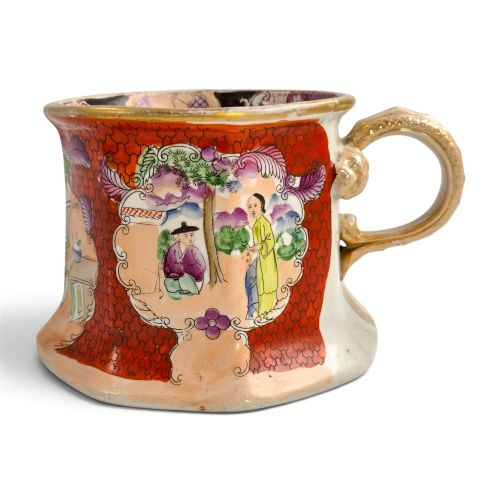
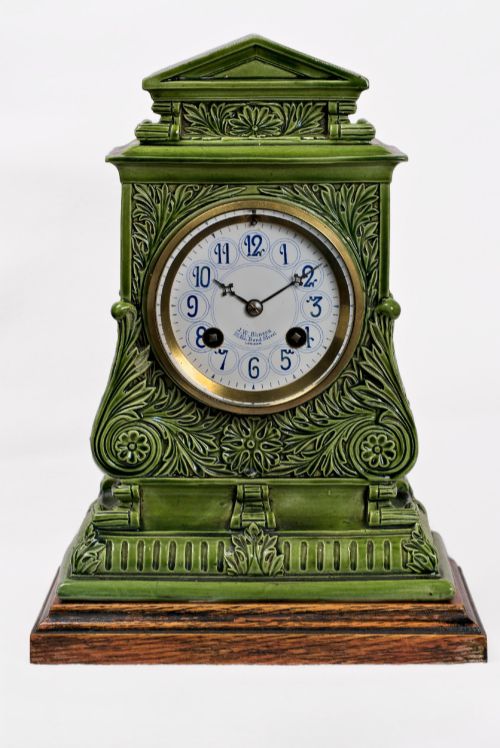
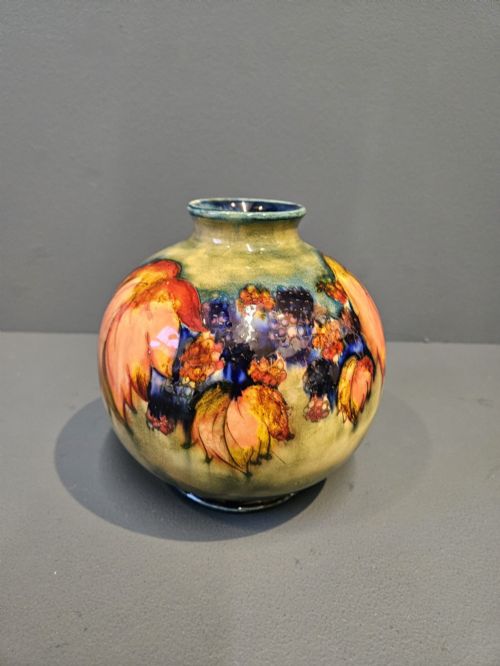
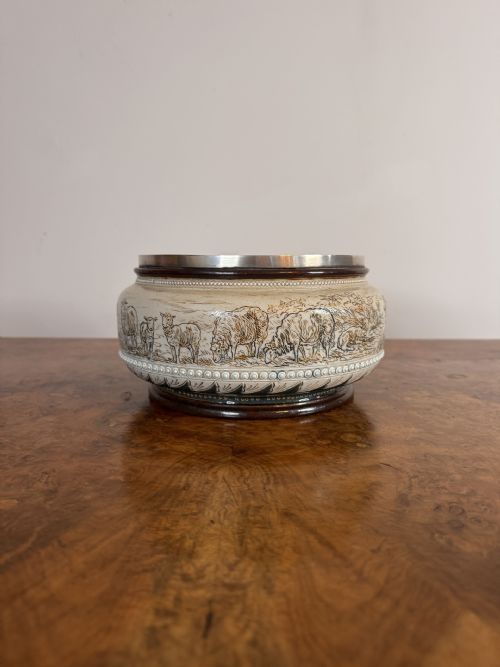
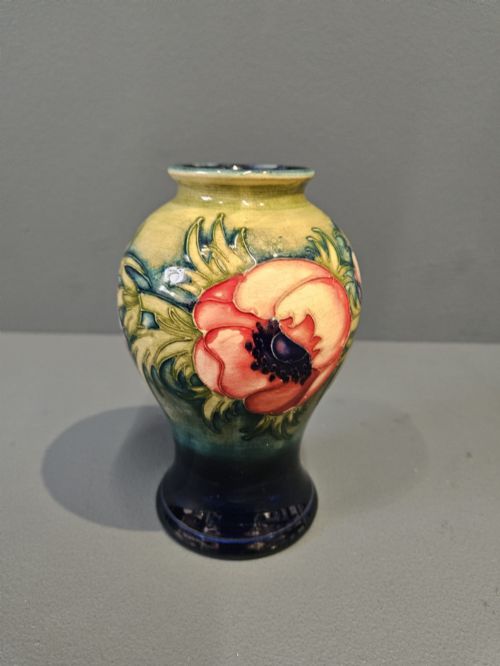
The most common examples on this page include vases, chargers, jugs, and lamps originating from British potteries, continental European factories, and East Asian kilns. These pieces display distinct stylistic movements such as Arts and Crafts, Art Nouveau, and Victorian revivalism.
Forms vary from large floor-standing jardinieres and stick stands down to cabinet-sized dishes and pilgrim flasks. Each object reflects the prevailing interior taste of its decade of manufacture, utilising traditional glazing and firing methods.
Materials and construction techniques
Makers shaped these pieces using clays including earthenware, heavy stoneware, and refined porcelain, often throwing them on a potter's wheel or casting them in moulds. Applied details such as handles, leaves, and animals were hand-sculpted and luted to the body before the initial firing.
Glazes applied to the surface range from tin opacified enamel to rich coloured lead glazes, salt glazes, and lustre finishes requiring multiple kiln firings. Metal mounts in bronze or silver plating were occasionally added to European earthenware and majolica bodies to complete the decorative effect.
Decorative Ceramic Pottery Retail Price Guide 2026
Typical asking prices for decorative ceramic pottery among the pieces listed under this phrase on Sellingantiques today, from the lower quarter to the upper quarter. They describe what is for sale here now, not the wider market.
Listings span the seventeenth to the twentieth century, covering earthenware, stoneware, and porcelain across British, European, and Asian traditions.
Distinctions in craftsmanship and design
Quality in these ceramics rests on the crispness of the moulding, the control shown during the painting or enamelling process, and the depth of the glaze. Pieces executed by named potteries or skilled decorators show superior handling of pigment and balance in form.
The sophistication of the decorative scheme separates standard production wares from ambitious studio pieces. Well-preserved surfaces with intact gilding, minimal glaze crazing, and original mounts distinguish finer examples.
Burmantofts Pottery·Minton·Moorcroft·Royal Crown Derby·Royal Doulton·Wedgwood·Fourmaintraux-Courquin
The Decorative Ceramic Pottery Glossary
- Majolica
- A type of earthenware coated with an opaque white tin glaze and painted with metallic oxide colours. It was widely produced during the Victorian period for ornate domestic vessels and jardinieres.
- Faience
- A term applied to tin-glazed earthenware originating in France, Italy, and the Netherlands. It often describes decorative wares with hand-painted polychrome or blue and white motifs.
- Charger
- A large decorative plate intended for display on a wall or dresser rather than for dining. Eighteenth-century examples frequently feature blue and white Delft designs.
- Imari
- A style of Japanese porcelain decorated in underglaze blue, iron red, and gold. European factories frequently imitated these distinct patterns during the nineteenth century.
- Stoneware
- A dense, impermeable pottery fired at high temperatures until the clay vitrified. It provides a durable body suited for salt glazing and detailed relief ornamentation.
Decorative Ceramic Pottery: Frequently Asked Questions
How do I clean antique ceramic pottery?
Dust surfaces gently with a soft, dry brush to prevent dirt accumulation in crevices and glaze crazing. Avoid harsh chemical cleaners or submerging pieces with metal mounts or applied cold-painted decoration in water.
Inspect the glaze stability before attempting any moisture cleaning. Porous earthenwares require particular care to prevent staining through hairline cracks.
Are these ceramic pieces meant for daily use?
Most items listed under decorative ceramic pottery are intended for display rather than heavy functional service. Vases, chargers, and mantel ornaments serve primarily as interior decorative elements.
Utilising antique earthenware or faience for holding water or food can damage historical bodies and delicate overglaze enamels. Gentle handling preserves the original finish.
How can I tell earthenware from porcelain?
Earthenware possesses a porous, opaque body fired at lower temperatures and is typically heavier and thicker in section. Porcelain is vitrified, highly refined, and often translucent when held to a strong light.
Stoneware occupies a middle ground, being vitreous and waterproof like porcelain but heavier and coloured by natural impurities in the clay.
What is a charger plate?
A charger plate is a large decorative dish traditionally made to be hung on walls or displayed on sideboards. Eighteenth-century Delft and Japanese examples show elaborate pictorial or geometric painting.
These large surfaces allowed ceramic artists to execute complex narrative scenes or symmetrical floral patterns. Their scale makes them focal points within a room.