




Decorative Ceramic Platters
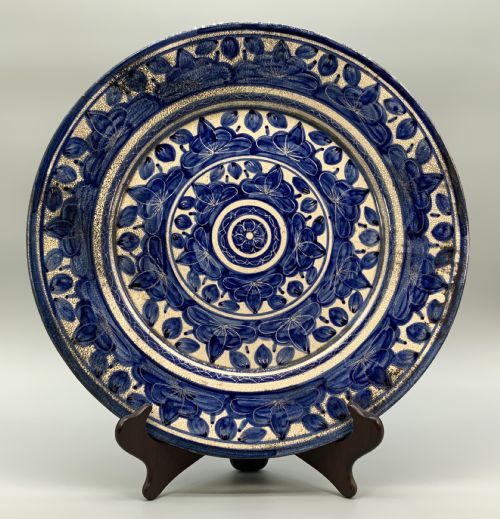
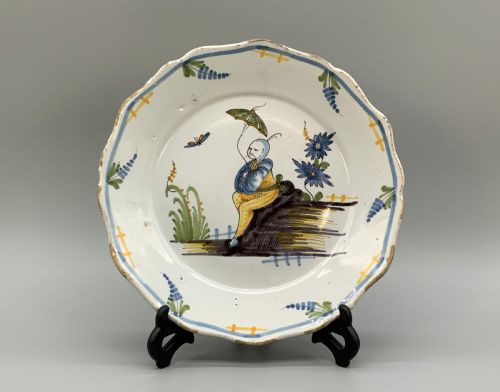
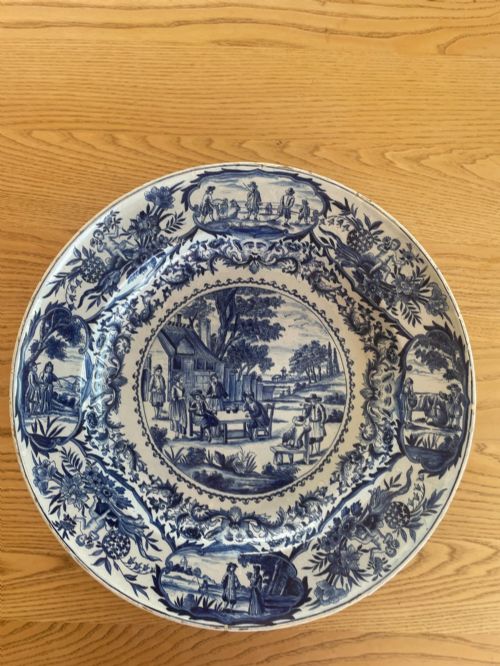
These decorative ceramic platters bring centuries of painted porcelain and earthenware craft into modern rooms.
Decorative Ceramic Platters
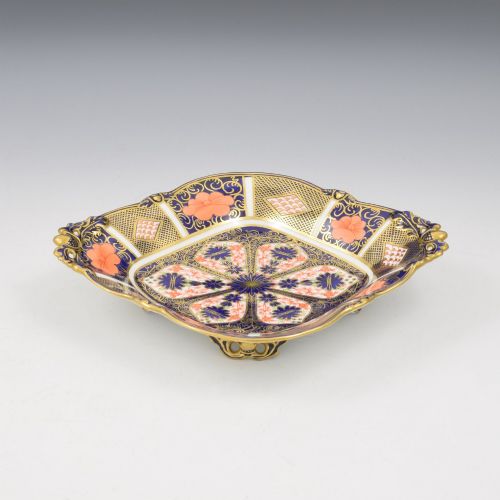
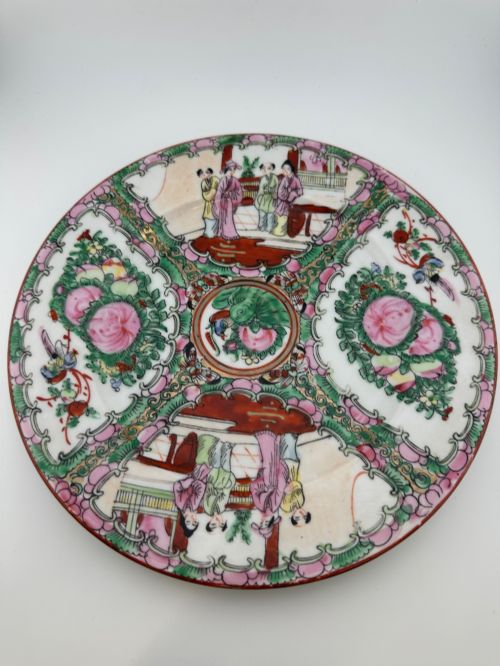
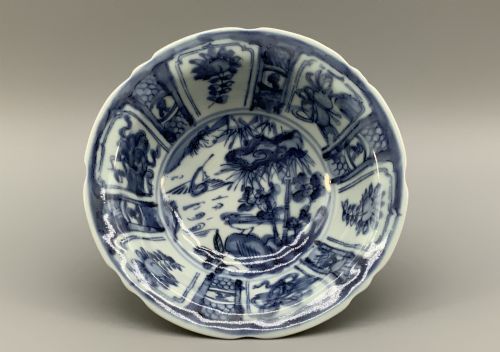
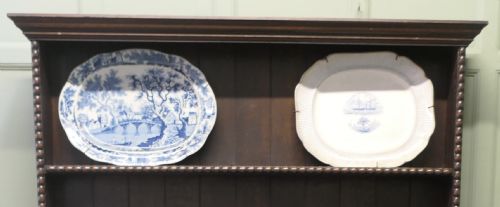
Decorative ceramic platters encompass large chargers, serving dishes and cabinet plates produced across British, European and Asian kilns. When searching for decorative ceramic platters, buyers frequently encounter Japanese Imari chargers alongside English earthenware platters and Dutch Delft wares dating from the eighteenth century onward.
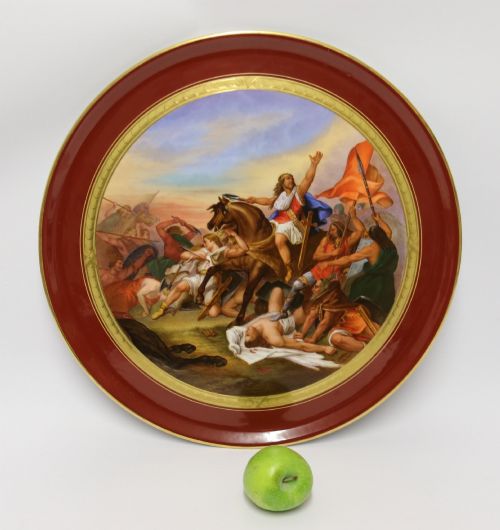
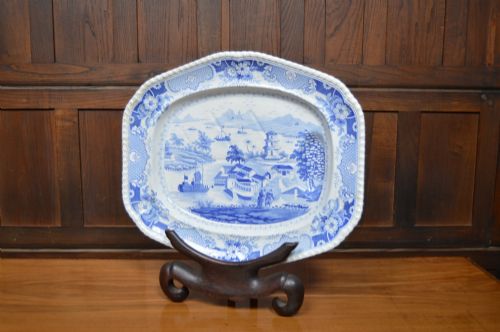
The selection spans formal nineteenth-century French porcelain and Victorian commemorative pottery alongside Georgian transferware. These items served both practical dining functions and display purposes within historical domestic interiors.
Makers ranged from large English potteries to Japanese export workshops. Pieces appear in round, oval, lobed and square formats decorated with hand-painted motifs or transfer-printed scenes.
How They Were Made
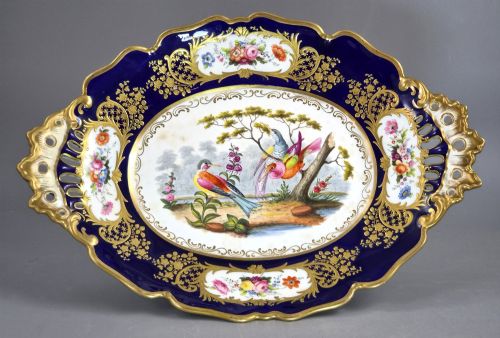
Potters shaped earthenware, ironstone and porcelain bodies on wheels or in moulds before applying initial cobalt blue underglazes or detailed enamel colours. Many Asian and European examples incorporate intricate hand-painting enhanced with gold leaf accents.
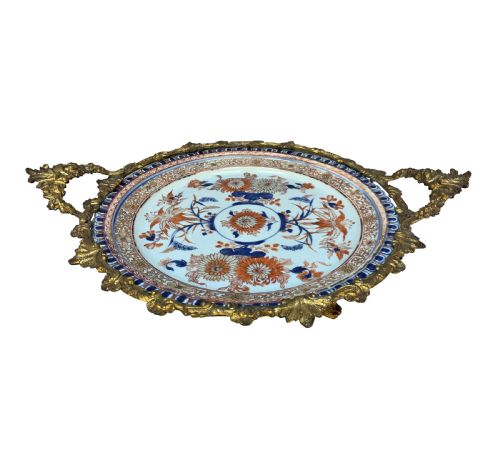
Some decorative ceramic platters combine ceramic bodies with cast metal mounts such as ormolu or champlevé enamel frames. Firing techniques varied from traditional East Asian wood-kiln methods to industrial Staffordshire and Parisian porcelain production.
Materials represented across the inventory span porcelain, earthenware, ironstone, gold leaf and champlevé enamel.
What Varies in Quality
The skill of the hand-painted brushwork distinguishes exceptional pieces from standard production wares, particularly in complex floral and figural compositions. Crispness of transfer printing and depth of glaze saturation also determine visual impact.
Integrity of the ceramic body, completeness of gilt highlights and preservation of polychrome enamels define the condition standards of surviving examples.
Royal Crown Derby·John Davenport of Longport·Royal Doulton·Copeland
The Decorative Ceramic Platters Glossary
- Charger
- A large decorative plate traditionally used for ceremonial dining or wall display in European and Asian interiors.
- Imari
- A traditional Japanese export style characterised by underglaze blue, iron red and gilt decoration on porcelain.
- Transferware
- Pottery decorated by applying a printed design from an engraved copper plate onto the ceramic surface.
- Delftware
- Tin-glazed earthenware produced in the Netherlands, known for its distinctive blue and white or polychrome palette.
Decorative Ceramic Platters: Frequently Asked Questions
How were decorative ceramic platters used?
Historical records indicate these platters functioned as serving vessels for grand meals and as decorative wall or cabinet display items. Wealthy households utilised large chargers on sideboards to showcase imported porcelain.
Over time, many pieces shifted entirely into decorative roles, displayed on plate racks or mounted with metal hangers for wall presentation.
What is the difference between earthenware and porcelain?
Earthenware uses porous clay fired at lower temperatures, resulting in a heavier, opaque body that requires a glaze for water resistance. Porcelain utilises refined kaolin clay fired at extremely high temperatures to produce a vitrified, translucent material.
Porcelain items generally demonstrate greater durability and thinner wall sections than traditional earthenware platters.
How should I display antique platters?
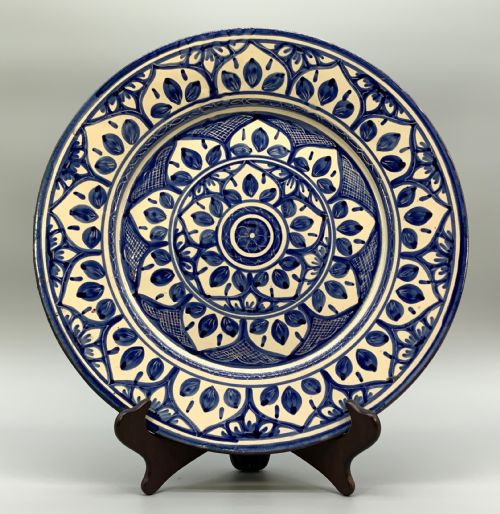
Antique platters suit wall mounting using specialist non-damaging brass wire hangers designed for heavy ceramic edges. Alternatively, sturdy table easels allow secure placement on sideboards and mantelpieces.
Display locations should avoid direct sunlight to protect vulnerable enamel colours and delicate gilt highlights from fading.