
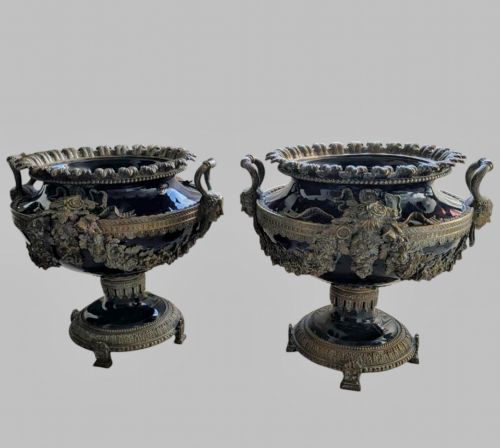
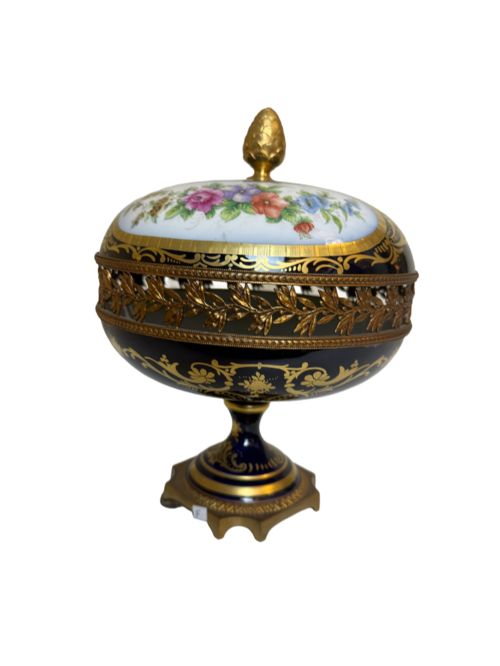
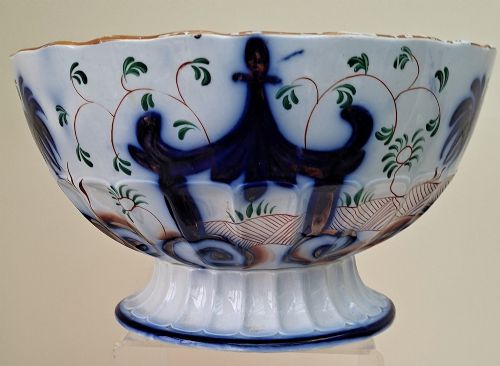
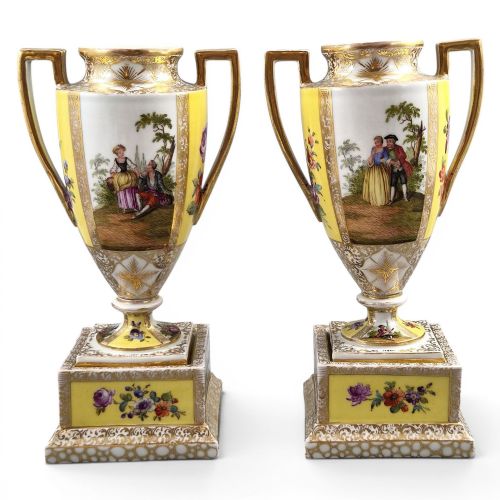


Decorative Ceramic Pedestal
A decorative ceramic pedestal elevates interior spaces through structured height and glaze, bringing nineteenth-century presence to heavy plants and display vessels.
Decorative Ceramic Pedestal
A decorative ceramic pedestal supports large plants, jardinieres, and display vessels across interior spaces. These items originate predominantly in the nineteenth century, extending into the early decades of the twentieth century.
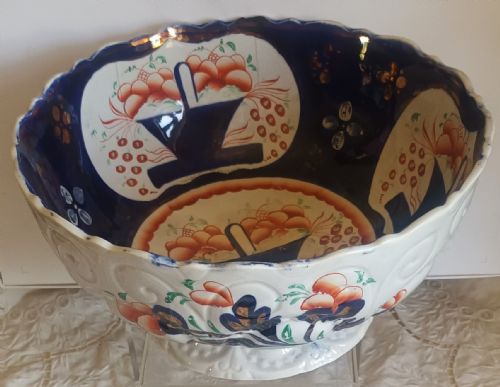
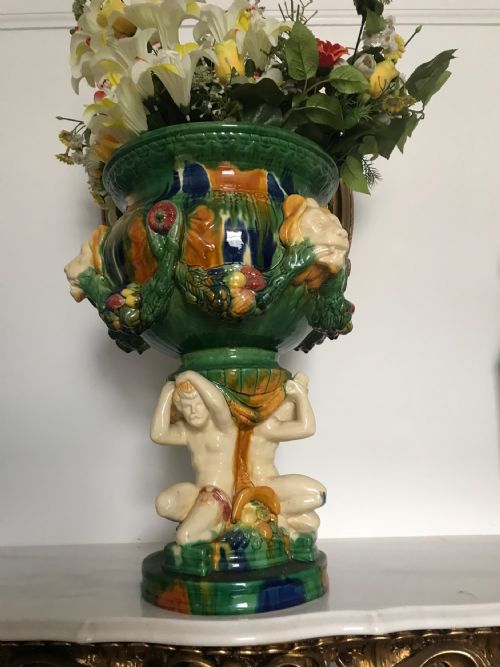
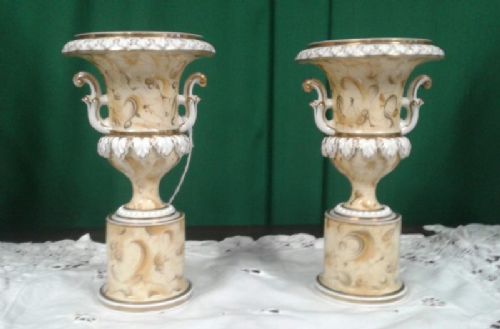
Forms span major historical revivals, encompassing French Rococo, Italian Renaissance, and Victorian Neoclassical styles. Buyers encounter monumental majolica bodies, delicate porcelain urns, and heavy earthenware planter stands.
Makers utilised diverse building methods, combining separate column and bowl elements or forming unified figural bases. These pieces served functional roles in conservatories and drawing rooms alike.
How they were made
Potters shaped these objects from earthenware, porcelain, and heavy ironstone pastes, often utilising moulds for complex figural columns and relief panels. Applied elements such as lions' heads and cherubs required careful hand-modelling before firing.
Glazing processes brought rich coloration to the surfaces, employing tin glazes for majolica, lustres for iridescent effects, and cobalt oxides for blue grounds. Gilding and gold leaf highlights were frequently added over the fired glaze and fixed in a muffle kiln.
Nineteenth-century potters occasionally included watchful lions and cheerful cherubs clinging to column bases to help hold up the heavy flora.
What varies in quality
The refinement of hand-painted detail and the crispness of moulded bas-reliefs separate standard production from exceptional studio outputs. Superior examples display precise brushwork on floral motifs and careful definition across figural statuary.
Glaze consistency and firing success dictate the visual depth of the piece, with premium ceramics avoiding pooling, dull matte patches, or heavy kiln warping. The structural stability of the combined pedestal and upper vessel remains critical to the integrity of the design.
Helena Wolfsohn Dresden·Wedgwood·Maling·Masons Ironstone·Minton·Royal Worcester·Royal Crown Derby·Moorcroft
The Decorative Ceramic Pedestal Glossary
- Majolica
- A type of colourful lead-glazed earthenware characterised by vibrant coloured glazes applied over an opaque tin-opacified white glaze. This technique reached monumental heights in Victorian production.
- Campana
- A classical vase shape resembling an inverted bell with flared rims and looped handles. These urns frequently rest on dedicated pedestals or square plinths.
- Comport
- A decorative footed bowl or dish raised on a pedestal base, traditionally used for serving fruit or displaying sweets. Victorian examples often incorporate figural supports.
- Ewer
- A large jug with a wide spout and looped handle, primarily used for decorative display rather than utility. Many surviving examples form matching pairs with pedestals or urns.
- Jardiniere
- A large ornamental pot or stand designed to hold plants and floral arrangements indoors. They appear in earthenware, majolica, and heavy faience bodies.
Decorative Ceramic Pedestal: Frequently Asked Questions
How do I style a ceramic pedestal?
Place a large heavy jardiniere or a tall pedestal vase on top to anchor corners in reception rooms or conservatories.
Ensure the weight of the upper vessel matches the structural capacity of the supporting column below.
Were these pedestals made outdoors?
Most nineteenth-century ceramic stands and jardinieres were intended for interior conservatory or drawing room display rather than garden exposure.
Frost and damp can damage porous earthenware and delicate majolica glazes over time.
What periods do these pieces span?
The available selection primarily covers the nineteenth century, spanning Victorian Gothic and Neoclassical revivals through to Edwardian production.
Art Deco and later twentieth-century studio pottery styles also appear among the larger floor-standing planters.