


Brown Ceramic Plant Stand
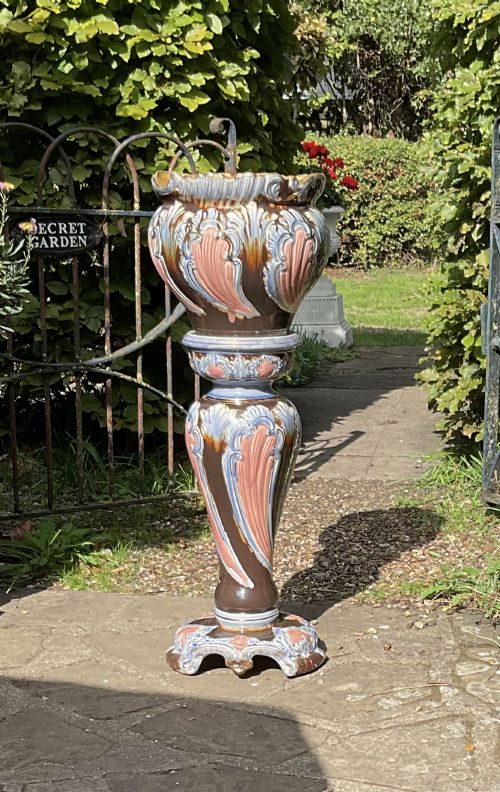
These brown ceramic plant stand pieces bring rich earthenware tones and naturalistic form to interiors, offering a sturdy base for greenery.
Brown Ceramic Plant Stand
A brown ceramic plant stand serves as a functional pedestal or table designed to elevate botanical displays within a room. The selections on this page span the nineteenth century, nineteen hundred, nineteen ten, nineteen thirty, eighteen ninety, and eighteen eighty, drawing upon styles such as Victorian, Art Nouveau, Arts and Crafts, Victorian Rustic, Art Deco, and Victorian Naturalism.
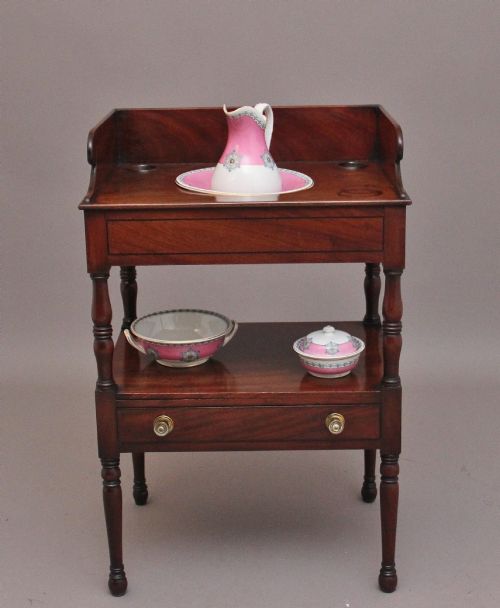
Buyers encounter forms categorised as side tables, jardinieres, washstands, and plant stands and pedestals. These objects combine earthenware pottery with wooden frames of oak and mahogany, or incorporate glazed tiles into table tops to support heavy planters.
How they were made
Potters shaped these pieces from earthenware and ceramic, applying majolica and faience glazes to achieve deep brown colourways and reflective surfaces. Workshops often utilised ceramic and glazed tiles inset into wooden structures.
Carpenters constructed supporting tables and stands using solid oak and mahogany, frequently incorporating brass details alongside naturalistic pottery planters and jardinières.
Several planters disguise themselves as ordinary side tables until someone notices the water reservoir hiding beneath the tabletop tiles.
What varies in quality
The sophistication of the ceramic modelling dictates the upper tier of these pieces, particularly where naturalistic plant forms and majolica glazes show careful definition. Superior examples demonstrate a cohesive integration between the pottery jardinière and the supporting wooden frame, whether oak or mahogany.
Artisanal execution in the tile work and pottery defines the distinction between standard production and works attributed to notable makers. The depth of the glaze and the precision of the botanical or geometric moulding separate ordinary utility items from decorative showpieces.
Julius Dressler·Woodlesford Art Pottery
The Brown Ceramic Plant Stand Glossary
- Earthenware
- A porous type of pottery fired at a lower temperature, commonly used for larger planters and jardinières. It requires a glaze to hold water effectively.
- Majolica
- A colourful tin-glazed earthenware popular during the nineteenth century, known for rich brown and green tones and glossy finishes. It frequently appears on naturalistic plant containers.
- Jardiniere
- A large ornamental pot or stand designed to hold live plants or flowers indoors. These pieces often feature sculptural ceramic bodies.
- Faience
- European tin-glazed earthenware similar to majolica, often produced by regional art potteries. It provides a smooth canvas for earthy glazes and decorative motifs.
Brown Ceramic Plant Stand: Frequently Asked Questions
What is a brown ceramic plant stand used for?
These pieces function primarily to elevate potted plants, ferns, and floral arrangements above floor level to improve light exposure and interior aesthetics. Many incorporate side table surfaces alongside the central planter.
Historically, they served both domestic display purposes and practical water management for indoor greenery during the Victorian and Edwardian eras.
How do I identify a Victorian plant stand?
Victorian examples frequently display heavy naturalistic motifs, such as rustic tree bark textures, foliage, and rich brown majolica or faience glazes. They often combine earthenware vessels with dark woods like mahogany.
Construction methods typically involve nineteenth-century joinery techniques, distinguishing them from later Art Deco or Arts and Crafts productions.
Are these stands suitable for heavy plants?
The structural strength depends on whether the piece relies entirely on ceramic or integrates a wooden framework of oak or mahogany. Many incorporate sturdy pedestals and tiled table tops designed to bear substantial weight.
Buyers should examine the base construction and the thickness of the earthenware body to determine stability for large specimens.