



Decorative Ceramic Bases
These decorative ceramic bases bridge utility and sculpture, bringing patterned earthenware and porcelain into interiors as lamps, urns, and sculptural mounts.
Decorative Ceramic Bases
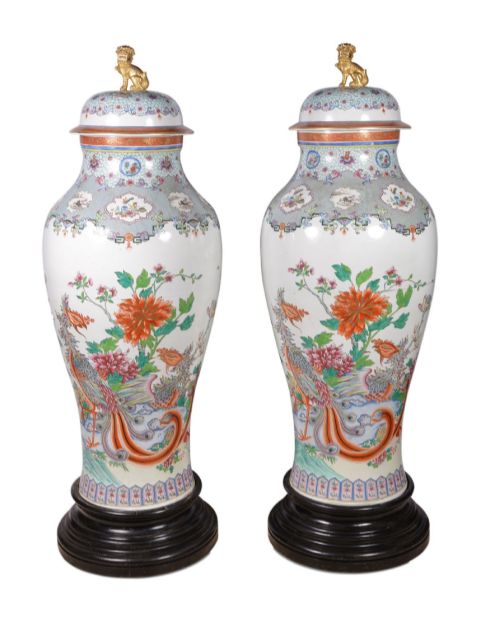
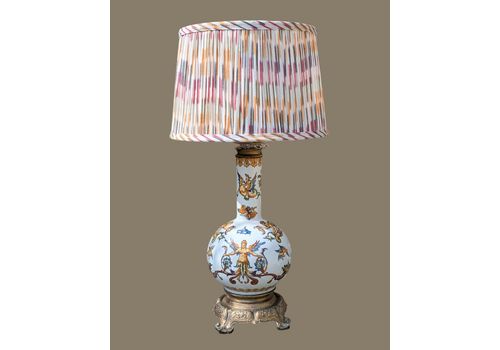
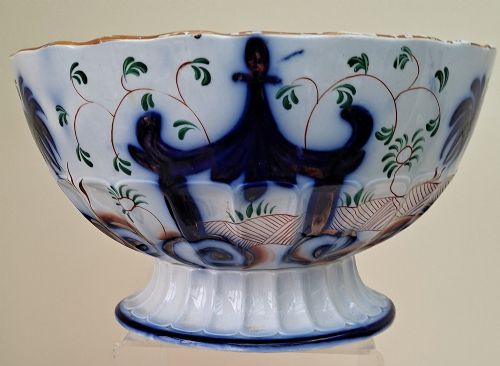
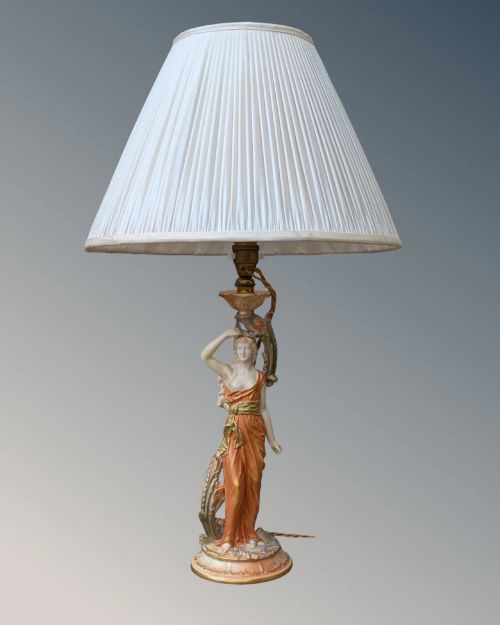
Decorative ceramic bases encompass functional vessels converted for illumination alongside dedicated sculptural supports and footed display forms. When exploring decorative ceramic bases, collectors encounter earthenware, porcelain, and ironstone shaped into table lamps, urns, planters, and candelabras.
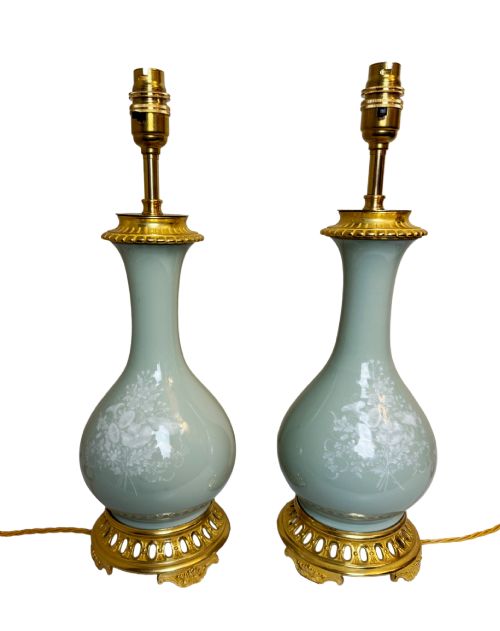
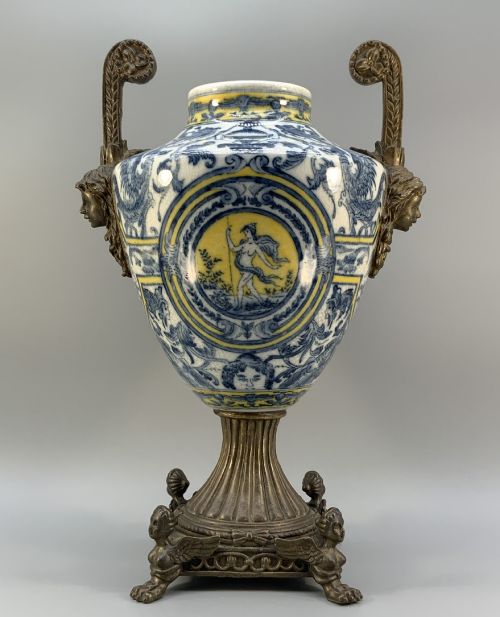
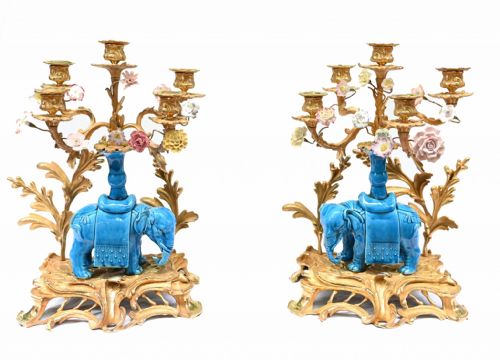
The material evidence spans nineteenth-century Victorian output through to mid-century studio pottery and twentieth-century interpretations. Pieces frequently incorporate mixed media, pairing ceramic bodies with bronze mounts, brass fixings, ebonised wood, and gilt accents.
Origin points vary widely from English potteries to continental European workshops and Asian export traditions. Common iterations include Majolica glazes, Wedgwood jasperware, and hand-sculpted animal figures perched upon dedicated platforms.
Materials and construction
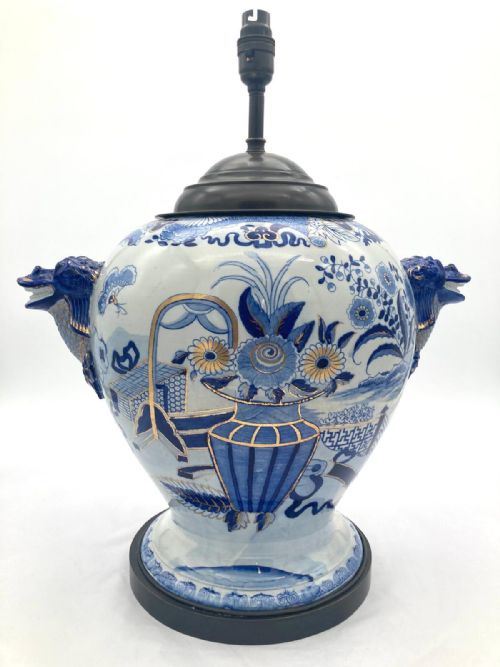
Makers shaped these objects using traditional ceramic techniques, employing earthenware, ironstone, and porcelain bodies finished with coloured glazes or hand-painted details. Many pieces utilise specialised surface treatments, including Sancai glazing, blue-and-white transfer printing, and applied white bas-reliefs.
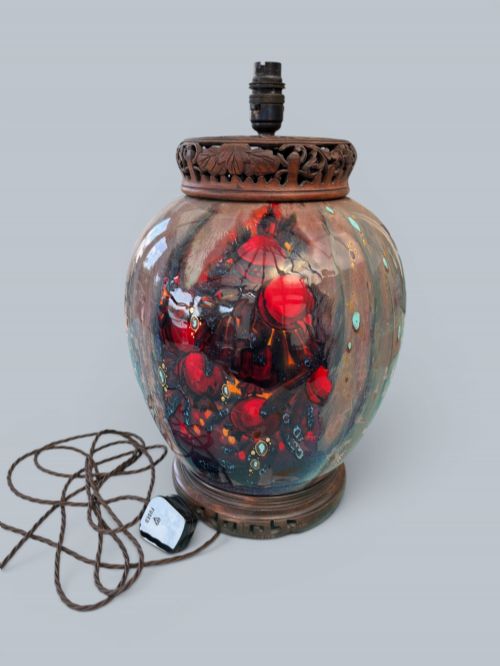
Structural integrity often relied on secondary materials to support heavy ceramic forms, integrating cast bronze mounts, brass bases, and turned wooden plinths. Conversion work for electrical wiring or candle fitting frequently introduced additional brass and gilt components to secure the ceramic bodies.
Decorative Ceramic Bases Retail Price Guide 2026
Typical asking prices for decorative ceramic bases among the pieces listed under this phrase on Sellingantiques today, from the lower quarter to the upper quarter. They describe what is for sale here now, not the wider market.
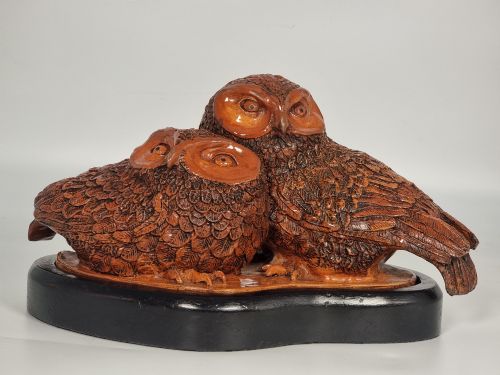
Ebonised wooden platforms support hand-sculpted pottery owls, keeping guard over domestic interiors with unblinking ceramic focus.
Distinctions in quality
Quality rests in the precision of the ceramic modeling and the clarity of the glaze work, distinguishing mass production from accomplished studio output. Crisp definition in moulded reliefs, such as classical figures on jasperware or botanical motifs on majolica, indicates superior production standards.
The integration of secondary materials dictates overall refinement, separating standard utilitarian adaptations from pieces where bronze mounts, brass fittings, and wooden bases are executed with artistic cohesion.
Hicks and Meigh·Moorcroft Art Pottery·Royal Worcester·Wedgwood
The Decorative Ceramic Bases Glossary
- Jasperware
- A type of fine-grained, unglazed stoneware developed by Josiah Wedgwood, typically featuring contrasting white bas-relief figures against a coloured background. It became popular for neoclassical campana urns and portrait medallions.
- Majolica
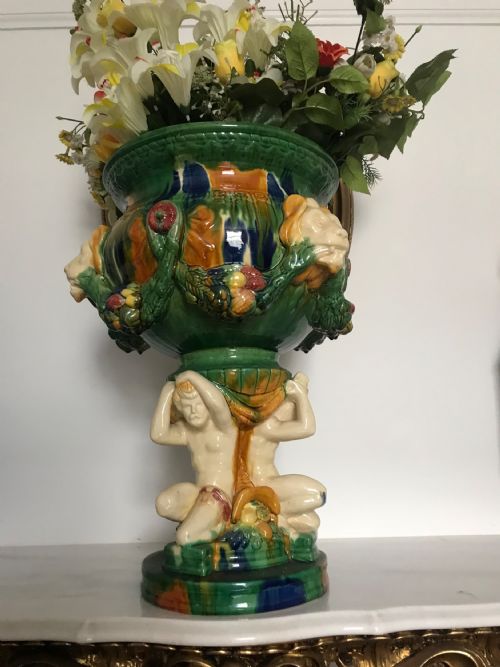
- A heavy earthenware pottery covered with an opaque tin-lead glaze and painted with bright metallic oxide colours. This technique produced vivid planters, figures, and lamps with rich surface textures.
- Ironstone
- A heavy, durable type of earthenware patented in nineteenth-century England to imitate porcelain. It provides a robust body for large vases and vessels often adapted for domestic lighting.
- Sancai
- A traditional Chinese three-color lead glaze technique, predominantly utilising amber, green, and creamy white tones. It appears on porcelain ducks and figures produced in imitation of earlier dynasties.
Decorative Ceramic Bases: Frequently Asked Questions
What defines a decorative ceramic base?
These pieces combine ceramic bodies, such as porcelain, earthenware, or ironstone, with supporting architectural or sculptural forms. They often function as lamp bases, pedestals, or footed display vessels.
Many examples incorporate secondary materials like bronze, brass, or wood to elevate the ceramic element. Their utility ranges from direct interior illumination to sculptural display.
How are converted lamps structured?
Conversion typically involves mounting a historic vase, urn, or figure onto a stable wooden, brass, or bronze plinth. Electrical fittings are then secured through the top or base of the ceramic body.
This adaptation preserves the decorative integrity of the original porcelain or earthenware while adding modern functional utility to interior spaces.
How do I identify nineteenth-century pieces?
Nineteenth-century examples often display distinct regional characteristics, such as Victorian majolica glazes, neoclassical jasperware reliefs, or Renaissance revival motifs. Material weight and mounting styles offer further clues to the period.
Examining the underside and construction methods helps distinguish nineteenth-century production from later twentieth-century studio or revival output.
Where should I place these in a room?
These ceramic bases suit side tables, mantelpieces, and dedicated console surfaces where their height and colour can anchor a room's design scheme. Sculptural figures and urns work well as focal points on sturdy wooden furniture.
When using lamp conversions, ensure the surrounding decor complements the specific glaze style, whether it is bright majolica or subtle blue-and-white porcelain.