

Decorative Cast Iron
Decorative cast iron spans garden urns, umbrella stands and architectural pieces from the Victorian era onward, shaped by master founders.
Decorative Cast Iron
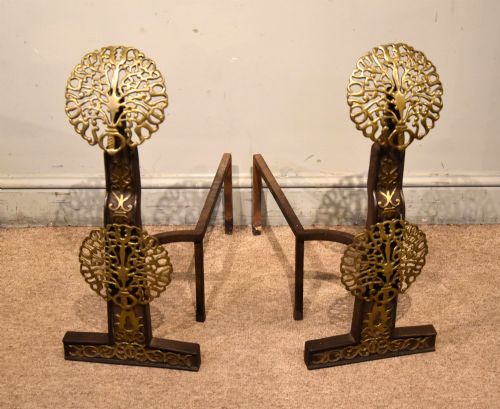
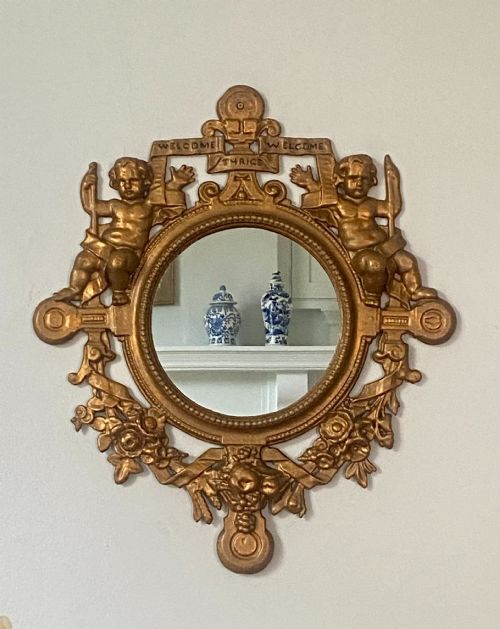
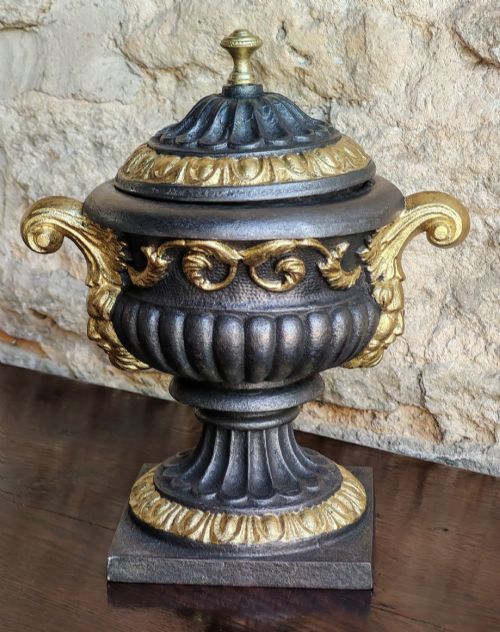
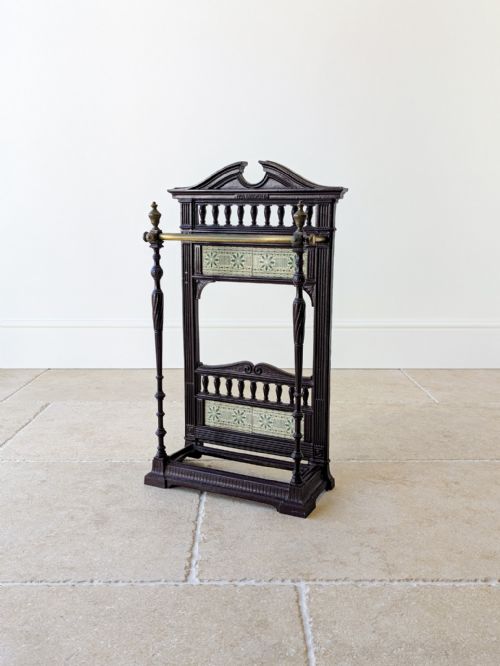
Decorative cast iron encompasses utilitarian objects turned ornamental, ranging from garden urns and umbrella stands to fireplace accessories and architectural salvage. These pieces emerge predominantly from Victorian and nineteenth-century production, alongside works from around nineteen hundred and the early twentieth century.
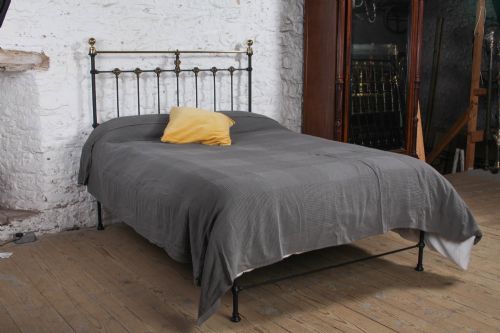
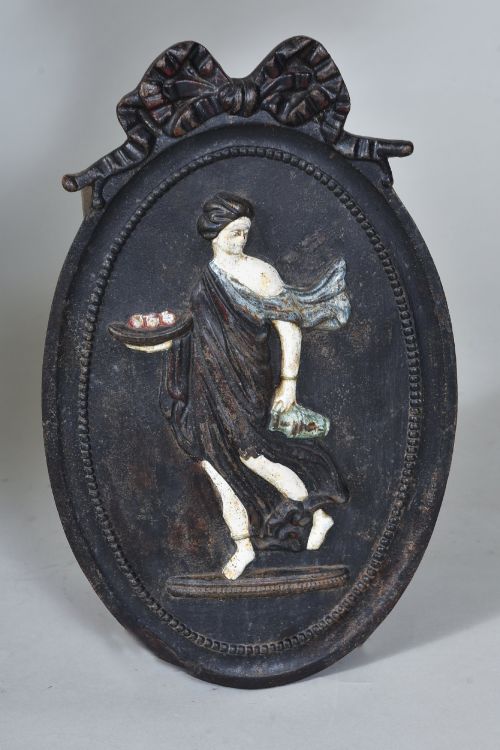
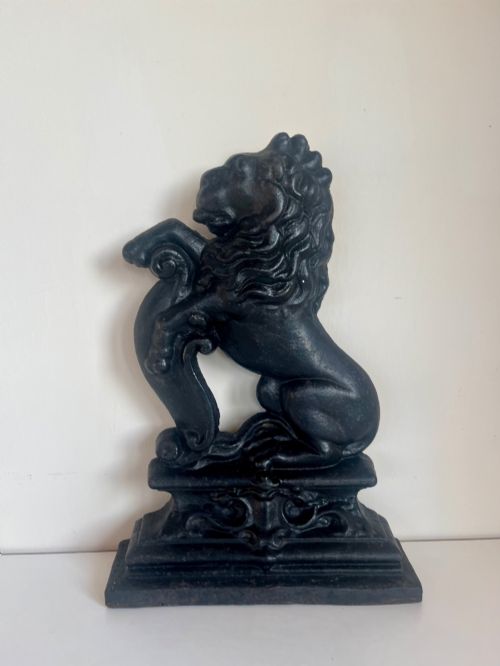
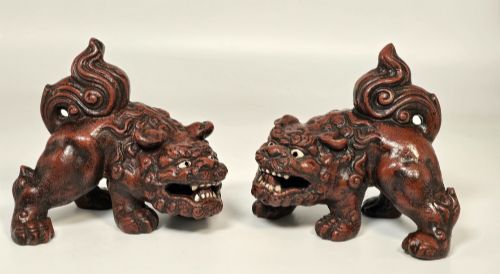
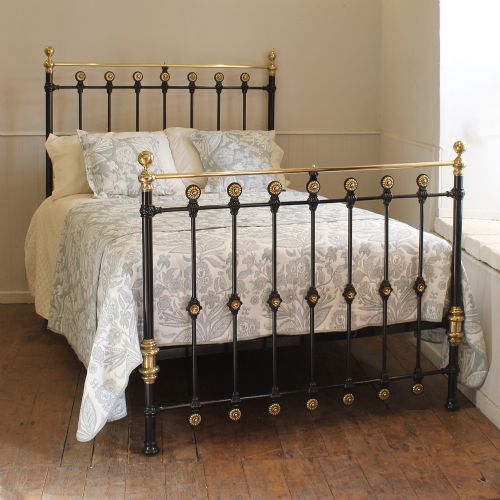
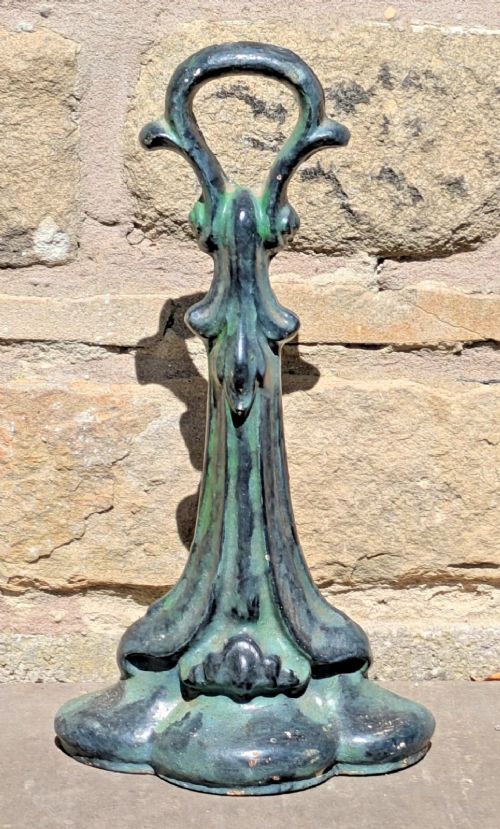
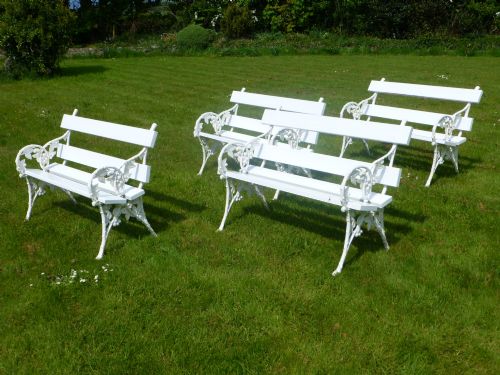
Buyers encounter items originating from English and French foundries, spanning styles such as Neoclassical, Gothic Revival, Aesthetic Movement and French Chinoiserie. Garden benches, doorstops and beds demonstrate the material's versatility across domestic and exterior settings.
Materials and Technique
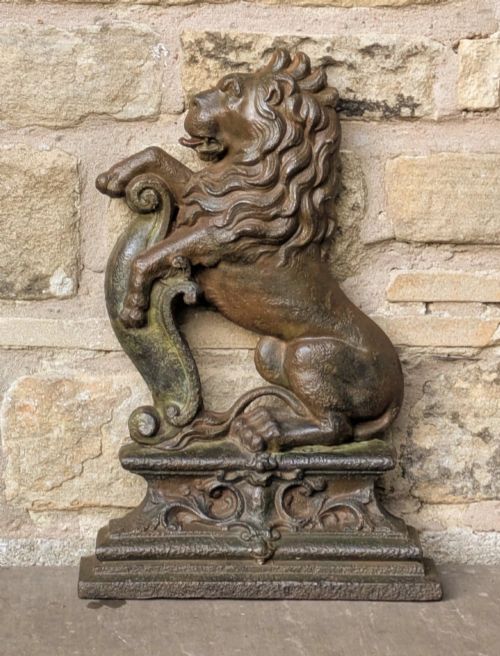
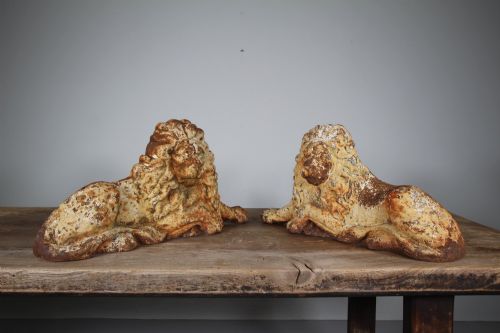
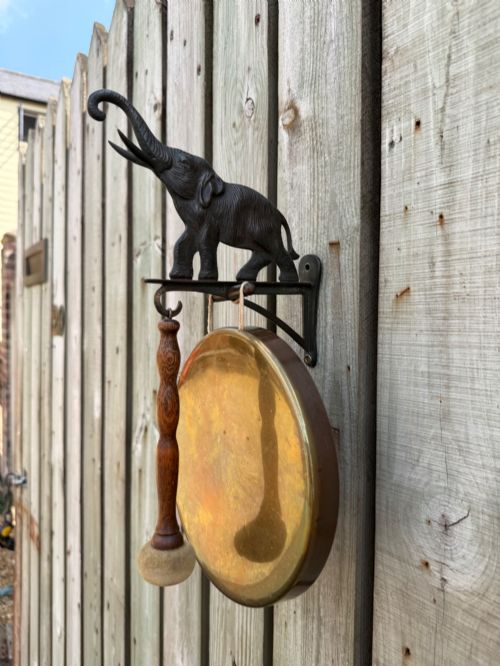
Foundries utilised molten iron poured into sand moulds to achieve intricate relief work, capturing crisp details like ivy leaves, acanthus foliage and animal figures. Many items incorporate secondary materials such as brass fittings, wooden carriages, oak panels or remnants of original paint.
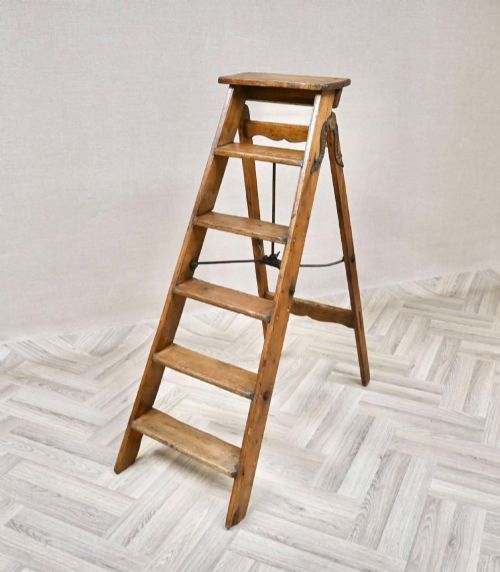
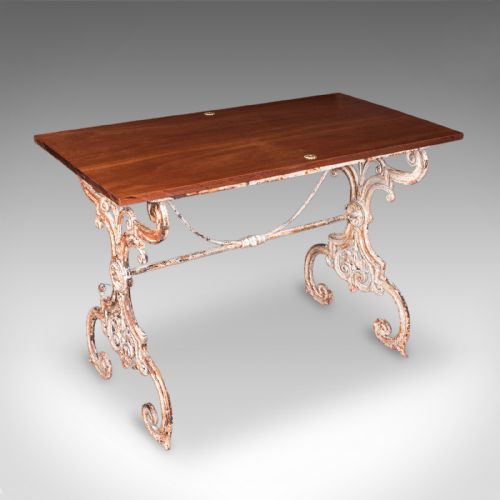
Makers combined cast iron with wrought iron and timber in complex assemblies like garden benches, beds and signal cannons. Surface finishes range from weathered patinas and painted black or green coats to polished brass accents.
Decorative Cast Iron Retail Price Guide 2026
Typical asking prices for decorative cast iron among the pieces listed under this phrase on Sellingantiques today, from the lower quarter to the upper quarter. They describe what is for sale here now, not the wider market.
Object types include garden benches, umbrella stands, architectural scroll panels, doorstops and printers stamps.
Standards of Production
Quality rests upon the sharpness of the casting, where superior examples exhibit deep, clear relief work without blurred edges or pitted surfaces. Foundries known for high artistic standards produced crisper botanical motifs and cleaner lines on urns and stick stands.
The integrity of the original construction and the preservation of authentic surface treatments dictate distinction within the category. Items retaining early paint or patination demonstrate greater fidelity to their period of manufacture.
Falkirk foundry·Coalbrookdale·Andrew Handyside·Val d'Osne foundry
The Decorative Cast Iron Glossary
- Cast iron
- An iron-carbon alloy poured into moulds to create rigid objects. It allows for mass production of highly detailed decorative items.
- Campana urn
- A bell-shaped garden vessel popular in classical designs. These pieces often feature fluted bodies and distinct handles.
- Fire back
- A heavy iron plate placed at the back of a fireplace. It radiates heat and protects the masonry wall behind the grate.
- Ceiling rose
- An ornamental plaster or metal disc fixed to the ceiling around a light fitting. Cast iron versions showcase botanical or geometric relief patterns.
- Doorstop
- A heavy utilitarian object designed to hold doors open. Cast iron variants take sculptural forms including figures, animals and nautical subjects.
Decorative Cast Iron: Frequently Asked Questions
How do I clean decorative cast iron?
Dust surfaces regularly with a soft dry brush to prevent dirt accumulation in intricate crevices. Avoid harsh chemical cleaners that strip historical finishes.
Apply a light coat of microcrystalline wax to protect exposed metal surfaces from moisture. Keep items away from damp outdoor conditions unless properly sealed.
Where were these pieces manufactured?
Production occurred primarily across British and French foundries during the nineteenth and early twentieth centuries. Industrial centres utilised specialised casting techniques to supply both domestic and garden markets.
Signature styles often reflect the geographical origin, such as French Chinoiserie or English Gothic Revival pieces. Foundry marks frequently help confirm the specific place of creation.
Can cast iron garden urns stay outside?
These items tolerate outdoor placement well due to the durable nature of the metal. Continued exposure to weather develops a natural weathered patina over time.
Protect planters from severe freezing conditions by ensuring adequate drainage holes remain clear. Standing water expanding in cold temperatures can crack the metal.
How do I identify a Victorian piece?
Examine the surface for characteristic nineteenth-century decorative styles like Gothic Revival, Aesthetic Movement or Neoclassical motifs. Heavy construction and traditional casting methods point toward this period.
Look for registration marks, foundry stamps or characteristic fastener types. Comparing the decorative relief work against known period catalogues aids verification.