

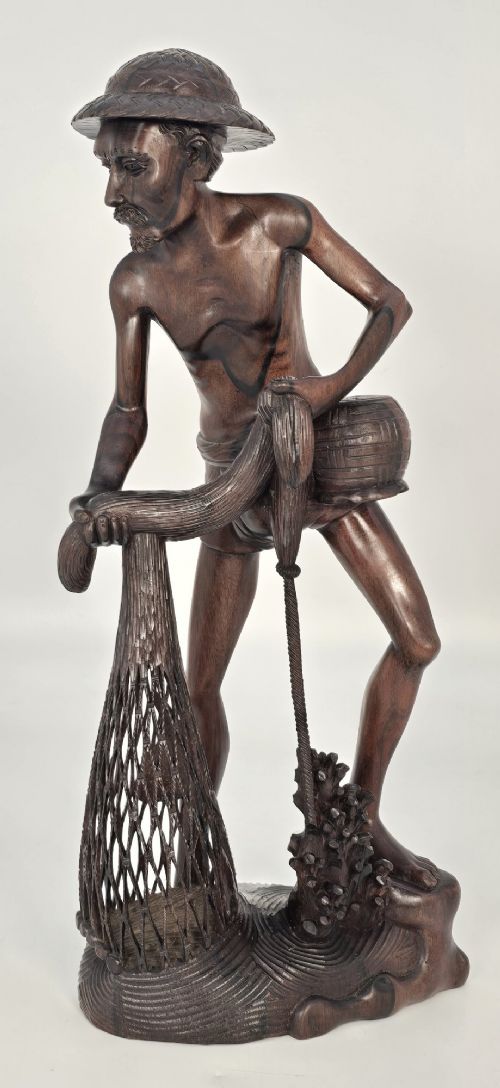
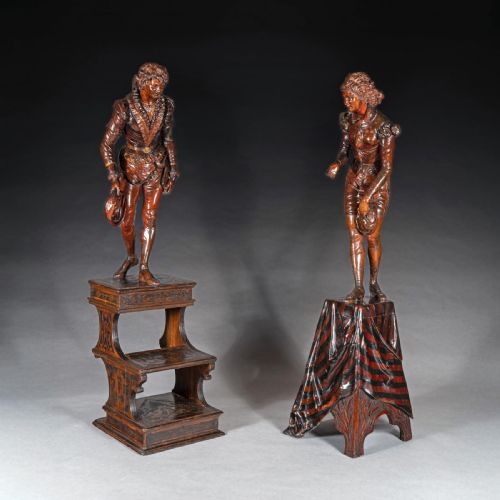
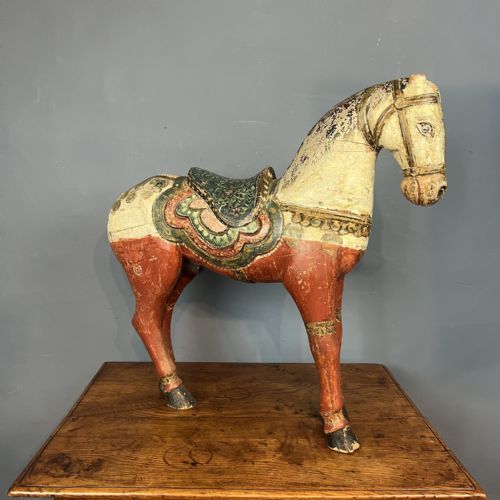
Decorative Carved Statue
These decorative carved statue pieces bring character and history into a room, spanning multiple centuries and global carving traditions.
Decorative Carved Statue
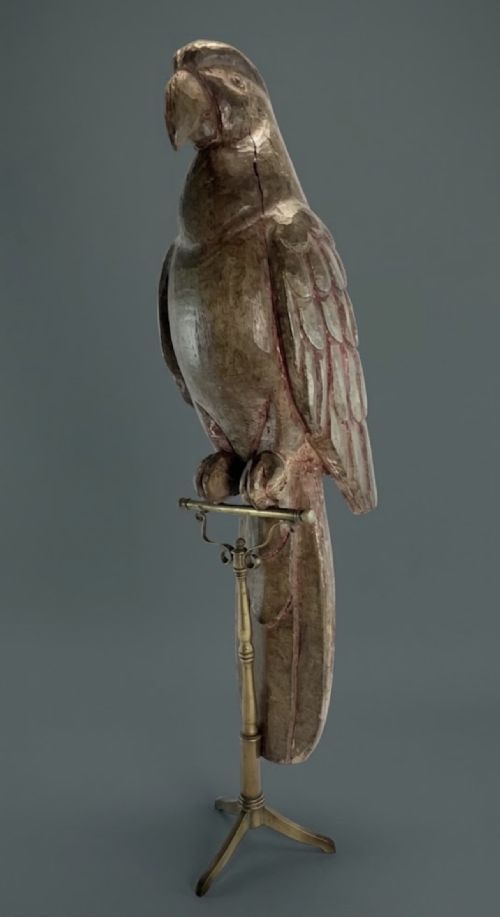
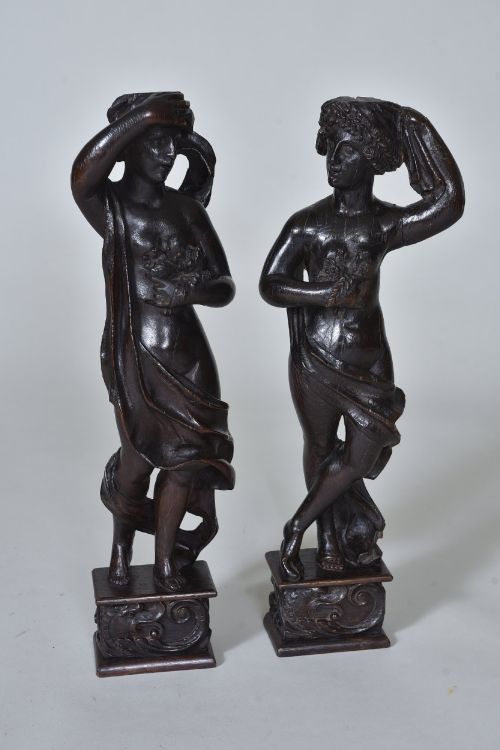
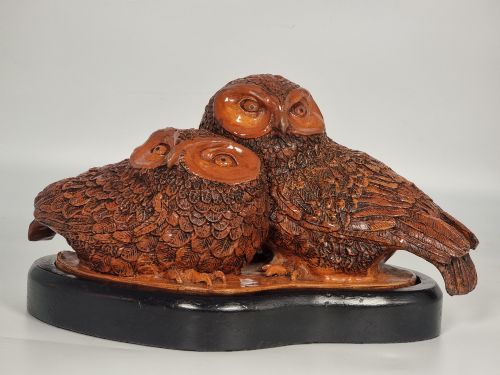
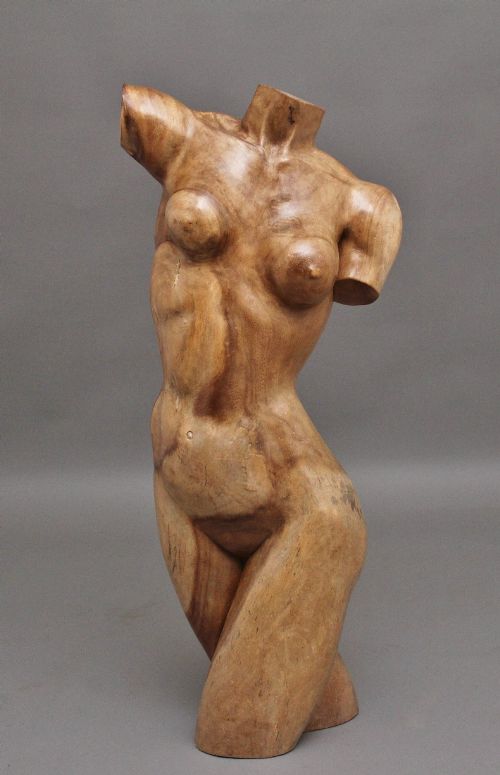
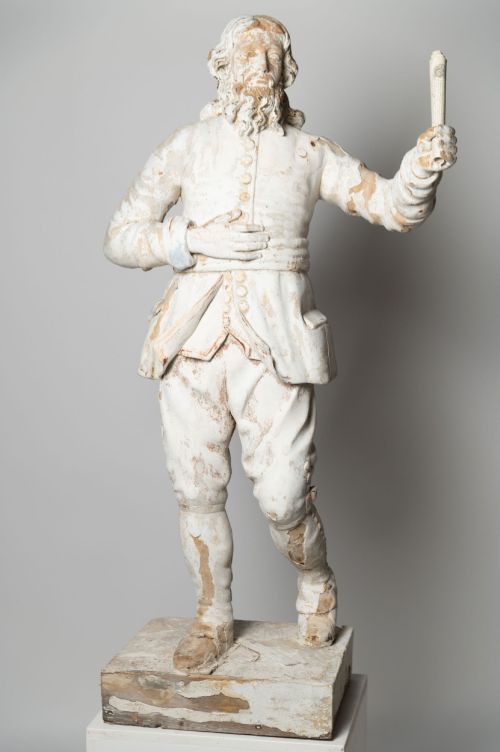
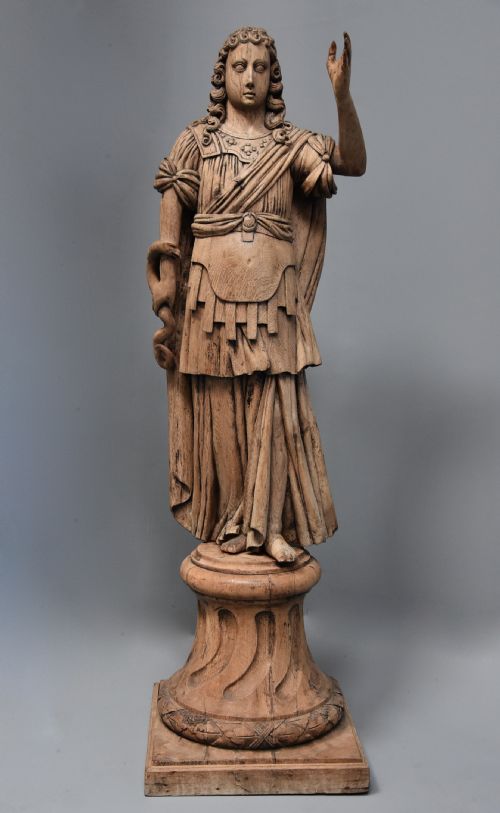
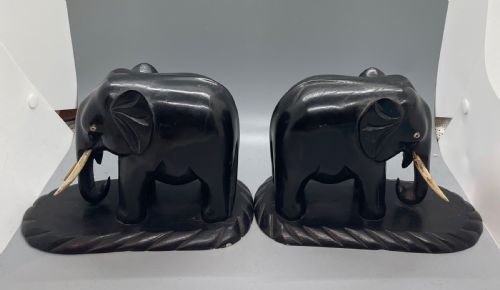
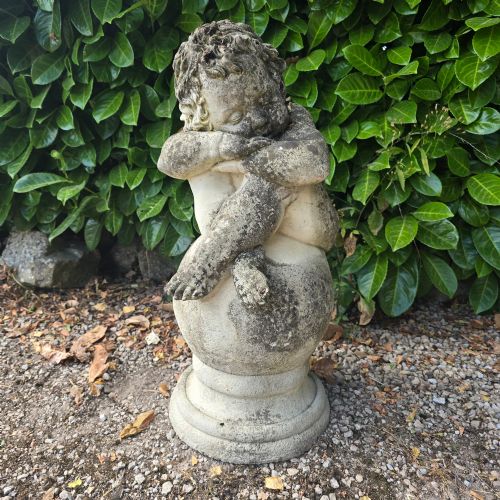
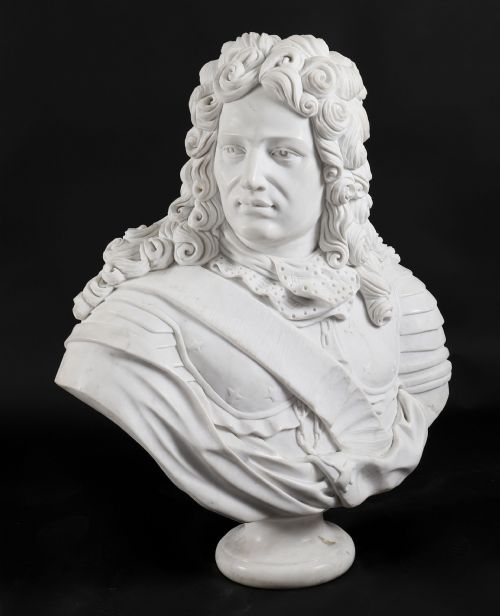
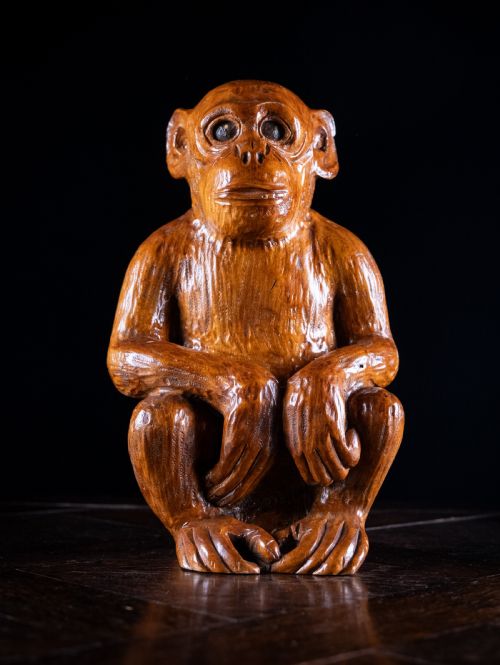
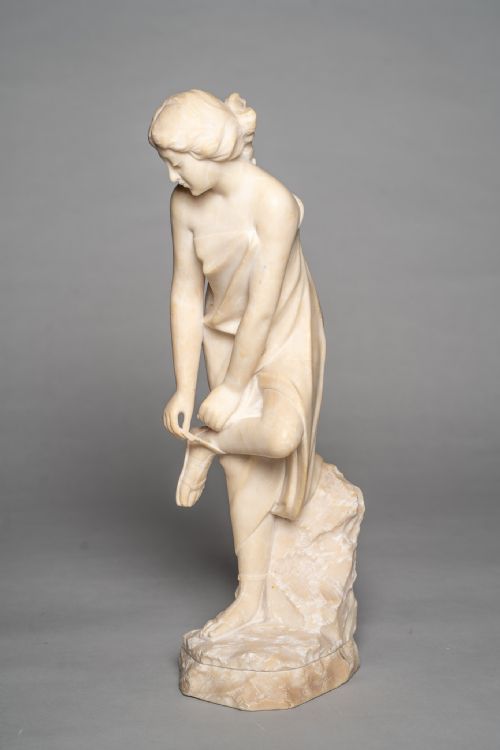
When searching for a decorative carved statue, buyers encounter an eclectic mix of figurative works, animals, and architectural elements spanning from the Georgian period through the mid twentieth century. These objects range from life size human figures and classical busts to small animal studies and bookends.
The selection on this page draws from diverse global origins, including European workshops, Chinese dynasties, Indian studios, and African carvers. Forms vary widely from practical bookends and lamps to standalone sculptures and altar figures.
Materials and Technique
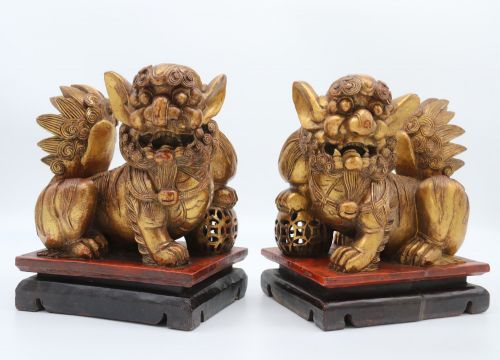
Carvers utilised a variety of organic and mineral media, predominantly working in seasoned hardwoods, limewood, oak, and ebony, alongside softer stones like alabaster, marble, and soapstone. Surface treatment plays a defining role in many pieces, incorporating polychrome paint, original gold leaf, lacquer, and gilt finishes.
The physical construction reflects the tools and traditions of the maker's era, whether through the deep chisel marks of European folk art or the precise detailing of Asian okimono and temple figures. Many works combine carved wooden or stone elements with integrated stands, ebonised wooden bases, or brass supports.
The design vocabulary spans traditional European baroque and classical revival styles alongside Art Deco and Arts and Crafts movements.
Assessing Quality
Quality rests in the anatomical proportion, the depth and confidence of the carving, and the preservation of original surface finishes such as polychrome paint or gilding. Superior examples display a naturalism or stylistic clarity that elevates them beyond mass production.
A.Gamay·Valentino Besarel·Haruyama Shunzan·John Wenlock Rollins·Hans Müller
The Decorative Carved Statue Glossary
- Polychrome paint
- Decoration utilising multiple distinct colours applied to wood, stone, or terracotta surfaces. This technique highlights carved details and provides historical context regarding the piece's original aesthetic.
- Gilt wood
- Timber surfaces coated with a thin layer of gold leaf or metallic powder. This treatment was frequently utilised on European baroque and Asian temple figures to create a luminous appearance.
- Okimono
- A Japanese decorative freestanding statuette traditionally displayed in a domestic interior. These carvings demonstrate meticulous attention to natural detail in subjects like carp and other fauna.
- Blackamoor
- A historical European decorative art motif depicting figures from non-European backgrounds, often executed in carved and painted wood or metal with applied ornament.
Decorative Carved Statue: Frequently Asked Questions
How do I clean a carved wooden statue?
Dust the surface regularly with a soft, dry, lint-free cloth to prevent particulate buildup in the carved recesses.
Avoid using water, liquid cleaners, or wax polishes unless you are certain the existing finish can tolerate them.
Are these statues suitable for outdoor display?
Most of these pieces are intended strictly for indoor environments due to delicate painted surfaces, gilding, and sensitive woods or stones.
Exposure to moisture, direct sunlight, and fluctuating temperatures will cause timber to split and polychrome finishes to flake.
How can I tell the age of a stone bust?
Examine the tool marks left behind on the unpolished areas, as hand chiselling differs significantly from modern machine cutting.
Natural weathering, surface patination, and the specific composition of the marble or alabaster also offer clues to the period of creation.
What is the difference between a figure and a bust?
A figure represents the full body, either standing, sitting, or reclining, often showcasing complete anatomical form and clothing.
A bust focuses solely on the head, shoulders, and upper chest, traditionally used for portraiture and classical representations.