
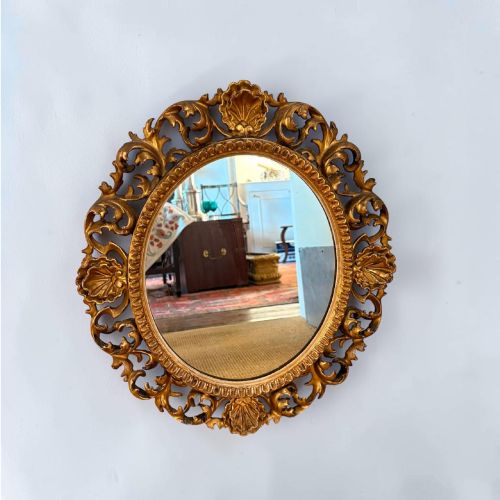
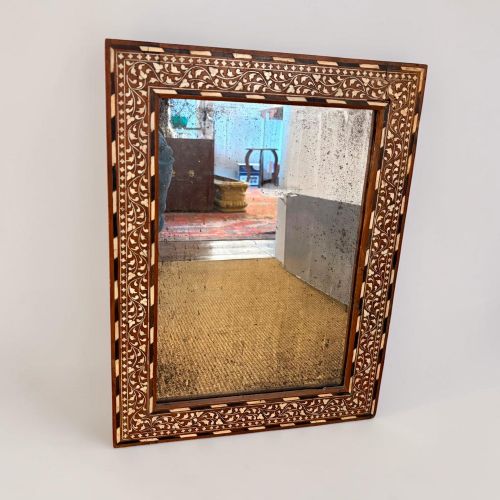
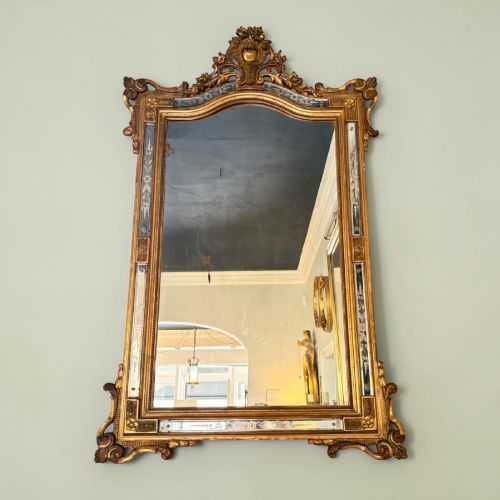
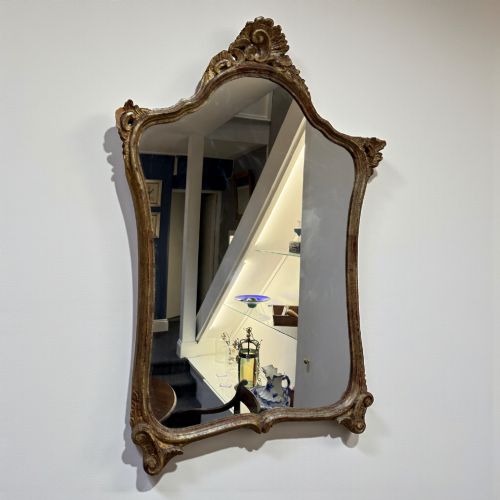

Decorative Carved Mirror
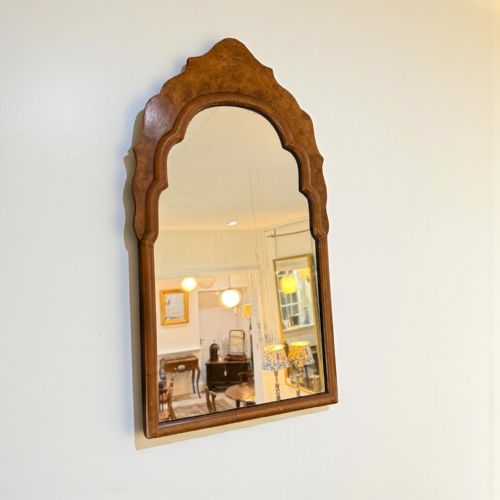
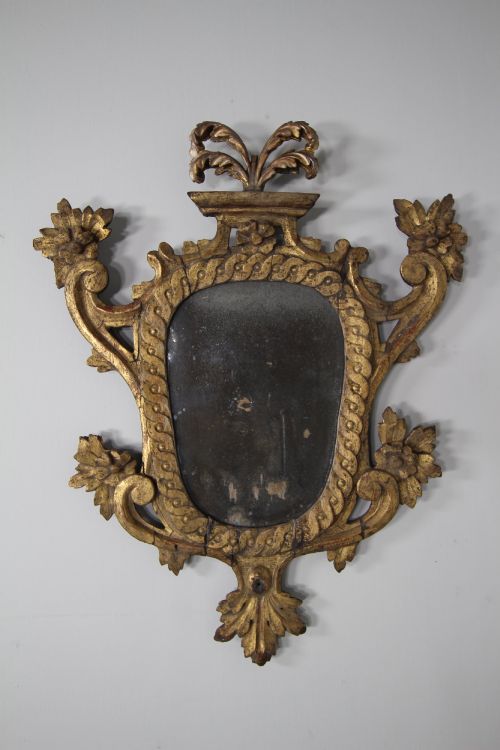
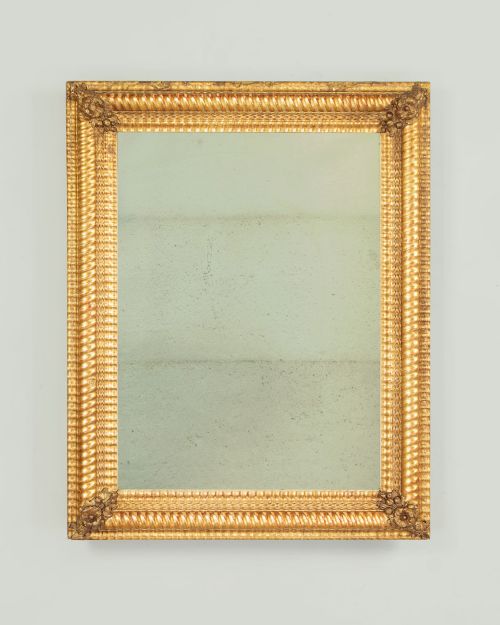
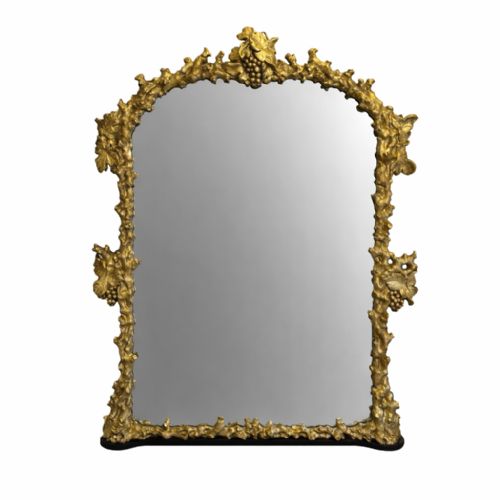
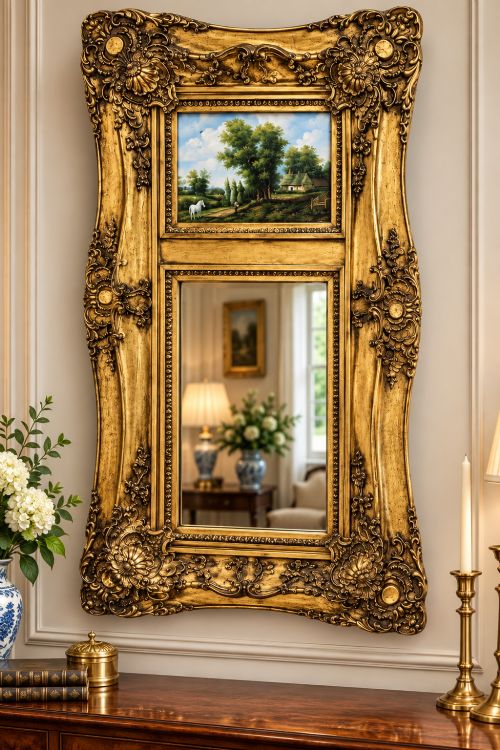
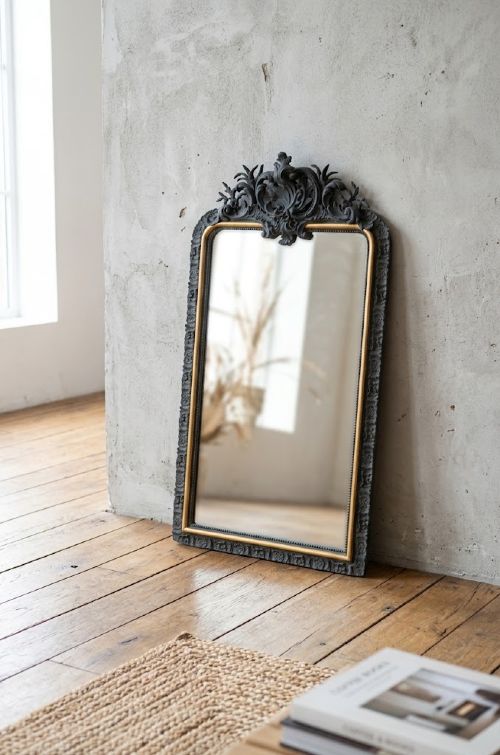
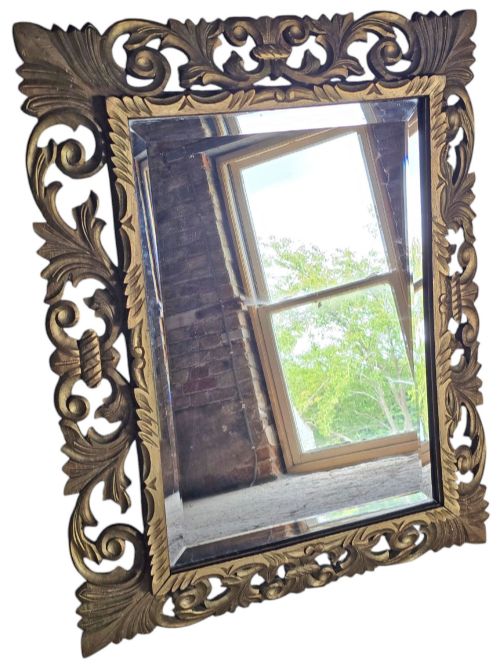
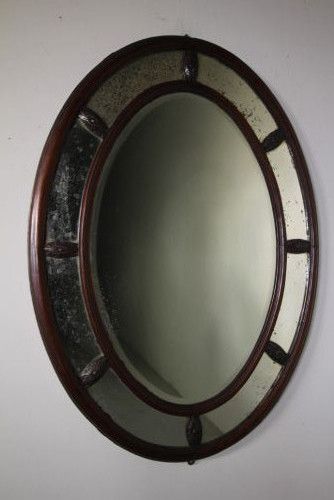
A decorative carved mirror brings reflective light and intricate wooden or gesso detail into a room, drawing on centuries of European craftsmanship.
Decorative Carved Mirror
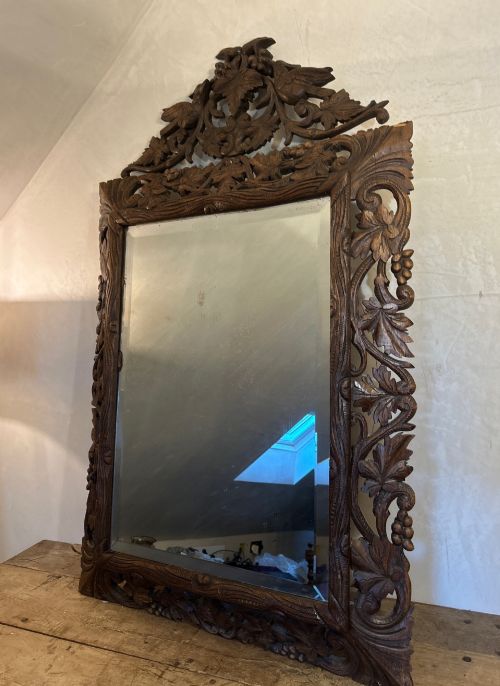
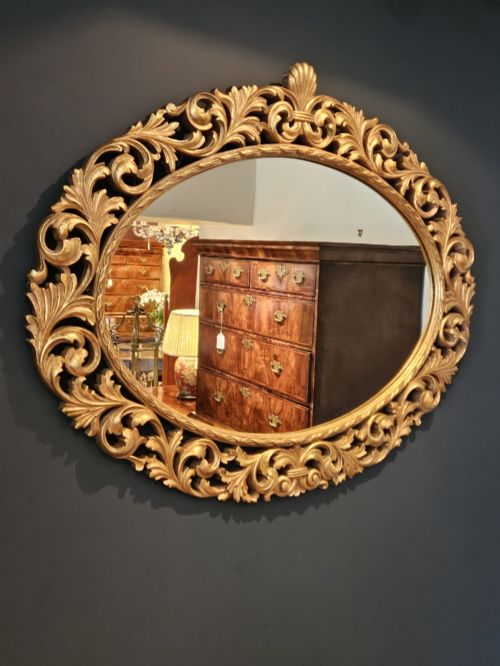
A decorative carved mirror serves as both a practical looking glass and a primary focal point within a room, drawing the eye through elaborate framing. Buyers searching for a decorative carved mirror encounter numerous regional variations, predominantly originating from nineteenth-century France, Italy, and England.
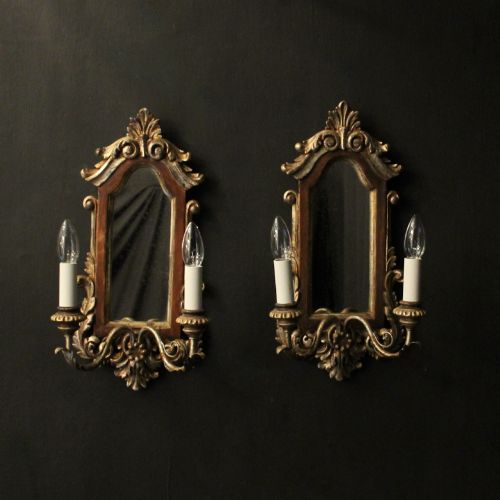
The inventory encompasses substantial overmantel mirrors designed to sit above a fireplace, tall pier mirrors meant for spaces between windows, and circular convex or girandole styles equipped with candle sconces. Surviving examples reflect historical revivals ranging from exuberant Rococo and Regency to classical French Chateau aesthetics.
How They Were Made
Carvers shaped frames from solid timber foundations such as oak, mahogany, pine, and walnut before applying layers of gesso to build up intricate relief ornaments like leaves, scrolls, and crests. Artisans then finished these surfaces using gold leaf, liquid metal gilding, or layered paint, sometimes distressing the finish for an aged appearance.
Mirrors incorporated plate glass fixed into the wooden rabbet, occasionally featuring hand-engraved designs or convex distortion to manipulate light within the interior space.
Dolphins, dragons, and vines occasionally swim and climb across nineteenth-century frames.
What Varies In Quality
The depth and crispness of the carving distinguish finer pieces from simpler productions, with hand-chiseled wooden details offering sharper definition than moulded composition ornaments. Superior frames maintain original gilding or period paint surfaces intact, whereas heavily restored or later overpainted items exhibit diminished craftsmanship.
Structural integrity also dictates worth, as heavy overmantel and pier mirrors require robust joinery and original backboards to support the substantial weight of the glass plate safely over time.
The Decorative Carved Mirror Glossary
- Giltwood
- Wood carved and coated with gold leaf. This finish defines many high-status nineteenth-century frames.
- Gesso
- A plaster-like mixture applied to wood frames and carved into relief details. It provides a smooth base for subsequent gilding or painting.
- Overmantel Mirror
- A large mirror designed to hang directly above a mantelpiece. These pieces often feature arched tops or horizontal proportions tailored to domestic hearths.
- Pier Mirror
- A tall vertical mirror scaled to fit the wall space between windows. They frequently incorporate lower consoles or matching tables.
- Convex Mirror
- A circular mirror with a bulging glass plate that reflects a wide-angle panoramic view of the room. Regency examples often feature eagle surmounts.
- Girandole
- A wall-mounted mirror featuring integrated candle arms or sconces. The candleholders reflect light directly off the glass plate.
Decorative Carved Mirror: Frequently Asked Questions
Where should I hang a large overmantel mirror?
These large pieces fit naturally above a drawing room fireplace or anchor the wall above a sideboard. Their generous proportions reflect surrounding interior light.
Ensure the wall fixings attach directly to structural studs, given the considerable weight of timber frames and historic glass plates.
How do I identify a French nineteenth-century mirror?
French examples often showcase distressed painted finishes, gesso scrollwork, and shaped or arched crests. Many incorporate delicate floral motifs or Louis-style influences.
Makers from this region favoured lighter colour palettes alongside traditional parcel-gilt highlights.
What is a convex mirror used for?
Convex mirrors provided eighteenth and nineteenth-century rooms with practical surveillance across an entire space. The curved glass gathers light from multiple angles.
Their distinct circular frames frequently include decorative sphere-studded borders or prominent bird crests.
How do I care for antique giltwood?
Dust surfaces gently with a soft, dry brush to protect delicate gesso and gold leaf applications. Avoid liquid cleaners that damage historic finishes.
Keep frames away from direct sunlight and fluctuating humidity to prevent timber movement and cracking.