


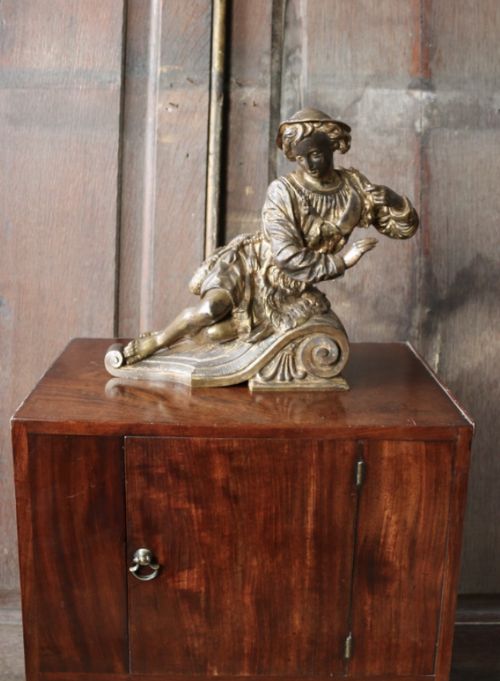
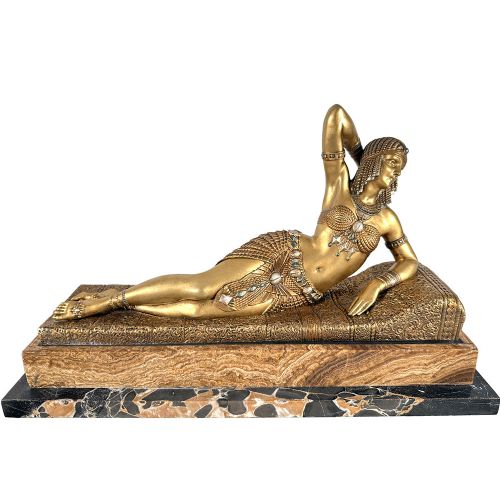
Decorative Bronze Statue
These decorative bronze statue pieces bring lasting sculptural form and patinated character to a room.
Decorative Bronze Statue
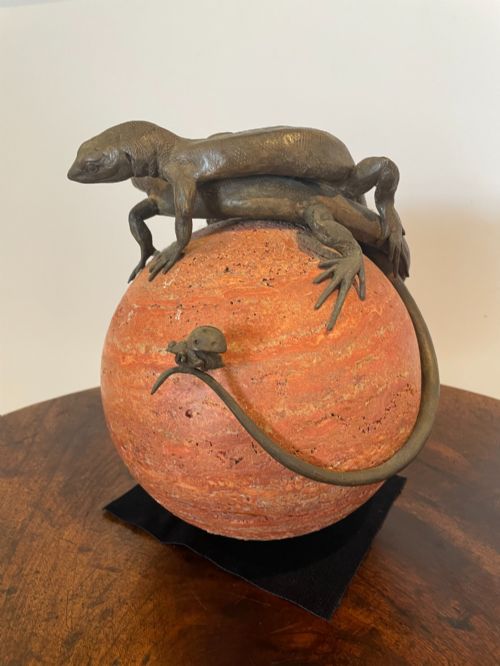
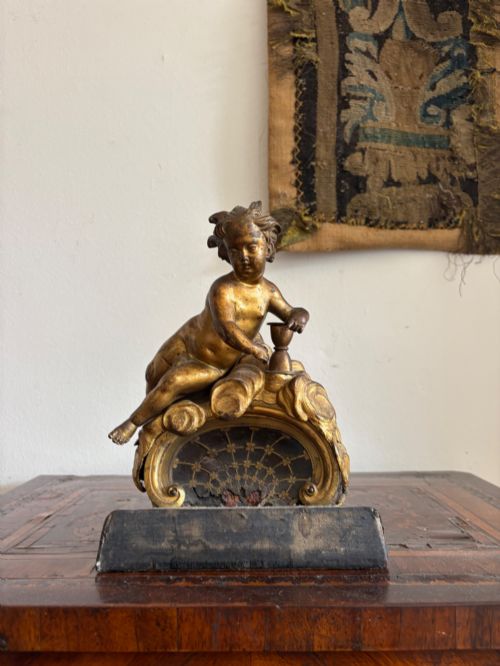
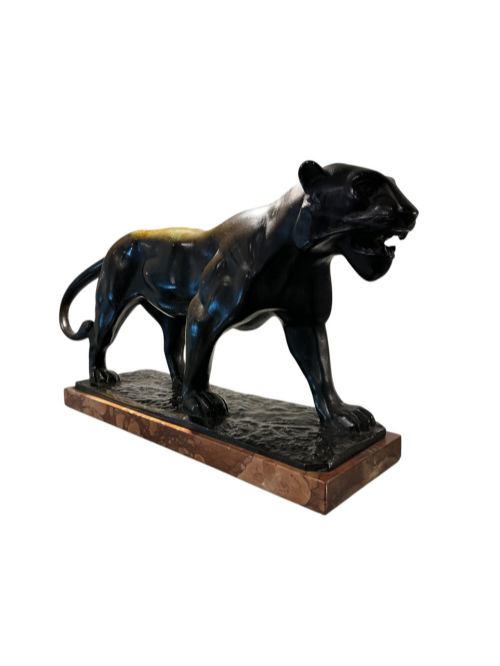
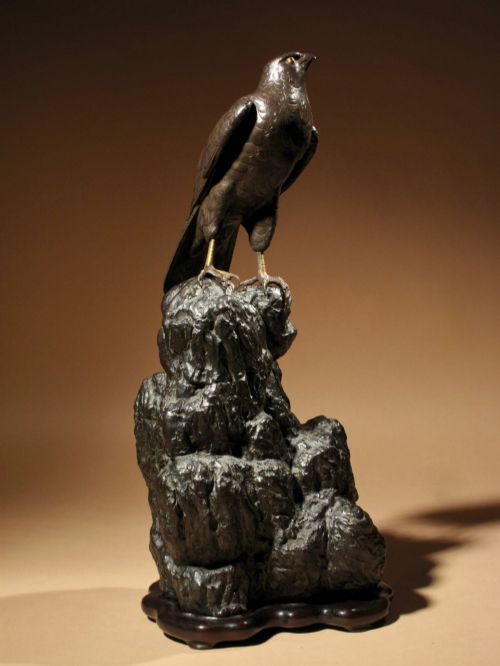
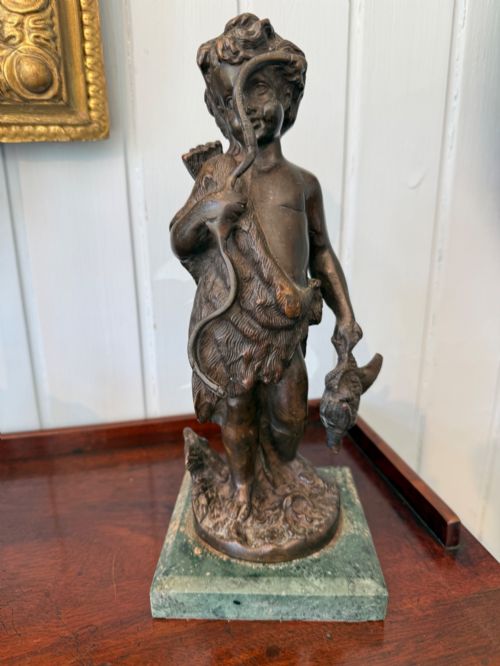
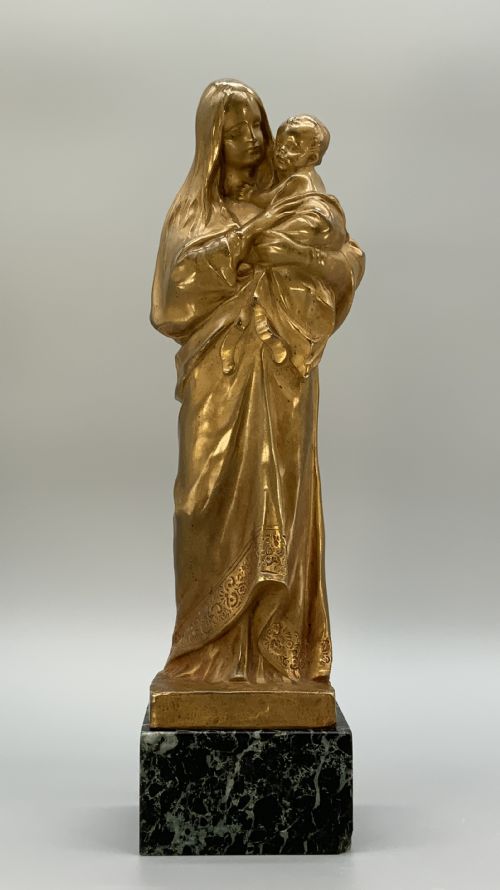
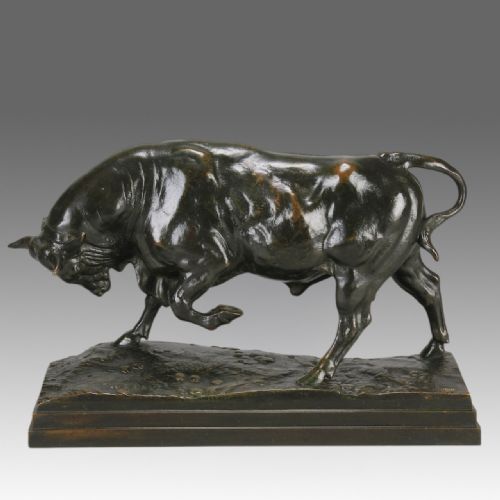
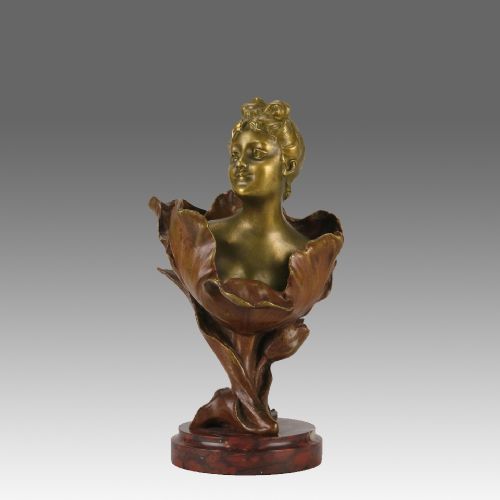
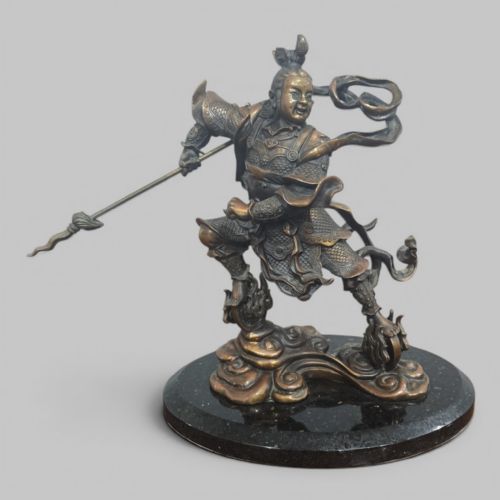
When you search for a decorative bronze statue, you encounter sculptural works spanning the nineteenth century through the art deco period, with figures, animals, and mythological subjects forming the core of the selection.
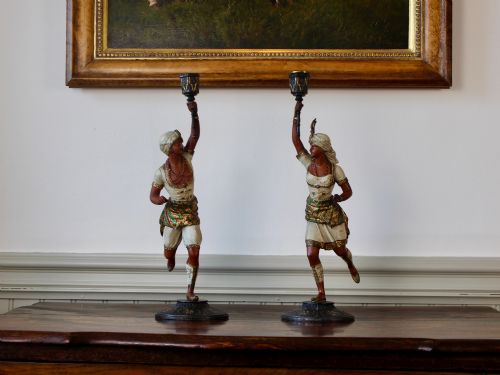
You are most likely to meet French and Austrian examples, alongside animalier studies and figural lamps, mounted upon marble or wood bases.
The objects range from small cabinet finials and bookends to substantial figures and busts.
Materials and casting methods
The items are cast primarily in bronze or gilt bronze, alongside alternative metals like spelter, paired with integral bases of marble, onyx, or olive wood.
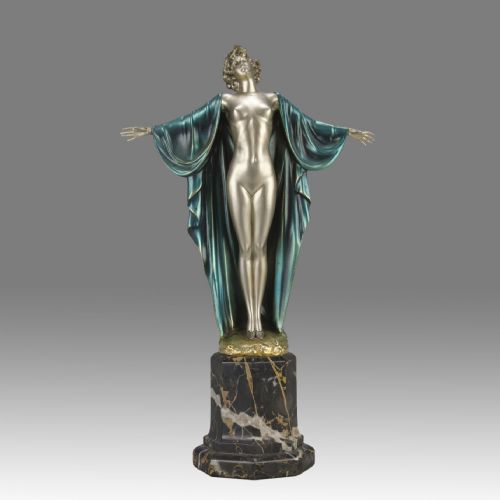
Surface finishes include cold painting, silvering, and patination, which impart colour and tone to the metal surfaces.
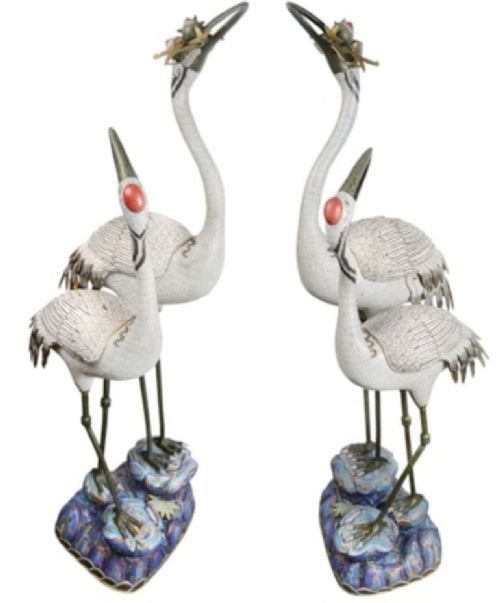
Listings feature marble, onyx, glass, wood, and enamel combined with cast bronze.
What separates the standard of these pieces
The definition of the cast and the crispness of the chasing separate standard production from superior work.
The integration of the metal figure with its stone or wooden plinth, alongside the preservation of the original cold-painted or patinated surface, dictates the overall character of the piece.
Ferdinand Preiss·Hans Müller·Antoine Louis Barye·Henri Godet·Demetre Chiparus·Emile Picault·Lucien Madrassi·Edith Parsons·Josef Lorenzl·Alexandre Kelety
The Decorative Bronze Statue Glossary
- Animalier
- A nineteenth-century artistic style focusing on the realistic depiction of animals. It is seen frequently in studies of hounds, big cats, and hares.
- Cold Painted
- A technique where paint is applied to cold metal without subsequent firing. This finish appears on figures and lamps from the late nineteenth and early twentieth centuries.
- Gilt Bronze
- Bronze metal coated with a layer of gold or gold amalgam. It yields a bright metallic lustre on decorative mounts and statuettes.
- Spelter
- A zinc alloy utilised as an economical alternative to bronze. It forms the structure of various figural candlesticks and decorative items.
- Patination
- The surface coloration achieved through age, handling, or chemical treatment. This chemical change alters the raw appearance of the metal.
Decorative Bronze Statue: Frequently Asked Questions
What is a cold painted bronze?
A cold painted bronze is a metal sculpture painted by hand after the casting process is complete. The pigments adhere directly to the bronze surface rather than undergoing a high-temperature firing.
These pieces require careful placement away from direct sunlight to preserve the delicate polychrome pigments over time.
How do I identify an animalier sculpture?
Animalier sculptures concentrate specifically on the naturalistic anatomy and movement of animals. Artists in this tradition observe creatures in motion, resulting in realistic postures.
These works frequently depict horses, dogs, and wild animals caught in dynamic or resting poses.
What is the difference between bronze and spelter?
Bronze is a robust copper alloy containing tin, while spelter is a softer and lighter zinc-based metal. Spelter often mimics the appearance of bronze through surface patination.
Handling reveals a noticeable difference in weight and thermal coolness between the two materials.
How should I clean a bronze statue?
Bronze statues benefit from gentle dusting with a soft, dry cloth to remove accumulated particles. Avoid chemical polishes that strip away the historical patination.
Applying a light microcrystalline wax occasionally helps protect the metal surface from environmental moisture.