
Decorative Bronze Figure
When you handle a decorative bronze figure, you hold a piece of history that brings craftsmanship and character into any interior.
Decorative Bronze Figure
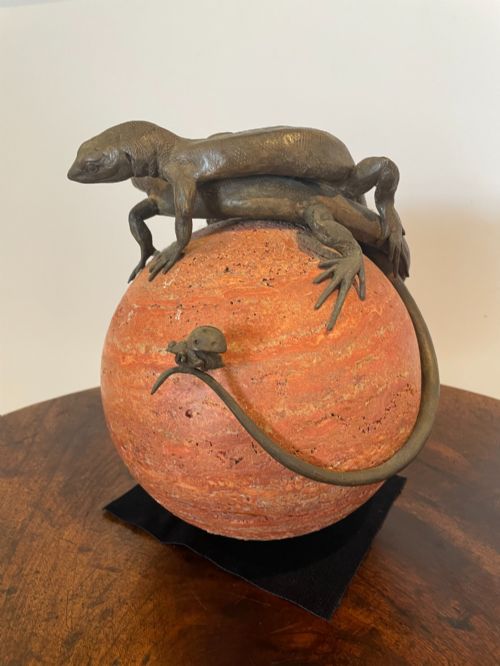
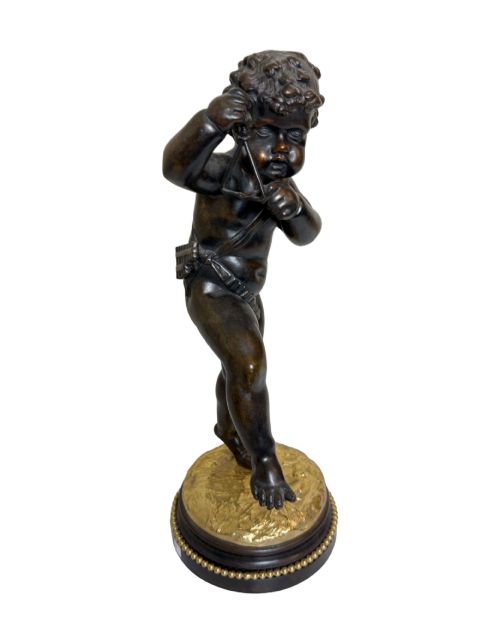
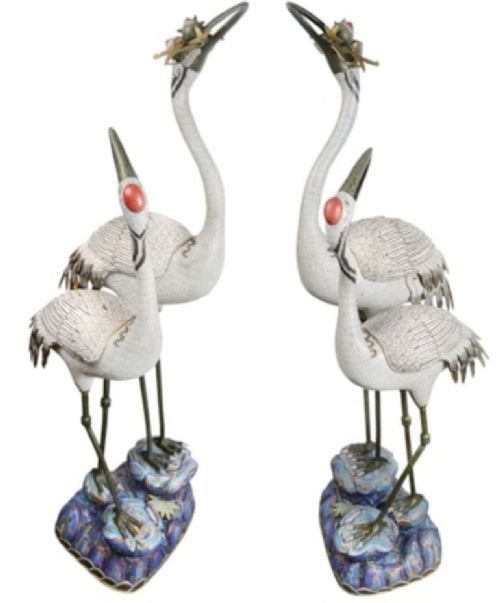
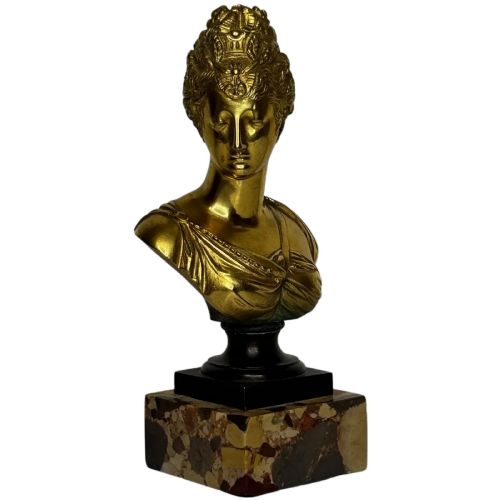
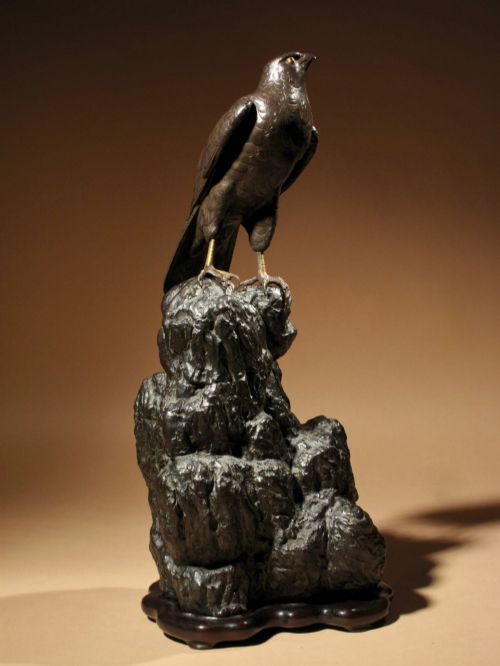
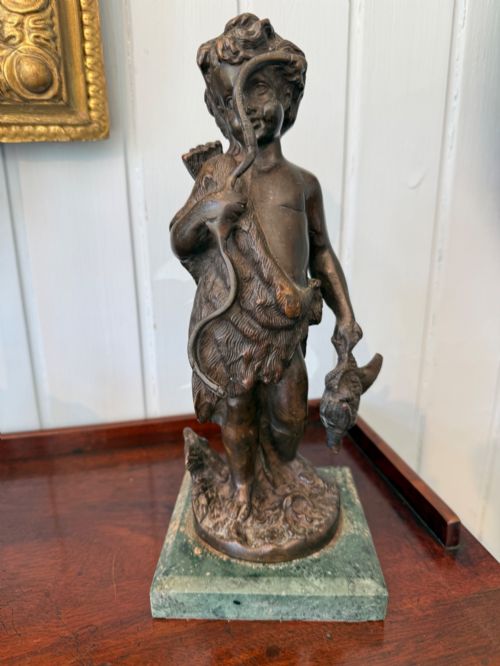
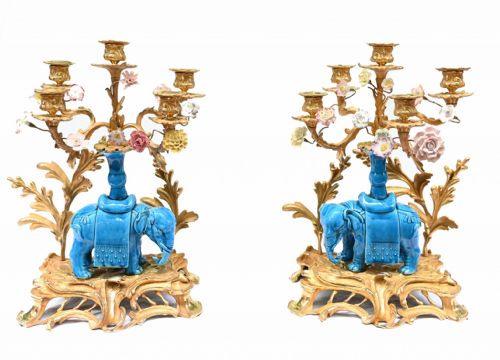
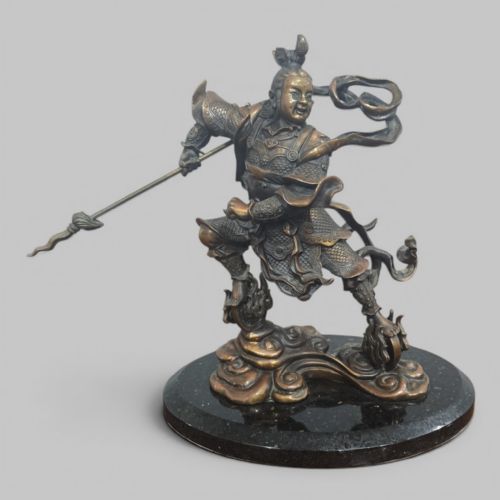
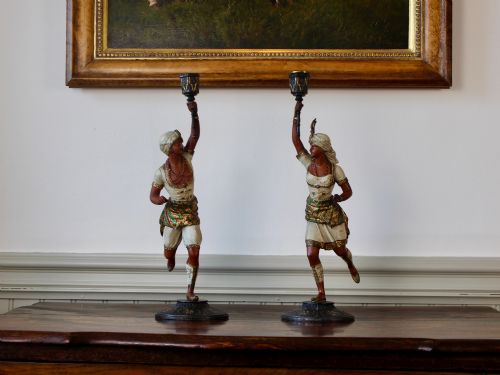
The selection frequently includes subjects like mythological figures, cherubs, animals, and dancers cast in patinated or gilt metal. Many sit upon integrated or separate bases made from marble, slate, or olive wood. Their origins stretch across French, English, Austrian, and Chinese traditions, reflecting the broad tastes of past collectors.
Materials and Casting Methods
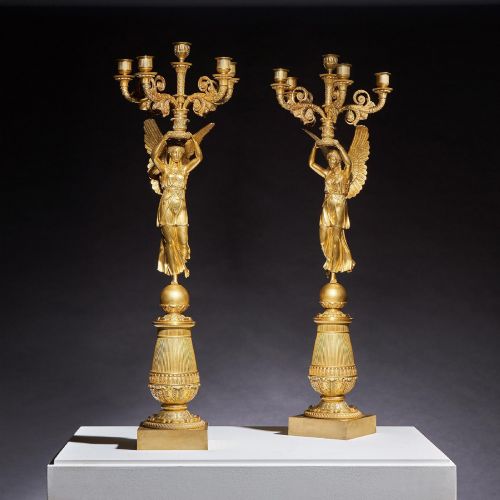
Foundries typically utilised either traditional lost-wax casting or sand casting to capture fine details in bronze, brass, and spelter. Molten metal poured into moulds allowed artisans to render intricate textures like feathers, fur, and drapery with high precision. Secondary metals such as ormolu and gilt bronze provided lustrous surface highlights.
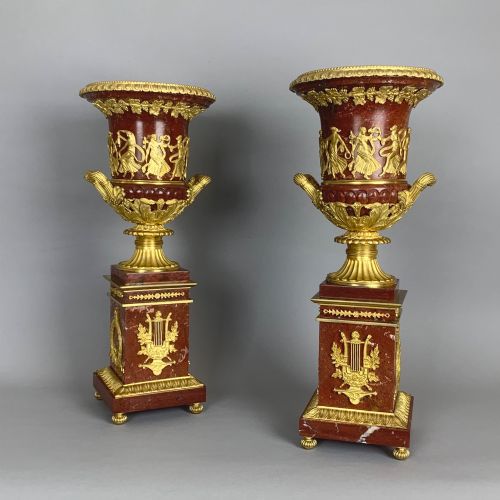
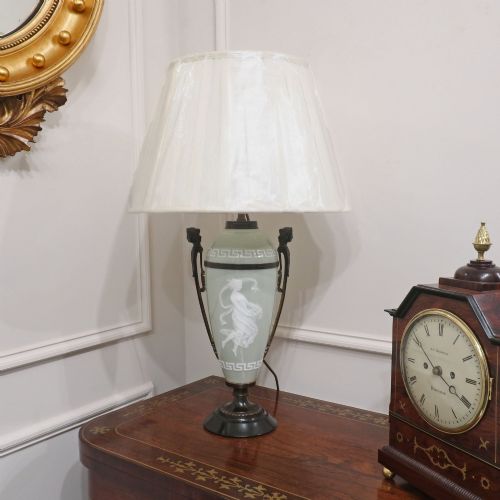
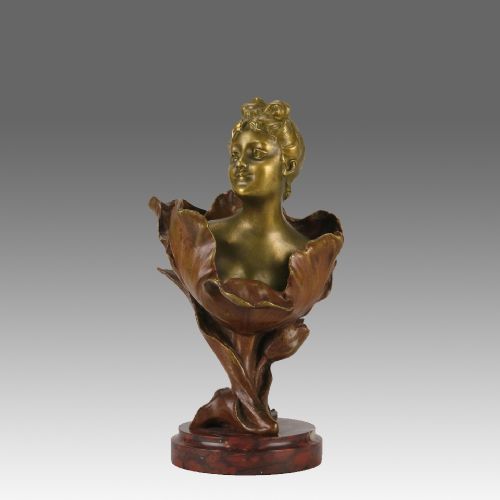
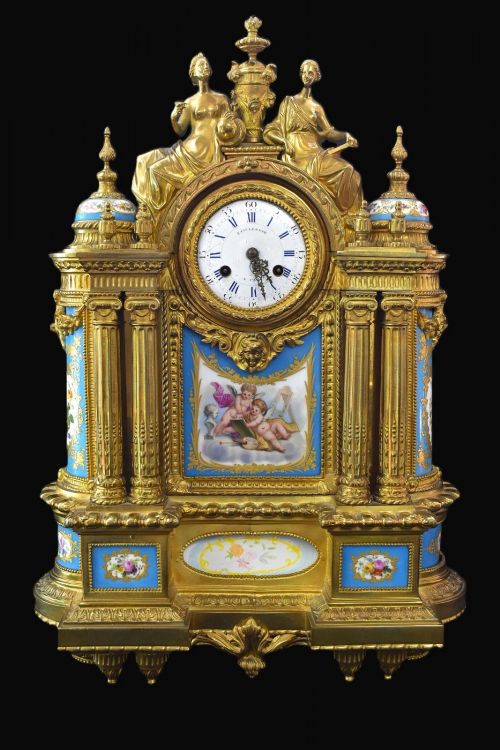
Many works incorporate mixed media bases and columns, combining marble, rock crystal, porcelain, and carved wood with the metal sculpture. Cold painting added polychrome surfaces to bronze and spelter figures, a technique requiring careful application on top of cured patinas.
Listings feature works spanning the 18th, 19th, and early 20th centuries, rendered in bronze, gilt bronze, spelter, and marble.
Assessing Artistic Execution
Quality separates master foundry work from commercial production through the crispness of the churing and chasing executed after casting. Superior pieces retain sharp anatomical definition and clear facial expressions, whereas weaker examples show softened contours where surface details have been filed away.
The choice and integration of auxiliary materials also indicate grade, with dense decorative marbles and genuine gilt bronze mounting outperforming lightweight spelter and painted finishes. Signature placement and foundry marks further separate standard decorative items from documented studio art.
Ferdinand Preiss·Antoine Louis Barye·Henri Godet·Demetre Chiparus·Emile Picault·Edith Parsons·Pierre Philippe Thomire
The Decorative Bronze Figure Glossary
- Animalier
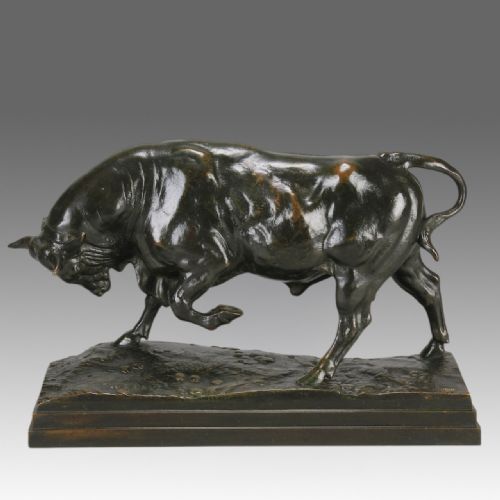
- A nineteenth-century artistic style focusing on the realistic depiction of animals, particularly dogs, horses, and wild beasts. Sculptors in this tradition studied anatomy closely at menageries.
- Cold Painted
- A method of applying non-fired paint to a bronze or spelter surface, common in Austrian workshops. Over time, this delicate finish is prone to gentle flaking if handled improperly.
- Ormolu
- Gilt bronze produced by applying a mercury and gold amalgam to a bronze base and heating it. This historic French technique yields a rich, durable golden sheen.
- Spelter
- A zinc alloy frequently used as an economical alternative to bronze in decorative figures. It is lighter in weight and softer than copper alloys.
- Patina
- The surface coloration and sheen developed naturally through age or applied artificially by an artisan using chemical treatments. It protects the underlying metal while defining contours.
Decorative Bronze Figure: Frequently Asked Questions
What is the difference between bronze and spelter?
Bronze is an alloy primarily composed of copper and tin, offering weight, durability, and a warm resonance when tapped. Spelter is a zinc-based metal that feels lighter and appears softer under close inspection.
Figures cast in spelter often show base metal beneath worn painted surfaces, whereas bronze maintains its metallic tone throughout. Magnification around casting seams helps distinguish the denser copper alloy from the softer zinc substitute.
Are these figures mounted on original bases?
Many nineteenth and twentieth century sculptures were paired with stone, marble, or wood plinths designed specifically to complement the proportions of the metalwork. Original mounts typically show matching wear patterns and appropriate fixing screws underneath.
Replacement bases occasionally appear on older pieces due to past damage or stylistic updates by previous collectors. Examining the fit between the figure's feet and the stone surface reveals whether they have remained together over time.
How can I identify Art Deco figures?
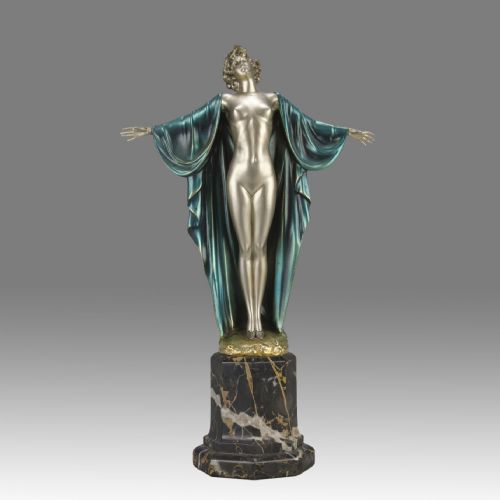
Art Deco figures from the 1920s and 1930s feature stylised geometries, streamlined clothing, and dynamic poses often depicting dancers or athletic human forms. Materials frequently include patinated bronze combined with carved ivory, onyx, or stepped marble bases.
Signatures incised directly into the metal or marble base often point toward prominent sculptors of the period. The clean lines and modern aesthetic separate these works from earlier Victorian and Neoclassical designs.