



Decorative Bronze Coupe
A decorative bronze coupe brings substantial weight and classical form to a table, combining cast metal with glass, crystal, or marble.
Decorative Bronze Coupe
A decorative bronze coupe serves primarily as a grand centrepiece, tazza, or pedestal bowl for a dining table or console. When you search for a decorative bronze coupe, you encounter pieces designed to hold fruit, flowers, or simply to stand alone as sculptural objects.
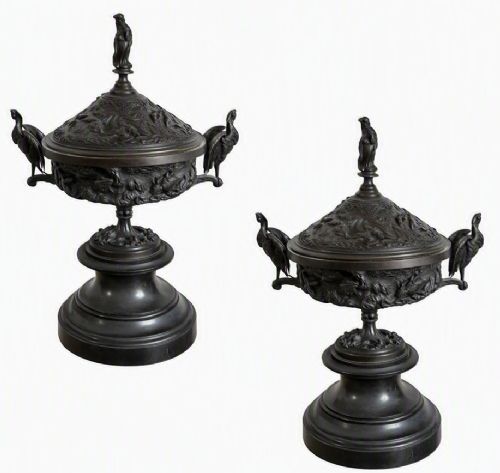
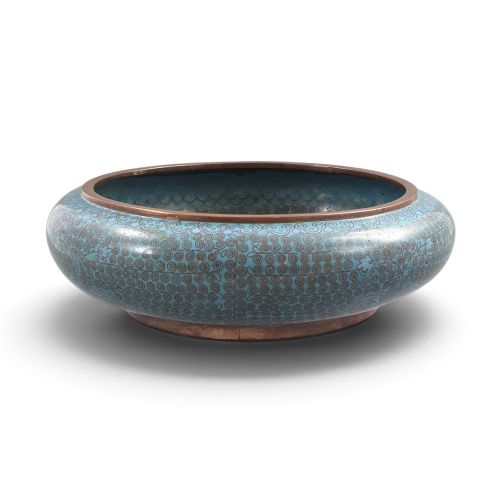
The pieces listed on this page span the nineteenth century and the early twentieth century, showing strong French influences including Empire, Second Empire, Animalier, and Belle Epoque styles. Alongside these European works, Chinese cloisonne enamel scholar objects appear, demonstrating the diverse cultural interpretations of the form.
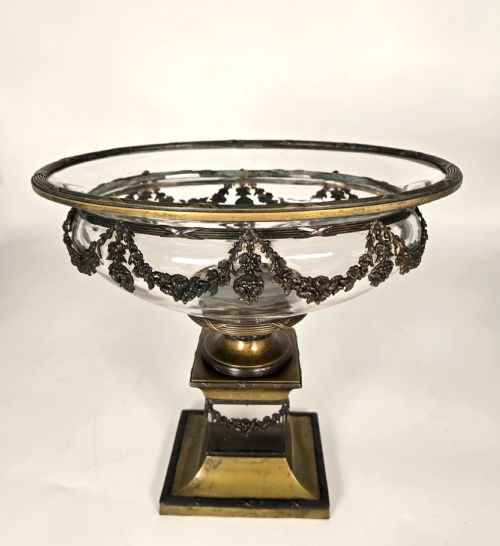
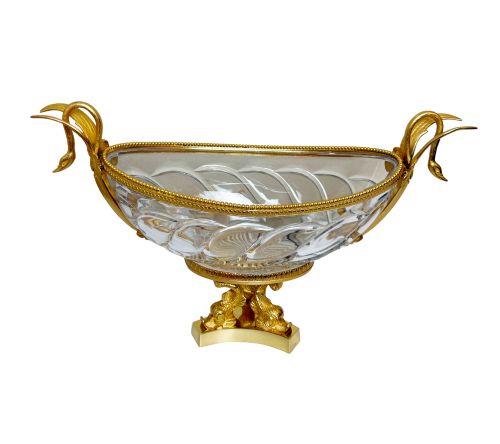
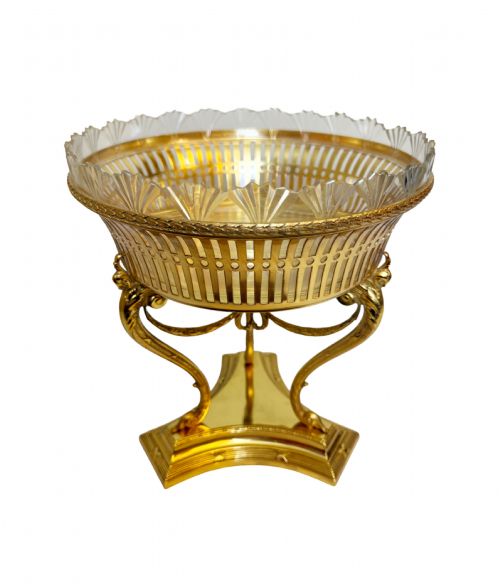
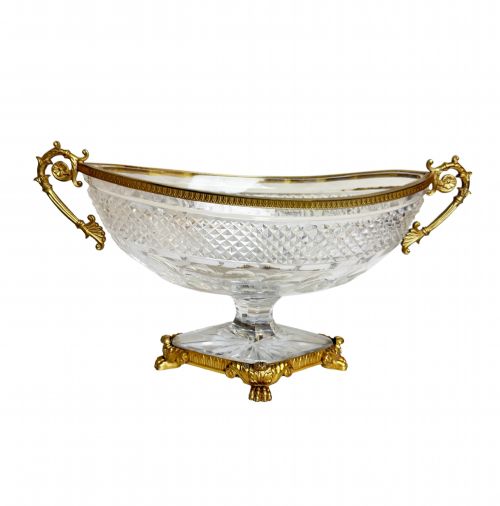
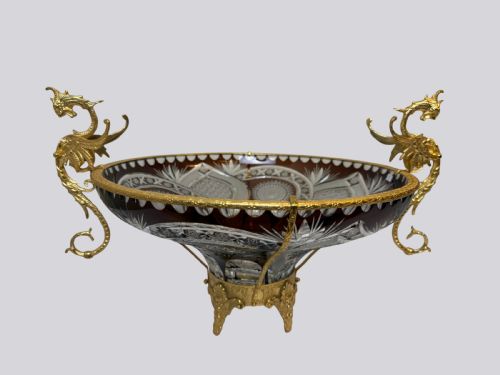
Most examples combine cast bronze or gilt bronze with contrasting inserts of cut glass, coloured glass, crystal, or black marble pedestals. These combinations of metal and glass create striking plays of light and texture across the bowl and base.
Materials and construction
Maker's workshops utilised bronze, patinated bronze, and gilt bronze, often referred to as ormolu, to form the structural mounts, handles, and pedestal bases. These metal elements were cast in sections and frequently chased by hand to sharpen the surface detail of foliage, figures, or classical motifs.
Vessels incorporated heavy cut crystal, clear glass, or coloured glass inserts, shaped to fit securely within the metal mounts. Additionally, some pieces integrated black marble plinths or applied cloisonne enamel work over copper alloy cores to add colour and textural variety.
Decorative Bronze Coupe Retail Price Guide 2026
Typical asking prices for decorative bronze coupe among the pieces listed under this phrase on Sellingantiques today, from the lower quarter to the upper quarter. They describe what is for sale here now, not the wider market.
Materials recorded on this page include gilt bronze, patinated bronze, cut glass, crystal, black marble, and cloisonne enamel.
Assessing quality and finish
Quality rests upon the crispness of the bronze casting and the depth of the subsequent hand-chasing. Superior examples display sharply defined feathers, acanthus leaves, or figurative elements that retain their definition without softness.
The weight and clarity of the glass or crystal insert also dictate the tier of the piece. Thickly blown, deeply cut crystal and heavy, unblemished marble bases indicate higher standards of production than lighter glass or simpler cast components.
Jules Moigniez
The Decorative Bronze Coupe Glossary
- Bronze
- An alloy consisting primarily of copper combined with tin, prized for its durability and suitability for casting complex sculptural forms. It forms the structural foundation of these vessels.
- Gilt bronze
- Bronze that has been coated with a thin layer of gold to give a rich, reflective metallic finish. This technique prevents tarnish and creates a luxurious appearance.
- Tazza
- A shallow bowl or vase raised on a high foot or pedestal, frequently utilised as a centrepiece. The form derives from classical antiquity and appears often in nineteenth-century metalwork.
- Cloisonne
- An enamelling technique where decorative areas are partitioned by thin strips of metal welded to the base. Enamel paste is fired within these compartments to create colourful patterns.
- Centrepiece
- A large decorative object placed in the middle of a dining table. These pieces often incorporate glass bowls mounted in elaborate metal frames.
Decorative Bronze Coupe: Frequently Asked Questions
What is a decorative bronze coupe used for?
These vessels were historically placed in the centre of dining tables or upon sideboards as ornamental display pieces. They frequently held fruit, flowers, or functioned entirely as sculptural works of art.
Today, they serve a similar decorative role in domestic interiors, anchoring a room with nineteenth-century craftsmanship and substantial weight.
How do you clean a bronze and glass coupe?
Dust the bronze gently with a soft, dry cloth to prevent the accumulation of dirt within the chased crevices. Avoid harsh chemical polishes that can strip the original patination or gilt surface.
Remove glass or crystal inserts from their metal mounts before washing them in warm, soapy water. Dry the glass thoroughly before placing it back into the bronze frame.
How can I tell a nineteenth-century piece from a later one?
Nineteenth-century examples typically exhibit heavy bronze casting with hand-finished chasing that reveals subtle tool marks under close inspection. The glass inserts often feature hand-cut facets and minor irregularities typical of period production methods.
Examining the construction joints, patination, and wear patterns on the base helps confirm the age of the metalwork.
What styles are common in these bronze coupes?
French nineteenth-century designs dominate, encompassing Empire, Second Empire, Neoclassical revival, and Belle Epoque aesthetics. These styles draw heavily upon classical Greek and Roman motifs, featuring acanthus leaves, classical figures, and symmetrical mounts.
Animalier works also appear, incorporating naturalistic animal figures such as storks into the cast bronze structure.