



Decorative Bronze Candlesticks
These decorative bronze candlesticks bring weight and warmth to a room, cast in classical and revival forms that catch the candlelight.

Decorative Bronze Candlesticks
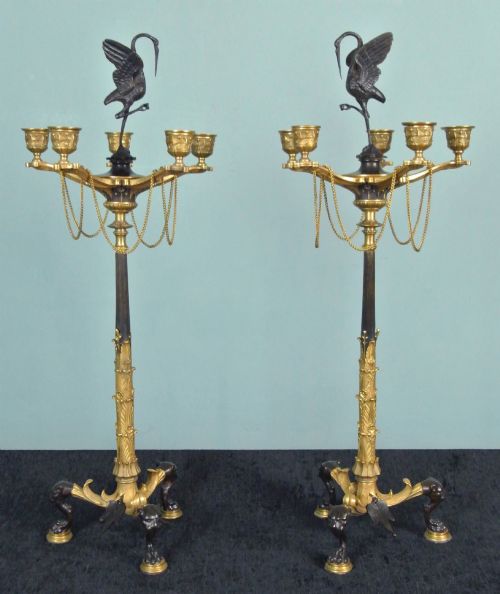
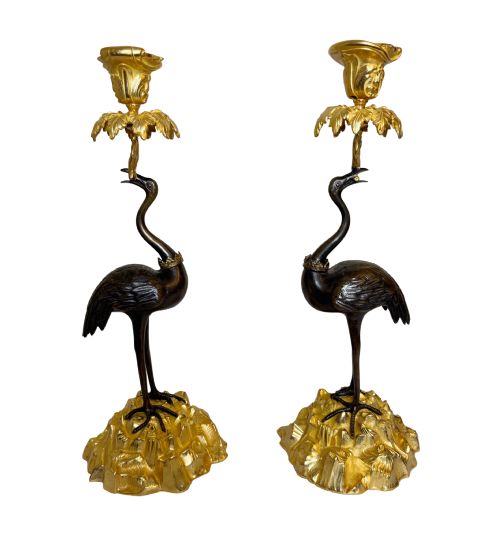
Decorative bronze candlesticks encompass a range of lighting items produced from the eighteenth century into the twentieth century. These pieces include single sticks, pairs, and multi-light candelabra designed for domestic interiors.
Makers and workshops across Europe produced these works in bronze, patinated bronze, and ormolu. Buyers often encounter matched pairs intended for mantelpieces or side tables.
Materials and methods
Foundries utilised traditional lost-wax or sand-casting techniques to shape the metal before hand-finishing the surface. Bronze and brass provided durable foundations for detailed ornamentation.
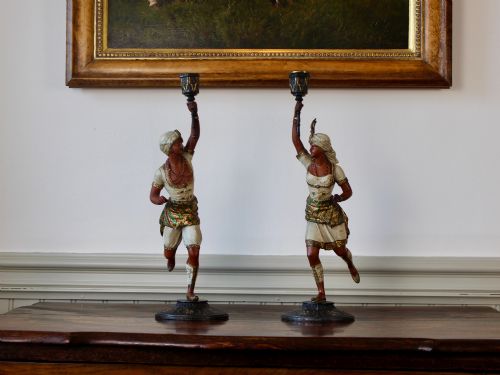
Gilding, ormolu, and cold painting enhanced the metallic surfaces with contrasting colours and textures. Many nineteenth-century examples also incorporate elements of marble or cloisonné to enrich the design.
Decorative Bronze Candlesticks Retail Price Guide 2026
Typical asking prices for decorative bronze candlesticks among the pieces listed under this phrase on Sellingantiques today, from the lower quarter to the upper quarter. They describe what is for sale here now, not the wider market.
Materials documented across the pieces include ormolu, gilt bronze, patinated bronze, marble, brass, spelter, and paint.
Judging quality in cast metal
The richness and retention of the original gilding or patination dictate the visual success of a piece. Superior examples show careful application of ormolu alongside well-preserved patinated surfaces that reflect period standards.
Barbedienne·Abel Landry·Fratin
The Decorative Bronze Candlesticks Glossary
- Ormolu
- Gilded bronze produced by applying a mercury and gold amalgam to the metal surface. This technique creates a rich golden finish characteristic of French decorative objects.
- Patinated bronze
- Bronze treated with chemicals to produce a dark brown, green, or black surface colour. This finish protects the metal and highlights sculptural contours.
- Candelabra
- A branched candlestick holding multiple candles or lights. These larger items often form centrepieces on dining tables or sideboards.
- Spelter
- An alloy of zinc used as an economical substitute for bronze in decorative figures and candlesticks. It is softer and lighter than true bronze.
- Athenienne
- A neoclassical tripod stand or incense burner adapted for decorative use during the Regency and French Empire periods. The form draws inspiration from ancient Greek furniture.
Decorative Bronze Candlesticks: Frequently Asked Questions
Are these candlesticks wired for electricity?
Most items retain their original form for taper candles, though some listings include converted pieces or lamps. Conversions generally allow for standard electrical fittings without altering the main bronze body.
Buyers should inspect the specific description to confirm whether a piece remains purely for candlelight or accommodates modern bulbs.
What is the difference between bronze and spelter?
Bronze is a heavy copper alloy capable of holding fine, crisp detail through casting and chasing. Spelter utilises zinc, making it lighter, softer, and more prone to surface wear.
Pieces cast in spelter often date to the later nineteenth or early twentieth century as a more affordable alternative to bronze.
How do I date an antique candlestick?
Dating relies on stylistic markers such as neoclassical motifs, Rococo curves, or Art Nouveau lines. Material combinations like marble bases or cloisonné inserts also point to specific decades.
Foundry marks, signature plaques, and construction methods provide further clues for precise attribution.