



Decorative Bronze Bowl
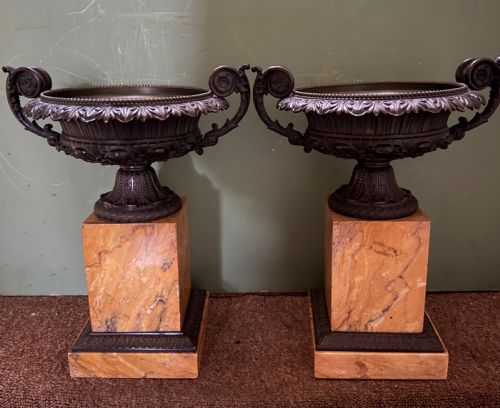
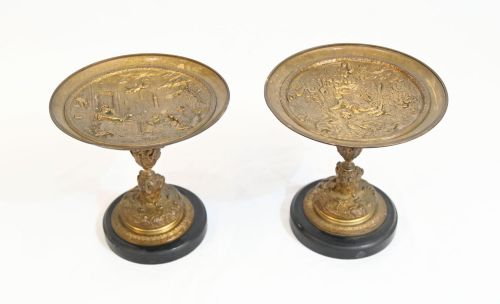
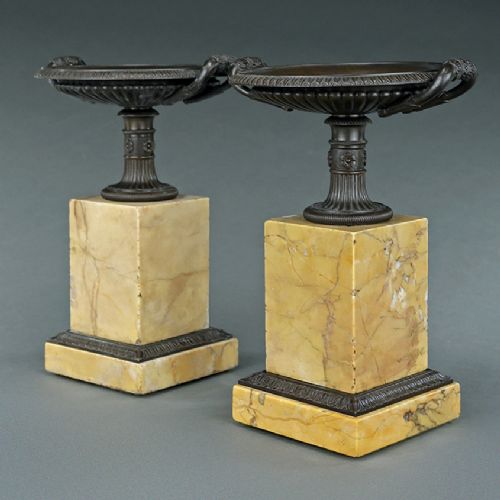
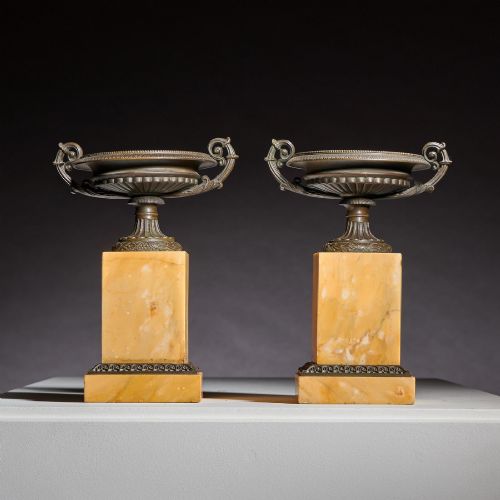
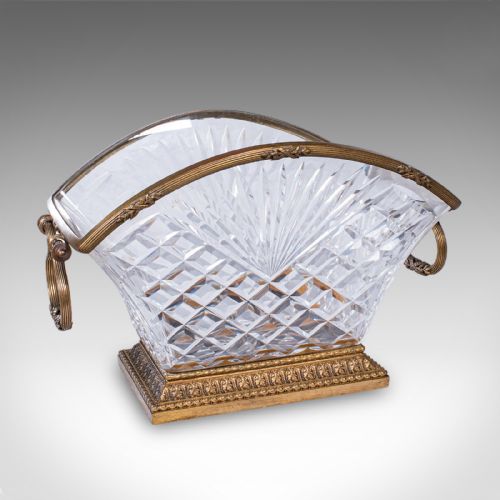
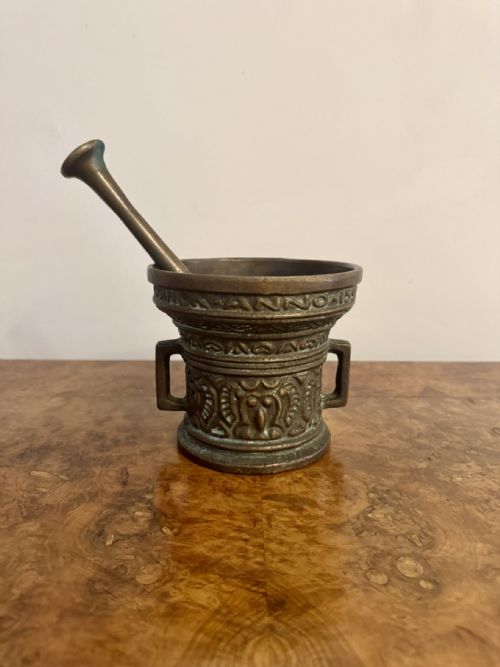
A decorative bronze bowl brings classical form and heavy metalwork into a room, serving as a striking centrepiece or tazza.
Decorative Bronze Bowl
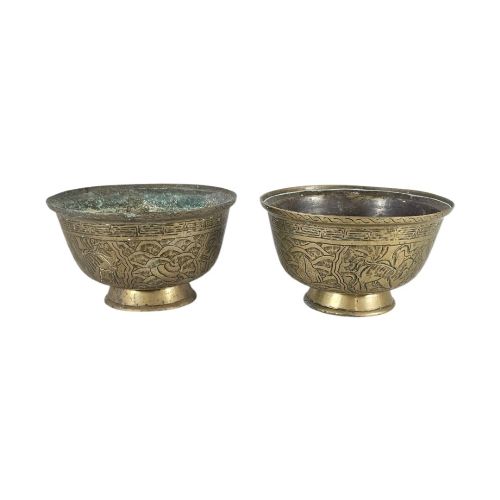
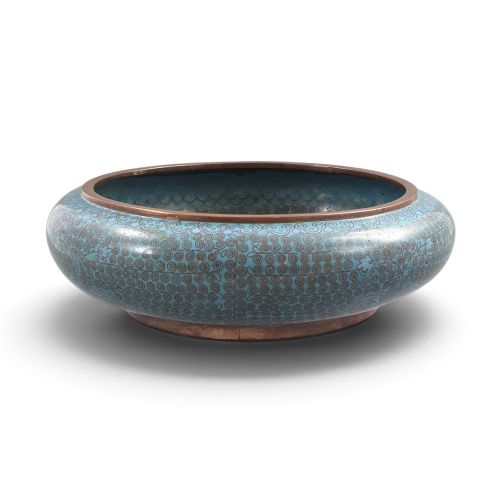
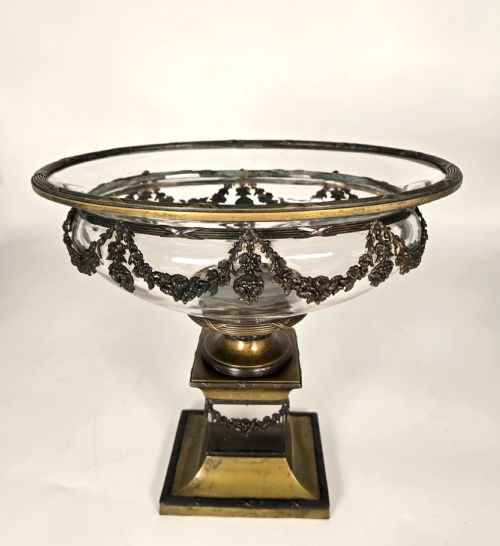
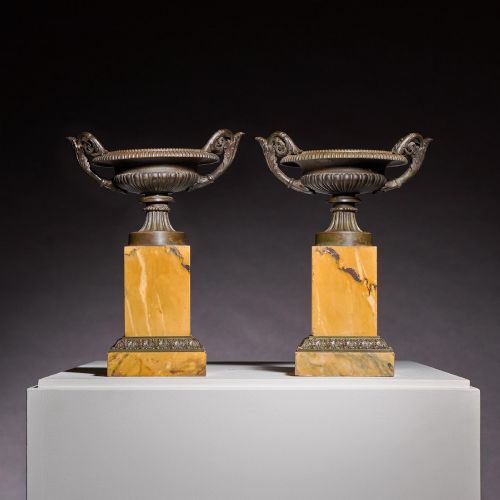
A decorative bronze bowl encompasses various forms including tazzas, centrepieces, and pedestal dishes originating predominantly from the nineteenth century. These vessels range from heavy Chinese bronze bowls bearing Xuande marks to elaborate French Empire and Neoclassical mounts intended for display.
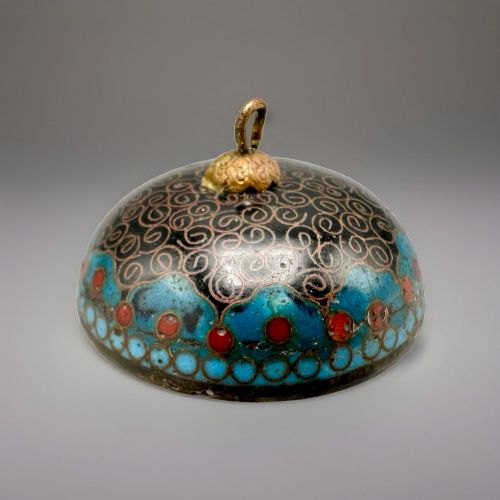
Buyers frequently encounter French gilt bronze examples decorated with champlevé enamel, porcelain inserts, and marble bases alongside Asian bronze and cloisonné pieces. The selection spans grand dining table centrepieces to smaller desk planters and scholar's brush washers.
The category blends utilitarian vessels with purely decorative objects shaped by diverse historic revivals. Pieces demonstrate varied influences from the Grand Tour era to Qing Dynasty craftsmanship.
Materials and construction
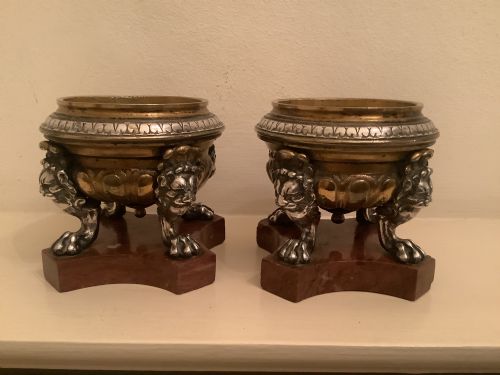
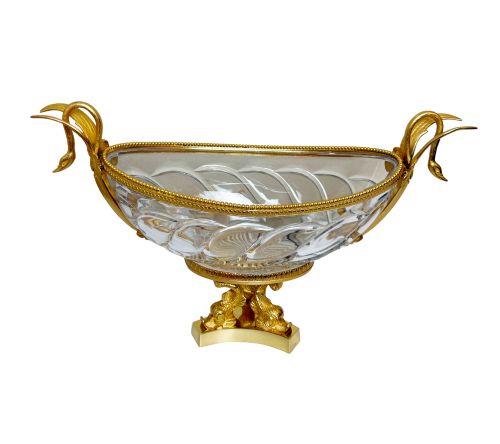
Artisans combined cast bronze and ormolu with contrasting natural materials such as Siena marble, onyx, malachite, and cut crystal glass. Champlevé and cloisonné enamel work provided vibrant colour panels set directly into the metal frames.
Foundries utilised traditional casting techniques to create winged cherubs, mermen, and classical scrollwork supporting the central bowls. Gilt finishes and silver plating were applied to enhance the textured surfaces of the metalwork.
Decorative Bronze Bowl Retail Price Guide 2026
Typical asking prices for decorative bronze bowl among the pieces listed under this phrase on Sellingantiques today, from the lower quarter to the upper quarter. They describe what is for sale here now, not the wider market.
Listings feature 19th-century French and Asian metalwork, incorporating materials like cut glass, marble, cloisonné enamel, and gilt bronze.
Assessing quality and execution
Quality rests in the crispness of the cast figures and the precision of the applied chasing on the bronze surface. Finer examples display meticulous hand-finishing on intricate details like foliage, animal motifs, and human forms.
The integration of secondary materials dictates the tier of the piece, with tightly fitted hardstones, unblemished glass inserts, and well-preserved enamel elevating the overall craftsmanship. Superior weight and balanced proportions distinguish exhibition-grade centrepieces from standard production items.
The Decorative Bronze Bowl Glossary
- Tazza
- A shallow bowl or vase set on a pedestal foot, traditionally used for serving fruit or displaying items on a table.
- Ormolu
- Finely ground high-carat gold mercury-gilded onto a bronze object, widely utilised in French furniture and decorative metalwork.
- Champlevé
- An enamelling technique where troughs are carved into the metal surface and filled with vitreous paste before firing.
- Cloisonné
- A method of decorating metalwork objects with colourful material held in place by thin metal strips soldered to the base.
- Comport
- A large standing dish or bowl used during formal dining for desserts and fruit presentations.
- Grand Tour
- A cultural excursion undertaken by wealthy young Europeans in the eighteenth and nineteenth centuries, yielding classical souvenirs.
Decorative Bronze Bowl: Frequently Asked Questions
What were antique bronze bowls used for?
These vessels functioned primarily as decorative centrepieces on dining tables, holding fruit, flowers, or sweetmeats during formal gatherings. Smaller versions served as desk accessories, card trays, or cabinet display pieces.
Many examples were designed simply to showcase wealth and artistic taste within nineteenth-century drawing rooms and libraries.
How do I clean a bronze centrepiece bowl?
Dust the surface gently with a soft, dry brush to prevent dirt accumulation in recessed cast details. Avoid harsh commercial metal cleaners that strip historic patination and damage delicate gilt or enamel sections.
Consult a professional restorer if the piece requires deeper intervention, particularly when it incorporates fragile materials like marble or glass.
How can I tell French and Asian bronze bowls apart?
French pieces typically display Neoclassical, Empire, or Rococo revival motifs involving cherubs, ormolu mounts, and champlevé enamel. Asian examples often feature distinct dynastic marks, archaic forms, and intricate cloisonné patterns.
Materials also offer clues, as European items frequently pair bronze with cut crystal, porcelain, and onyx.
Where should I place a tazza in my home?
A tazza suits placement on a central entrance hall table, a mantelpiece, or atop a sturdy cabinet where its elevated profile stands out. Ensure the chosen surface is level and capable of supporting heavier stone and metal combinations.