


Decorative Brass Table
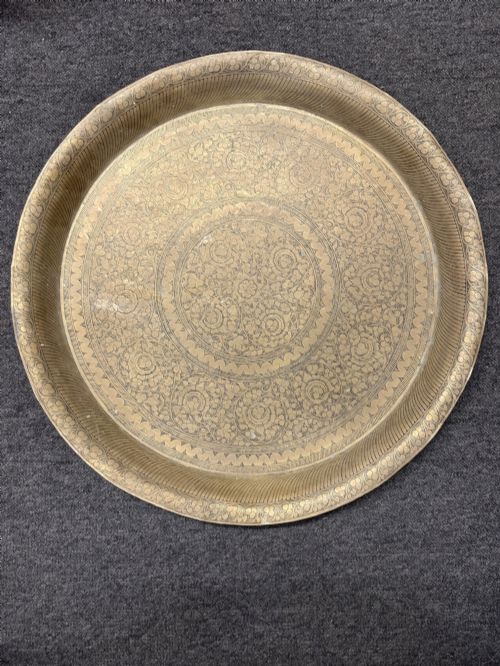
A decorative brass table brings intricate metalwork and sturdy warmth to a room, offering functional surface space infused with historic character.
Decorative Brass Table
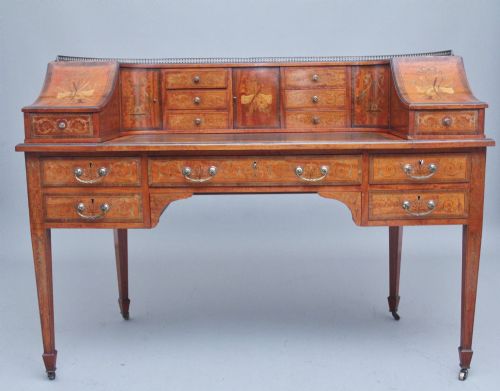
A decorative brass table combines polished metal frames with contrasting materials such as wood or glass, originating from periods spanning the nineteenth century through the early twentieth century. Buyers seeking this search phrase often encounter occasional tables and jardinière stands featuring intricate brass mounts or octagonal forms influenced by Edwardian and Victorian designs.
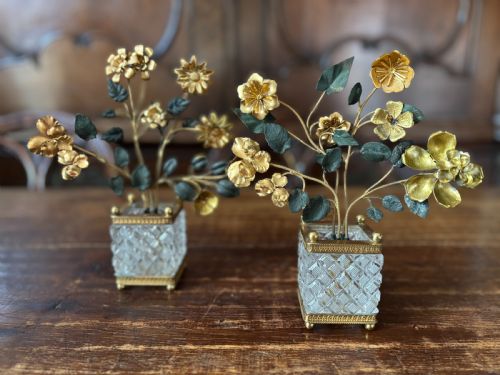
The selection ranges from French Rococo Revival planter tables to Oriental ebonised occasional pieces incorporating brass inlay. These items serve as functional display surfaces or centrepieces, utilising mixed metals to catch light in domestic interiors.
Materials and construction methods
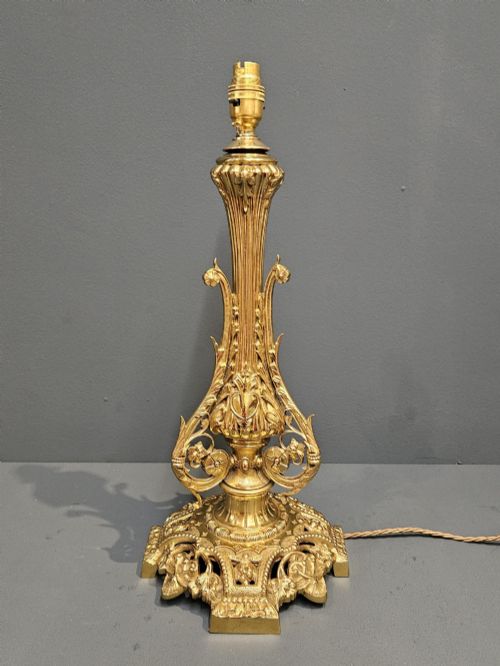
Construction relies primarily on brass, often paired with secondary timbers like walnut, satinwood, or ebonised wood to build sturdy table frames. Artisans applied gilt bronze, ormolu mounts, and engraved detailing directly onto the metal components to create textural contrast.
Surface ornamentation incorporates glass inserts, porcelain plaques, and intricate inlays set within the primary wooden or metal structure. Metal elements were cast, chased, and polished by hand to achieve the distinct sheen characteristic of the period.
Decorative Brass Table Retail Price Guide 2026
Typical asking prices for decorative brass table among the pieces listed under this phrase on Sellingantiques today, from the lower quarter to the upper quarter. They describe what is for sale here now, not the wider market.
Listings incorporate brass alongside materials like porcelain, glass, and ebonised wood across nineteenth-century and Edwardian periods.
Evaluating craftsmanship and detail
Quality rests in the crispness of the cast brass ornamentation and the depth of the hand-engraving across the metal surfaces. Finer examples display securely mounted porcelain plaques, well-fitted glass inserts, and tight joinery in the underlying wooden frames.
Substantial weight in the cast components and deliberate attention to hidden structural joints distinguish superior pieces from standard production. The integration of auxiliary materials like gilt bronze or carved wood reveals the maker's commitment to balanced proportion and material harmony.
The Decorative Brass Table Glossary
- Ormolu
- Gilded bronze applications mounted onto furniture frames or decorative objects. This technique creates a rich golden finish that resists tarnishing over decades of exposure.
- Jardinière
- A decorative stand or container designed to hold plants or floral arrangements. These pieces frequently incorporate brass liners and porcelain plaques.
- Gilt Bronze
- Bronze metal treated with a gold layer or gold-coloured wash. It provides durable ornamentation across nineteenth-century furnishings.
- Ebonised
- Wood finished with a dark stain to resemble ebony. This treatment offers a stark visual contrast against polished brass fittings.
Decorative Brass Table: Frequently Asked Questions
How do I clean a brass table?
Dust the surface regularly with a soft, dry cloth to prevent grime accumulation.
Avoid harsh chemical polishes that strip historic patination from the metal.
Where should I place this table?
Position the piece in a dry indoor location away from direct heat sources.
Use coasters to protect wooden tops and delicate brass inlays from liquid spills.
Can these tables hold heavy objects?
Occasional tables are designed for decorative items, lamps, and lightweight books.
Excessive weight can strain the structural joints between the brass frame and wooden base.
How do I identify the period?
Examine the casting quality, fastening methods, and stylistic revival cues present.
Victorian and Edwardian pieces exhibit distinct manufacturing traits aligned with their respective decades.