

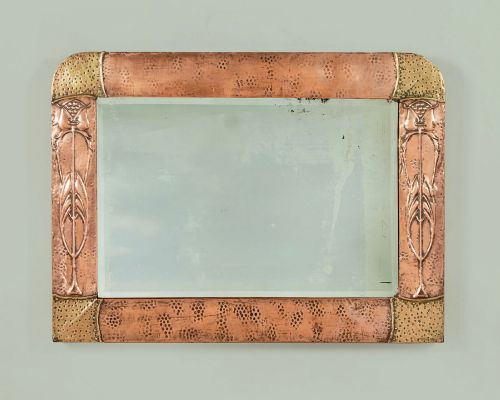


Decorative Brass Frame
A decorative brass frame holds a treasured portrait or catches the light from a window with genuine period weight.
Decorative Brass Frame
When you search for a decorative brass frame, you encounter Victorian and Edwardian examples intended to display portrait photographs or small paintings. The majority of these pieces originate from the late nineteenth and early twentieth centuries, spanning periods from the 1880s through the 1920s.
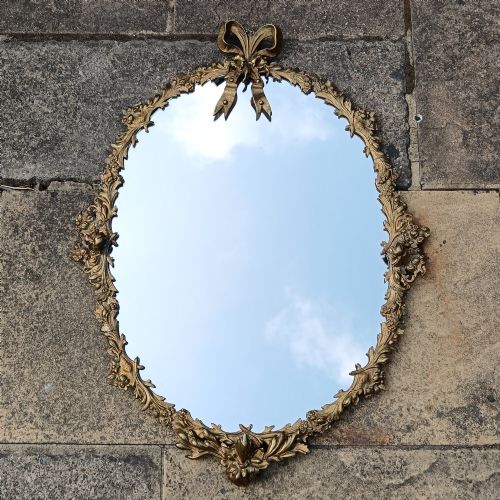
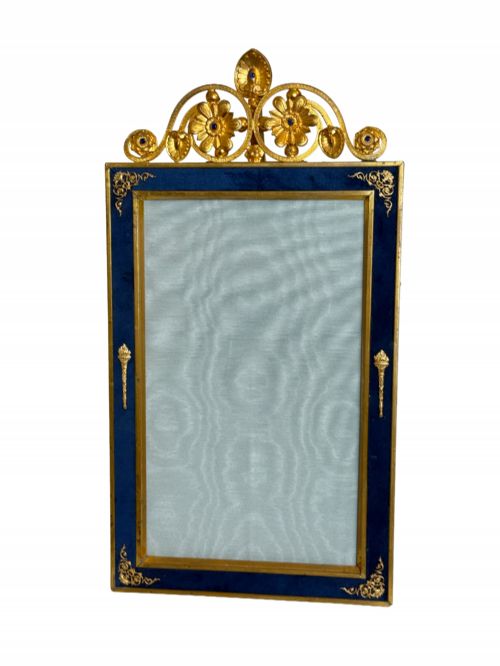
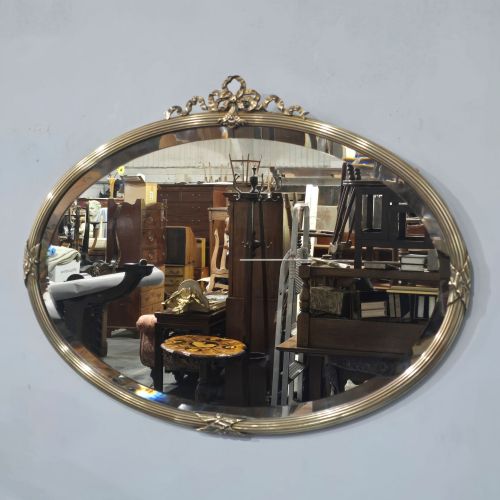
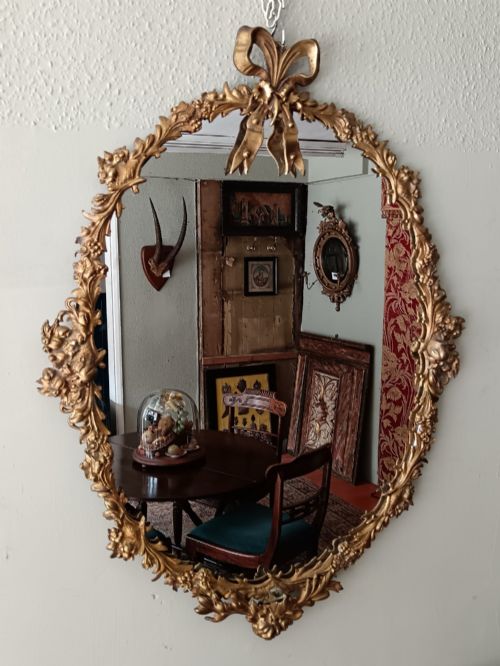
The assortment includes table-standing photo frames and wall mirrors incorporating heavy brass mounts. Many specimens display distinct stylistic influences such as Art Nouveau curves or Louis XVI revival ornamentation.
Assessing craftsmanship and finish
Quality rests in the crispness of the cast ornamentation and the depth of the chased details. Superior examples exhibit sharply defined motifs such as masks or floral tendrils without blurring from worn moulds.
The integrity of the structural joints, the weight of the metal plate, and the retention of original gilding or polishing differentiate standard production pieces from finer studio work.
Listings for this phrase feature items primarily from the Victorian and Edwardian periods, constructed from brass, glass, and wood.
Maple and Co.
The Decorative Brass Frame Glossary
- Ormolu
- Gilded bronze applied to ornamental objects and furniture mounts. The technique involves a mercury amalgam fired onto a bronze base to produce a rich golden lustre.
- Repoussé
- A metalworking technique where the artisan hammers metal from the reverse side to form a raised design in relief. This process allows for intricate surface patterns on copper and brass sheets.
- Gilt Bronze
- An alloy of copper and zinc finished with a layer of gold applied by leaf or chemical methods. It provides durability while retaining a bright metallic sheen.
- Art Nouveau
- A decorative style characterised by organic, flowing lines inspired by natural forms. This aesthetic dominated design around the turn of the twentieth century.
Decorative Brass Frame: Frequently Asked Questions
How do I date a brass frame?
Dating relies on examining the assembly methods, the type of easel back, and stylistic markers such as Art Nouveau whiplash lines or Victorian cast crests. Screw types and the composition of the backing wood also offer clues to the decade of manufacture.
Earlier nineteenth-century examples often feature heavier sand-cast brass with hand-finished chasing, while later twentieth-century items show more standardised machine stamping.
Are these frames meant for wall hanging or tables?
These pieces serve both purposes depending on their original design and hardware. Table frames typically feature a hinged strut or easel support at the back, allowing them to rest securely on a desk or mantelpiece.
Wall-mounted variations include integrated suspension loops or heavy brass chains attached directly to the frame structure for hanging.
How should I clean antique brass?
Maintenance requires gentle dusting with a soft dry cloth to prevent the accumulation of grit in recessed details. Avoid aggressive chemical polishes that strip away the aged patina accumulated over decades of exposure.
If cleaning becomes necessary, use a mild soap solution and dry thoroughly with a soft flannel to protect the original surface finish.
What styles are common in these frames?
The selection encompasses several distinct design movements spanning the Victorian and Edwardian eras. Pieces often display French Louis XVI revival motifs, floral Art Nouveau curves, or geometric Arts and Crafts hand-hammered textures.
Makers frequently drew inspiration from historical revivals, incorporating classical urns, ribbons, or cherub masks into the metalwork.