


Decorative Blue Pottery
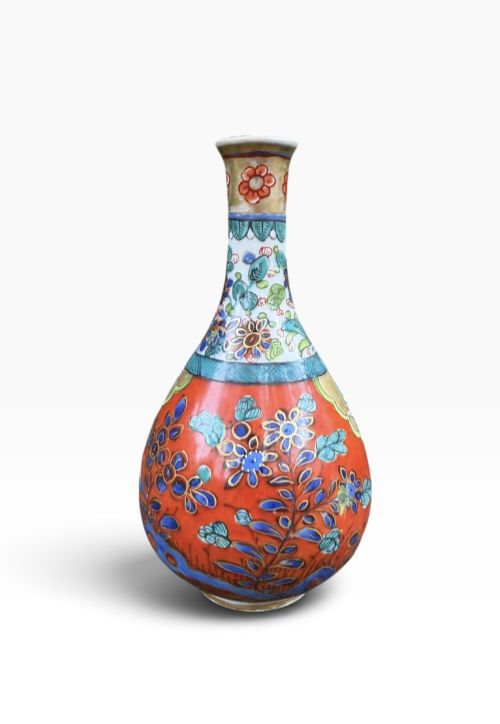
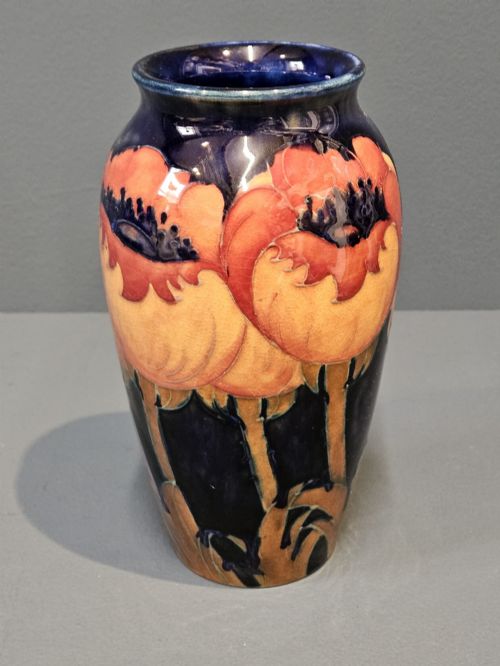
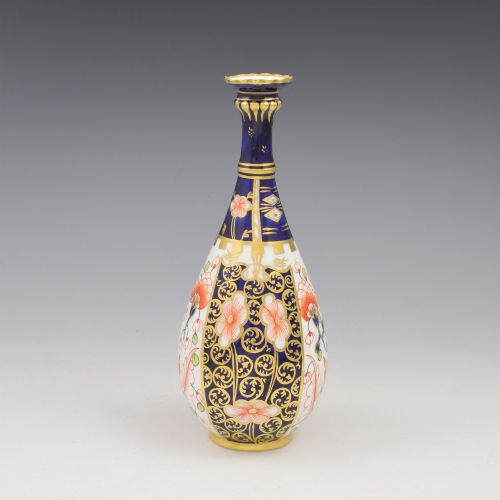
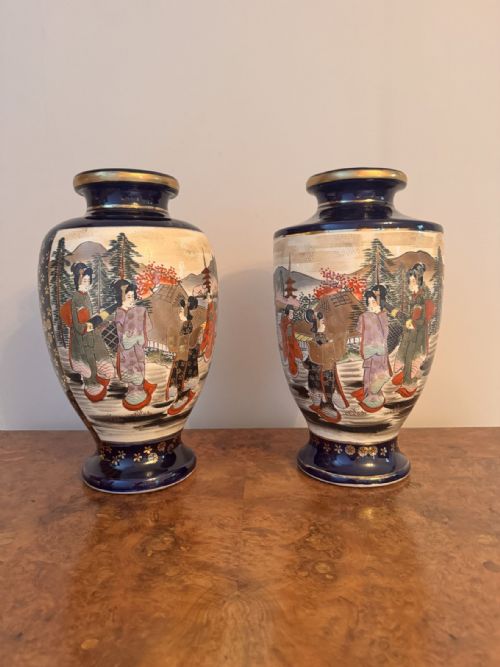
Decorative blue pottery encompasses vibrant ceramic vessels and chargers originating from diverse global traditions across several centuries.
Decorative Blue Pottery
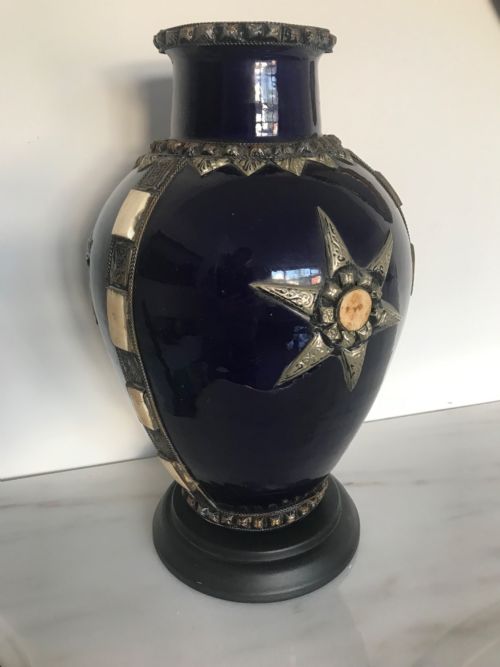
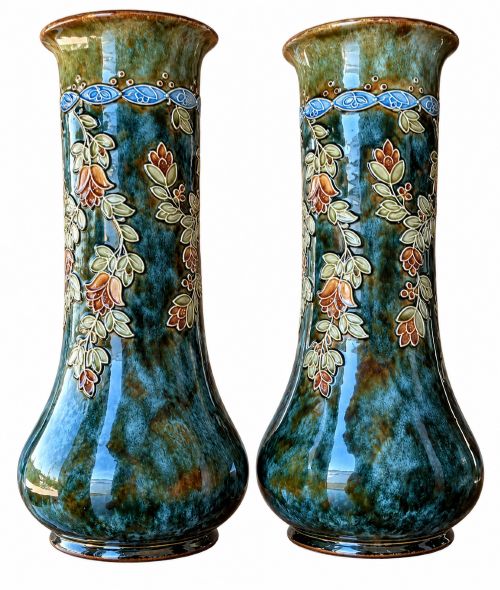
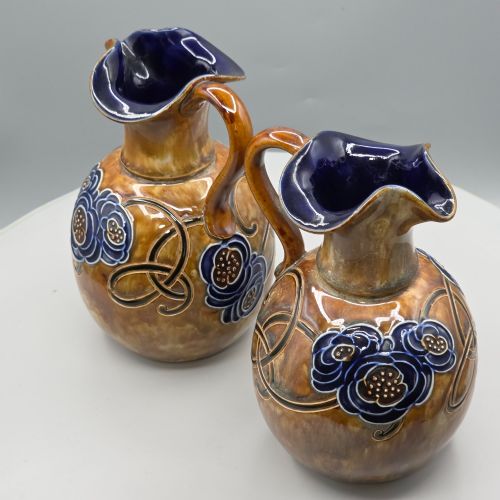
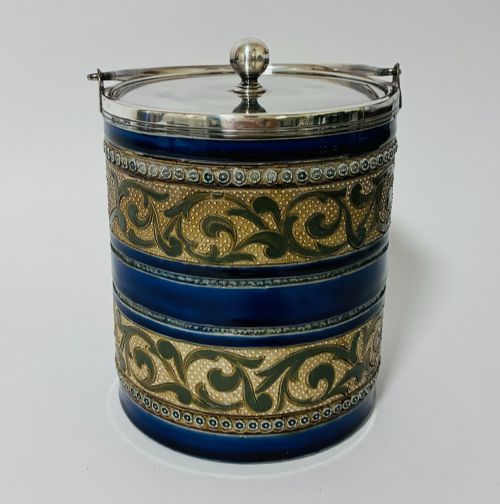
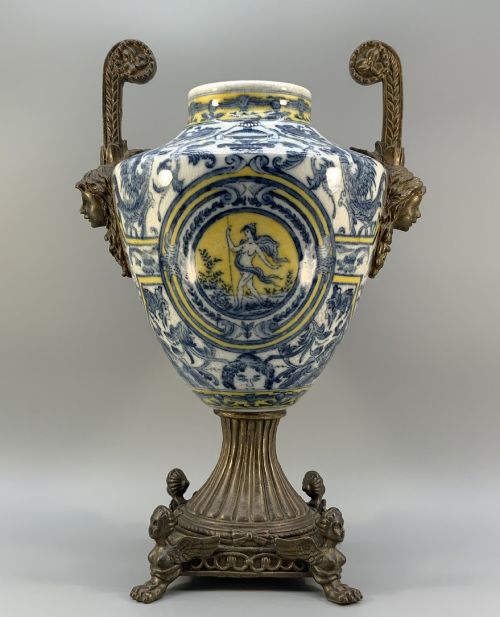
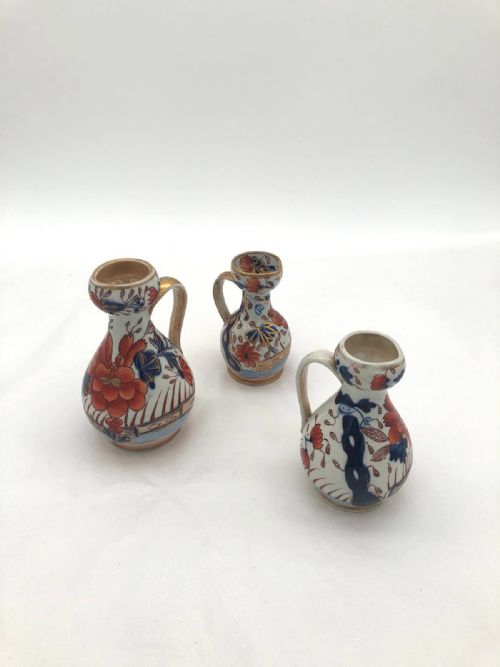
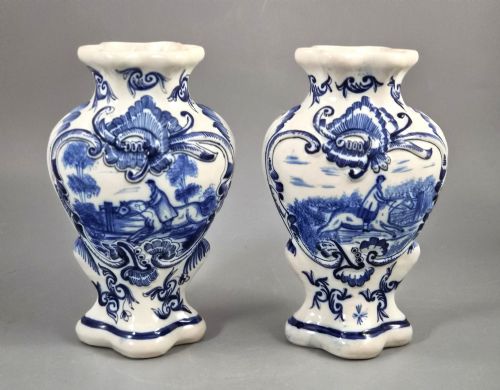
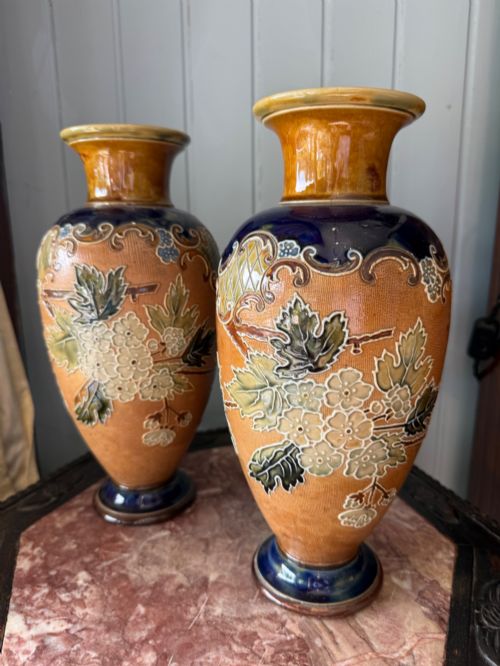
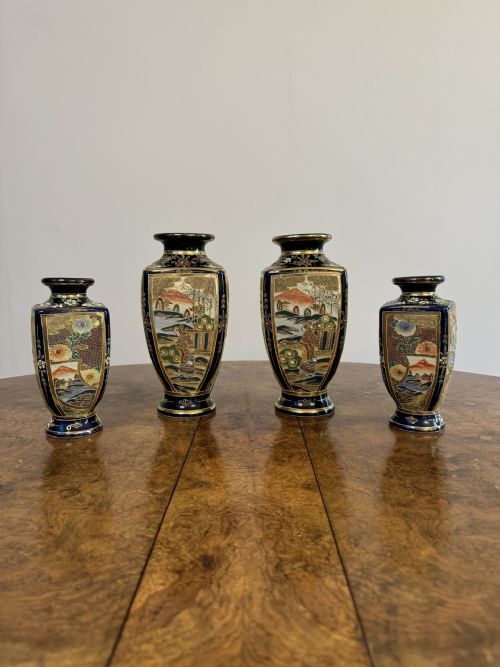
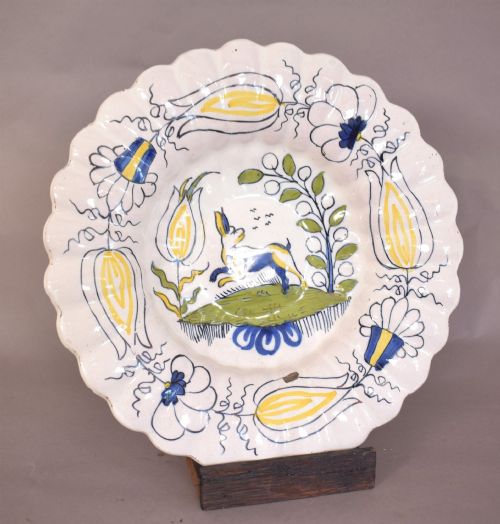
Decorative blue pottery spans functional and ornamental forms including chargers, vases, jugs, and footed bowls created during the Georgian, Victorian, and Edwardian eras. Buyers encountering these pieces will observe distinct stylistic influences ranging from Dutch Delft and English transferware to Japanese Imari and Art Nouveau design. The selection includes earthenware, stoneware, and porcelain objects featuring rich cobalt and polychrome glazing.
Continental faience and English art pottery dominate the forms, frequently manifesting as large charger plates and baluster vases. Pieces often display intricate patterns such as floral motifs, pastoral scenes, or geometric borders executed in shades of blue. These items served primarily as display pieces in period interiors, a purpose reflected in their scale and ornamental detailing.
Materials and Techniques
Potters utilised earthenware, stoneware, and porcelain bodies, applying opaque glazes and enamel decorations that formed the canvas for cobalt painting. Artisans combined traditional throwing methods with moulded construction, frequently enhancing pieces with silver-plated mounts, bronze fittings, or gold leaf accents. Transfer printing techniques allowed complex pictorial scenes to be applied efficiently to creamware and ironstone surfaces during the nineteenth century.
Kiln firing methods determined the depth of the blue underglaze and the brilliance of the overlying enamel colours. Workshops in England, continental Europe, and Japan employed distinct regional clay mixtures and glazing formulas, producing variations in weight and surface texture across the available inventory.
Several jugs depict pastoral scenes where sheep apparently ponder the landscape with profound philosophical confusion.
Assessing Craftsmanship
Quality in decorative blue pottery rests upon the crispness of the underglaze transfer or the precision of hand-painted brushwork. Superior examples exhibit deliberate control in pigment application, ensuring sharp lines and balanced composition across complex motifs.
The integration of secondary materials such as bronze mounts, silver cabochons, or applied metal handles distinguishes standard production ware from ambitious studio pieces. Potteries employing named artists or specific studio decorators display a higher degree of individual artistic expression.
Royal Doulton·Doulton Lambeth·Fourmaintraux Courquin·Mason's Ironstone·Keeling and Co
The Decorative Blue Pottery Glossary
- Charger
- A large decorative plate or dish intended for display on a wall or sideboard rather than for table service. These pieces frequently feature elaborate painted or transfer-printed scenes.
- Faience
- Tin-glazed earthenware produced in Europe, noted for its opaque white surface which accepts painted cobalt and polychrome decoration. The technique has roots in Islamic pottery traditions.
- Transferware
- Ceramic ware decorated by applying a printed paper design from an engraved copper plate onto the biscuit or glazed surface. This process enabled intricate pictorial patterns to be replicated consistently.
- Imari
- Japanese porcelain decorated in underglaze blue, iron red, and gold, named after the port from which it was shipped to Europe. The style was widely emulated by Western potteries.
Decorative Blue Pottery: Frequently Asked Questions
How do I date antique blue pottery?
Dating relies on identifying backstamps, factory marks, and stylistic indicators associated with periods like the Victorian era or the Art Nouveau movement.
Material composition and manufacturing techniques, such as transfer printing versus hand painting, also provide reliable chronological markers.
Were chargers used for dining?
Large chargers were predominantly ornamental items displayed on walls, sideboards, or decorative stands rather than functional tableware.
Their substantial size and intricate painted scenes made them central decorative elements in historic interiors.
What is the difference between earthenware and stoneware?
Earthenware is a porous, lower-fired ceramic body that requires glazing to become water-resistant, commonly seen in traditional faience.
Stoneware is fired at higher temperatures until vitrified and dense, offering greater natural durability without relying on thick glaze layers.
How should I display large ceramic chargers?
Large chargers require sturdy plate stands designed to support their weight securely on flat surfaces or within secure display cabinets.
Wall mounting requires professional hardware specifically rated for heavy ceramic objects to ensure safety.