
Decorative Art Glass
These pieces of decorative art glass span movements from Victorian times through to the mid-century, offering tactile colour and form for the interior.
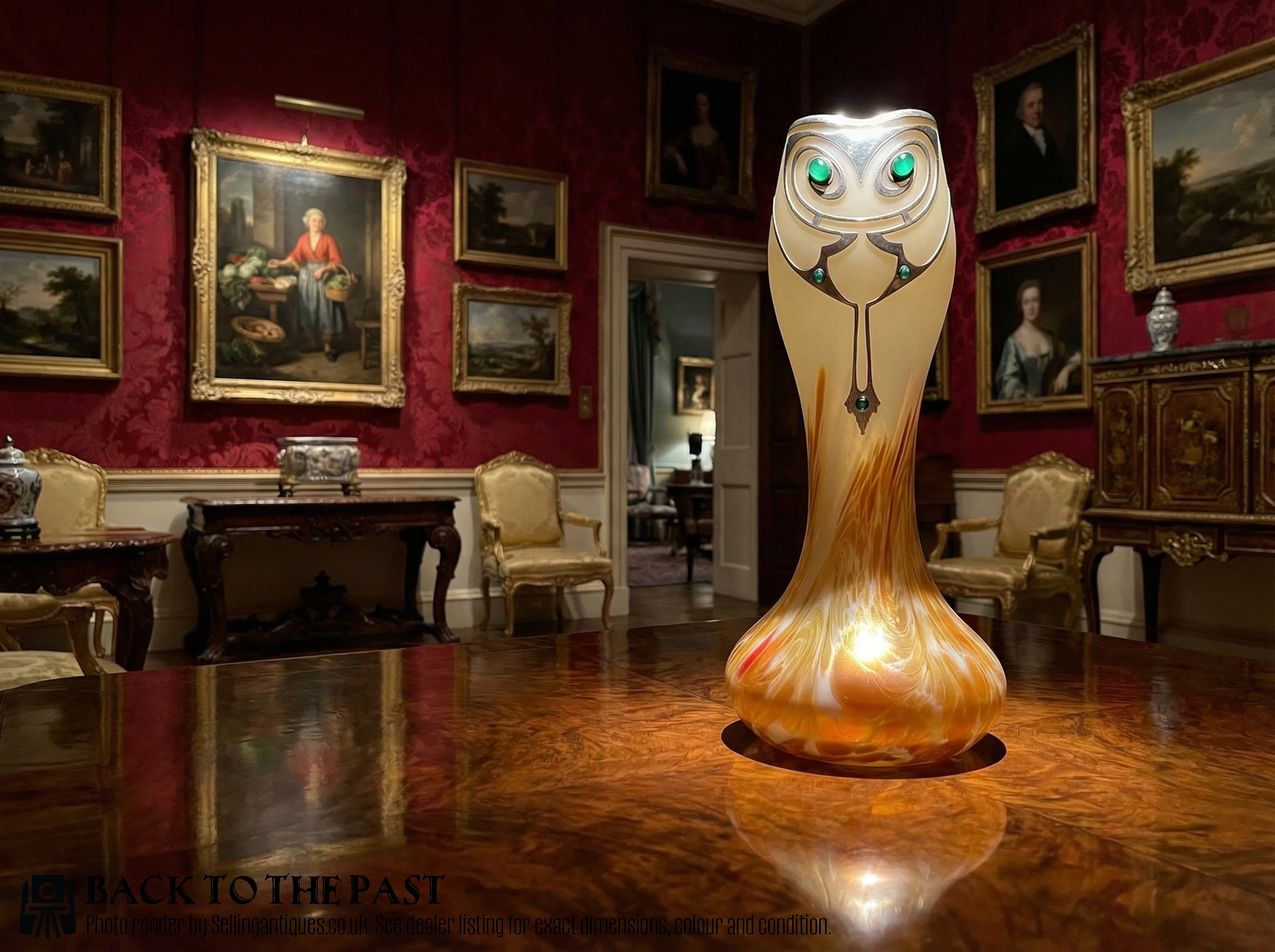
Decorative Art Glass
Decorative art glass encompasses a varied collection of ornamental objects, utilitarian vessels and architectural accents produced across the nineteenth and twentieth centuries. The selection on this page centres on items catalogued from periods including the Victorian era, the 1890s, the 1900s, the 1910s, the 1920s and the 1930s.
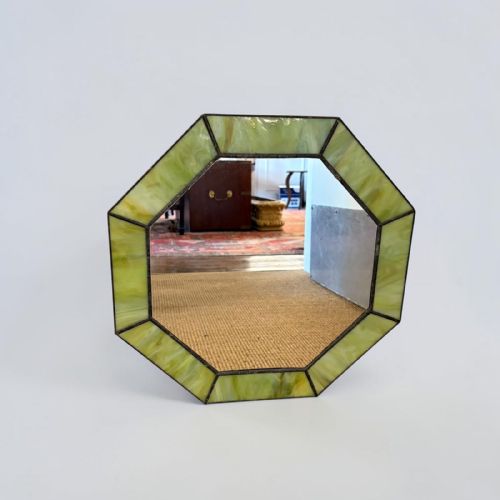
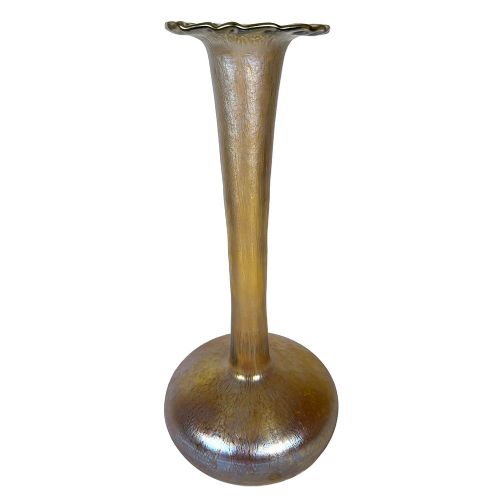
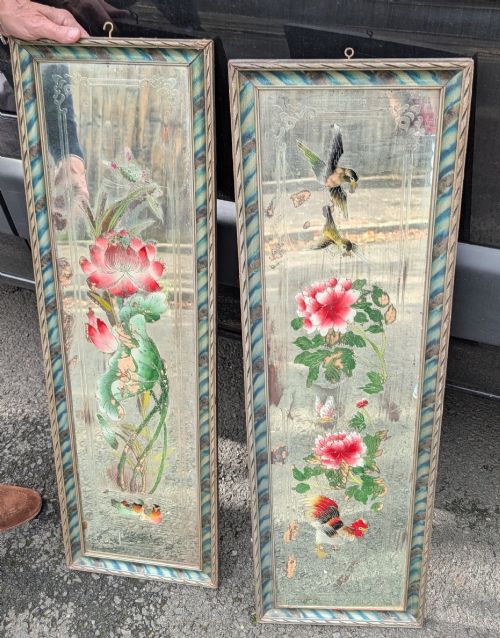
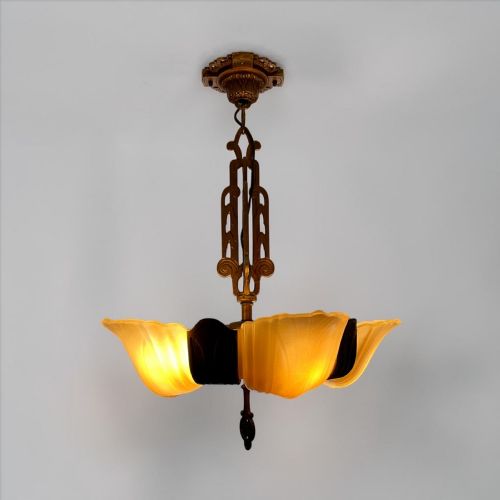
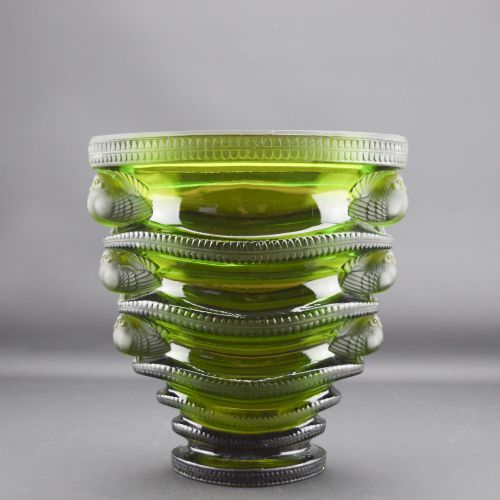
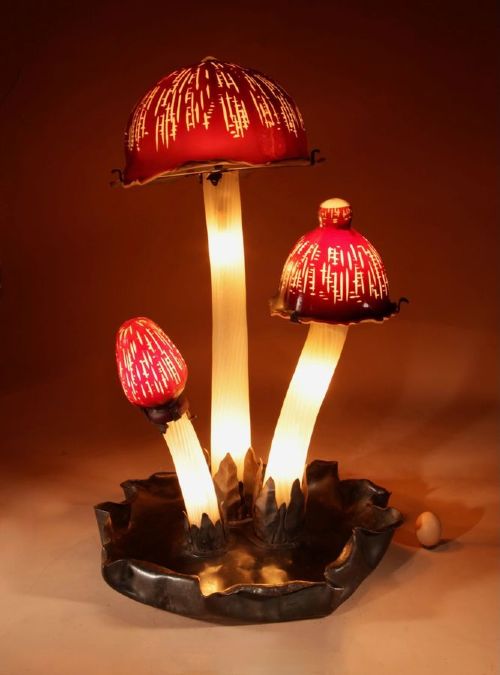
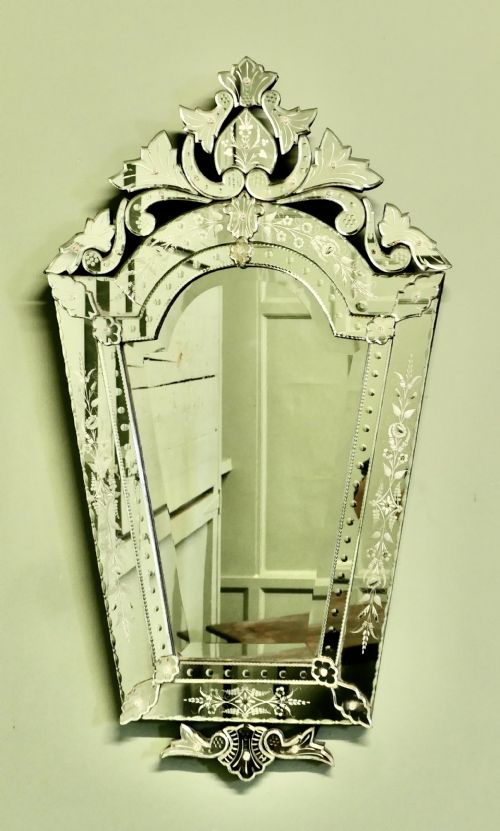
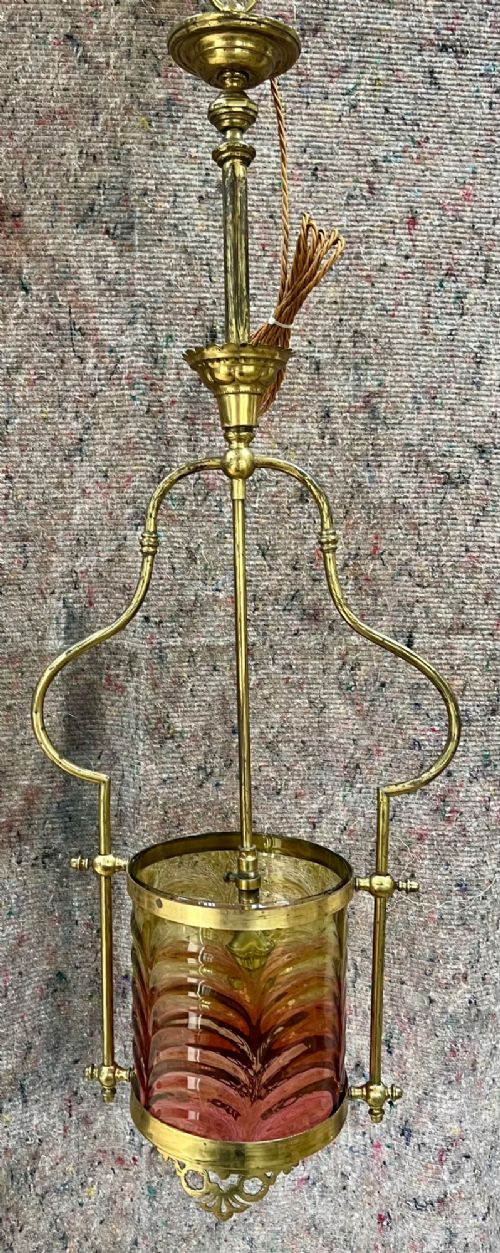
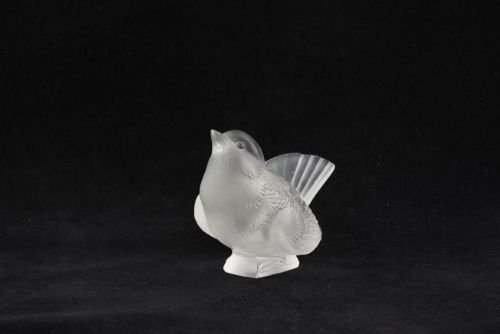
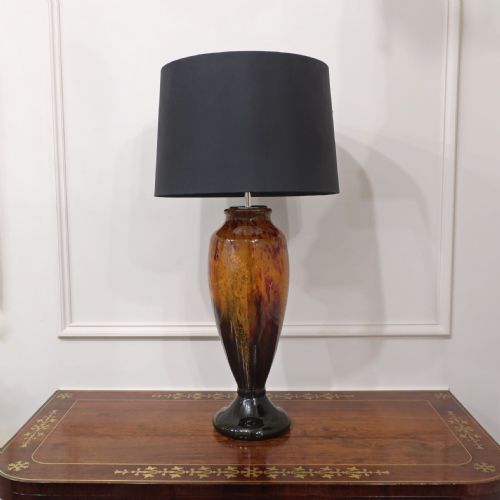
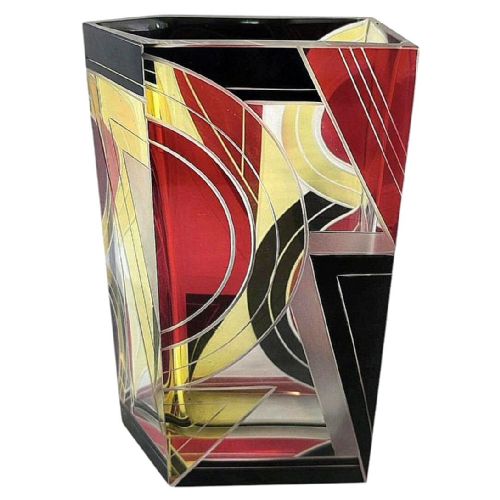
Vases, decorative bowls, wall mirrors, table lamps, ceiling lights, paperweights and fireplace screens make up the primary forms available. Pieces emerge from notable European and international centres, manifesting in distinct historic styles such as Art Nouveau, Art Deco, Arts and Crafts, Chinoiserie and Victorian design.
What varies in quality
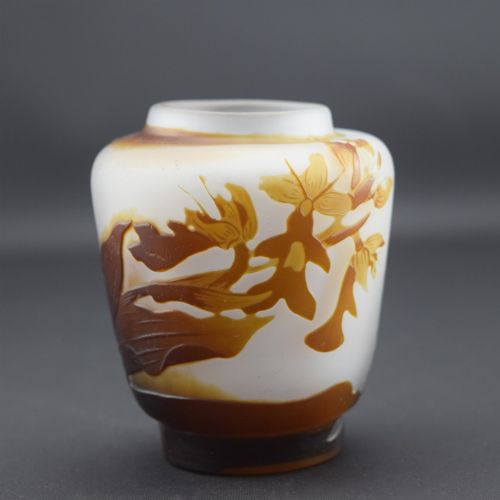
Quality rests in the crispness of execution, whether through the depth of carving in cameo glass, the precision of acid-etching, or the intricacy of enamel and gold decoration on the surface. Superior examples demonstrate a high degree of technical control in moulding, blowing and finishing.
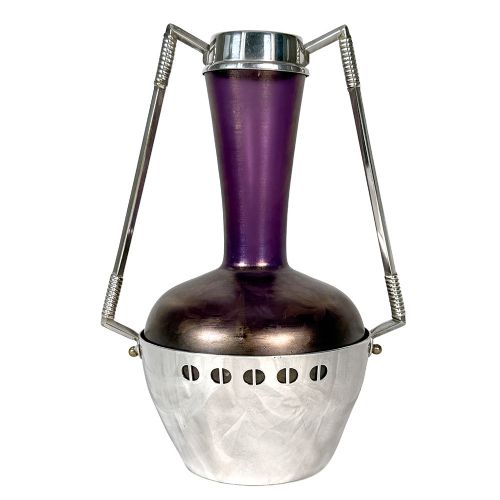
The reputation of the maker or workshop influences the standing of a piece, with established houses maintaining distinct standards in material selection and artistic design. Proportion, balance and the harmony between the glass body and any metal or wooden mountings further differentiate standard production from finer output.
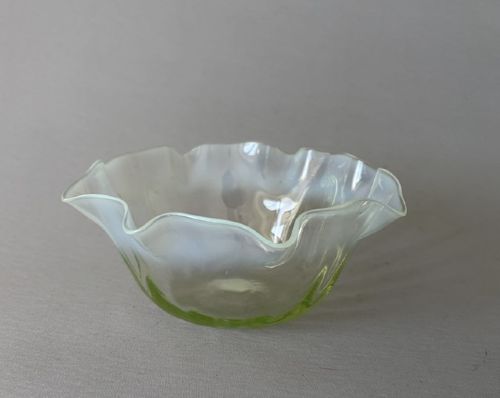
Object types span functional lighting, wall mirrors, fireplace screens and small decorative vessels including paperweights and coupe vases.
Rene Lalique·Venini·Charles Schneider·Daum Frères·Pallme Konig·Thereisenthal·Thomas Webb·Emile Galle·Legras·Georges Leleu
The Decorative Art Glass Glossary
- Cameo Glass
- A method of producing carved vessels by etching or cutting away layers of contrasting glass colours to reveal a raised design. This technique requires considerable skill to maintain even thickness across the carved motifs.
- Opalescent Glass
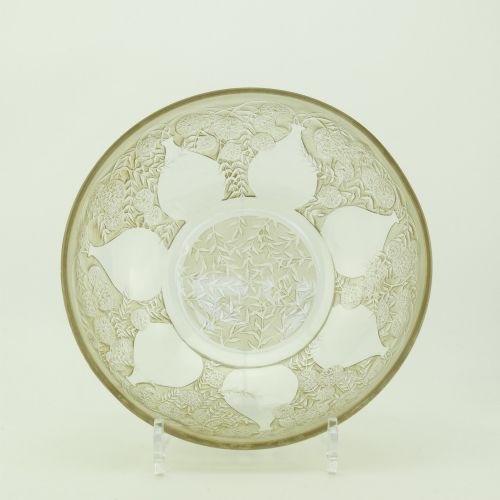
- Glass that exhibits a milky, bluish lustre when viewed by reflected light and a warm amber tone by transmitted light. It gained widespread popularity in moulding decorative bowls and vases during the interwar period.
- Acid-Etched Glass
- Glass treated with hydrofluoric acid to eat away the surface, producing frosted patterns, textures or matte designs. It allowed workshops to create repeating geometric or organic motifs efficiently.
- Millefiori
- A glasswork technique involving the production of glass canes with multicoloured patterns that are sliced into cross-sections and embedded in a clear ground. The term translates from Italian as a thousand flowers.
- Pâte de Verre
- A form of kiln-cast glass created by packing finely crushed glass mixed with a binder into a mould and firing it until fused. This process yields a dense, sugary texture with subtle colour gradations.
Decorative Art Glass: Frequently Asked Questions
How do I identify Art Nouveau glass?
Art Nouveau glass typically displays organic motifs, asymmetrical lines and iridescent or cameo surfaces inspired by natural forms. Pieces often date from the late nineteenth century through to the years leading up to the First World War.
Look for signatures integrated directly into the design, whether cameo-carved into the side of a vase or etched into the base. The palette frequently draws from botanical tones such as greens, golds and deep reds.
What is the difference between cameo and enamelled glass?
Cameo glass involves physically carving into layers of coloured glass to create a raised, three-dimensional relief pattern. This is a structural process executed while the glass is formed or through extensive hand-cutting.
Enamelled glass relies on applying vitreous paint to the smooth surface of the vessel, which is subsequently fired to fuse the pigments. This technique builds colour and line on top of the glass rather than carving into the material itself.
Where were opalescent bowls made?
Opalescent bowls and decorative objects were produced extensively in France during the early decades of the twentieth century. Prominent glasshouses utilised specialised moulding techniques to achieve the characteristic milky glow.
Production also occurred across other parts of Europe and Britain, though French ateliers remain particularly associated with moulded tableware and lighting of this period.