
Decorative Architectural Salvage
Decorative architectural salvage brings historic character to modern interiors through reclaimed structural elements, panels, and garden ironwork.
Decorative Architectural Salvage
Decorative architectural salvage comprises reclaimed elements sourced from older buildings, ranging from cast iron ceiling roses and carved wooden panels to stained glass windows and garden gates. These items carry the physical marks of their past environments, offering distinct period detail for contemporary spaces.
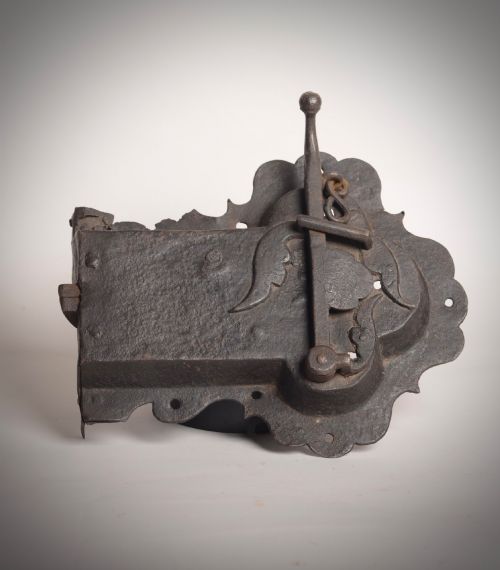
The selection here draws primarily from nineteenth century Victorian production alongside eighteenth century and early twentieth century examples. Buyers encounter everything from heavy wrought iron gates and architectural columns to smaller hardware like door push plates and rim locks.
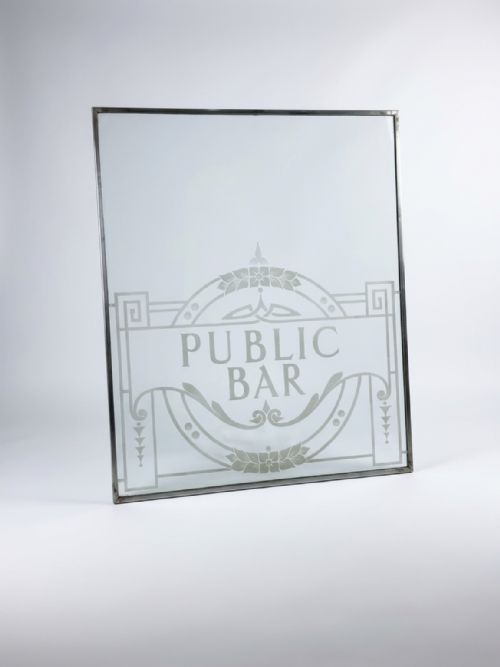
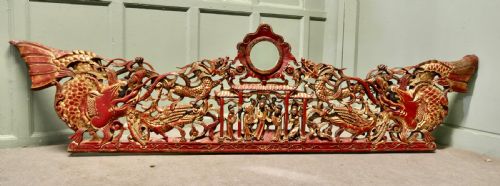
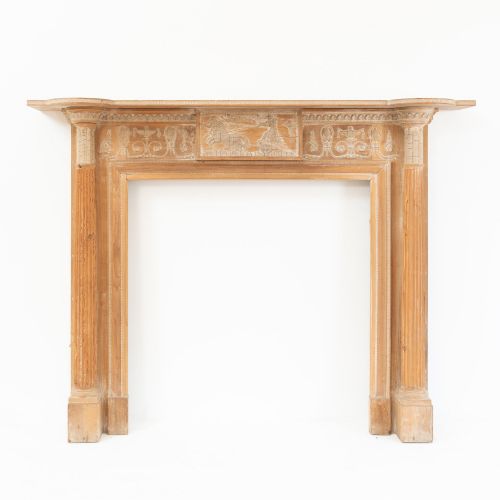
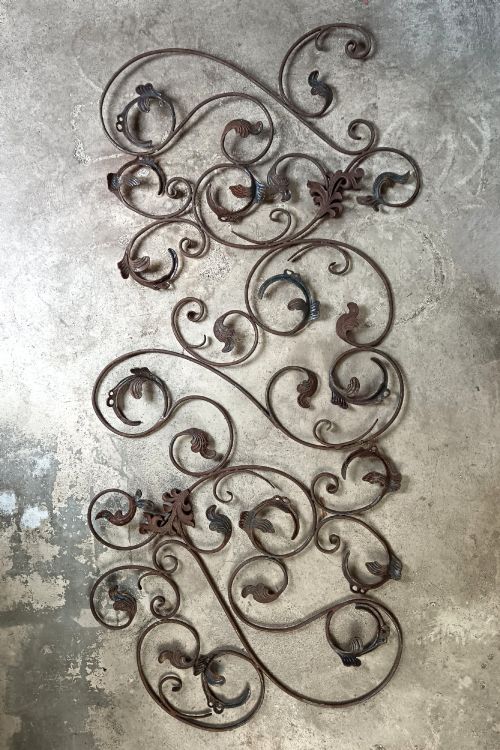
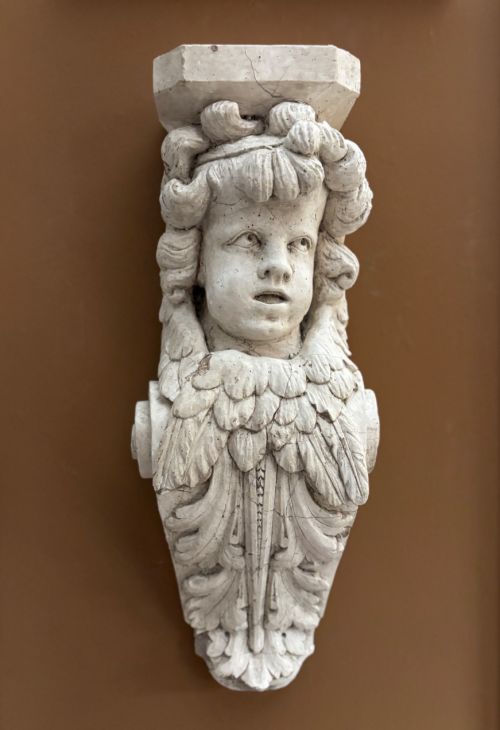
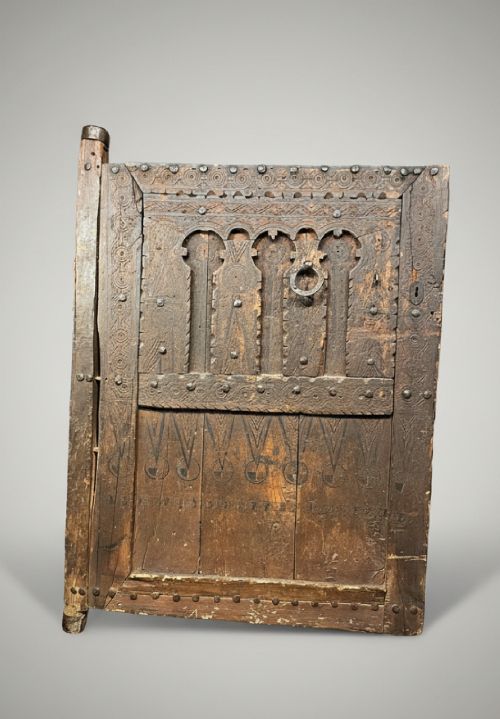
Wood and metal dominate the forms, covering carved oak ceiling bosses, pine fireplace surrounds, and intricate scroll panels. Each piece retains a functional history, whether originally serving as a temple pediment, a pub window, or a chapel door.
How they were made
Makers shaped these pieces using foundational materials like cast iron, wrought iron, oak, mahogany, walnut, and lead. Foundry work produced crisp ceiling roses and fire backs, while hand carving yielded detailed pelmets, Corinthian half columns, and linenfold panels.
Surface finishes include original paint, hammered copper, and weathered metal patinas that developed through decades of exposure. Glazing techniques combined leaded channels with hand painted glass scenes for windows and pub panels.
What varies in quality
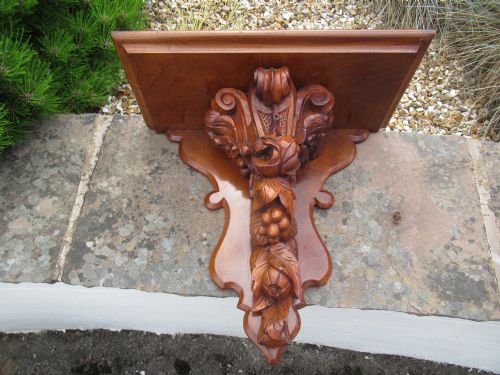
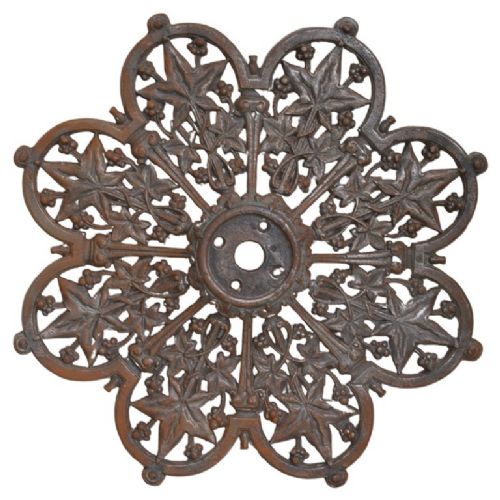
The depth and clarity of hand carving separate ordinary architectural elements from exceptional ones, particularly on wooden panels and capitals where chisel work defines the crispness of foliage or figures. Cast iron pieces depend on the sharpness of the original mould, where worn patterns yield softer leaf and scroll details.
Integrity of material condition dictates overall character, as intact joinery on doors and columns or original surface paint patinas preserve the historical integrity of the piece.
Raymond Subes
The Decorative Architectural Salvage Glossary
- Ceiling rose
- A decorative plaster or cast iron moulding fixed to the ceiling around a light fitting. These often feature botanical motifs such as ivy leaves and feathers.
- Fire back
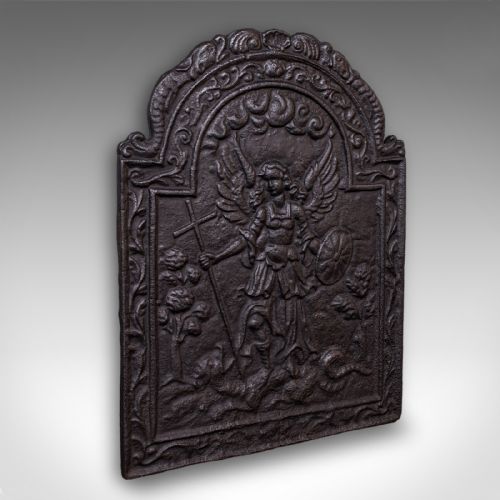
- A heavy cast iron plate placed at the back of a fireplace to reflect heat and protect the masonry. They frequently display heraldic or historical relief designs.
- Linenfold
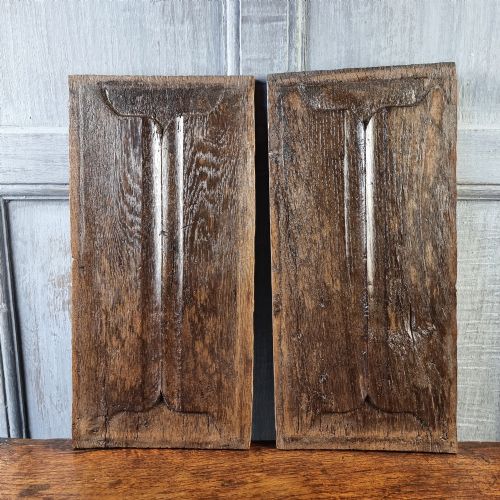
- A style of wood carving representing folded linen, popular on sixteenth and seventeenth century panels. This technique creates a textured, draped fabric illusion across the timber.
- Rim lock
- A mechanical door lock housed in a decorative metal box mounted directly onto the surface of a door rather than mortised inside. These often date to the seventeenth century and earlier.
- Strapwork
- Ornamental work consisting of flattened bands or ribbons, often scrolled or intersected. This pattern appears frequently on nineteenth century wrought iron estate gates and hinges.
Decorative Architectural Salvage: Frequently Asked Questions
How do I hang a heavy iron panel?
Heavy iron panels require secure fixing directly into structural wall studs or masonry using appropriate metal fixings that match the weight of the piece. Distributing the load across multiple mounting points ensures stability.
Consulting a professional builder helps determine the correct bracket strength needed for items like wrought iron gates or scroll panels.
Can exterior salvage be used indoors?
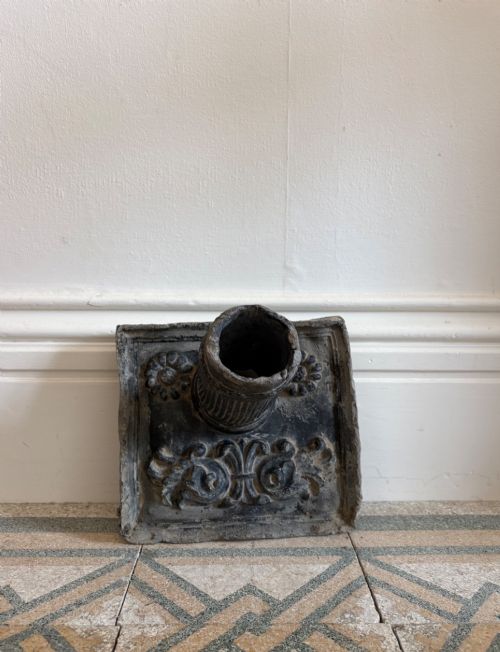
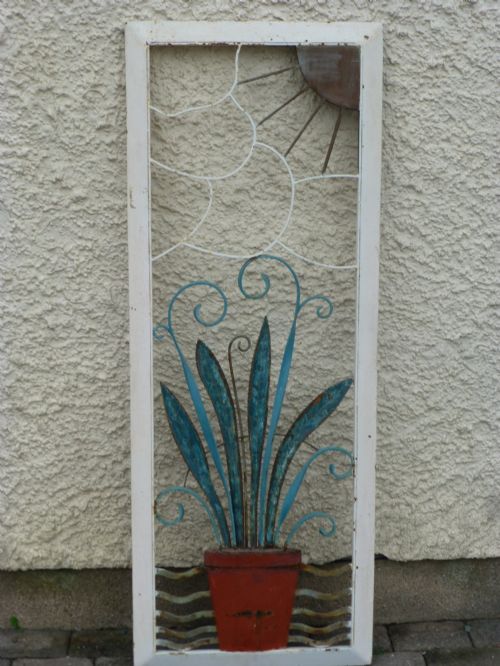
Exterior elements like garden gates, stone brackets, and lead fountain heads translate well into interior spaces as decorative wall art or focal points. Sealing the metal or wood protects the surface from indoor humidity changes.
Cleaning away accumulated outdoor weathering preserves the current patina without removing the historic character of the material.
How do I clean old cast iron?
Removing surface dust with a soft brush and wiping down with a dry cloth keeps cast iron elements in stable condition. Avoid harsh chemical cleaners that strip historical patinas.
Applying a light coat of microcrystalline wax protects the bare metal of items like ceiling roses and fire backs from future oxidation.
What period do most columns belong to?
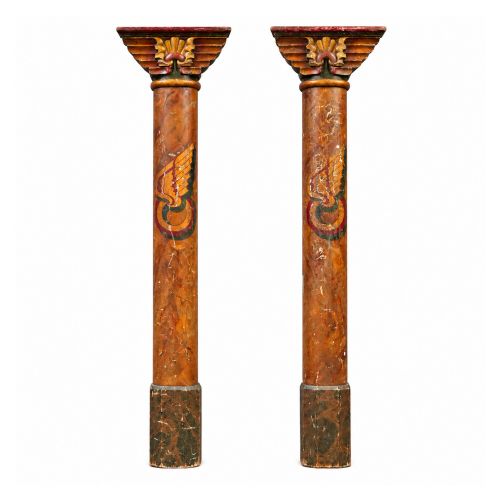
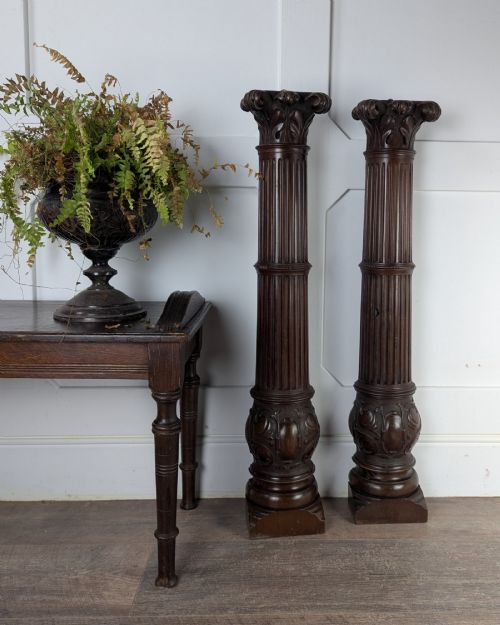
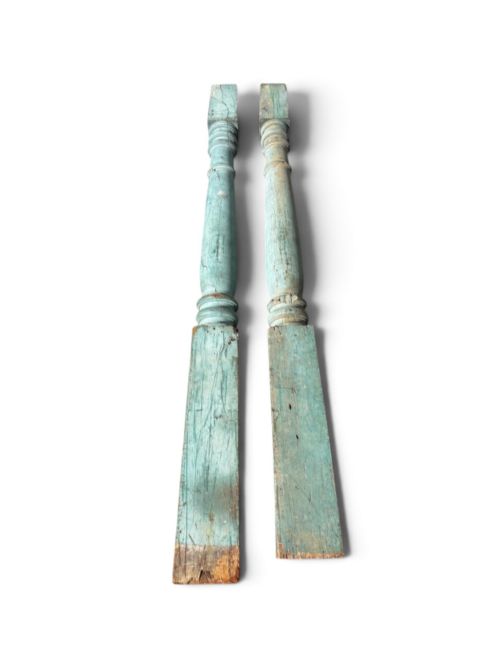
Columns and pillars on this page span the eighteenth and nineteenth centuries, including Victorian mahogany and pine variants alongside twentieth century fairground examples. Each style reflects the architectural tastes of its construction era.
Examining the turning techniques and timber species helps distinguish earlier Georgian joinery from later Victorian production.