




Classical Corinthian Capital
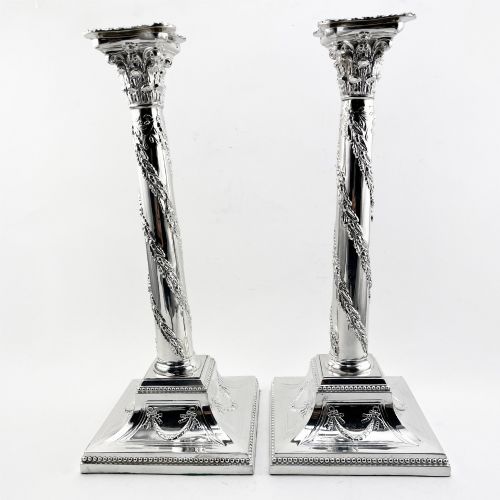
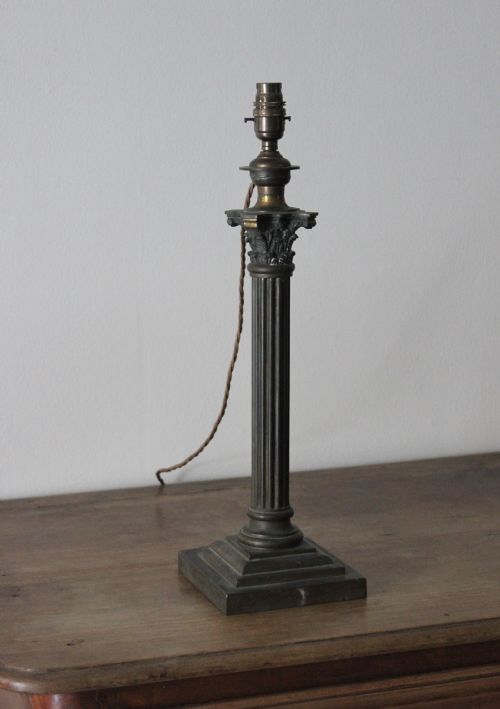
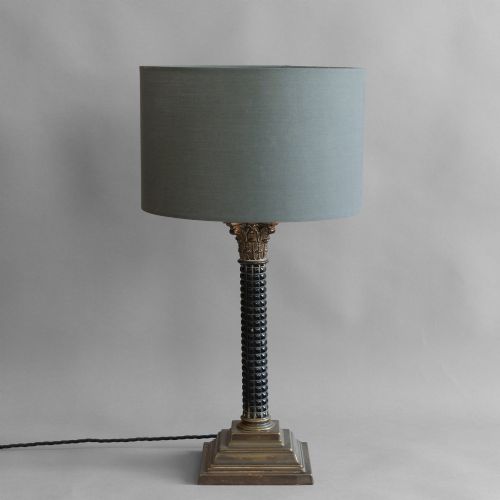
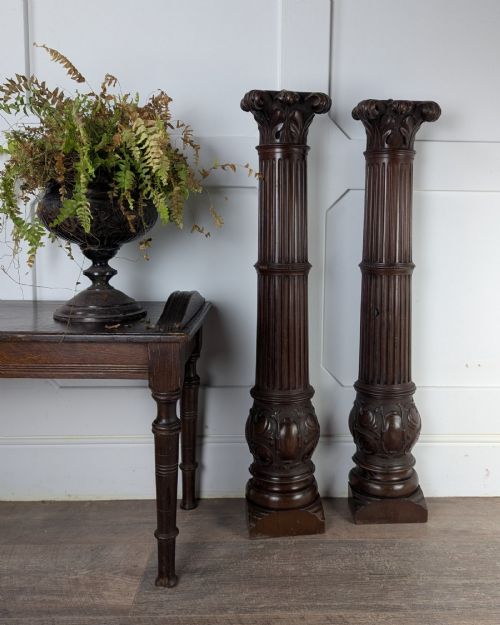
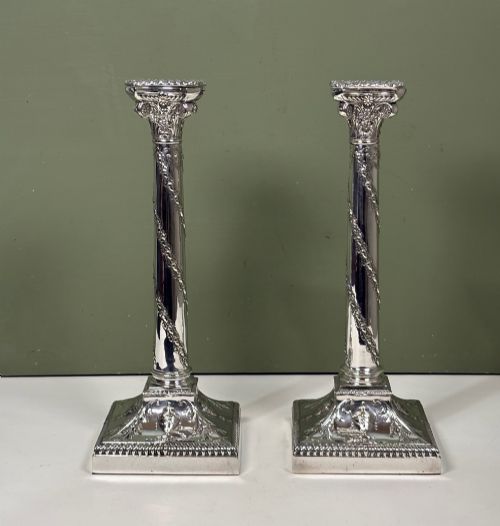
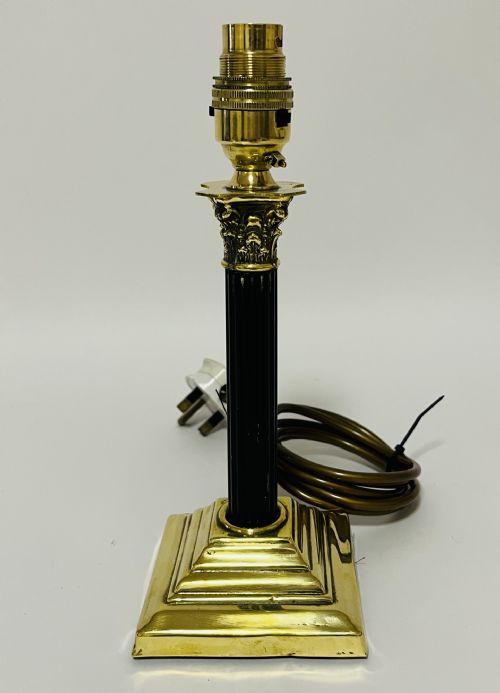
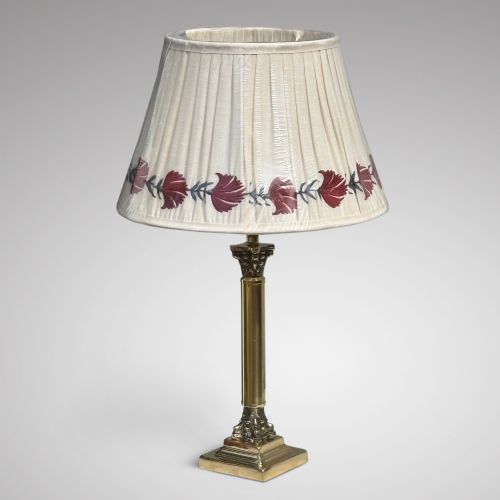
These classical corinthian capital pieces bring ancient architectural grandeur indoors, shaped into lamps, candlesticks and architectural fragments.
Classical Corinthian Capital
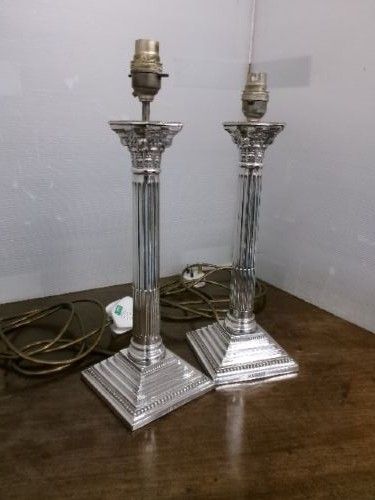
When you search for a classical corinthian capital, you encounter architectural elements and decorative objects adapted from ancient temple design. The selections span table lamps, candlesticks, standard lamps, pedestals and architectural salvage fragments.
Most examples you meet on this page date from the nineteenth and early twentieth centuries, including Victorian and Edwardian interpretations. Neoclassical and revival styles dominate the forms, turning the distinctive acanthus-leaf top into domestic lighting and decor.
You find these pieces rendered in brass, silver plate, carved wood, stone, onyx and mahogany. The capital itself sits atop columns, half-columns or candle stems, bringing classical proportions to interior spaces.
Materials and construction methods
Metal items utilise cast brass or silver plate over a base metal, frequently shaped into fluted or reeded column shafts supporting the detailed capital. Cut glass reservoirs and ormolu mounts appear on select lighting forms.
Wood and stone versions involve hand-carving techniques applied to mahogany, oak, limestone and general architectural stone. Artisans chiselled intricate acanthus leaves and volutes directly into the material to form the classic capital silhouette.
Classical Corinthian Capital Retail Price Guide 2026
Typical asking prices for classical corinthian capital among the pieces listed under this phrase on Sellingantiques today, from the lower quarter to the upper quarter. They describe what is for sale here now, not the wider market.
One spiral pillar stands ready to support your most ambitious architectural daydreams.
Assessing quality in these pieces
The crispness of the carving or casting defines the distinction between standard and superior pieces. Finer capitals display deeply undercut acanthus leaves and sharp geometric volutes rather than soft, rounded moulding.
Material selection and structural integrity separate the categories. Solid stone or finely turned hardwoods contrast with simpler cast metals, while intact wiring adaptations or original silver plating dictate the preservation state.
The Classical Corinthian Capital Glossary
- Acanthus
- A stylized leaf ornament derived from Mediterranean flora, forming the primary decorative motif carved or cast onto the corners of the capital.
- Fluted column
- A vertical shaft decorated with parallel shallow grooves running down its length. This treatment adds vertical emphasis beneath the capital.
- Ormolu
- Gilded bronze or brass applied as a decorative mount to stone or wood components. It provides a bright metallic contrast to darker materials.
- Volute
- The spiral, scroll-like ornament characteristic of classical capitals. It sits at the corners of the capital supporting the abacus above.
Classical Corinthian Capital: Frequently Asked Questions
What are these capitals made from?
The listings show a variety of materials including brass, silver plate, carved wood, limestone, onyx and mahogany. Metal and stone dominate the architectural fragments and candlesticks.
Lighting adaptations often combine these materials with glass reservoirs or fabric elements. Each material dictates the weight and overall presence of the object in a room.
How do I date a brass column lamp?
Dating relies on manufacturing techniques, wiring ports and material patination visible on the metal surface. Nineteenth-century examples often display heavy cast brass components with distinct hand-finishing marks.
Later Victorian and Edwardian pieces frequently incorporate silver plating or electrical conversions added during subsequent decades. Examining the base and interior fittings helps determine the manufacturing era.
Where were these pieces used originally?
Architectural capitals served as structural or decorative supports on buildings, mantels and grand interiors. Smaller adaptations transformed the column form into table lamps and candlesticks for domestic lighting.
Today, these objects function as focal points on tables, sideboards or pedestals within traditional and eclectic interiors. They bring historical architectural scale into residential spaces.
How do I clean silver plated lamps?
Silver plated surfaces require gentle cleaning with a soft cloth to avoid wearing through the thin metal layer. Avoid harsh chemical dips that strip the underlying base metal and original patination.
Preserving the aged finish maintains the character acquired over a century of domestic use. Regular dusting keeps the intricate details of the capital visible.