





Carved Wood Pilasters
Carved wood pilasters bring structural grace and classical proportion to an interior, offering architectural presence built from solid timber.
Carved Wood Pilasters
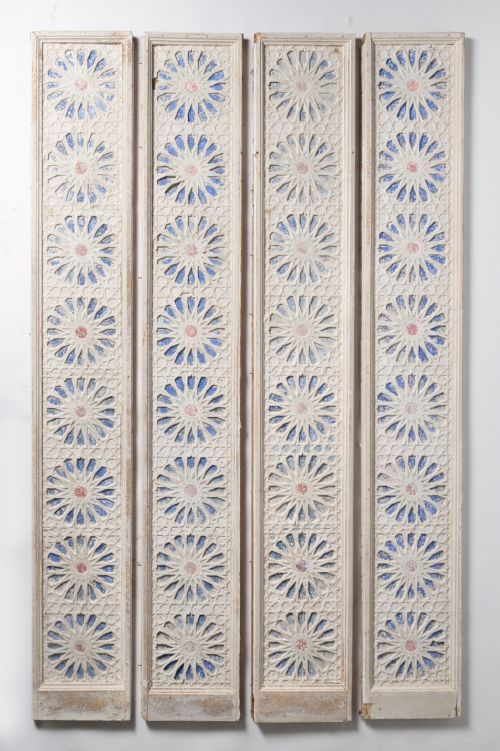
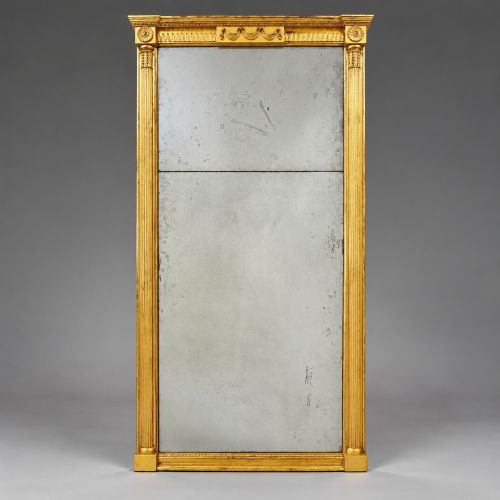
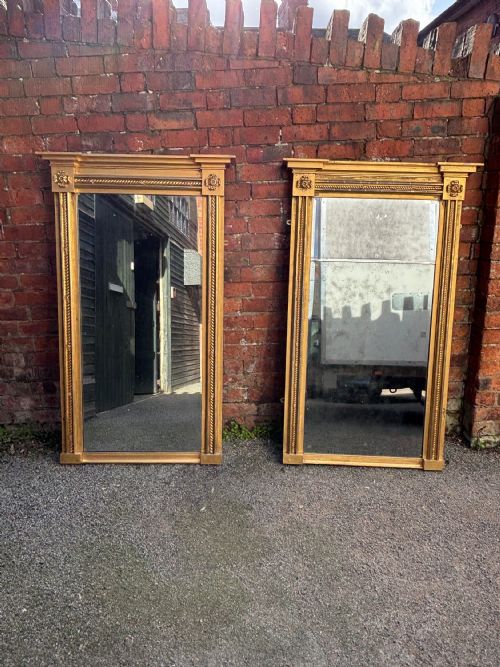
Carved wood pilasters provide flat architectural columns applied directly to walls or furniture to mimic classical support. When searching for carved wood pilasters, a buyer encounters architectural salvage, columns, half columns, and terms associated with bookcases and mirrors.
The pieces appearing here span centuries from the seventeenth century through the Victorian era and the twentieth century. Materials range from solid oak and walnut to mahogany, rosewood, chestnut, and gessoed or giltwood surfaces.
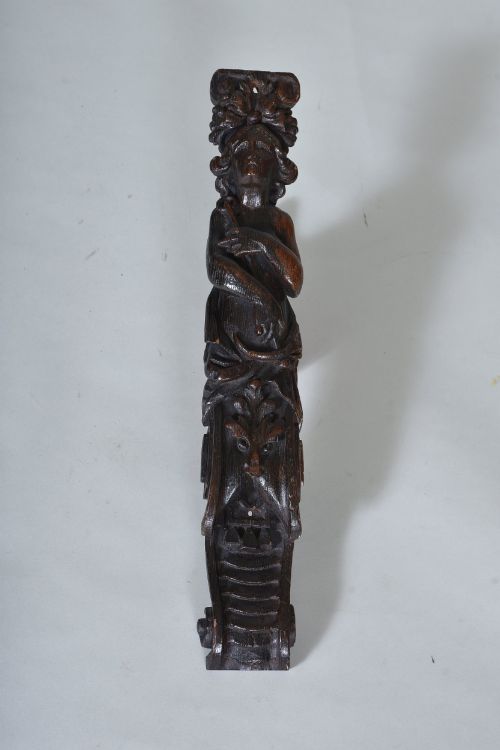
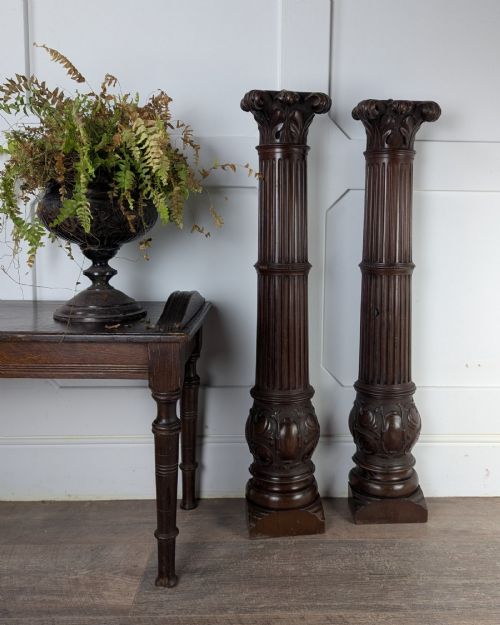
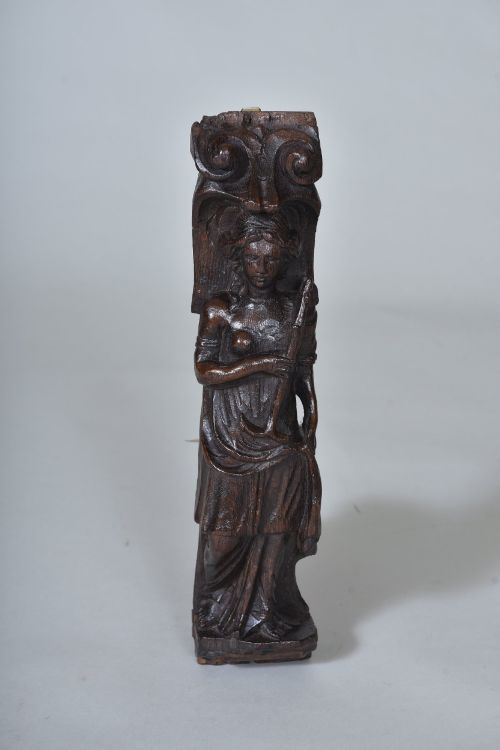
Object forms include columns, capitals, terms, caryatids, and architectural carvings salvaged from grand interiors. These elements often integrate into bookcases, pier mirrors, and overmantel mirrors rather than standing as detached elements alone.
Assessing Quality and Execution
Quality rests in the crispness of the hand carving and the depth of the relief work across the timber. Sharp undercut foliage and finely articulated capitals distinguish superior examples from softer, more mechanical production.
The integrity of the wood and the survival of original surface finishes determine the enduring character of the piece. Uniformity in pairs and the harmonious integration of classical proportion dictate visual success.
Carved Wood Pilasters Retail Price Guide 2026
Typical asking prices for carved wood pilasters among the pieces listed under this phrase on Sellingantiques today, from the lower quarter to the upper quarter. They describe what is for sale here now, not the wider market.
The inventory records pieces spanning the sixteenth century to the twentieth century, including Regency and Victorian styles.
Hugues Sambin
The Carved Wood Pilasters Glossary
- Pilaster
- A rectangular architectural column that projects slightly from a wall or furniture face, serving a decorative function. It typically includes a base, shaft, and capital.
- Capital
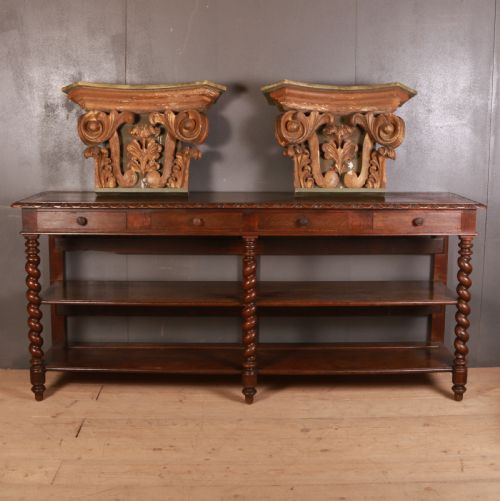
- The uppermost member of a column or pilaster, often carved with classical orders like Corinthian acanthus leaves. This area displays the carver's highest skill.
- Term
- A pedestal-like figure that tapers downwards, often featuring a carved bust or head at the top. These appear in architectural salvage and furniture mounts.
- Caryatid
- A sculpted female figure serving as an architectural support in place of a column. They bring sculptural drama to classical architectural schemes.
- Reeding
- Parallel convex mouldings carved closely together along the shaft of a column or pilaster. This technique adds vertical rhythm to the timber surface.
Carved Wood Pilasters: Frequently Asked Questions
What are carved wood pilasters?
Carved wood pilasters are decorative architectural elements designed to imitate classical columns against a flat surface.
They appear as salvaged timber pieces or integrated components on antique bookcases and mirrors.
How were carved wood pilasters used?
Builders and cabinetmakers applied these elements to frame doorways, fireplaces, and large library bookcases.
They added classical symmetry and architectural weight to grand domestic interiors.
How do I install architectural pilasters?
These pieces typically mount securely to flat interior walls or furniture cornices using discreet mechanical fixings.
Professional consultation ensures the weight of dense hardwoods like oak or mahogany is properly supported.
How do I date antique pilasters?
Dating relies upon timber species, tool marks left by hand chisels, and the specific style of the carved capital.
Seventeenth-century examples display robust oak and deep Jacobean relief, while later Victorian pieces show refined mahogany and softer walnut.