

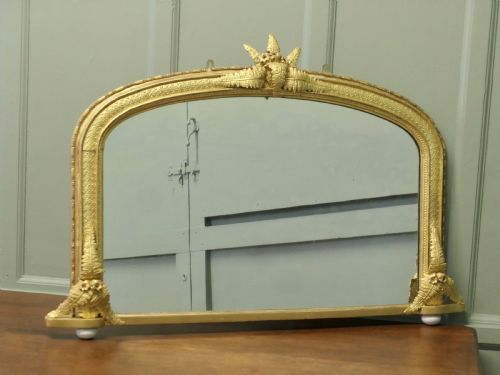
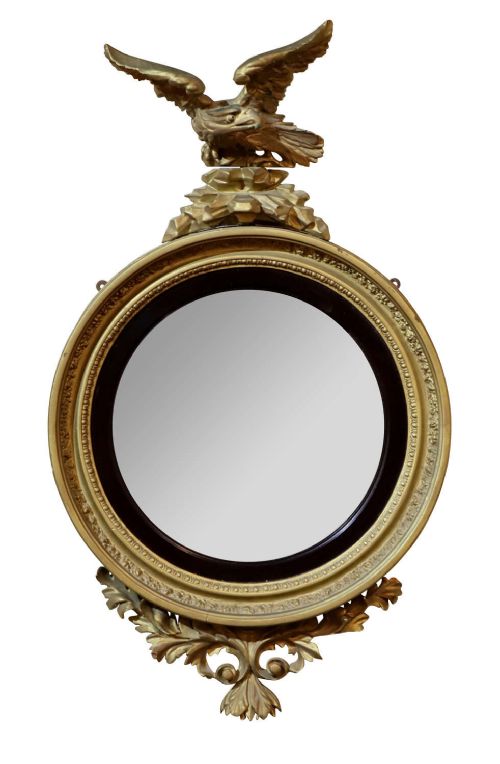
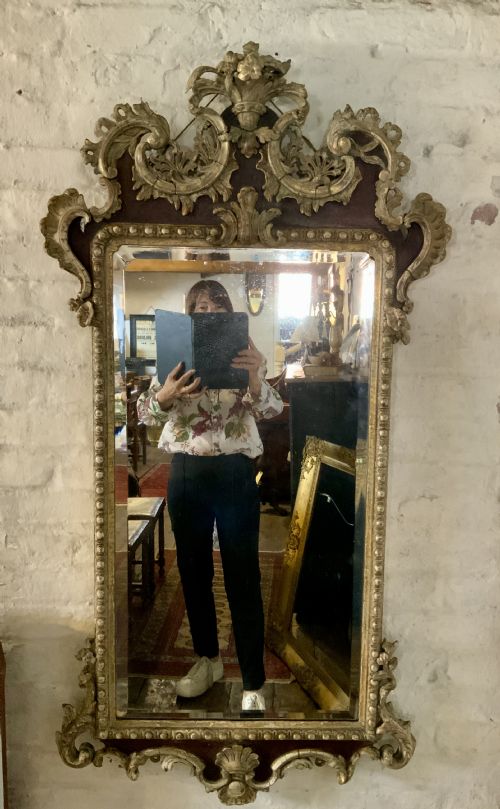
Decorative Wall Mirror
A decorative antique wall mirror brings depth and light to a room, offering a focal point shaped by centuries of craftsmanship.
Identifying a decorative antique wall mirror
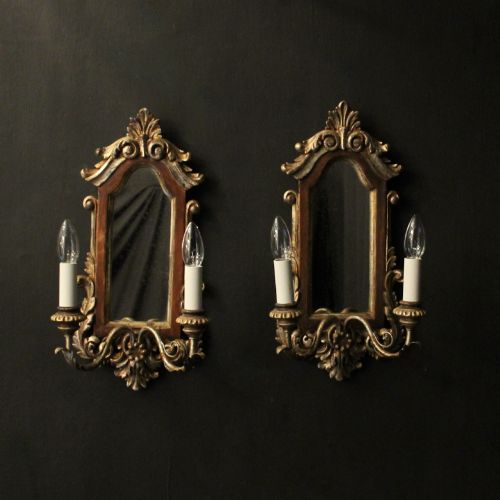
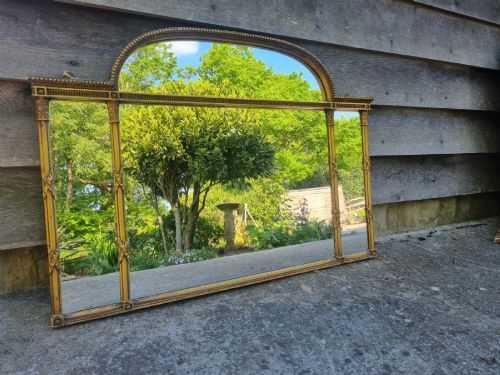
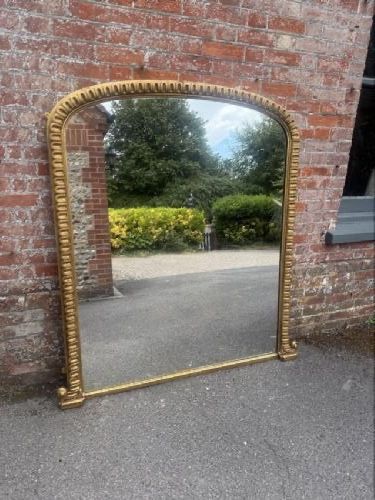
A decorative antique wall mirror spans centuries of interior design, incorporating styles from the seventeenth century through to the early twentieth century. Buyers seeking a decorative antique wall mirror encounter forms ranging from imposing overmantels to smaller wall-hanging pieces.
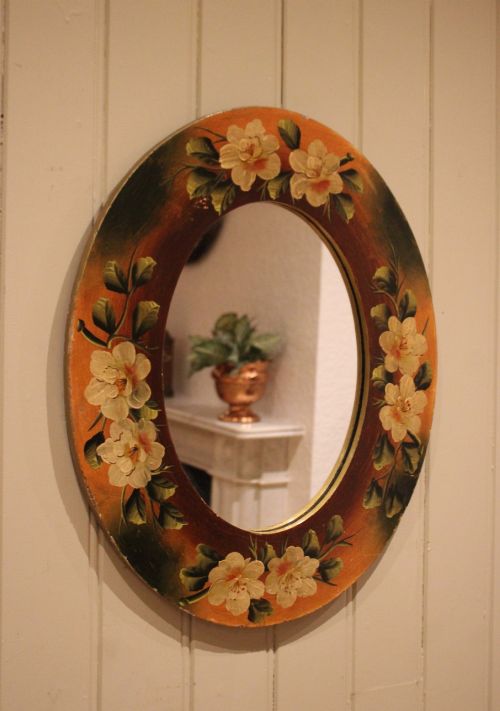
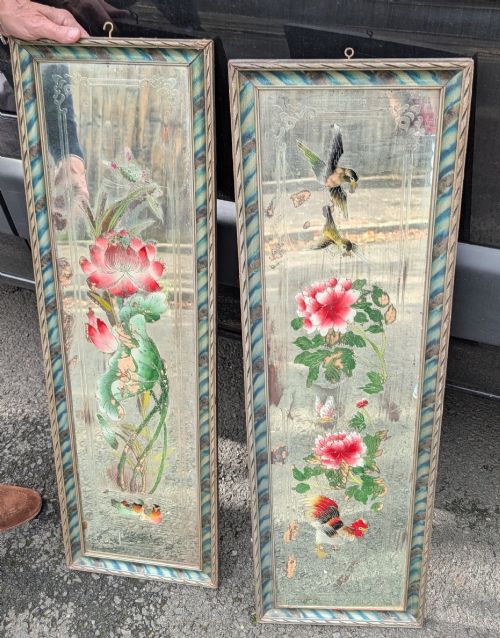
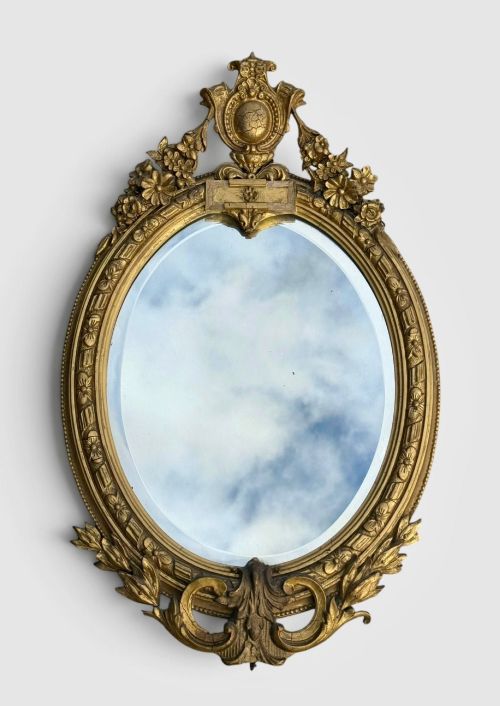
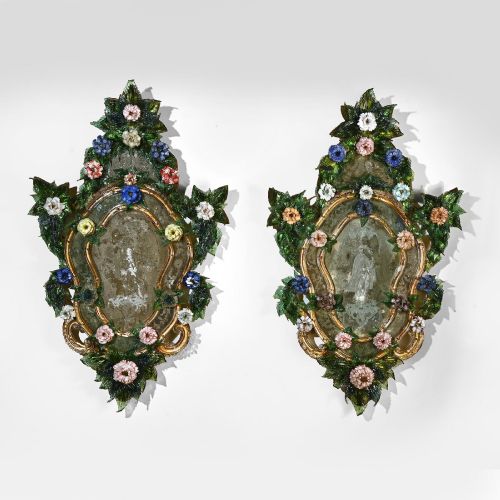
Materials span carved wood, gesso, giltwood, paint, and glass, creating substantial visual presence in domestic spaces. These wall mirrors reflect both regional European traditions and broader nineteenth-century aesthetic interests.
Construction and materials
Frames are built from wood, carved pine, or specialist substrates prepared to receive decorative finishes. Artisans applied layers of gesso onto wooden foundations to create crisp relief ornament before gilding or painting the surface.
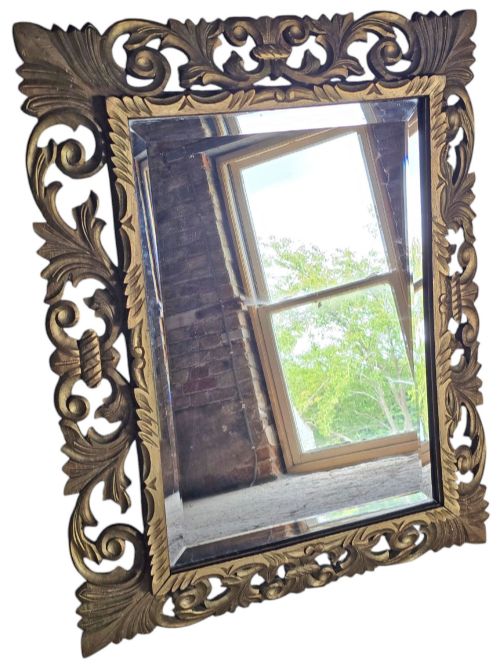
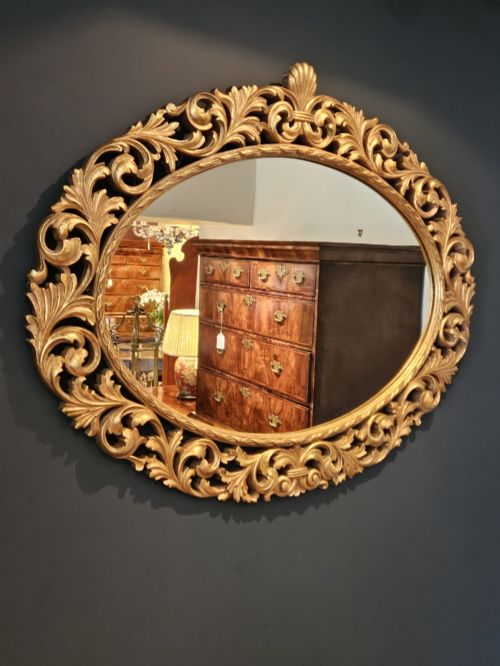
Giltwood finishes utilise gold leaf applied over bole, while other examples employ paint, ebonising, or intricate oyster veneers laid across the wooden body. Mirror glass is set within these frames, sometimes taking cushion or convex forms depending on the period.
Retail Price Guide 2026
Typical UK retail prices for decorative wall mirror, calculated from the Sellingantiques database of over a million retail prices indexed since 2003. This retail price guide relies exclusively on Sellingantiques data; no external sources or auction records are used, so the figures do not describe the wider market.
Evaluating craftsmanship and condition
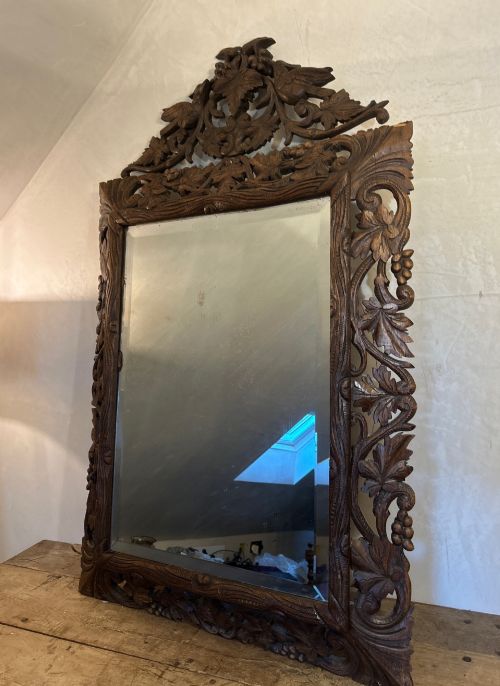
Quality rests in the crispness of the carved detail and the depth of the gilding or surface finish. Superior pieces demonstrate refined handling of gesso and wood, whether displaying naturalistic vine leaves or clean neoclassical lines.
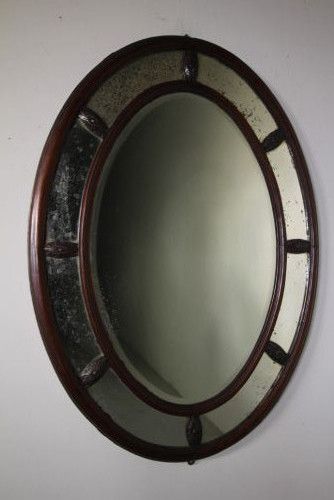
The integrity of the frame construction and the preservation of original finishes, such as early gilding or paintwork, distinguish finer examples. The relationship between the glass and the decorative housing remains central to the character of each piece.
The Decorative Wall Mirror Glossary
- Giltwood
- Wood coated with gold leaf or a gold-coloured metallic finish. This technique provides a luminous surface that catches and reflects ambient room light.
- Gesso
- A plaster-like mixture applied to wood frames to create a smooth surface for carving or gilding. It allows for intricate relief ornamentation.
- Oyster veneer
- Cross-sections of branches sliced to show concentric circular grain patterns. This decorative technique creates rich, patterned wooden surfaces.
- Overmantel
- A large mirror designed specifically to be hung above a fireplace mantelpiece. These pieces often feature wide frames intended to anchor the room's proportions.
- Convex mirror
- A round mirror with a curved, outward-bulging glass surface. This form captures a wide-angle reflection of the interior space.
Frequently Asked Questions
How do I hang a heavy antique mirror safely?
Heavy frames require secure wall fixings suited to the specific construction of your walls, such as solid masonry or studwork. Weight should be distributed evenly across robust brackets or heavy-duty D-rings attached directly to the wooden frame.
Professional installation is recommended for large overmantel mirrors to ensure stability and safety in domestic settings.
How should I clean antique mirror glass?
Clean mirror glass gently using a soft cloth and a mild, non-ammonia cleaning solution applied to the cloth rather than directly onto the glass. This prevents moisture from seeping behind the plate or damaging the surrounding frame.
Avoid abrasive materials that can scratch historic glass or wear away delicate surface treatments.
Can I place an antique mirror in a bathroom?
High humidity and fluctuating temperatures in bathrooms can damage vulnerable materials like gesso, wood, and historic gilding. Moisture may also cause foxing or deterioration of the original mirror silvering.
It is safer to position decorative antique mirrors in drier living spaces, hallways, or reception rooms.
What is foxing on antique mirrors?
Foxing refers to the small brown spots and patches that develop on mirror glass over time as the backing oxidises. This natural ageing process is often valued by collectors as evidence of authenticity.
Unless the spotting obscures the reflection entirely, foxing adds historic character to the piece.