



Dark Wood Vase Stand
A dark wood vase stand brings proportion and texture to a room, lifting ceramics and bronzes to eye level with carved precision.
Dark Wood Vase Stand
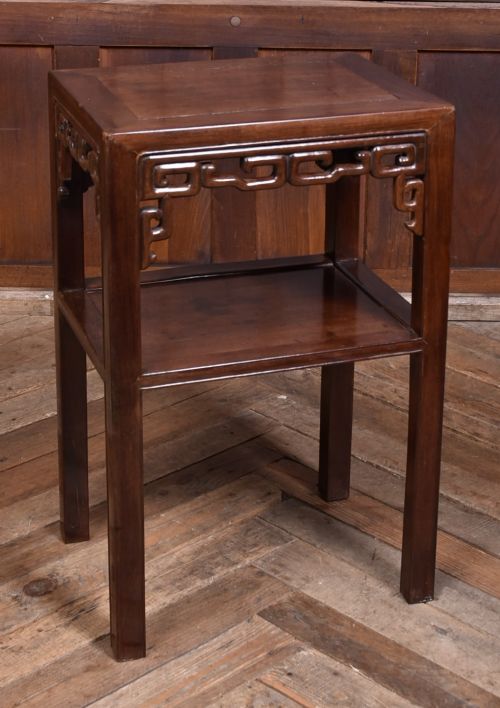
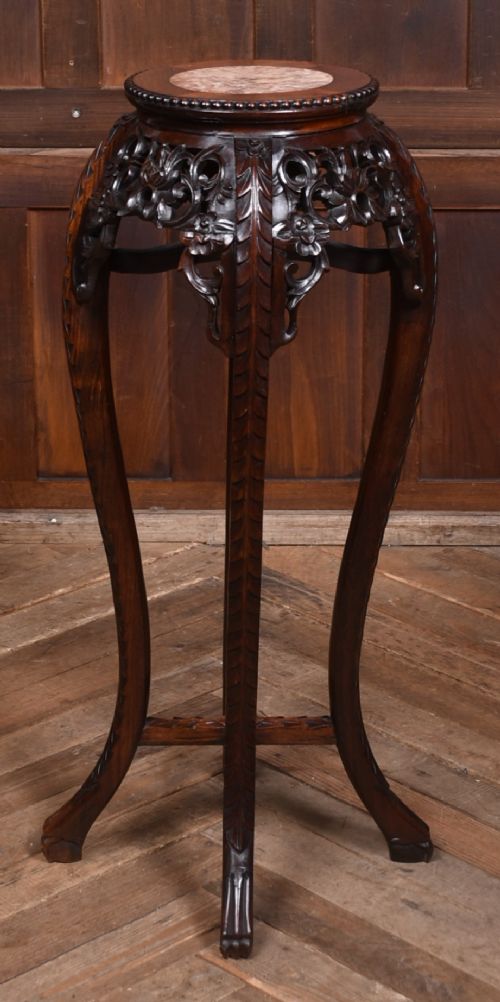
A dark wood vase stand serves to elevate decorative urns, planters and jardiniere vessels within domestic interiors. Most examples on this page hail from the nineteenth century, reflecting traditional Chinese export craftsmanship.
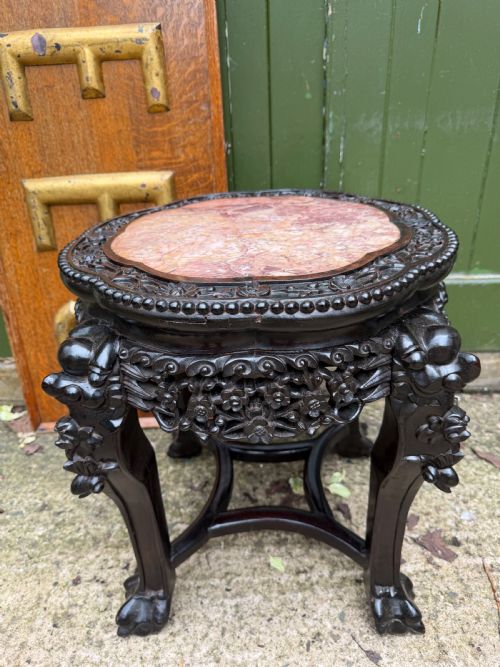
The forms range from low jardiniere tables to taller plant pedestals designed to support heavy porcelain and bronze objects. Many pieces incorporate inset marble tops to protect the timber surface from moisture.
Originating predominantly from Qing Dynasty and later nineteenth-century workshops, these stands utilise dense timbers like mahogany, rosewood and hongmu. Buyers typically encounter intricately carved wooden frames featuring traditional motifs.
How they were made
Craftsmen utilised dense hardwoods such as mahogany, rosewood, huali and hongmu to construct durable frames capable of supporting heavy vessels. These timbers were selected for their deep natural colour and tight grain.
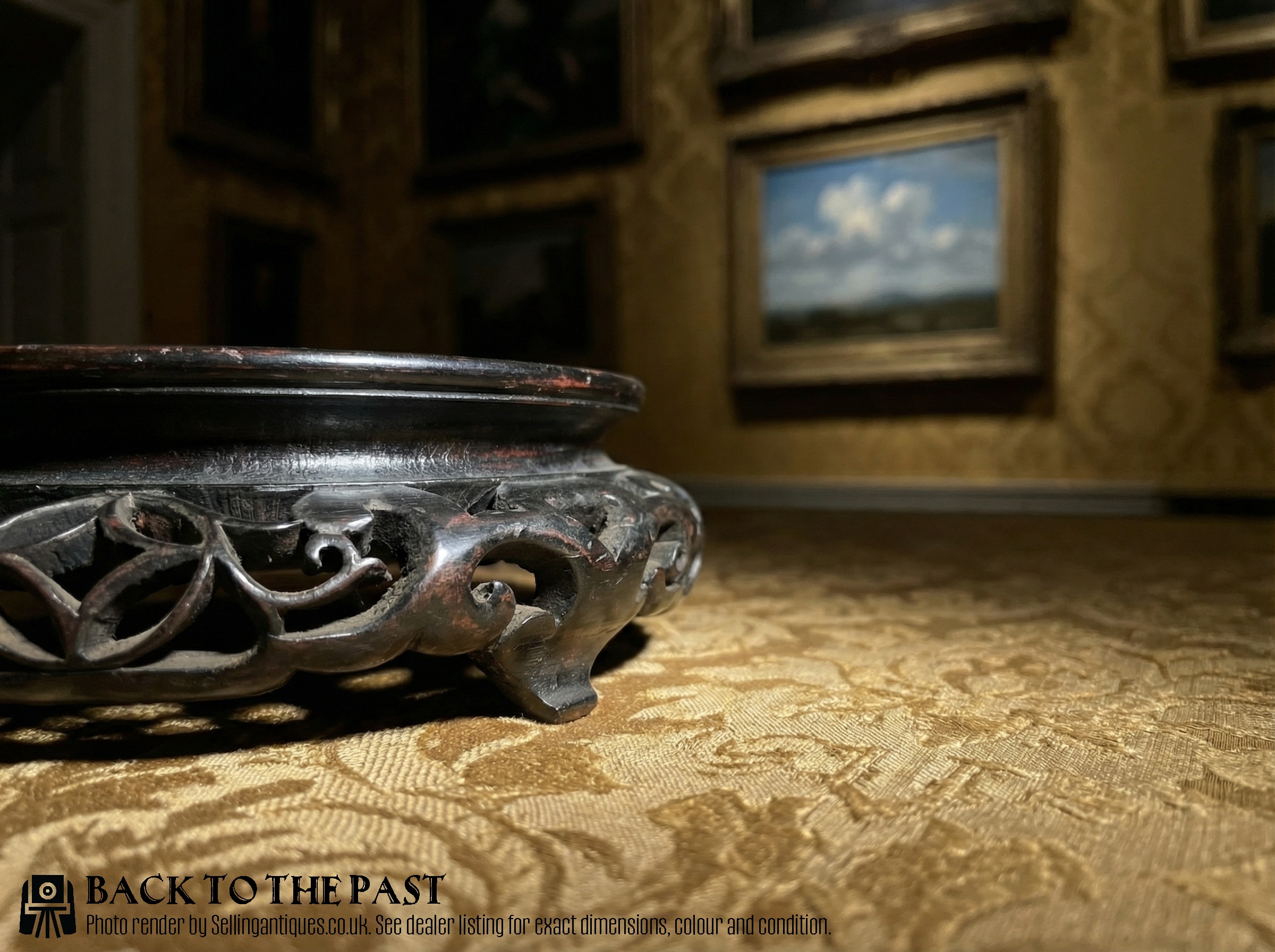
Many surfaces feature detailed hand carving executed with traditional woodworking tools, defining floral and geometric borders. Inset marble panels, including variegated rouge marble, were fitted precisely into wooden channels.
Certain items combine timber structures with bronze elements or lacquer finishes, demonstrating mixed-material construction common in export pieces. Joinery relied on traditional interlocking joints rather than metal fasteners.
Many nineteenth-century stands doubled as wine or lamp tables once the plants were cleared away.
What varies in quality
The depth and crispness of the hand carving distinguish finer examples from simpler production pieces. Crisp undercut details require greater skill than shallow surface incisions.
The choice and density of timber impact the structural integrity and weight of the stand. Heavier, finer-grained hardwoods such as hongmu represent higher standards of production.
The quality of the inset marble top, particularly its figuring and flush fit within the wooden frame, marks the difference between standard and superior pieces.
The Dark Wood Vase Stand Glossary
- Hongmu
- A dense, dark tropical hardwood traditionally used in Chinese furniture making. It translates literally to red wood and holds a polished finish well.
- Huali
- A fragrant hardwood from the rosewood family prized for its rich grain and durability. Makers utilised it for high-status export items.
- Jardiniere
- A large ornamental pot or stand for holding plants and flowers. These vessels often required sturdy low tables for proper display.
- Grand Tour
- A cultural journey undertaken by wealthy Europeans in the eighteenth and nineteenth centuries. Travellers collected bronzes and antiquities along the route.
Dark Wood Vase Stand: Frequently Asked Questions
What is a dark wood vase stand used for?
These stands provide a stable elevated platform for displaying decorative items such as ceramic vases, bronze urns and heavy planters. They prevent heavy vessels from resting directly on floors or delicate furniture.
In period interiors, they placed prized Asian porcelains and bronzes at optimal viewing heights. Today, they serve a similar decorative purpose in living spaces.
How do I identify a nineteenth-century piece?
Nineteenth-century stands display the tool marks, patination and dense timber selection characteristic of traditional workshop production. Examining the underside and joinery reveals hand-cut construction methods.
Period items often feature specific Chinese export styles associated with the Qing Dynasty. Natural wear patterns on the wood further indicate age.
Why do some stands have marble inserts?
Marble inserts provided a cool, waterproof surface that protected the surrounding wooden frame from water damage when watering plants. Variegated rouge marble also added decorative contrast to dark timbers.
This combination of stone and hardwood is a frequent feature of nineteenth-century export plant stands. The stone was cut and polished to fit flush within the timber groove.
How should I care for a hardwood stand?
Maintain the timber by dusting regularly with a soft, dry cloth to prevent dirt accumulation. Avoid placing the stand in direct sunlight or near heat sources to protect the wood.
Apply a suitable wax polish periodically to nourish dense hardwoods like rosewood and hongmu. Keep marble inserts clean using a damp cloth without harsh chemicals.