


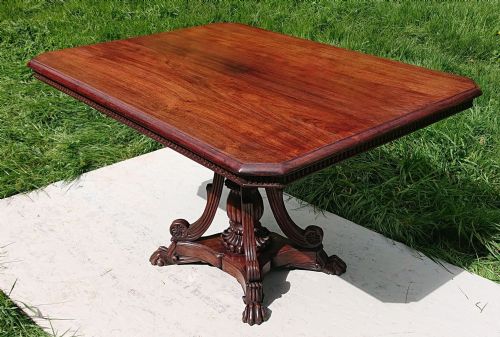


Carved Hardwood Base
A carved hardwood base is a solid foundation for displaying precious objects, offering intricate regional carving and dense timber construction.
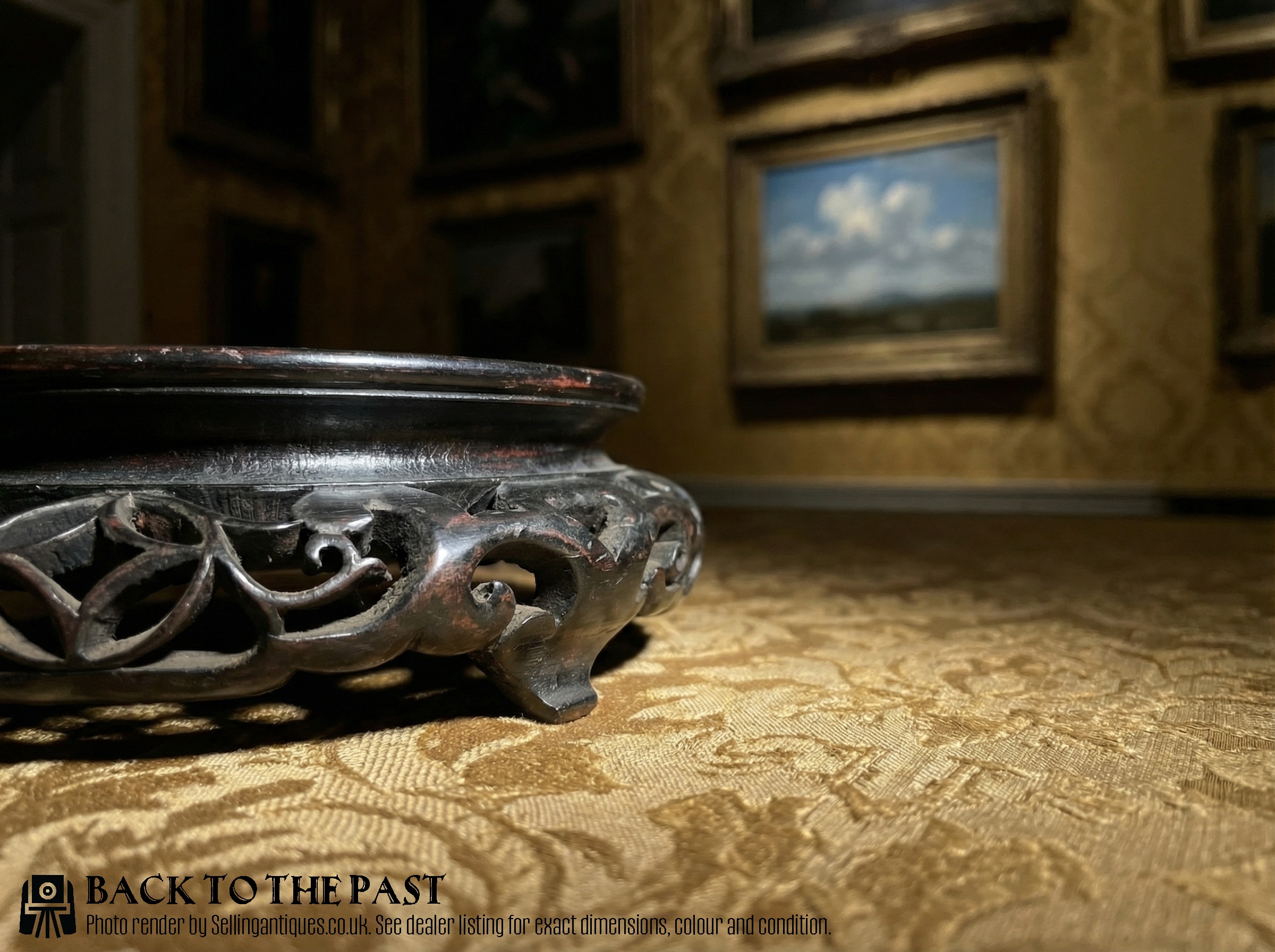
Carved Hardwood Base
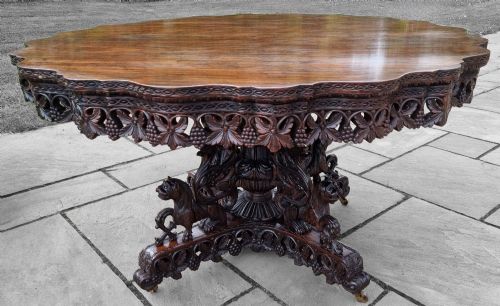
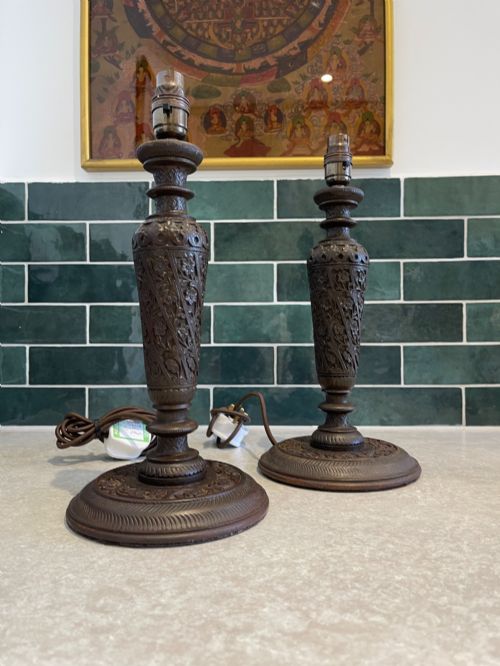
A carved hardwood base serves as a sturdy platform or display stand, often supporting table lamps, vases, bonsai trees, and ceramic figures. When searching for a carved hardwood base, buyers encounter various forms ranging from small display stands to larger folding table supports originating from Asian and Anglo-Indian workshops.
The pieces appearing in this category span the nineteenth century and early twentieth century, incorporating styles such as Chinese Qing Dynasty, Japanese Meiji period, and Anglo-Indian design. These items utilise dense timbers shaped to elevate decorative arts and provide stable footing for heavy ornamental objects.
Whilst many examples function as independent display stands for bonsai or vases, others form the structural support for larger occasional tables and torchiere lamps. The workmanship reflects traditional regional carving techniques passed down through generations of specialist artisans.
Materials and construction methods
Makers utilised dense timbers including rosewood, padauk, teak, and root wood, selecting each for its strength and rich natural grain. These heavy hardwoods allowed artisans to execute deep, undercut reliefs and intricate figural carvings without compromising structural integrity.
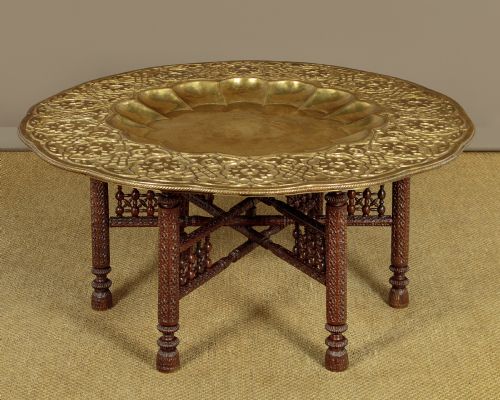
Joinery techniques often involved traditional interlocking joints and pinned construction, enabling items like folding bases and occasional tables to collapse or assemble securely. Metal elements such as brass fixtures occasionally appeared alongside bone inlays to accentuate the carved wooden surfaces.
Distinguishing quality in carved wooden stands
Quality reveals itself in the crispness and depth of the carving, where superior examples exhibit sharply defined motifs and fully undercut details rather than shallow, machine-abraded relief. The selection of the timber also dictates the standard, with tightly grained rosewood and padauk commanding greater respect than softer or more uniform woods.
Proportion and stability separate standard utility items from finer decorative pieces, ensuring that the weight of the supported vase, lamp, or figure distributes evenly across the feet. The integrity of the original joints and the absence of clumsy modern repairs further distinguish superior craftsmanship.
The Carved Hardwood Base Glossary
- Hardwood
- Dense timber derived from broad-leaved trees such as rosewood, teak, and padauk. These heavy woods resist warping and permit exceptionally fine carving.
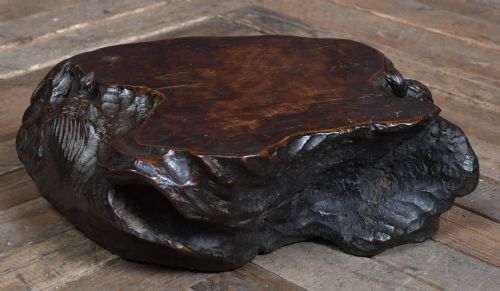
- Root wood
- Timber sourced from the root system of a tree, prized for its gnarled, organic shapes. Artisans incorporate these natural contours directly into the design of stands and carvings.
- Qing Dynasty
- The final imperial dynasty of China, lasting from the seventeenth to the early twentieth century. Pieces from this era often feature elaborate dragon motifs and formal floral carving.
- Meiji Period
- An era in Japanese history spanning the late nineteenth and early twentieth centuries. Works from this period demonstrate highly refined figurative sculpture and naturalistic detail.
- Torchiere
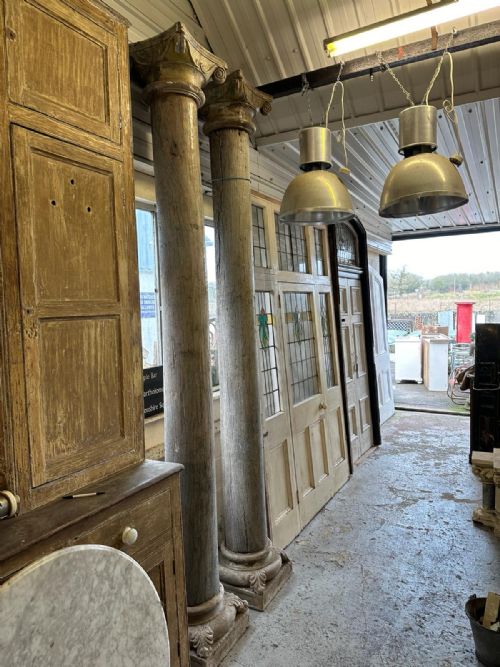
- A tall stand or floor lamp designed to hold a light source high above the floor. These items frequently incorporate carved columns and substantial pillar bases.
Carved Hardwood Base: Frequently Asked Questions
What were carved hardwood bases used for?
These pieces primarily served to elevate and display valued possessions such as ceramic vases, bonsai trees, and table lamps within period interiors.
By raising the object off the furniture surface, the base drew attention to the craftsmanship of both the display stand and the item placed upon it.
How do I identify the wood type?
Examination of the weight, colour, and grain pattern helps determine the timber, with rosewood and padauk offering distinct reddish or dark brown hues.
Close inspection under good light reveals the natural pores and density characteristic of slow-growth tropical hardwoods.
Are folding bases sturdy?
Traditional folding bases rely on precision joinery that allows wooden components to pivot and lock firmly into position without metal hinges.
When properly aligned, these collapsible frames provide reliable support for trays, table tops, and heavy decorative objects.
How do I care for antique hardwood?
Maintenance requires keeping the timber away from direct heat sources and sudden humidity changes to prevent shrinkage or splitting in the dense grain.
Light dusting with a soft cloth preserves the natural finish without the need for heavy modern polishes or oils.