



Chinese Hardwood Vase Stand
A chinese hardwood vase stand elevates a display piece with solid construction, bringing carved timber and marble into domestic rooms.
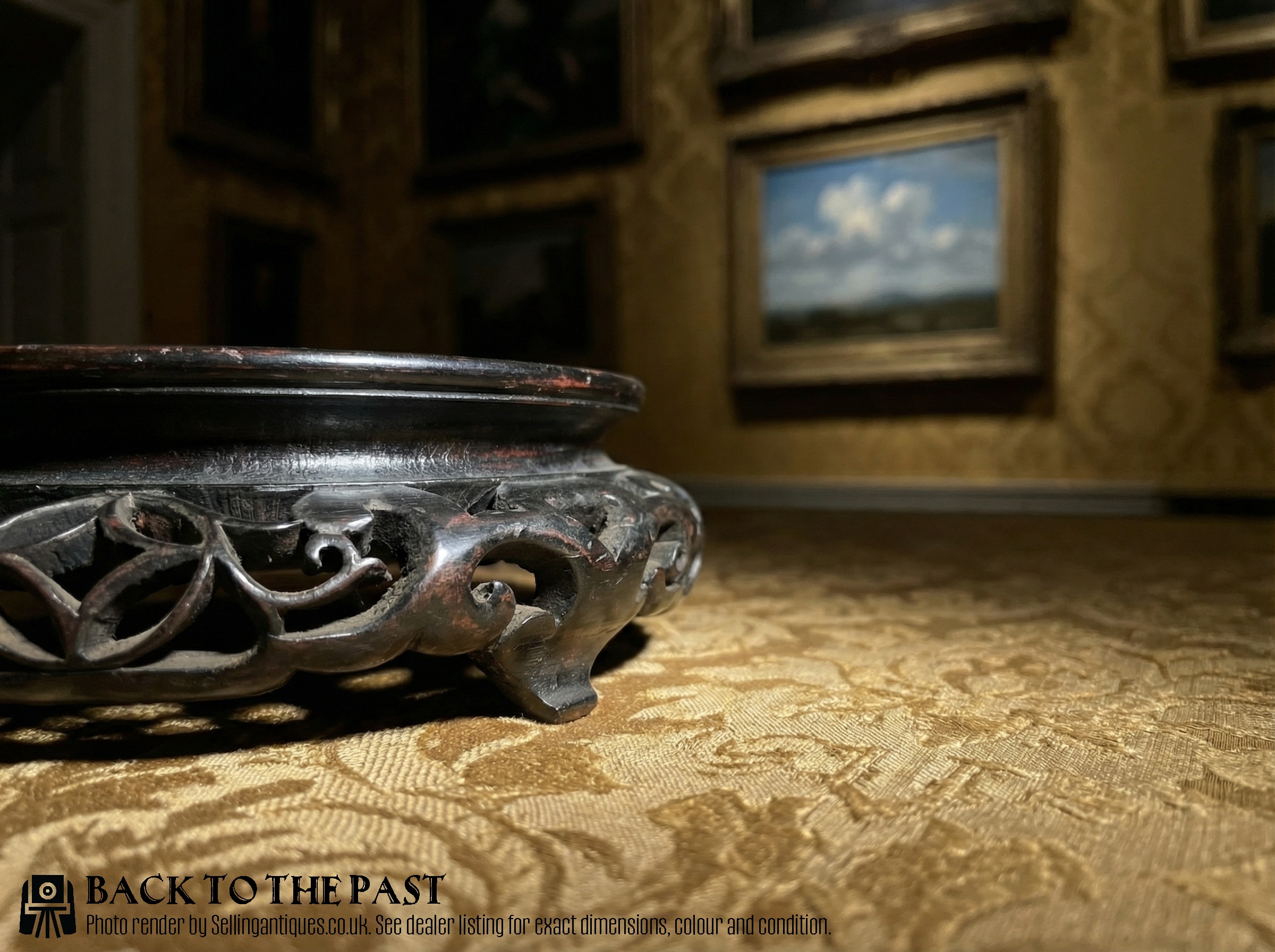
Chinese Hardwood Vase Stand
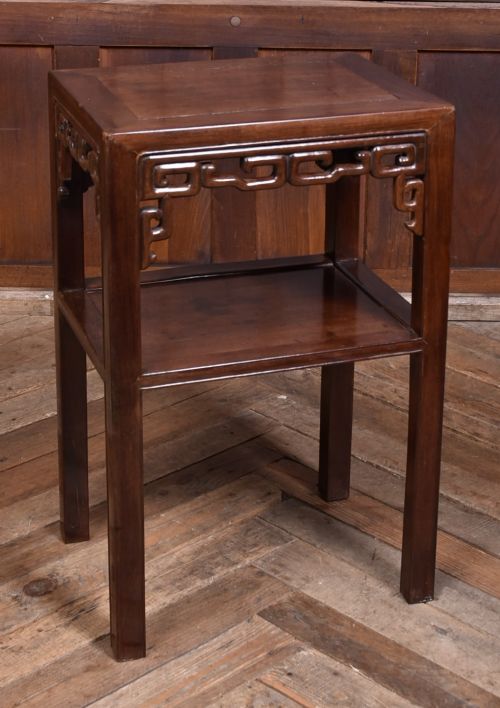
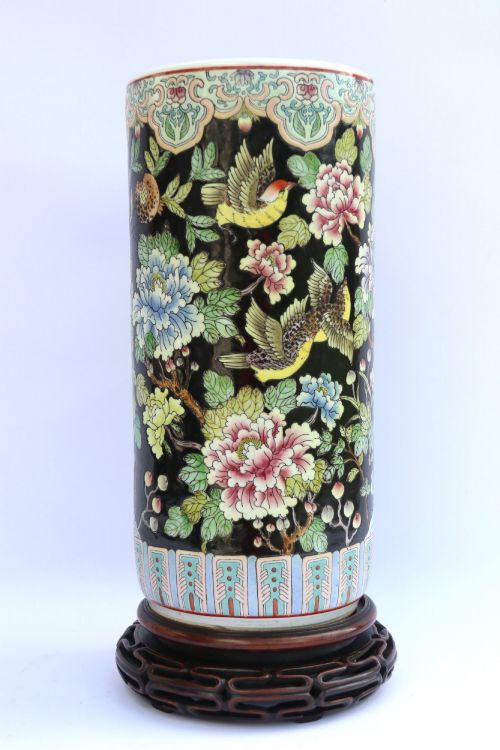
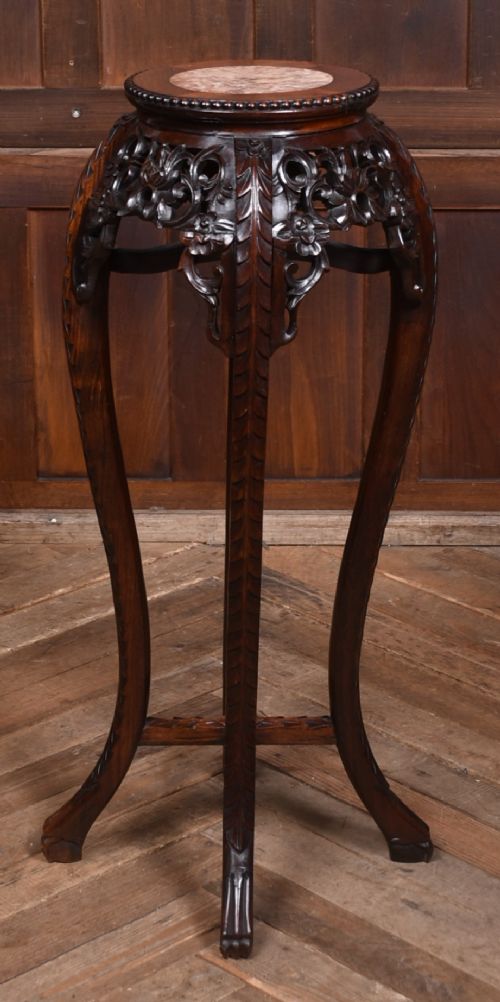
A chinese hardwood vase stand serves as a sturdy platform for decorative vessels, jardiniere bowls, and lamps within domestic spaces. These items appear primarily across the nineteenth century and the early twentieth century, carrying stylistic traits from the Qing dynasty and Chinese export traditions. Buyers encounter low tables, hexagonal lamp tables, and tall plant pedestals designed to elevate heavy ceramic pieces.
The inventory demonstrates a strong representation of nineteenth-century items alongside Victorian and Edwardian examples. Forms range from small proportions suitable for tabletops to large scale stands meant for corner placement. Many pieces function interchangeably as jardiniere stands, urn stands, and occasional tables.
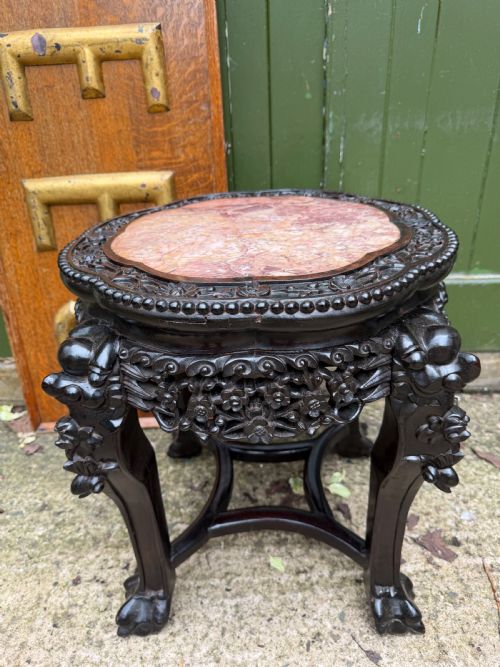
Makers and workshops constructed these objects using dense timbers like hongmu, huali, and general rosewood. Several examples incorporate inset marble panels, creating a cool, flat surface that resists moisture from potted plants. Export production catered to Western interiors while retaining traditional Chinese carving motifs.
Materials and Technique
Craftsmen utilised heavy tropical hardwoods such as hongmu and huali, selecting timber for its density and deep natural grain. These dense woods allowed artisans to carve intricate floral and geometric details without risking structural failure under heavy loads. Joinery techniques relied on traditional framing methods that accommodated the natural expansion and contraction of timber.
Many examples integrate inset panels of variegated rouge marble or smooth ceramic tile into the wooden top. This combination protected the primary timber frame from water damage caused by live plants and heavy porcelain vases. Workshops finished the surfaces with traditional lacquering and polishing methods that highlighted the figure of the hardwood.
Several stands double happily as miniature architectural stages for particularly dramatic houseplants.
Distinctions in Standard
The depth and crispness of the wood carving distinguish finer examples from standard production pieces. Superior stands exhibit sharply defined motifs and smooth undercutting, whereas lesser items show blunt edges and simplified surface decoration. The weight and selection of the timber also indicate grade, with dense hongmu and huali commanding greater regard than generic ebonised wood or soft timber.
The quality of the inset marble top affects overall merit, particularly the richness of the stone veining and how closely it fits the wooden rebate. Original components, such as matching pairs and undisturbed surface finishes, elevate the standing of a piece. Structural rigidity without excessive past repairs marks the difference between a high grade antique and a routine utility item.
The Chinese Hardwood Vase Stand Glossary
- Hongmu
- A traditional Chinese term for dense, heavy hardwoods, often translated as red wood. It encompasses several species prized for furniture and vase stands.
- Huali
- A fragrant hardwood variety utilised in fine Chinese cabinet making. It displays a distinctive grain pattern that takes a high polish.
- Jardiniere stand
- A tall or low table specifically built to support a heavy ceramic plant pot or flower bowl. These items often feature water resistant marble or tile tops.
- Qing dynasty
- The final imperial dynasty of China, spanning from sixteen forty-four to nineteen twelve. Pieces from the late nineteenth century frequently carry this stylistic designation.
Chinese Hardwood Vase Stand: Frequently Asked Questions
What were chinese hardwood vase stands used for?
These stands were placed in principal rooms to elevate decorative porcelain vases, bronze vessels, and large potted plants. Raising the vessel protected delicate floors and brought the artwork closer to eye level.
In Western homes, Victorians repurposed these same low tables and pedestals as lamp stands or occasional side tables. Their robust construction allowed them to support heavy weights securely.
How do I care for a marble top stand?
Marble surfaces require simple dusting with a soft cloth and occasional wiping with a damp sponge. Avoid harsh chemical cleaners that can etch the polished stone face.
The wooden frame benefits from sparing applications of quality furniture wax to nourish the grain. Keep the stand away from direct heat sources to prevent the timber from splitting.
How can I tell nineteenth century pieces apart?
Nineteenth century examples typically display heavier timber weight, deeper hand carving, and traditional joinery without modern metal fasteners. The patination on the wood develops a deep, mellow sheen through decades of handling.
Later twentieth century pieces often show standardised machine cutting and lighter structural framing. Examining the underside and the fit of the inset marble helps confirm the period of manufacture.
Are these stands suitable for modern rooms?
The compact proportions and neutral tones of these wooden stands allow them to integrate easily into contemporary interiors. They function effectively as bedside tables, plant pedestals, or sculpture plinths.
Their sturdy build ensures they remain practical for daily use while adding architectural interest to empty corners. Mixing antique timber with modern decor creates a layered, collected aesthetic.