
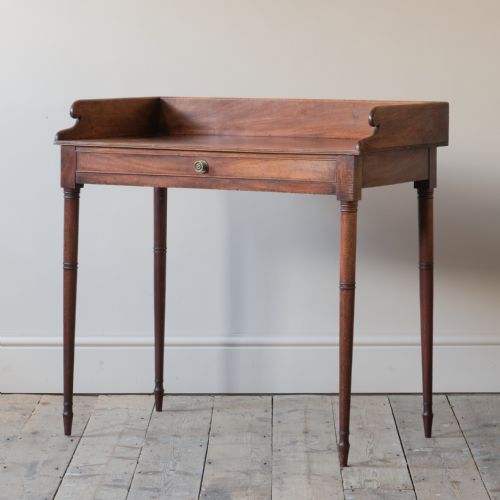
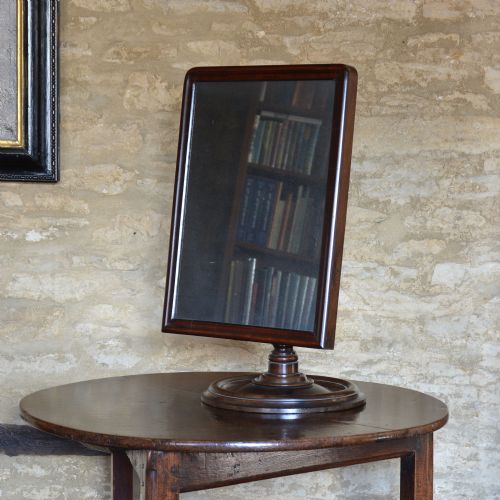
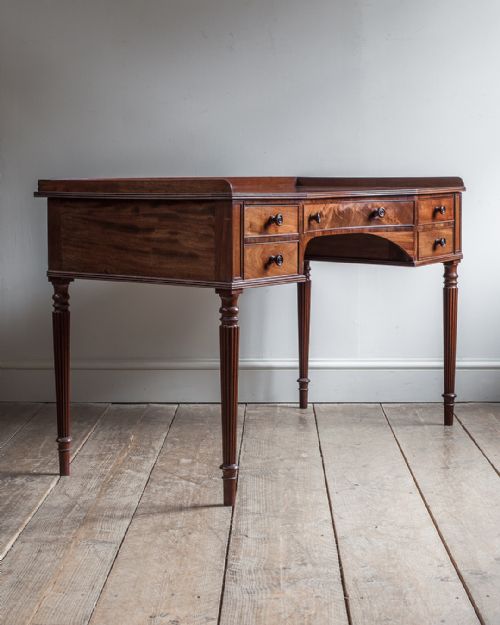
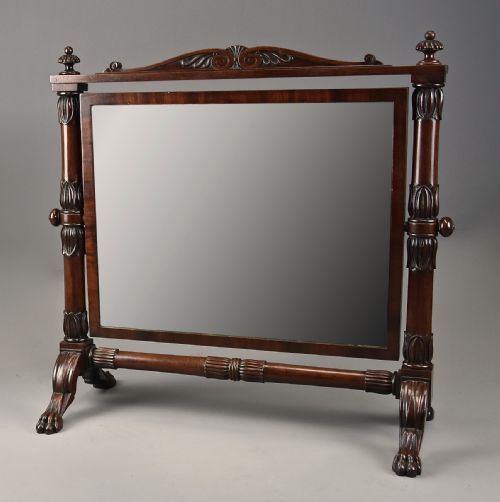
Dark Wood Vanity Table
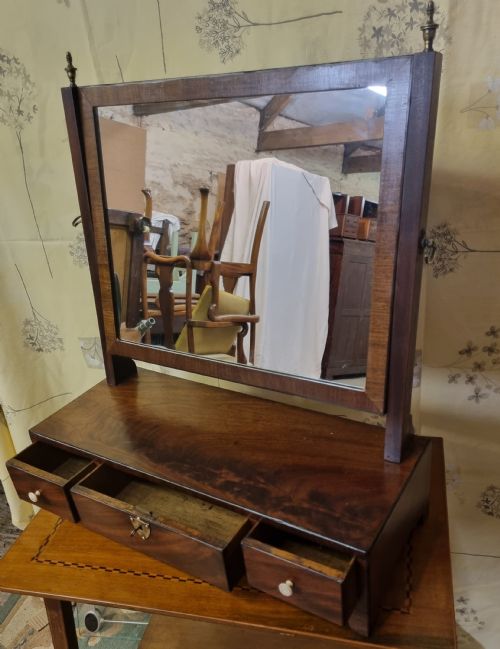
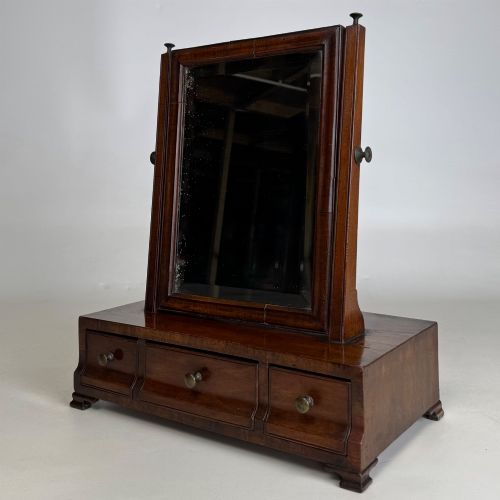
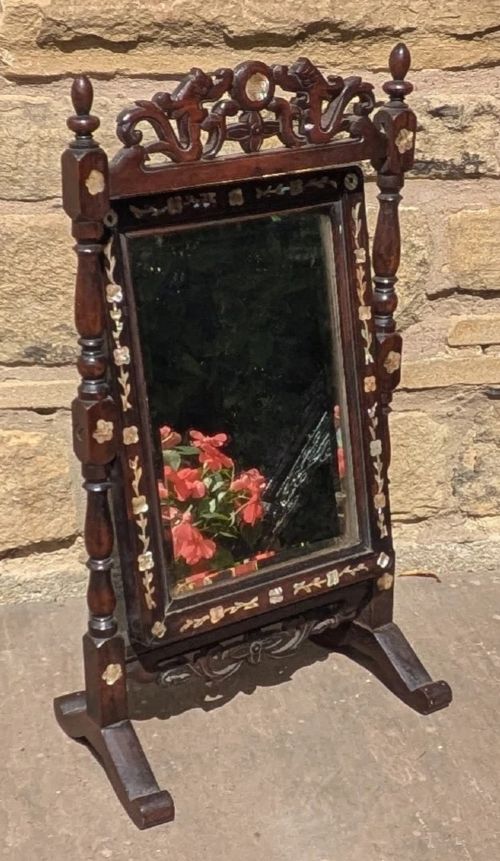
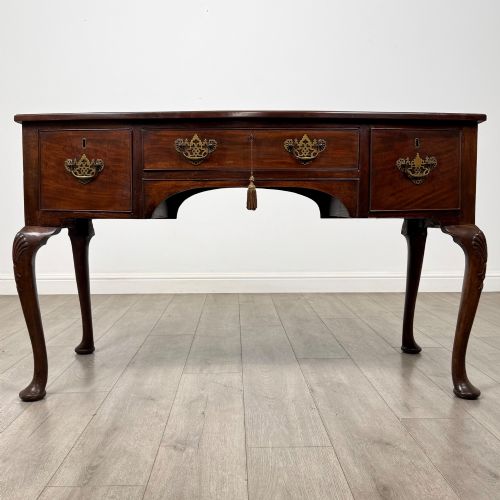
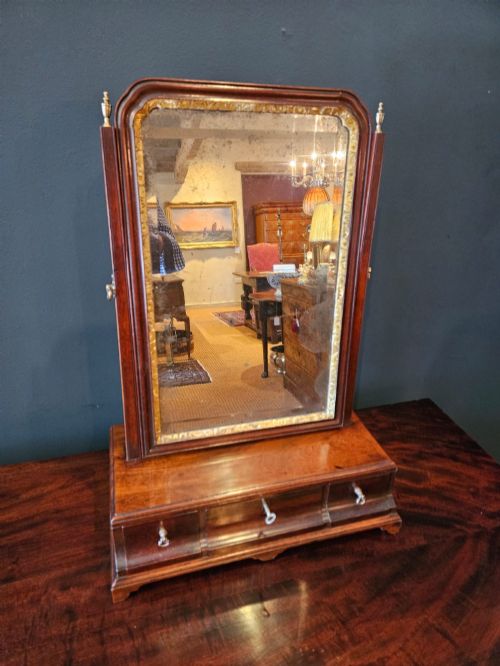
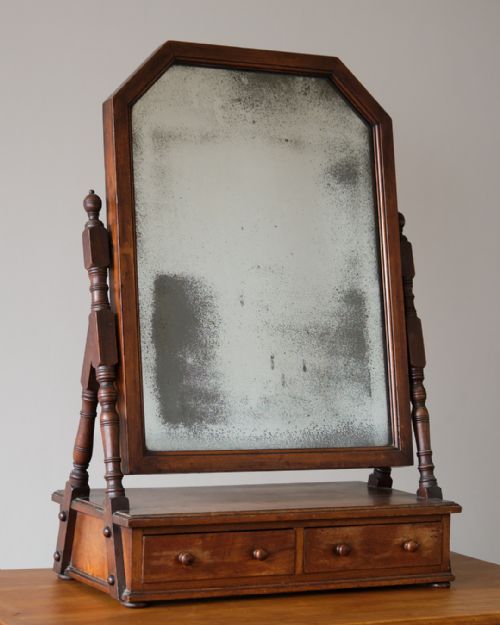
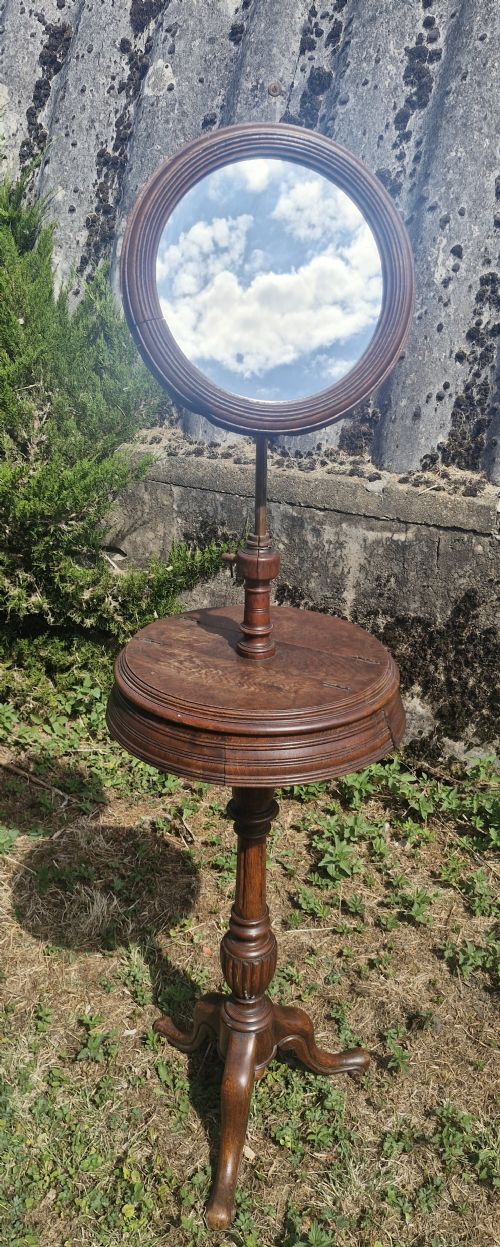
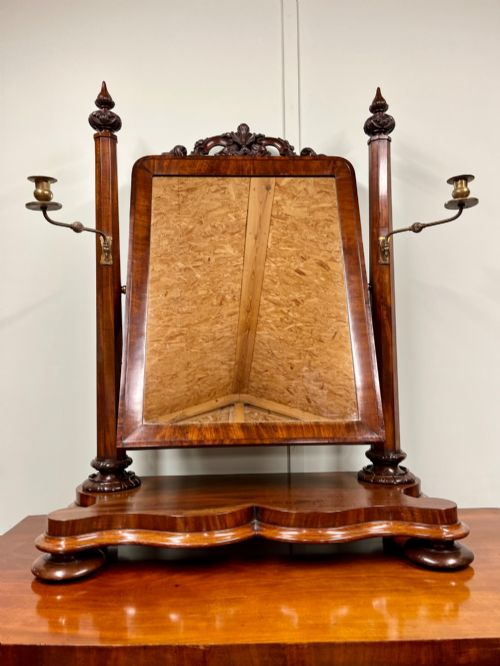
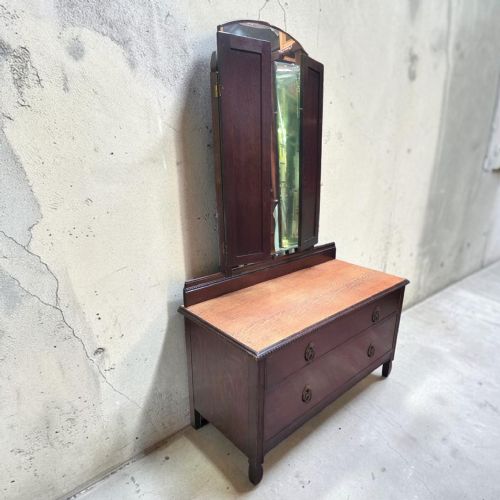
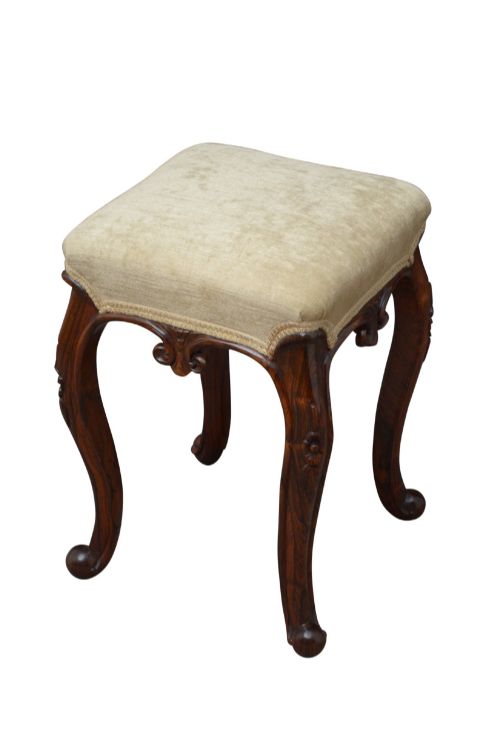
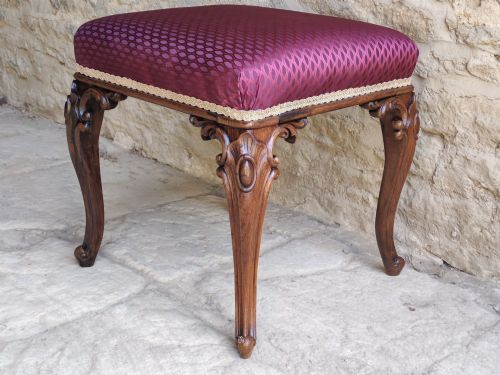
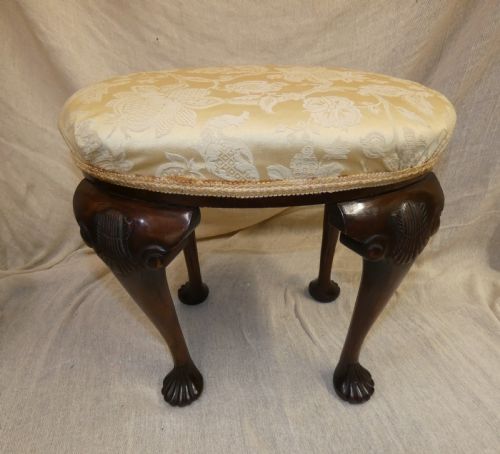
These dark wood vanity table examples offer practical dressing furniture shaped from mahogany and oak with glass mirrors.
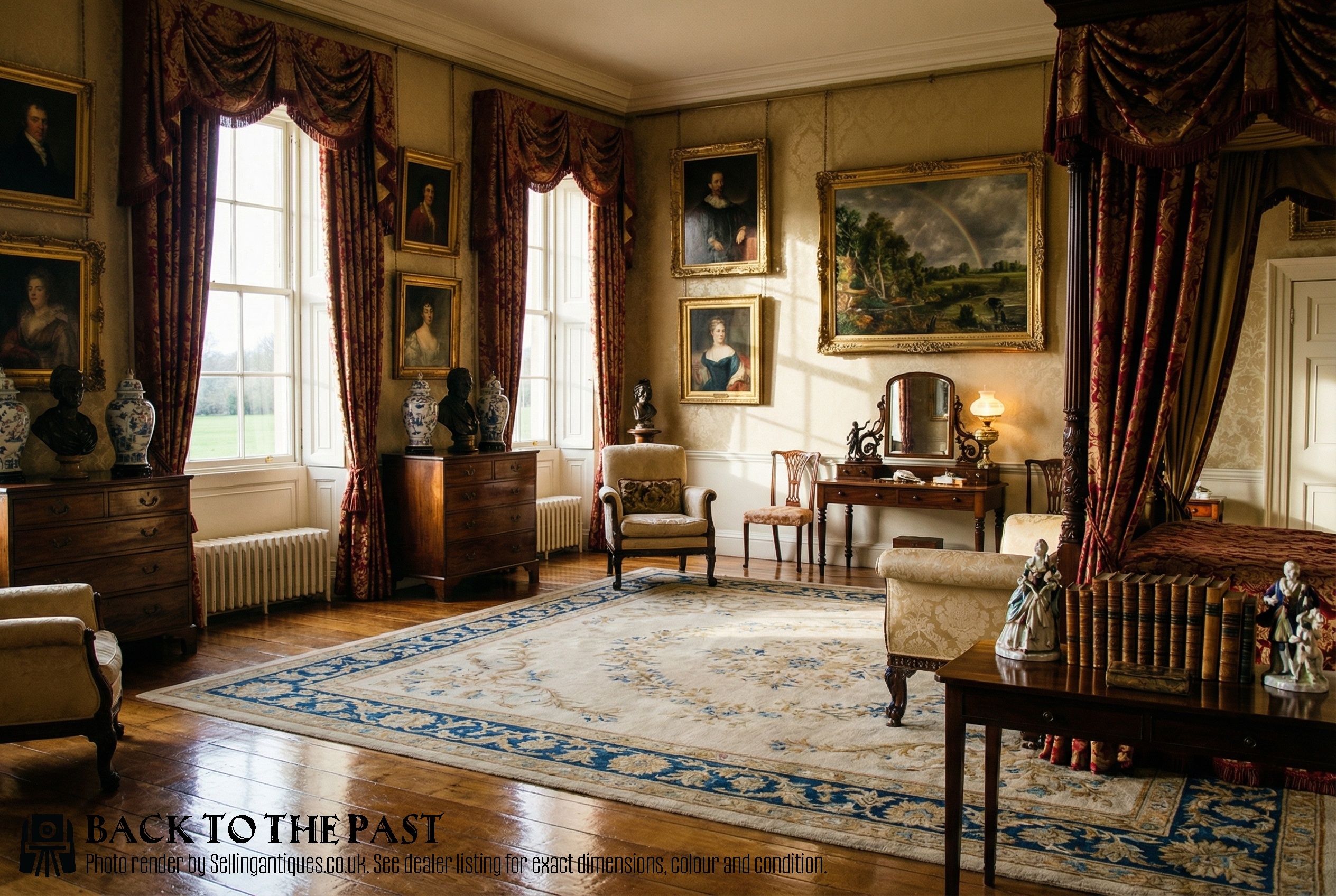
Identifying a dark wood vanity table
A dark wood vanity table provides a surface for personal grooming and dressing within a bedroom or dressing room. The listings concentrate heavily on Victorian pieces alongside examples from nineteen twenty and eighteen ninety.
Most items incorporate a fitted mirror, ranging from adjustable glass panels on dressing chests to grand carved mirror frames above multiple drawers. Occasional tables and combined sewing work tables also appear among the forms.
The primary woods recorded are mahogany and oak, frequently paired with glass, mirror glass, brass, and gilt bronze highlights. Styles span Victorian production, Jacobean revival, and French empire influences.
Construction and materials
Construction relies upon dense timbers like mahogany and oak, which provide structural stability for large tables and multi-drawer carcases. Cabinetmakers shaped these woods to form four-drawer configurations, work tables, and dressing chests.
Mirrors form an integral part of the construction, utilising glass and mirror glass secured within wooden frames. Metal elements such as brass and gilt bronze appear in hardware and decorative mounts, particularly on French empire pieces.
Retail Price Guide 2026
Typical UK retail prices for dark wood vanity table, calculated from the Sellingantiques database of over a million retail prices indexed since 2003. This retail price guide relies exclusively on Sellingantiques data; no external sources or auction records are used, so the figures do not describe the wider market.
Some tables double as sewing work spaces, proving our ancestors multitasked long before the invention of the desk.
Judging quality in dark wood dressing furniture
Quality reveals itself through the depth of timber selection and the integration of the mirror superstructure. Superior examples exhibit refined carving, substantial mahogany construction, and harmonious proportions between table and mirror.
Finer pieces show careful attention to hardware and secondary materials like brass and gilt bronze. The transition from standard utilitarian dressing chests to grander designs marks the upper tier of the range.
The Dark Wood Vanity Table Glossary
- Dressing table
- A low table fitted with drawers and a mirror, used while sitting or standing to apply makeup or arrange hair. This serves as the primary functional form found in the inventory.
- Dressing chest
- A chest of drawers topped with a mirror assembly, combining clothes storage with grooming space. The nineteen twenty examples utilise this robust form.
- French empire
- A neoclassical design style originating in France during the early nineteenth century, characterised by rich mahogany and classical brass or gilt bronze mounts. It represents one of the distinct stylistic influences present.
- Jacobean revival
- A nineteenth and early twentieth century style emulating seventeenth century English furniture, often executed in dark oak. It appears in the nineteen twenty listings on this page.
- Gilt bronze
- Metal mounts covered in a thin layer of gold, used for decorative hardware and accents. This material enhances the ornamentation of nineteenth century pieces.
Frequently Asked Questions
What is a dark wood vanity table?
A dark wood vanity table is a piece of antique bedroom furniture designed for personal grooming, typically featuring a wooden table base, storage drawers, and an attached mirror.
These pieces utilise timbers such as mahogany and oak, reflecting nineteenth and early twentieth century domestic interiors.
How do I date a dressing table?
Dating relies on identifying stylistic markers, timber choices, and construction methods. Victorian pieces often display rich mahogany and carved details, while nineteen twenty examples lean toward oak and revival styles.
The presence of specific hardware like brass handles also helps narrow down the period of manufacture.
Where were these tables used?
These tables were standard furnishings in bedrooms, dressing rooms, and boudoirs of Victorian and later homes. They provided a dedicated station for morning routines and personal care.
The inclusion of sewing work tables suggests they also functioned as multi-purpose craft surfaces.
How do I care for antique mahogany?
Antique mahogany requires gentle dusting with a soft, dry cloth to protect the polished surface. Avoid placing wooden furniture near direct heat sources or strong sunlight to prevent warping and fading.
Maintaining a stable room climate preserves both the timber and the original glass mirrors.