



Dark Wood Turned Chairs
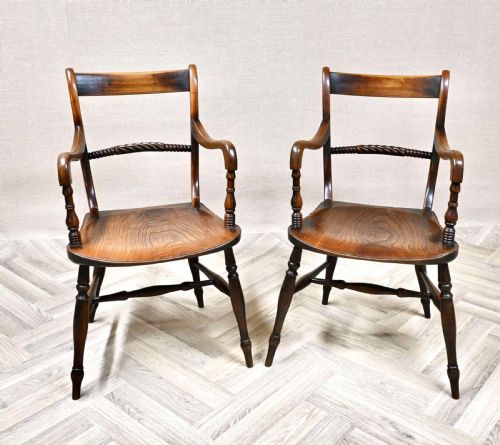
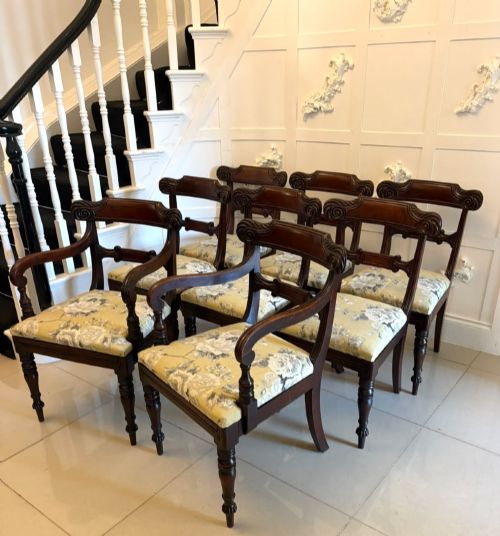
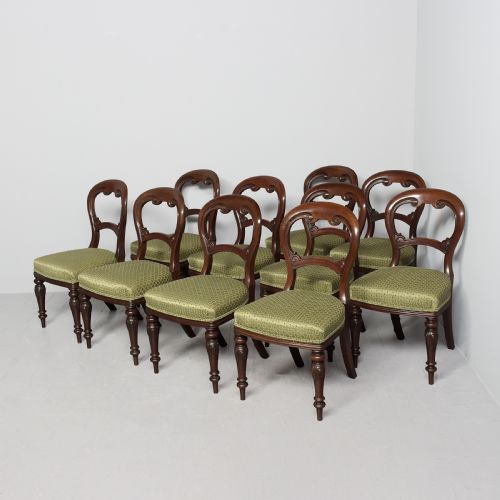
Dark wood turned chairs bring tangible historic character into a room, spanning rustic Windsor forms to formal dining sets crafted in elm, beech, and mahogany.
Dark Wood Turned Chairs
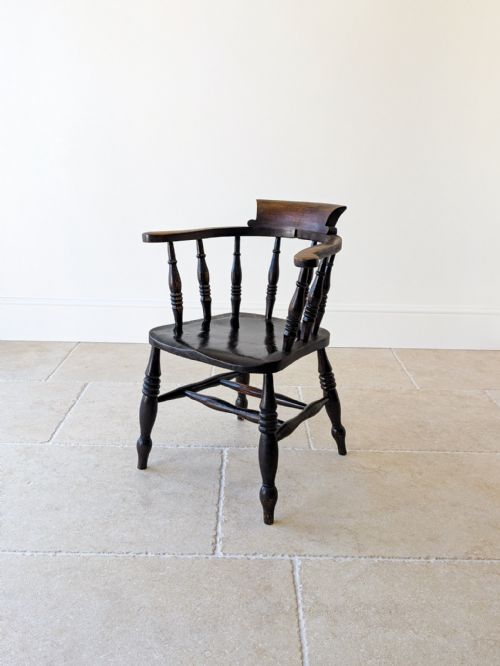
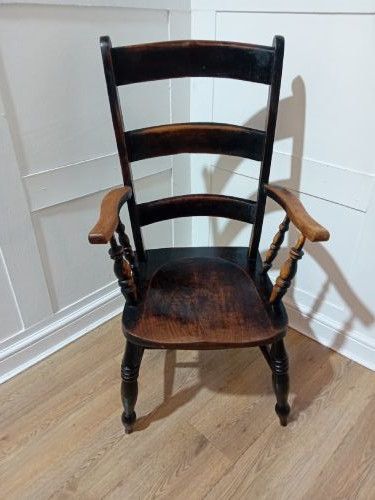
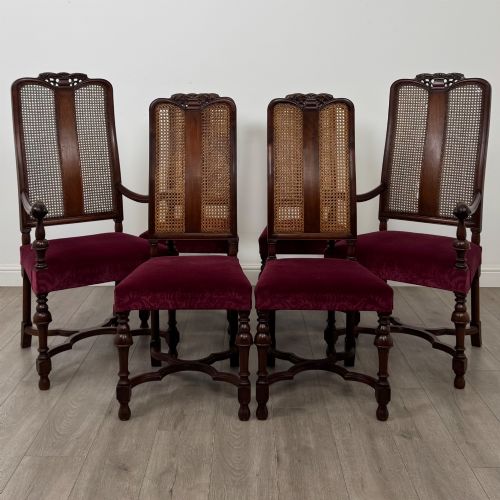
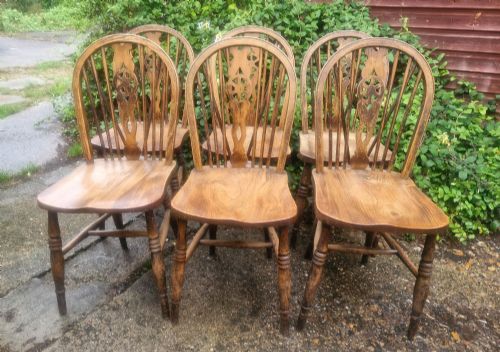
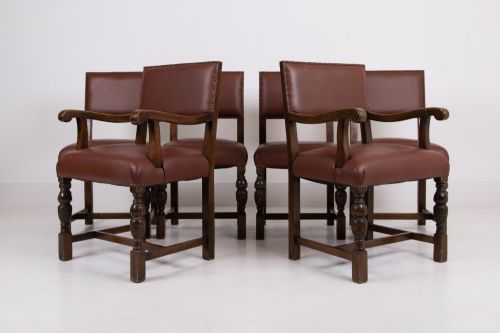
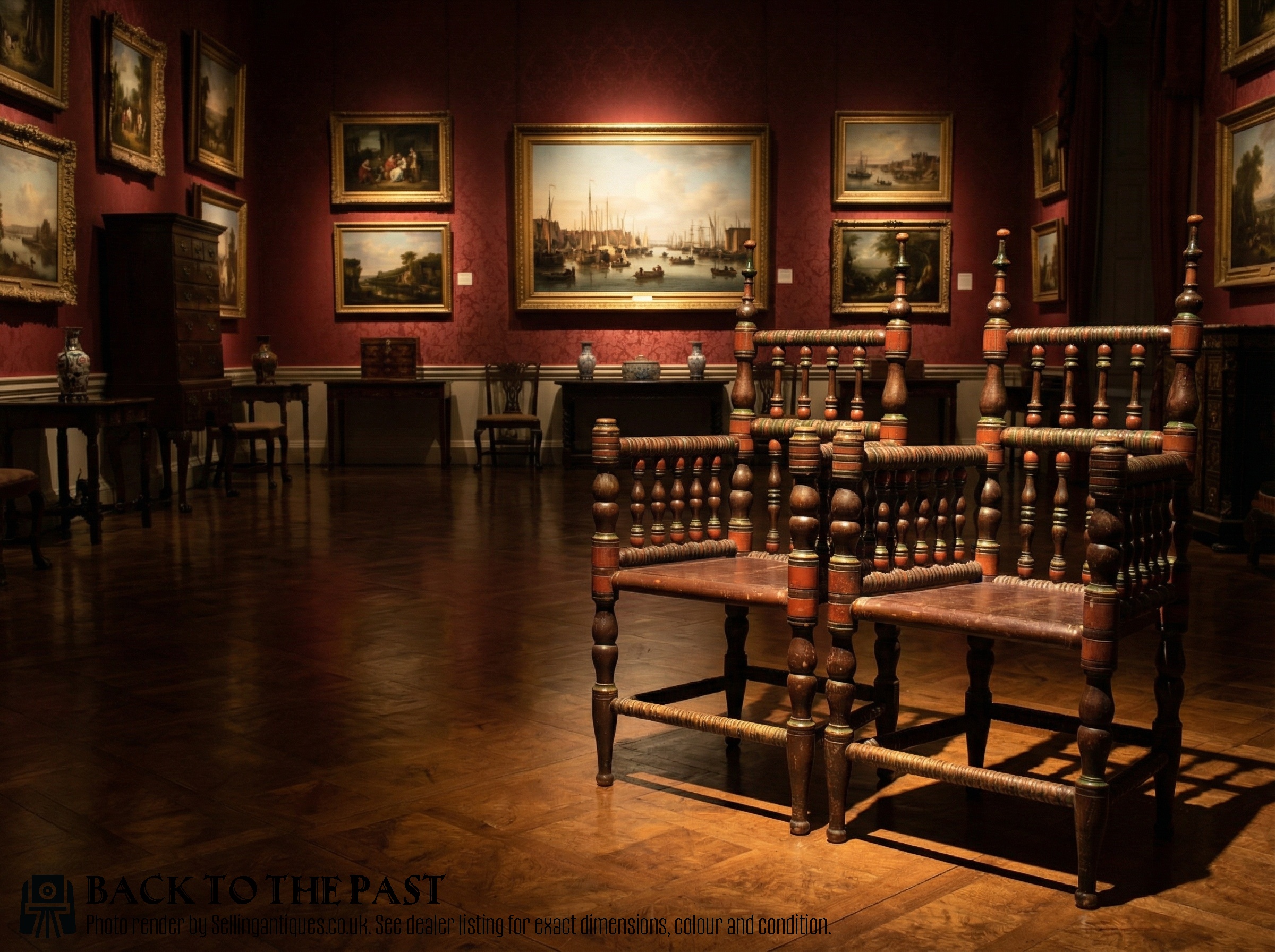
Dark wood turned chairs encompass a wide range of seating forms from the eighteenth to the twentieth century, combining structural timber frames with spindle-turned components. Buyers hunting for these pieces encounter utilitarian farmhouse armchairs, Captain's desks chairs, and matching sets of dining seats.
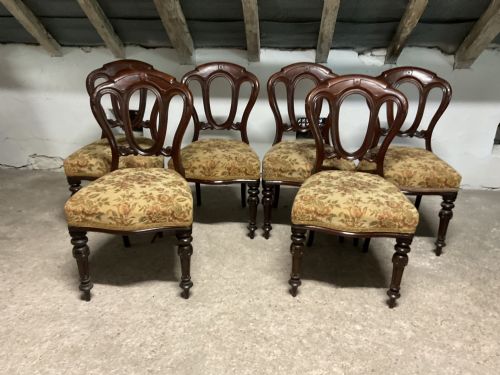
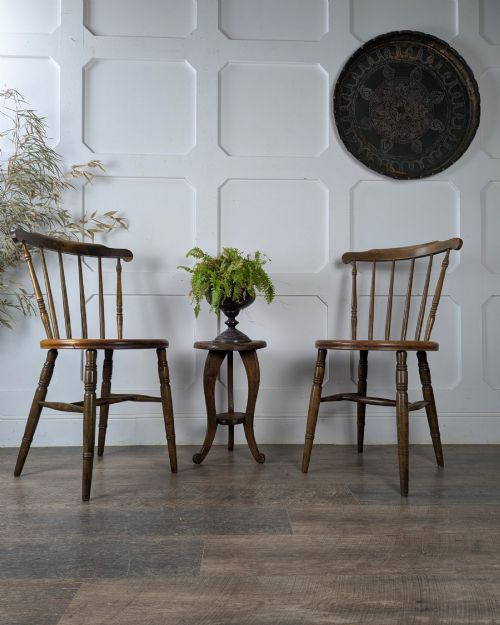
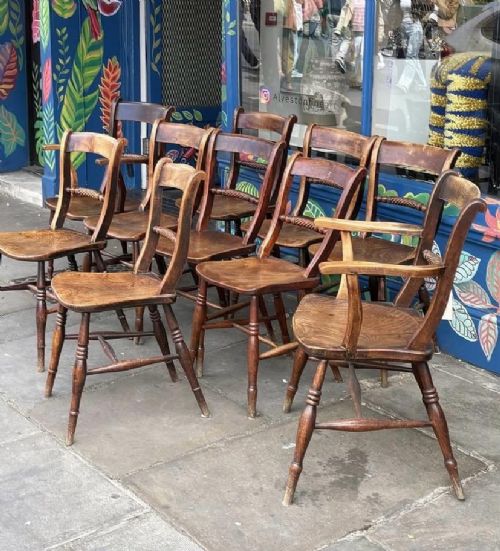
The selection ranges from vernacular country pieces built in regional English workshops to formal Victorian and Edwardian dining suites. Windsor varieties, rocking chairs, and corner configurations frequently appear alongside high-backed side chairs.
Common regional styles span English country vernacular, Arts and Crafts, and Victorian iterations. Timbers include native hardwoods such as elm, ash, and beech, alongside imported mahogany.
Construction and Materials
Joiners and chairmakers utilised native timbers like elm, ash, beech, and oak for their structural integrity and grain patterns. Mahogany and laburnum appear in more formal or decorative examples.
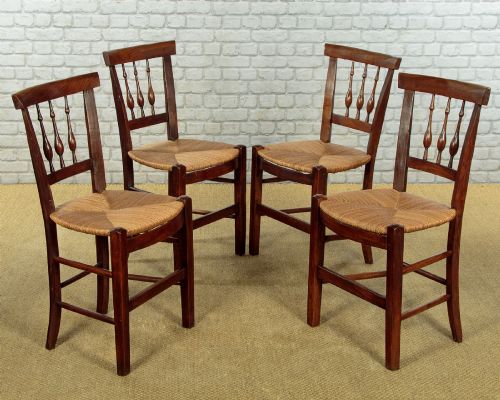
Turning lathes shaped spindles and legs, while steam-bending created curved backs for Windsor and wheel-back chairs. Seats often incorporated carved solid elm saddles or woven rush inserts.
Listings feature 19th Century, Victorian, Edwardian, and 18th Century periods alongside materials such as elm, ash, beech, and mahogany.
Judging Quality
The distinction between ordinary and superior examples rests on the crispness of the turning work and the harmonious integration of multiple timbers. Vernacular pieces derive strength from honest construction, while formal dining chairs rely on precise joinery and matching grain selection.
Original surface finishes and patination elevate a piece significantly above examples that have undergone aggressive stripping or modern refinishing. The integrity of structural joints and the retention of original rush seats or timber components dictate the longevity and standing of each chair.
Codina·Mellier and Co·Howard and Sons
The Dark Wood Turned Chairs Glossary
- Windsor chair
- A wooden chair constructed with a solid sculpted seat into which the legs and back spindles are directly joined. These vernacular seats often feature steam-bent bows and central wheel or bar splats.
- Bobbin framing
- A style of furniture turning characterised by a series of rounded, spool-like shapes carved along the length of the wood. This decorative technique appears frequently on nineteenth-century country and bedroom seating.
- Captain's chair
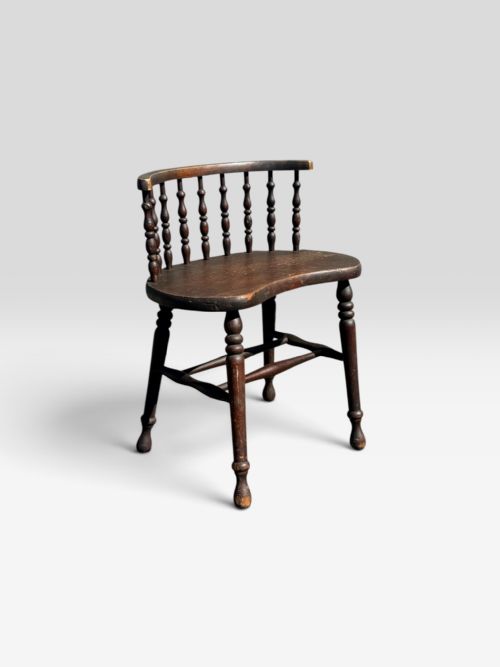
- A low-backed wooden armchair designed for office or shipboard use, featuring a continuous curved armrail supported by numerous small spindles. Elm and ash are typical timbers for this sturdy form.
- Rush seat
- A seating platform woven from dried marsh reeds or flags, creating a textured surface stretched across a timber frame. This traditional method appears on various dining and side chairs.
- Carver
- A term for an armchair that matches a set of smaller side chairs intended for dining use. These pieces usually occupy the ends of a dining table.
Dark Wood Turned Chairs: Frequently Asked Questions
What is a Windsor chair?
A Windsor chair is a traditional seating form built around a thick wooden saddle seat into which the legs and back spindles are tenoned directly. They rely on steam-bent elements to form the upper back and armrests.
These chairs gained popularity in rural farmhouses and vernacular settings for their durability and comfortable ergonomic design.
How do I identify a Captain's chair?
A Captain's chair is characterised by a low, continuous curved backrail that wraps around to form armrests, supported by a ring of short turned spindles. They frequently utilise robust timbers like elm and ash.
Originally built for offices, studies, and ship cabins, they offer a sturdy, compact seating option.
What is bobbin framing?
Bobbin framing describes structural chair legs and stretchers turned on a lathe to resemble a series of wooden spools or bobbins placed end to end. This decorative turning method creates a distinct textured profile.
It appears on nineteenth-century corner chairs, rocking chairs, and bedroom seating.
How should I care for rush seats?
Rush seats require a stable indoor environment away from excessive moisture and direct sunlight to prevent the dried reeds from becoming brittle. Regular dusting with a soft brush keeps the woven fibres intact.
Avoid heavy liquid cleaners, using only a slightly damp cloth for spot cleaning if necessary.
How do I spot an Arts and Crafts chair?
Arts and Crafts chairs emphasise honest construction, visible joinery, and the natural grain of woods like beech or oak. They typically eschew excessive ornamentation in favour of clean, functional lines.
High backs and straightforward slat or spindle arrangements are common hallmarks of this movement.