


Swedish Folk Art Chair
A swedish folk art chair brings robust Scandinavian character into a room through honest rural construction and practical seating forms.
Swedish Folk Art Chair
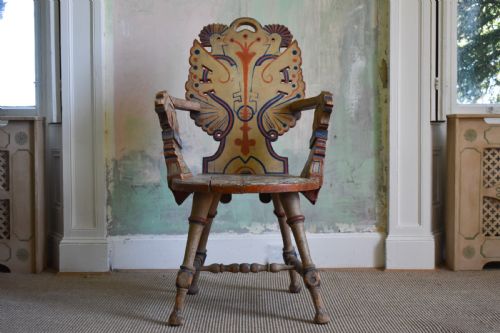
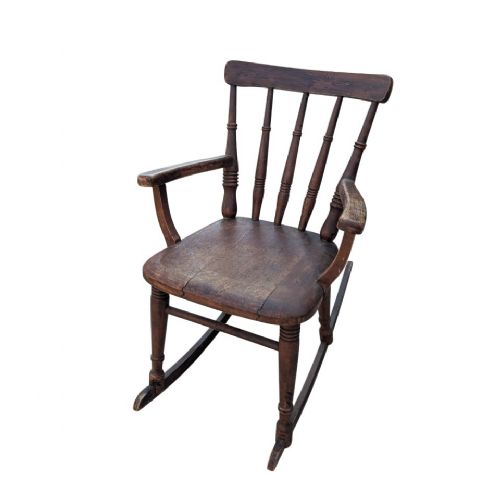
When you search for a swedish folk art chair, you encounter sturdy timber seating rooted in Scandinavian country traditions. The selection on this page centres on nineteenth century examples encompassing armchairs, rocking chairs, side chairs, highchairs, and accent chairs.
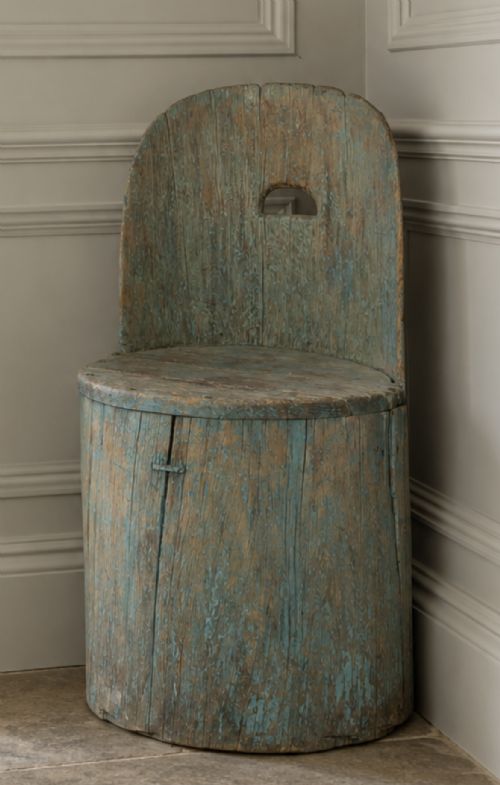
Forms vary from rustic dug out seats to bobbin country throne armchairs and turned chairs. These pieces reflect the utilitarian needs of historical Scandinavian homesteads, rendered in straightforward wooden structures.
Assessing Quality
Quality rests upon the integrity of the original timber and the retention of early paint surfaces. Pieces showing minimal structural alteration hold greater appeal than those with extensive replacement parts.
Proportion and the character of the hand-turned elements or carved dug out bowls distinguish the more accomplished regional seating from basic utilitarian examples.
Some chairs were made small enough for children yet built like fortress timbers to survive farm life.
The Swedish Folk Art Chair Glossary
- Dug out chair
- A seat carved directly from a single solid log or thick trunk section. This heavy form represents an ancient method of rural woodworking.
- Bobbin chair
- Seating characterised by turned wooden members resembling reels or bobbins strung together. This decorative turning style appears frequently on nineteenth century frames.
- Scandinavian folk art
- Cultural decorative objects and furnishings made by rural artisans working outside academic traditions. The style emphasises practical utility combined with regional ornamentation.
- Original paint
- The initial decorative or protective coating applied to the wood surface during its period of origin. Surviving early paint finishes significantly define the character of folk furniture.
Swedish Folk Art Chair: Frequently Asked Questions
What is a dug out chair?
A dug out chair is formed by hollowing out a single heavy log to create an integrated seat and backrest. This technique produces an exceptionally solid and heavy rustic form.
Such chairs were built for durability in rural farmhouses and required minimal complex joinery.
How old are these chairs?
The pieces listed date from the nineteenth century, with specific examples referencing eighteen hundred and eighteen eighty. Victorian eras and rural Scandinavian periods overlap in these inventories.
Construction details and wood types help place them within this broader nineteenth century window.
Are these chairs comfortable?
Rural folk seating prioritised sturdy utility over modern ergonomic cushioning. Dug out seats and wooden planks offer a firm sit that benefits from a loose cushion.
Rocking chairs and armchairs provide relaxed seating angles suited to living spaces.
How do I care for original paint?
Original painted surfaces require protection from direct sunlight and excessive humidity. Dust gently with a dry cloth without applying modern chemical polishes.
Preserving the early finish maintains the historical integrity of the piece.