


Scandinavian Country Chair
A scandinavian country chair brings honest northern utility and painted charm into a room, offering practical seating built by regional hands.
Scandinavian Country Chair
When you search for a scandinavian country chair, you encounter robust seating shaped by northern traditions during the nineteenth century and early decades of the twentieth century. These pieces encompass various forms including armchairs, rocking chairs, dining chairs, highchairs, and accent chairs.
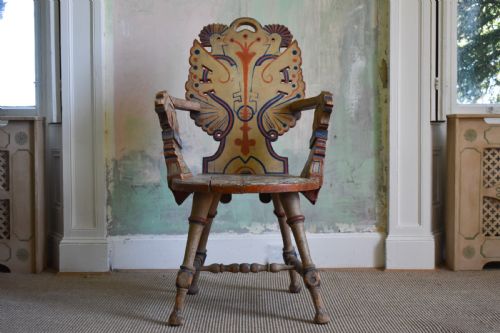
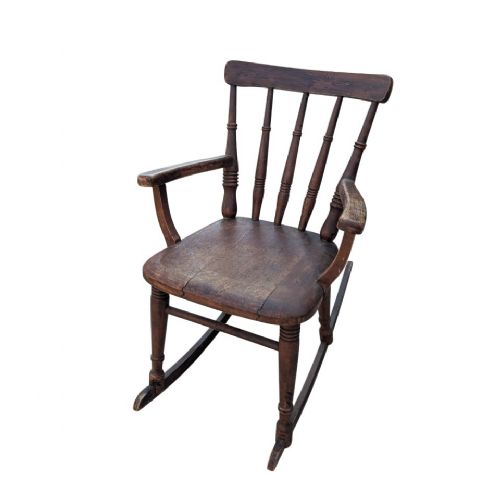
The versions you are most likely to meet on this page span styles such as Scandinavian Country, Gustavian, Scandinavian Folk Art, and Swedish Country Folk Art. Examples range from simple dug out forms to sets of painted dining chairs and bobbin-turned throne armchairs.
Originating largely from Swedish traditions, these chairs reflect domestic life and regional craftsmanship across periods like the Victorian era and specific dates around eighteen eighty, nineteen hundred, and nineteen twenty.
How they were made
Construction relies heavily on native woods such as pine and birch, frequently shaped into solid dug out forms or joined chair frames. Selected pieces incorporate iron components for structural reinforcement or functional movement.
Surfaces are frequently finished with original paint or wood stain, displaying the layered pigment and weathered patination typical of regional folk art traditions. Upholstered variants integrate fabric seating supported by the wooden framework.
Several chairs arrive with generations of northern paint still clinging stubbornly to the pine.
What varies in quality
Quality rests upon the integrity of the original construction and the preservation of early surface treatments such as original paint. Pieces retaining their unpolished regional character and unaltered timber demonstrate superior domestic authenticity.
The refinement of turning, the balance of carved elements in folk art examples, and the completeness of matched sets elevate certain chairs above simpler utilitarian seating.
The Scandinavian Country Chair Glossary
- Gustavian
- The Swedish interpretation of neoclassical style, defined by restrained carved detail and pale painted surfaces. This aesthetic developed under royal patronage and remains influential in northern design.
- Dug out chair
- A primitive seating form hewn directly from a single solid log of wood. Such pieces represent early domestic woodworking traditions.
- Bobbin-turned
- A style of furniture leg or spindle shaped with a series of rounded, spool-like turnings. This decorative technique appears on traditional country armchairs.
- Folk art
- Utilitarian objects decorated or modified by self-taught regional makers. These pieces showcase local aesthetic choices rather than formal academic design rules.
Scandinavian Country Chair: Frequently Asked Questions
What defines a scandinavian country chair?
These chairs are regional northern European seats built from native woods like pine and birch during the nineteenth and early twentieth centuries. They combine sturdy utility with local decorative traditions.
Many examples feature original painted surfaces, folk art details, or simple dug out forms reflecting domestic rural life.
How were these chairs used?
They served everyday domestic functions in northern homes, ranging from dining seating to nursing chairs and children's rockers. Their robust construction was designed for daily household labour.
Some forms, such as highchairs and throne armchairs, fulfilled specific family and social roles within the household.
Are painted finishes original?
Many chairs retain their early or original paint layers, which often exhibit natural wear and patination over time. This surface treatment is a defining characteristic of Scandinavian folk art.
Identifying original pigment requires examining how the paint interacts with the underlying pine or birch substrate.
How do I live with these chairs?
These wooden seats integrate easily into modern interiors by adding warmth and historical texture to a room. Their understated forms work well as accent pieces or around a casual dining table.
Care involves maintaining stable indoor humidity to protect the aged wood and delicate painted surfaces.
How are different periods identified?
Dating relies on construction methods, fastener types, and stylistic indicators associated with the Victorian era or specific decades around eighteen hundred to nineteen twenty. Folk art motifs also provide clues to regional origins.
Changes in turning techniques and paint formulations help separate mid-nineteenth century work from later revival pieces.