




Dark Wood Toilet Glass
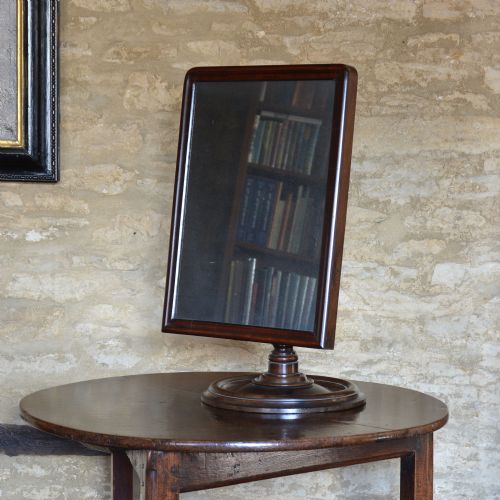
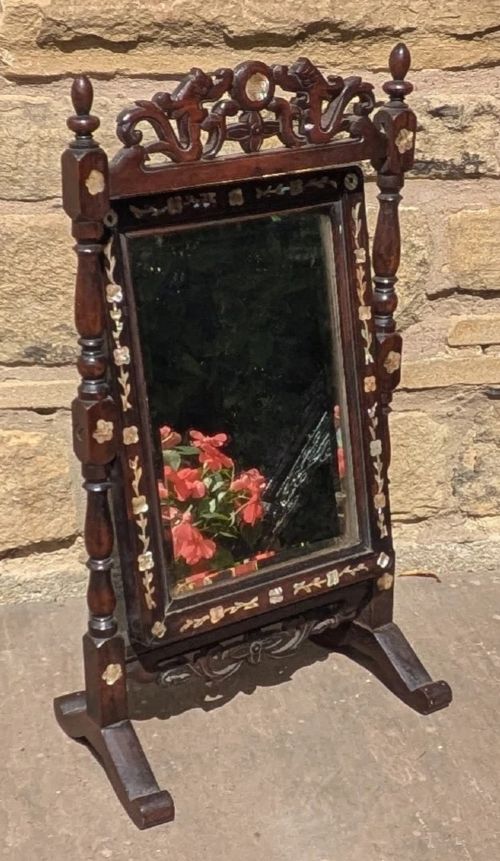
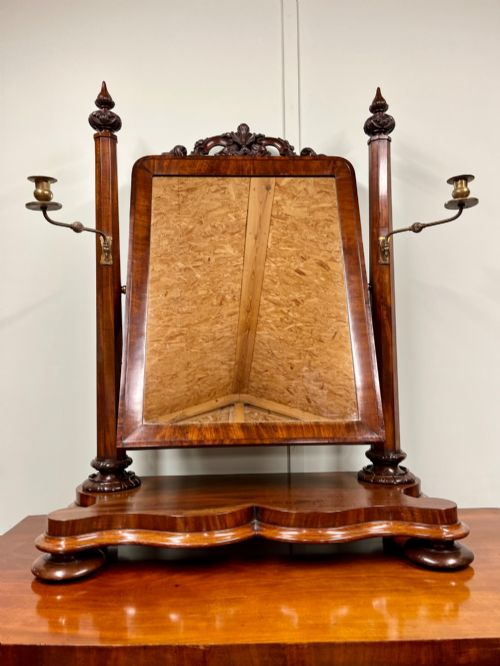
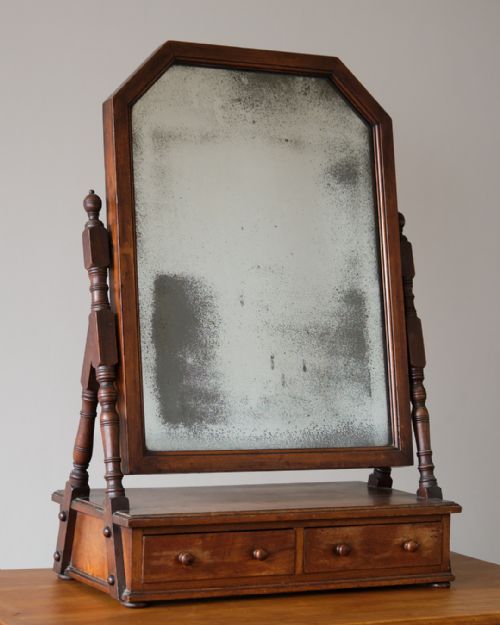
Dark wood toilet glass pieces are pivoting mirrors designed for the dressing table, offering a functional antique that grounds a room with deep timber tones.
Dark Wood Toilet Glass
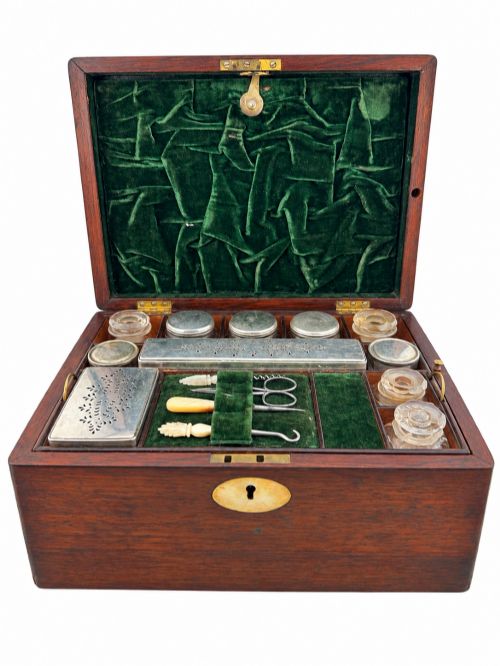
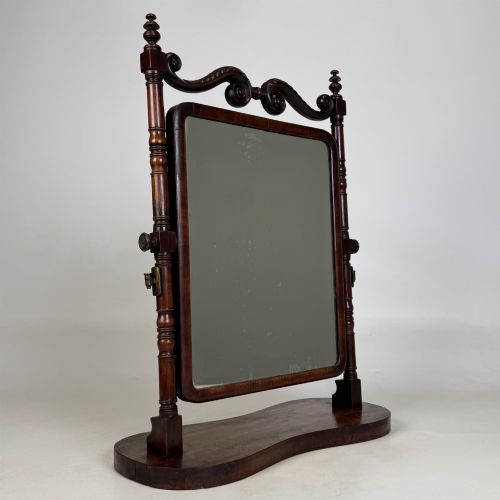
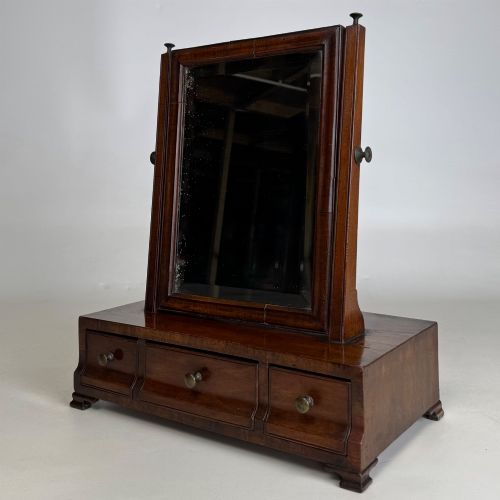
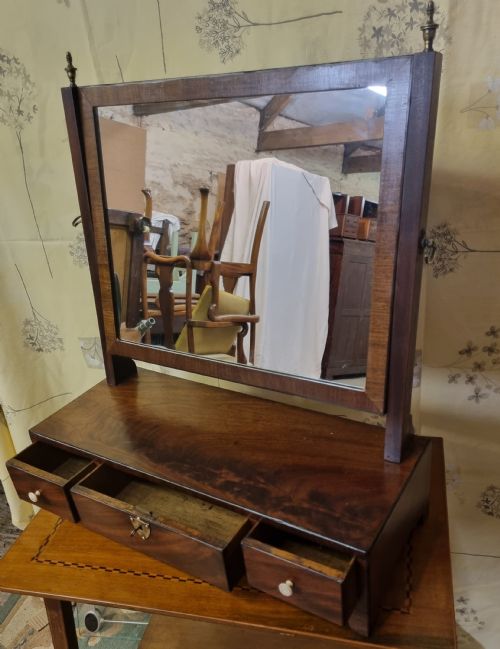
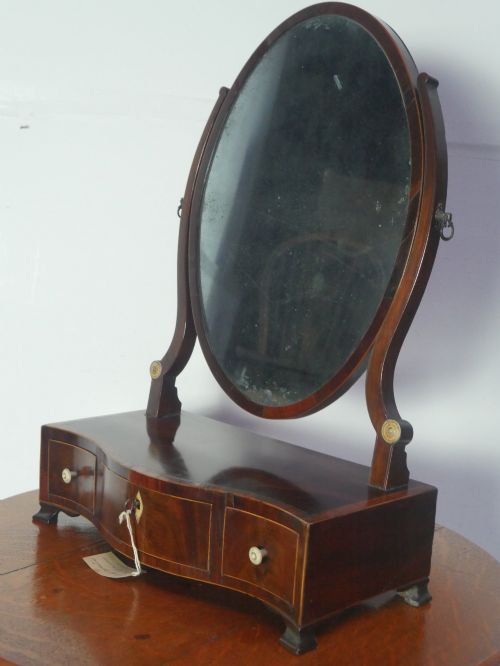
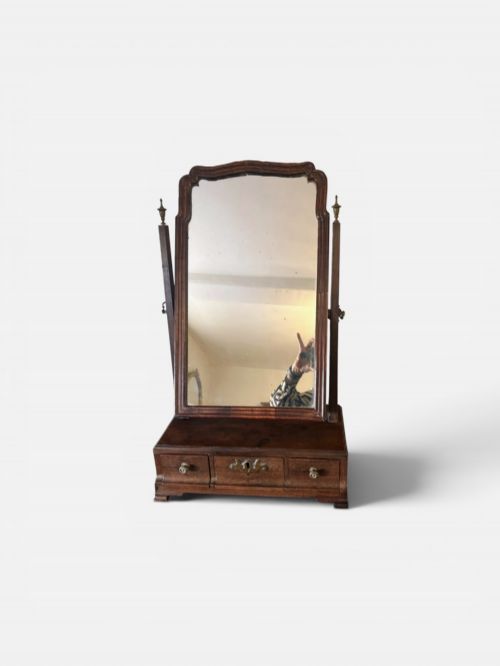
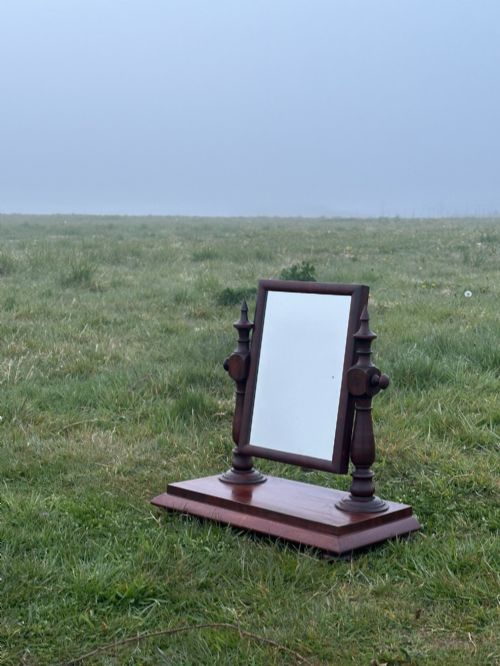
A dark wood toilet glass sits upon a chest or dressing table, providing a swing mirror supported by upright arms and a small base box or stand. These items emerge frequently in mahogany, walnut, and rosewood across Georgian, Regency, and Victorian periods.
The most common formats on this page are mahogany dressing table mirrors and swing mirrors from the eighteenth and nineteenth centuries. Collectors also encounter specialised forms such as skeleton toilet mirrors, box mirrors, and larger cheval mirrors.
Origins span British workshops of the Georgian and Victorian eras alongside occasional continental and international examples like Dutch marquetry pieces or Qing hardwood mirrors. The primary function remains a portable or table-mounted glass for personal grooming.
How they were made
Cabinetmakers constructed the frames and stands using dense hardwoods like mahogany, walnut, and padouk, often selecting figured timber for the primary visible surfaces. Secondary woods provided structural stability inside base drawers and box compartments.
Makers integrated brass hardware such as pivot screws, adjustable arm brackets, and small drawer pulls to allow the glass to tilt smoothly. Inlaid details in boxwood, ebony, bone, and mother of pearl were set into the timber surfaces for decorative contrast.
The reflective component utilised silvered mirror glass held securely within rebated wooden frames, often supported by scroll-cut or turned upright pillars mounted to the base.
Dark Wood Toilet Glass Retail Price Guide 2026
Typical asking prices for dark wood toilet glass among the pieces listed under this phrase on Sellingantiques today, from the lower quarter to the upper quarter. They describe what is for sale here now, not the wider market.
Some travelling versions pack down so compactly that they double as miniature mahogany desks for writing letters on the road.
What varies in quality
The refinement of the timber selection and the complexity of the cabinetwork distinguish standard examples from finer pieces. Superior items display carefully matched wood grain across the drawer fronts and frame borders, paired with precise joinery.
Decorative embellishments alter the character of a piece, ranging from plain mahogany mouldings to elaborate Dutch marquetry, ebony inlay, or bone stringing. Proportions also vary significantly, from compact travelling mirrors to large bow-fronted dressing glasses.
The integrity of the original brass turning pins, support arms, and internal box fittings contributes substantially to the overall standard of preservation and design execution.
Heal & Sons·Gillows
The Dark Wood Toilet Glass Glossary
- Toilet glass
- A portable mirror designed for a dressing table or washstand. It usually incorporates a swing frame mounted on a small box base.
- Cheval mirror
- A full-length swing mirror supported on a freestanding upright frame. These larger pieces allow a full view of attire.
- Box mirror
- A toilet mirror where the base forms a compartment or small chest with drawers. It provides storage for small personal items.
- Stringing
- A narrow inlay of contrasting wood or bone used to outline panels and drawer fronts. Cabinetmakers utilised this technique to define geometric borders on mahogany and walnut surfaces.
- Padouk
- A heavy tropical hardwood with a reddish-brown hue utilised in cabinetmaking. It offers a dense grain suitable for fine turned supports and frame construction.
Dark Wood Toilet Glass: Frequently Asked Questions
What is a toilet glass?
A toilet glass is a table mirror mounted on pivots between two upright posts, allowing the user to adjust the angle. These pieces were standard fittings on dressing tables throughout the Georgian and Victorian periods.
They combine a functional looking glass with a small wooden base, which frequently contains small drawers for trinkets or grooming accessories.
How do I date a dressing mirror?
Dating relies on timber choices, construction methods, and stylistic details such as bracket feet, inlay types, and edge mouldings. Georgian pieces often display simpler mahogany frames with box bases, while Victorian examples introduce heavier proportions and richer carving.
Hardware like brass pivot screws and drawer construction also offer clear indicators of the manufacturing era.
Where were these mirrors placed?
These mirrors sat atop dedicated dressing tables, chests of drawers, or washstands in bedrooms and dressing rooms. Their portable nature allowed owners to move them around depending on the light.
Smaller travelling versions were designed to be packed or repositioned easily for personal use.